

Executive Coaching Overview
A coach executive, also known as an executive coach, provides tailored, one-on-one professional development for senior leaders and executives. This guide covers the fundamentals of executive coaching, its benefits, the coaching process, how to select a coach, and how organizations can implement coaching programs. It is designed for senior leaders, HR professionals, and organizations seeking to enhance leadership performance and drive business success.
Executive coaching is a structured engagement focused on enhancing leadership effectiveness, strategic thinking, and decision-making capabilities to drive business outcomes. Unlike mentoring, which often involves sharing personal experiences and advice over time, executive coaching is a results-driven process with clear objectives and measurable outcomes. Research shows that executive coaching offers a 788% return on investment (ROI), including enhanced productivity and improved employee retention. Organizations that invest in executive coaching services benefit from improved leadership performance, better organizational development, and a stronger culture of accountability.
Who Needs Executive Coaching
Executive coaching is ideal for:
-
Senior leaders, including C-suite executives and senior VPs
-
Team leaders and emerging leaders preparing for higher roles
-
Leaders facing complex challenges or organizational change
-
Individuals preparing for significant transitions such as promotions or role shifts
External coaching support provides an unbiased perspective, enabling leaders to navigate increasingly complex business environments with confidence and clarity. Executive coaching typically involves a series of one-on-one sessions between a coach and an executive, focusing on boosting the executive's performance and influence within the company.
Benefits For Leadership Skills And Capabilities
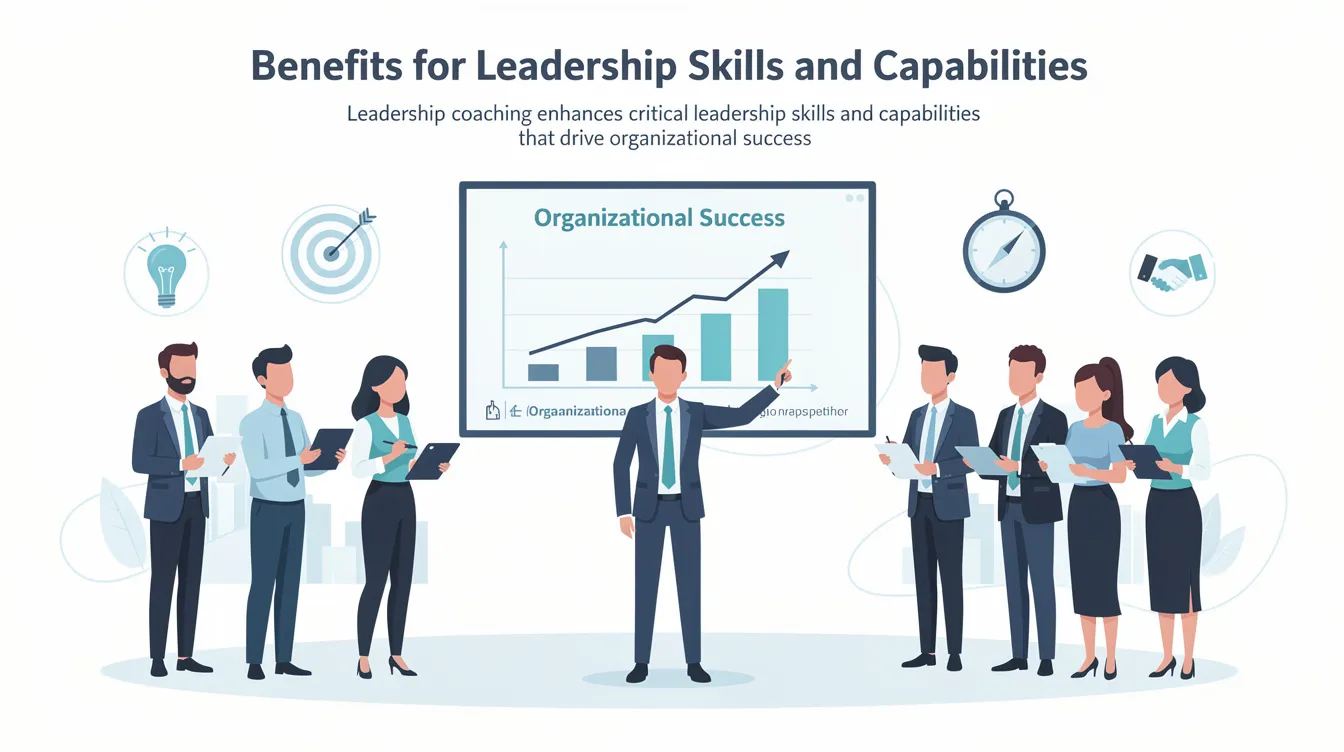
Leadership coaching enhances critical leadership skills and capabilities that drive organizational success.
Increased Performance
-
Identifies blind spots and increases self-awareness
-
Develops actionable strategies to improve team meetings, communication, and overall team performance
-
Engagement with a coach has been shown to increase individual performance by 70% and team performance by 50%
Employee Engagement
-
Cultivates effective leadership behaviors that can lead to 15-20% higher employee engagement
-
Fosters a culture of continuous learning and collaboration
Stress Management
-
Helps leaders set boundaries and prioritize tasks
-
Mitigates stress and prevents burnout, leading to higher job satisfaction
Mentoring Teams
-
Equips leaders to mentor their own teams
-
Supports leaders in overcoming imposter syndrome and self-doubt
-
Builds stamina needed to lead through transitions and high-pressure environments
Self-discovery is considered the foundation for effective leadership, empowering leaders to unlock their potential and drive meaningful change.
Take the first step to sharpen your decision-making and unlock your leadership potential—solve one challenge in 60 minutes with tailored guidance from Khalil Arouni. Solve One Challenge in 60 Minutes
Executive Coaches: Expertise And Backgrounds
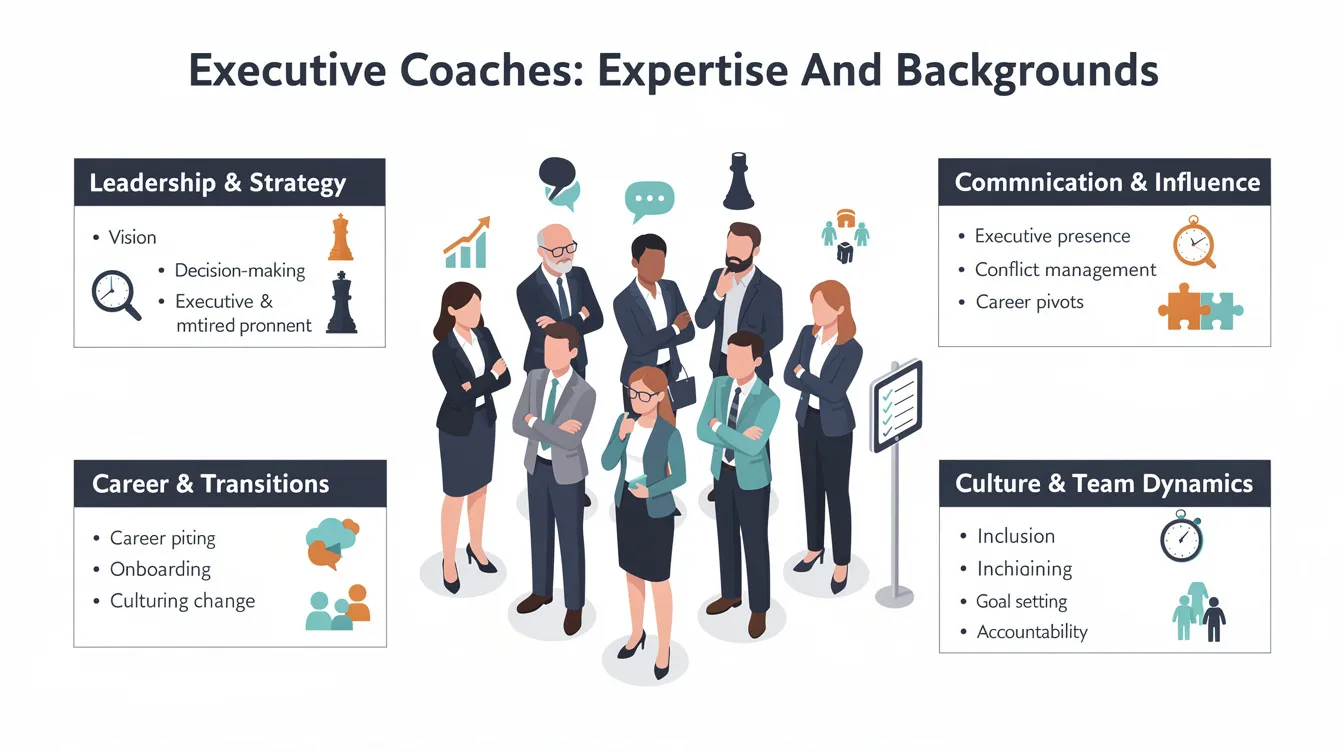
Successful executive coaches typically have:
-
Extensive experience in senior leadership roles, organizational development, or human resources
-
Certifications from respected bodies such as the International Coach Federation (ICF)
-
Deep understanding of coaching methodologies and ethics
-
Business acumen and industry-specific knowledge to provide relevant, impactful coaching
-
Strong analytical thinking skills to provide detailed feedback and actionable advice
-
Ability to help leaders identify blind spots, biases, and personal triggers that may hinder their influence
Executive Coach Core Skills
Effective executive coaches possess:
-
Strong emotional intelligence to empathize and build trust with clients
-
Exceptional analytical skills for navigating complex challenges through strategic problem solving
-
Excellent feedback and listening skills to ensure coaching sessions are productive, focused, and aligned with the leader’s defined goals
Executive Coaching Process
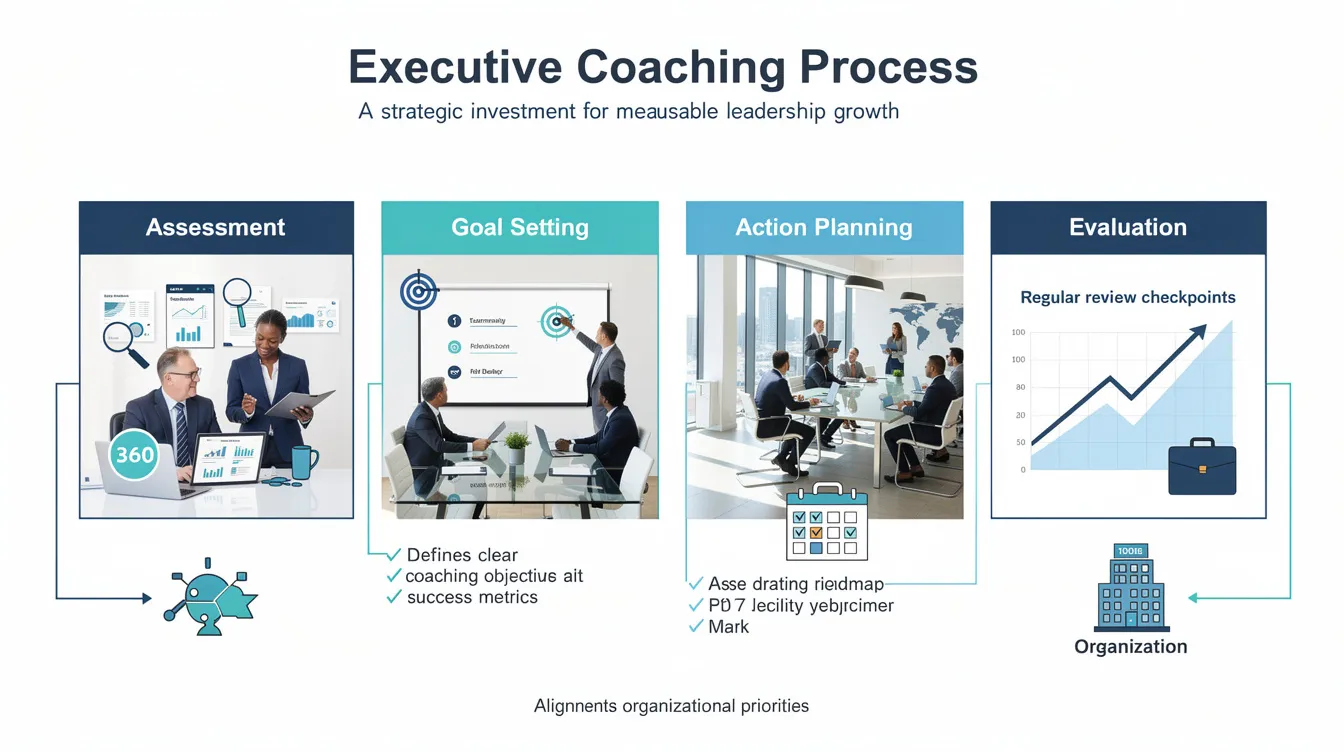
The executive coaching process is a strategic investment designed to deliver measurable leadership growth. It begins with clear coaching objectives and success metrics, followed by regular review checkpoints to track progress. This structured approach ensures alignment with organizational priorities and maximizes the positive impact of coaching. The typical executive coaching process is structured to deliver measurable behavioral change and leadership growth, following four key phases: assessment, goal setting, action planning, and evaluation.
Coaching Process Phases
The process typically includes:
-
Intake and needs assessment, including 360-degree feedback where appropriate, to gain a deep understanding of the leader’s strengths and areas for development
-
Co-creation of an action-focused development plan with clear, defined goals
-
Targeted coaching interventions focusing on leadership effectiveness and business outcomes
-
Evaluation of outcomes against initial objectives to measure success and inform next steps
Coaching Relationship And Trust
A successful coaching engagement hinges on:
-
Trust, confidentiality, and mutual respect
-
Early establishment of confidentiality agreements and mutual expectations
-
Open, honest communication and actionable feedback
These foundations enable leaders to fully engage in the coaching experience and unlock their potential.
Coaching Sessions: Format And Logistics
Coaching sessions are typically:
-
Conducted one on one
-
Scheduled with cadence tailored to the client’s needs—ranging from weekly to monthly meetings
-
Held in person or virtually, offering flexibility
Clients are encouraged to:
-
Prepare reflection prompts before each session
-
Commit to clear action steps afterward, ensuring continuous progress between meetings
Building Business Acumen Through Coaching
Executive coaches integrate real business scenarios and role plays into sessions to develop strategic decision-making skills. By linking coaching goals to organizational KPIs, leaders gain practical insights that translate directly into improved business performance and organizational success.
Developing Emotional Intelligence And Decision Making
Coaches assess a leader’s current emotional intelligence baseline and provide techniques to manage reactions under pressure. Through practice with real cases, leaders enhance their structured decision-making abilities, enabling them to make tough decisions confidently amid rapid change and increasing complexity.
Measuring Impact And ROI
Measuring the impact of executive coaching involves:
-
Selecting quantifiable metrics related to leadership change, such as improved team performance and enhanced leadership effectiveness
-
Gathering qualitative feedback from stakeholders to complement these metrics
Research indicates that executive coaching can lead to a 788% return on investment (ROI) through improved productivity and employee retention, highlighting its effectiveness in enhancing leadership performance.
Integrating Coaching Into Complex Organizations
To successfully embed coaching, organizations should:
-
Align coaching goals with strategic priorities
-
Pilot programs within select functions before scaling
-
Address cultural barriers and secure executive sponsorship
Organizations that invest in coaching signal a commitment to growth, which helps in retaining top talent and senior executives. Investing in executives demonstrates a commitment to their development, which can improve retention of top talent.
Choosing The Right Executive Coach
Selecting the right coach involves:
-
Matching their experience to the client’s industry
-
Verifying their coaching methodology and accountability approach
-
Conducting initial chemistry calls to ensure a strong coaching relationship
Research shows that the coaching relationship is the single most important factor for success.
Implementation Roadmap For Coaching Programs
A successful coaching program requires:
-
A clear scope and duration, backed by executive sponsorship
-
Planning a phased rollout with evaluation points to monitor progress
-
Making adjustments and demonstrating the strategic value of coaching as a long-term investment in leadership and organizational development
Executive Coaching vs Life Coaching
Executive coaching is distinct from mentoring in that it focuses on helping senior leaders set specific objectives and implement changes to achieve measurable results, while mentoring often involves sharing personal experiences and advice over a longer period without urgency for results.
Life coaching differs from executive coaching in that it addresses a broader range of personal and professional goals, while executive coaching specifically targets leadership and management skills within an organizational context. Executive coaching is typically commissioned by organizations and focuses on the needs of the business, whereas life coaching is often initiated by the individual and is more personal in nature.
While life coaching and executive coaching share a facilitative approach, they differ in focus, target audience, and commissioning:
-
Life coaching addresses a broader range of personal and professional goals, including work-life balance and overall well-being, and is often initiated by individuals seeking personal growth.
-
Executive coaching specifically targets leadership and management skills within an organizational context and is typically commissioned by organizations focusing on business needs.
FAQs And Next Steps
When considering executive coaching, leaders should prepare initial questions for an introductory call, such as clarifying coaching goals, expected outcomes, and the coach’s track record. It is helpful to prepare a brief leadership development plan or outline current challenges to focus conversations effectively. Scheduling a complimentary discovery session provides an opportunity to assess fit, discuss coaching methodologies, and define clear objectives for the coaching engagement.
Frequently Asked Questions
What is the typical duration of an executive coaching engagement?
Executive coaching engagements usually last between three to six months, with sessions occurring weekly or monthly depending on individual needs and goals. The duration can be adjusted based on progress and organizational priorities.
How do I know if executive coaching is right for me?
If you are a senior leader or manager seeking to enhance your leadership capabilities, navigate complexity, or unlock potential for personal and professional growth, executive coaching can be highly beneficial. An initial consultation can help determine alignment with your development objectives.
What qualifications should I look for in an executive coach?
Look for coaches with relevant certifications from recognized bodies such as the International Coach Federation (ICF), a strong track record working with leaders in your industry, and a coaching style that matches your preferences. Chemistry and trust are essential for a successful coaching relationship.
How confidential is the coaching process?
Confidentiality is a cornerstone of executive coaching. Coaches adhere to strict ethical guidelines to ensure all discussions remain private unless explicit consent is given. This safe space enables honest reflection and growth.
Can executive coaching help me manage stress and avoid burnout?
Yes, coaches assist leaders in setting boundaries, prioritizing tasks, and developing resilience strategies to mitigate stress and prevent burnout, fostering long-term success and well-being.
How is progress measured during coaching?
Progress is tracked through regular reviews against agreed goals, feedback from stakeholders, and self-assessments. Keeping records of sessions helps maintain accountability and highlights areas of improvement.
What are the costs associated with executive coaching?
Costs vary depending on the coach’s experience, session frequency, and engagement length. Many coaches offer an initial consultation to discuss pricing and tailor packages to organizational budgets.
Taking these steps ensures you make an informed decision and maximize the impact of your executive coaching journey.
Elevate your leadership impact by working directly with Khalil Arouni—gain clarity, make better decisions, and achieve measurable results. Solve One Challenge in 60 Minutes | Work with Khalil Arouni

0 comments