

Empathetic leadership is increasingly recognized as a vital component of effective management in today’s dynamic workplace. This guide is designed for current and aspiring leaders, managers, and HR professionals seeking to enhance their leadership effectiveness through empathy. It involves the ability to understand and share the feelings of team members, enabling leaders to connect on a deeper level and foster a supportive environment. This article explores why leadership skills empathy is essential, who can benefit from developing these skills, and previews practical strategies and outcomes leaders can expect when they embrace empathy in their leadership approach.
Importance of Empathy in Leadership
Empathetic leadership is defined as the ability to understand the needs of others and be aware of their feelings and thoughts, which is critical for effective management. Empathy is a cornerstone of successful leadership because it directly influences team dynamics and overall job performance. Leaders who demonstrate empathy can better understand the challenges and motivations of their team members, resulting in higher employee satisfaction and engagement. In the short term, empathetic leadership helps resolve conflicts constructively and boosts morale. Constructive Conflict Resolution requires addressing disputes by acknowledging the emotions of all parties to reach fair, solution-focused outcomes. Over the long term, it builds a culture of respect and collaboration that sustains organizational success and talent retention.
Core Empathy Skills for Leaders
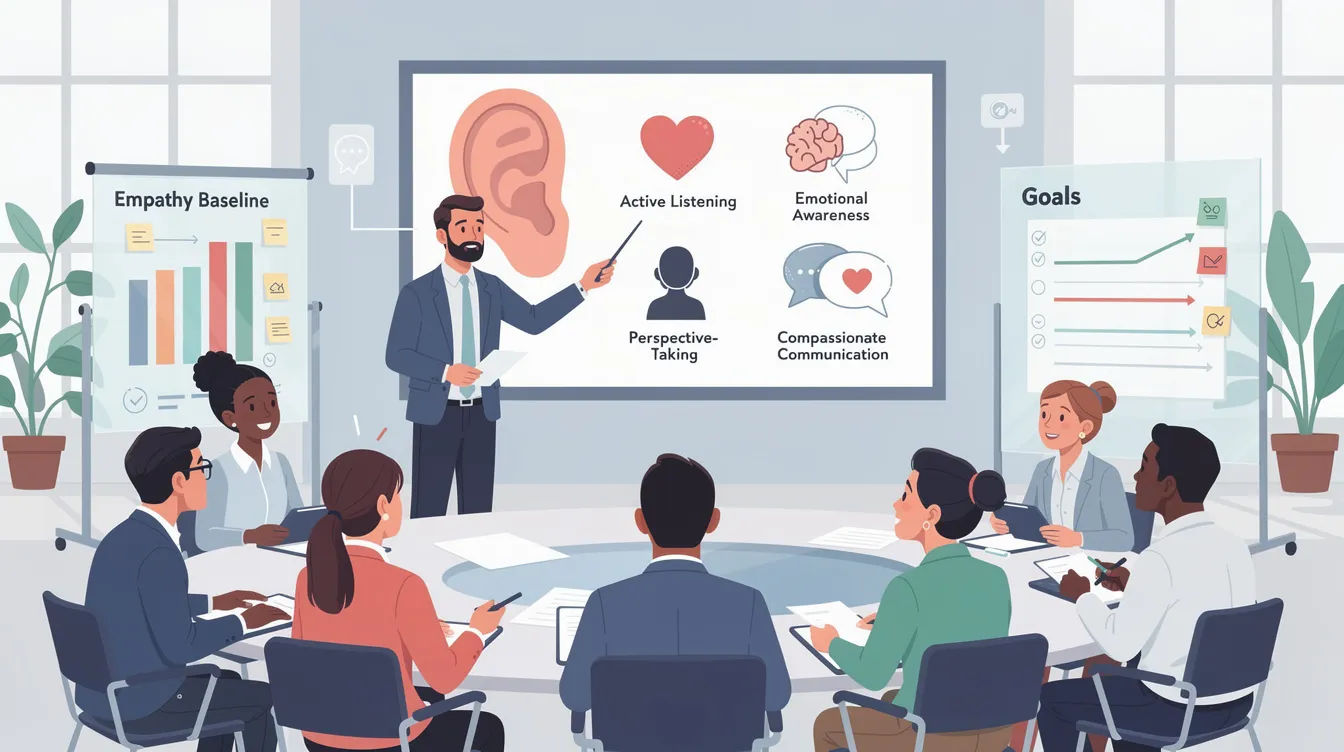
To cultivate leadership skills empathy, it is important first to define the specific empathy skills leaders need to develop. These include active listening, emotional awareness, perspective-taking, and compassionate communication. Leaders should assess their current empathy baseline by soliciting feedback from colleagues and team members to identify gaps. Prioritizing these gaps allows leaders to set measurable goals for empathy skill development, ensuring focused and effective growth.
Active Listening Techniques
Active listening is fundamental to empathetic communication. Leaders should practice reflective listening by paraphrasing what their team members say to confirm understanding. Asking clarifying questions helps deepen conversations and shows genuine interest. Observing nonverbal cues such as facial expressions and body language provides insight into unspoken feelings. Additionally, using silence strategically encourages team members to share more openly, fostering trust and respect.
Building an Empathetic Mindset

Developing an empathetic mindset requires intentional effort. Mindfulness exercises help leaders become more self-aware of their emotional states and reactions, which enhances their ability to remain calm and responsive in stressful situations. Emotional Intelligence (EI) includes building self-awareness to recognize one's own emotional state and self-regulation to respond calmly, while sensing the emotional climate of the team. Scheduling regular self-reflection sessions encourages leaders to consider how their actions impact others. Roleplaying perspective-taking scenarios allows leaders to experience different viewpoints, strengthening their ability to understand diverse feelings and challenges. Encouraging genuine perspective-taking involves leaders consistently putting themselves in the other person's place, which can help in managing conflicts and driving innovation.
Leading With Empathy: Practical Actions
Leaders can integrate empathy into daily interactions by modeling empathetic behaviors during team meetings, such as acknowledging emotions before problem-solving. Holding consistent one-on-one check-ins offers opportunities to hear individual concerns and provide tailored support. Personalised Support and Check-ins involve scheduling regular one-on-one meetings to understand individual goals and challenges, which can help prevent burnout. Responding to issues with concrete actions, like offering flexible work arrangements, demonstrates commitment to the entire team’s well-being. Aligning decisions with the team’s needs fosters a compassionate and productive workplace culture. Inclusive Decision-Making means actively seeking diverse perspectives and considering the human impact of business decisions on employees and the community. Transparency in Crisis involves approaching difficult organizational changes with a "human-first" mindset and providing context while acknowledging the stress it causes to the team.
Take the next step toward clarity and better decisions by choosing to Solve One Challenge in 60 Minutes with expert guidance.
Empathetic Leader Behaviors
Effective empathetic leaders validate employee emotions and follow up promptly on requests to build trust. They demonstrate accountability by ensuring their words align with actions, reinforcing their influence and respect within the team. This compassionate approach strengthens relationships and encourages open communication, which is essential for successful collaboration and innovation.
Supporting Mental Health at Work
Organizations should equip managers with training on mental health awareness and empathetic communication. Sharing resources and creating policies that support flexible work options help address employee well-being proactively. These efforts contribute to a psychologically safe workplace where team members feel valued and supported, ultimately enhancing job performance and retention. Empathetic leadership has been shown to be a significant factor in employee retention, with a study indicating that more than half of employees would consider resigning if company leaders lacked empathy. Employees who experience high levels of workplace wellbeing are three times more engaged at work and more likely to stay with their employer, highlighting the link between empathy and retention.
Measuring Positive Outcomes of Empathy

Tracking metrics such as employee retention and turnover rates provides tangible evidence of empathy’s impact. Pulse surveys can measure engagement levels and psychological safety indicators, offering insights into team dynamics. Reporting these positive outcomes to executives highlights the value of investing in empathy skills programs and encourages ongoing commitment to empathetic leadership.
Implementing an Empathy Skills Program
Designing a modular empathy skills curriculum allows organizations to tailor training to different leadership levels. Piloting the program with a single team helps gather feedback and refine content. Creating peer coaching cohorts fosters continuous learning and accountability. Evaluating outcomes quarterly ensures the program remains effective and responsive to evolving needs, while iterative improvements enhance its long-term success.
Challenges and Pitfalls to Avoid
Leaders should avoid performative empathy gestures that lack genuine understanding, as these can damage trust. It is important to prevent burnout by setting clear professional boundaries and managing the emotional effort involved in supporting others. Coaching leaders to translate empathy into concrete actions ensures that compassion leads to meaningful change rather than empty words.
Closing: Next Steps for Empathetic Leadership
Organizations should prioritize empathy skills in their hiring criteria to build a workforce aligned with compassionate values. Publishing a 90-day empathy action plan provides leaders with clear steps to develop their skills. Celebrating small wins and learnings motivates continued progress, while scheduling regular program reviews helps sustain momentum and measure impact. For leaders ready to drive measurable results and foster a culture of clarity and compassion, working directly with Khalil Arouni offers tailored strategies grounded in proven outcomes. Take decisive action now—Solve One Challenge in 60 Minutes and transform your leadership approach.
Frequently Asked Questions About Leadership Skills Empathy
What is empathetic leadership and why is it important?
Empathetic leadership is the ability of leaders to understand and share the feelings of their team members. It is important because it fosters trust, improves communication, and enhances team morale, leading to better job performance and employee retention.
How can I develop more empathy as a leader?
Developing more empathy involves practicing active listening, paying attention to nonverbal cues, and putting yourself in other people's perspectives. Engaging in self-awareness exercises and seeking feedback can also help build greater empathy over time.
What are some signs that a leader lacks empathy?
Signs include dismissing employee concerns, poor communication, low team morale, high turnover rates, and a lack of appreciation for diverse viewpoints. Leaders who do not show empathy tend to struggle with conflict resolution and maintaining positive relationships.
How does empathy impact employee retention?
Empathy creates a supportive work environment where employees feel valued and understood. Research shows that employees are more likely to stay with organizations where leaders demonstrate an empathetic approach, which reduces turnover and increases loyalty.
Can empathy be taught or is it an innate trait?
While some individuals may naturally have high levels of empathy, it is a skill that can be developed through training, practice, and intentional effort. Leadership programs often include modules on emotional intelligence and perspective-taking to foster empathetic skills.
How does empathy contribute to better decision-making?
Empathy encourages leaders to consider the human impact of their decisions by understanding different perspectives. This inclusive decision-making process leads to more thoughtful, effective solutions that benefit both employees and the organization.
What role does self-awareness play in empathetic leadership?
Self-awareness helps leaders recognize their own emotions and responses, enabling them to manage stress and react calmly. This awareness is essential for putting oneself in another person's position and responding with compassion rather than judgment.
How can organizations support the development of empathy in leaders?
Organizations can provide empathy training, encourage open communication, and create psychologically safe environments. Regular check-ins, coaching, and feedback mechanisms also help leaders practice and refine their empathetic approach.
What are common challenges leaders face when trying to be empathetic?
Leaders may struggle with balancing empathy and accountability, avoiding burnout from emotional labor, and overcoming biases. It is also challenging to maintain genuine empathy during high-pressure situations without becoming overwhelmed.
How does empathy improve workplace culture?
Empathy fosters respect for people's perspectives and promotes collaboration. It creates a culture where employees feel safe to share ideas and struggles, leading to innovation, higher engagement, and a positive work environment.

0 comments