

Introduction
This guide provides a comprehensive overview of business coaching, including its definition, key roles, benefits, and career opportunities. It is designed for business owners, leaders, and aspiring coaches who want to understand how business coaching can drive both personal and organizational success. By exploring the essentials of business coaching, this resource will help you unlock business and personal growth, stay ahead of industry trends, and make informed decisions about your coaching journey.
Business Coaching Definition: What is Business Coaching?
Business coaching is the process of engaging in regular, structured conversation with a client who is within a business context. It is a collaborative process that helps clients grow their business and develop as leaders. Business coaching focuses on both the client's growth and the performance of the business, ensuring that personal development and business objectives are aligned for maximum impact.
Business coaching is a collaborative process where a professional coach partners with business owners, business leaders, or teams to help them grow their business and reach their goals. It’s not just about achieving business success; it also fosters personal growth and leadership development. A good coach provides tailored guidance that fits the unique context and needs of each client, focusing on enhancing leadership skills, decision-making, and overall coaching skills.
Business coaching blends mentoring, structured planning, and entrepreneurial collaboration to help clients increase profits, improve work performance, and achieve measurable business objectives. The International Coaching Federation (ICF) sets global standards for business coaching, ensuring coaches uphold professionalism, ethical practice, and continuous development in their coaching experience.
It is important to note that business coaching is not a regulated profession. This lack of regulation leads to varying definitions and practices among practitioners, which can sometimes cause confusion for clients seeking coaching services. Despite this, the core of business coaching remains focused on helping clients unlock their potential and achieve sustainable business success.
Role of Business Coaching: How Coaches Support Business Owners and Leaders

A business coach acts as a trusted partner and accountability ally, building a strong, supportive relationship with clients to drive their business forward. This relationship is built on mutual trust, respect, and open communication, providing a safe space for clients to explore challenges and develop new strategies. Instead of offering direct solutions, a coach helps clients find their own solutions, encouraging them to think critically and develop their own strategies. This key distinction separates business coaching from consulting or mentoring.
Coaches provide an outside perspective, helping business owners uncover blind spots and opportunities they might miss due to daily operations involvement. Experienced business coaches draw from their own business knowledge and real-world experience to provide tools and frameworks that help clients navigate diverse challenges. They focus on developing leadership capabilities, enhancing decision-making skills, and improving interpersonal communication, all of which contribute to higher performance and long-term business success.
Benefits of Business Coaching: Why Business Owners Invest in Coaching
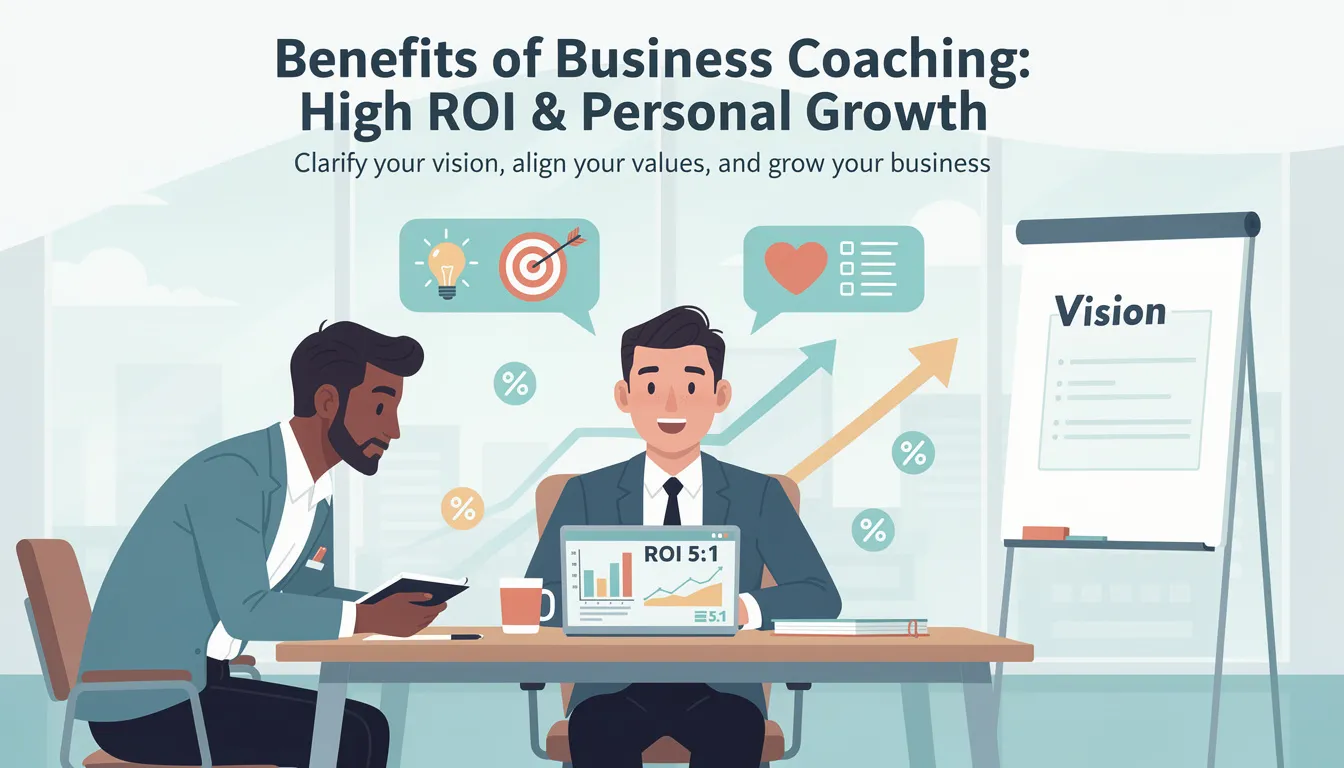
Investing in business coaching delivers a high return on investment (ROI), with studies such as those reported by the Harvard Business Review showing companies often see ROI multiples between 5:1 and 7:1. The benefits of business coaching extend beyond improving hard skills; they also support personal growth by providing a safe space for leaders to explore new ideas, clarify their company vision, and align their personal values with business goals.
This holistic approach helps business owners build confidence, stay focused on priorities, and develop a clear career path that supports both personal and professional success. Business coaching also improves team dynamics, fosters better communication, and cultivates a positive work environment, all contributing to sustainable business success.
Clients who engage in business coaching often experience increased accountability in their business practices, which helps maintain momentum and ensures consistent progress toward their goals. Ultimately, business coaching empowers clients to navigate future challenges independently, ensuring lasting change and resilience.
Challenges Faced by Business Owners: How Business Coaching Addresses Key Needs

Business owners, especially small business owners and start ups, face numerous challenges including leadership development, succession planning, recruitment, and operational efficiency. Many business coaches specialize in working with these groups, offering tailored advice and support to help them navigate these challenges effectively.
Through business coaching, business owners can clarify their business goals, set actionable objectives, and develop a clear focus that drives productivity and growth. A successful business coach provides valuable insights and encouragement, helping clients overcome obstacles and maintain accountability, which is essential for achieving long-term business objectives.
Executive Coaching and Other Business Coaching Specializations
Business coaching encompasses various specializations, including executive coaching, which focuses on leadership development at the highest organizational levels. Other specializations address areas such as succession planning, team performance, and organizational culture.
Business coaching can be delivered individually or in teams, with both internal and external coaches offering valuable perspectives. Coaching services can be customized to fit specific industries or business needs, ensuring a personalized and effective coaching experience that drives business success.
Niche coaching is becoming the standard in the industry, with coaches focusing on specific industries or business types to improve client results. This specialization helps coaches attract the right clients and deliver tailored solutions that address unique business challenges.
Developing Coaching Skills and Business Knowledge: Essentials for Effective Coaching
Effective business coaching requires a combination of coaching skills and deep business knowledge. Coaches must cultivate strong interpersonal skills such as active listening, empathy, and clear communication to build trust and foster growth. Additionally, a solid understanding of business principles including marketing, finance, operations, and leadership is essential.
Many business coaches come from backgrounds as former executives, managers, or entrepreneurs who want to leverage their experience to help others succeed. This real-world experience enriches their coaching practice and enables them to provide practical insights.
Training plays a crucial role in coaching development. While training focuses on teaching new skills, coaching helps clients apply those skills in real-world situations, bridging the gap between knowledge and action. The International Coaching Federation (ICF) requires a minimum of 60 hours of accredited coach training and 100 hours of practice to apply for the Associate Certified Coach (ACC) credential. Most serious business coaches pursue the Professional Certified Coach (PCC) level, which requires 125+ hours of training and 500 hours of coaching experience.
By continuously developing their coaching skills and business knowledge, coaches can provide meaningful support that helps clients achieve their goals and grow their businesses. This ongoing professional growth is critical for maintaining high standards and delivering real value through coaching.
Building a Coaching Business: Business Development Strategies for Success
Building a thriving coaching business demands a clear focus, a strong marketing strategy, and a deep understanding of the coaching industry. Business development is a critical component, involving marketing, sales, and client relationship management to attract and retain clients.
Having a clear online presence is essential for coaches to build credibility and attract clients in today’s digital world. Successful coaching businesses are built on strong relationships, trust, and a deep understanding of client needs and goals. Coaches must develop a unique value proposition that differentiates them from others, emphasizing their expertise and ability to help clients find solutions. Using tools such as session notes and big ideas helps maintain momentum and accountability within the coaching relationship, fostering trust and growth essential for expanding a coaching business and achieving long-term success.
Trends and Growth in the Business Coaching Market
The coaching industry generated over $4.6 billion USD in annual revenue worldwide in 2023, with roughly 62% of coaches identifying under the umbrella of business coaching, making it the largest niche in the profession. The global coaching industry is expected to grow at around 7–8% annually over the next decade, with business coaching leading that charge.
Business coaching demand tends to be strongest in regions with a high density of multinational corporations and in economies prioritizing leadership development. The shift toward hybrid and remote working has amplified the need for leaders who can inspire and align teams in new ways.
Virtual coaching has become the norm, allowing clients to work with coaches regardless of location. Group coaching is growing fast, providing clients with peer support and accountability. Additionally, AI tools are becoming essential for managing the balance between coaching and running a business, helping coaches save time on administrative tasks and focus more on delivering high-quality coaching.
Career Path in Business Coaching: Becoming a Successful Business Coach
A career path in business coaching is rewarding and challenging, requiring a blend of business knowledge, coaching skills, and ongoing professional growth. Many successful business coaches begin as business owners, executives, or leaders before transitioning to coaching, leveraging their own experience to help others succeed.
The International Coaching Federation provides accredited training and certification programs that uphold high standards of professionalism and ethics. Developing coaching skills and business acumen enables coaches to build successful careers, attract the right clients, and deliver real value to those they serve. Continuous learning and staying connected to a global coaching community are vital for long-term professional growth.
Complete Guide to Business Coaching: Unlocking Your Potential and Achieving Business Success
This complete guide to business coaching has outlined the essential elements of business coaching definition, roles, benefits, and career development. By embracing business coaching, business owners and leaders can unlock their potential, achieve higher performance, and build sustainable, successful businesses.
The next steps include investing in coaching skills development, building effective coaching frameworks, and measuring progress to ensure continued growth. With the right support and strategies, business coaching can be a powerful catalyst for personal and organizational transformation, driving lasting business success.
Frequently Asked Questions about Business Coaching
What is the main purpose of business coaching?
The main purpose of business coaching is to help business owners, leaders, and teams enhance their awareness, develop leadership skills, and improve decision-making to achieve specific business objectives. It focuses on both personal growth and business success, providing tailored guidance that empowers clients to find their own solutions and drive measurable results.
How does business coaching differ from consulting and mentoring?
Business coaching differs from consulting and mentoring in its approach and focus. While consultants typically provide ready-made solutions and may implement them, coaches facilitate a process where clients develop their own strategies and skills. Mentors share advice based on their own experience, often within the same industry, whereas coaches provide structure, accountability, and an outside perspective without necessarily having industry-specific knowledge.
Who can benefit the most from business coaching?
Business coaching is beneficial for a wide range of individuals, including small business owners, entrepreneurs, executives, and teams. Those who are ready to grow, open to being challenged, and willing to invest in their personal and professional development tend to gain the most from coaching. It is especially valuable for leaders facing challenges such as leadership development, succession planning, or operational efficiency.
What qualifications should a good business coach have?
A good business coach typically has a combination of credible education, coaching certification (such as from the International Coaching Federation), real-world business experience, and strong coaching skills like active listening and empathy. Continuous professional growth and adherence to ethical standards are also important qualities of an effective coach.
How long does it take to see results from business coaching?
The timeline for seeing results varies depending on the client’s goals, commitment, and the coaching process. Some clients notice improvements in clarity and decision-making within a few sessions, while long-term business growth and leadership development may take several months to years. Consistent engagement and application of insights gained through coaching are key to achieving lasting results.
Can business coaching help improve team performance?
Yes, business coaching can significantly improve team performance by enhancing communication, fostering collaboration, and developing leadership skills within the team. Coaches may work with teams directly or support leaders in creating an environment that promotes high performance and positive team dynamics.
What types of business coaching specializations exist?
Business coaching includes various specializations such as executive coaching, leadership coaching, succession planning, sales and marketing coaching, and operational coaching. Coaches may also specialize by industry or business size, tailoring their approach to meet specific client needs.
How does business coaching support personal growth?
Business coaching supports personal growth by helping clients clarify their values, align their personal vision with business goals, and build confidence. The coaching relationship provides a safe space for exploring challenges, experimenting with new ideas, and developing skills that contribute to both personal and professional success.
Is business coaching suitable for startups?
Absolutely. Many business coaches specialize in working with startups, helping founders navigate the unique challenges of launching and growing a new business. Coaching can assist with strategic planning, leadership development, and building sustainable business processes from the ground up.
How do I choose the right business coach for me?
Choosing the right business coach involves considering factors such as the coach’s experience, specialization, coaching style, and credentials. It’s important to find a coach whose approach aligns with your goals and with whom you feel comfortable building a trusting and open coaching relationship. Many coaches offer initial consultations to help determine fit.
What is the role of accountability in business coaching?
Accountability is a core component of business coaching. Coaches help clients set clear goals, track progress, and stay focused on actions that drive business success. This accountability encourages clients to follow through on commitments, overcome obstacles, and maintain momentum toward their objectives.
Can business coaching help with work-life balance?
Yes, business coaching can help clients achieve better work-life balance by clarifying priorities, setting boundaries, and developing strategies to manage time and stress effectively. Coaches support clients in aligning their business goals with personal values to create a more fulfilling and sustainable lifestyle.
How does technology impact business coaching?
Technology has transformed business coaching by enabling virtual sessions, digital goal tracking, and the use of AI tools for administrative tasks like session notes and content creation. This allows coaches to reach clients globally, increase efficiency, and focus more on delivering high-quality coaching.
Are business coaching services expensive?
The cost of business coaching varies widely based on factors such as the coach’s experience, specialization, location, and session format. While some coaches charge per session, others offer packages or group coaching programs. Many clients view coaching as an investment that delivers significant ROI through improved business performance and personal development.
What should I expect during a business coaching session?
During a coaching session, clients can expect a collaborative conversation focused on exploring challenges, setting goals, brainstorming solutions, and developing actionable plans. Coaches use active listening, powerful questioning, and feedback to help clients gain insights and take meaningful steps forward.
How do business coaches measure success?
Business coaches measure success by tracking progress toward the client’s goals, improvements in leadership and decision-making skills, and tangible business outcomes such as increased profits, enhanced team performance, or successful implementation of strategies. Regular reviews and adjustments ensure coaching remains aligned with client needs.
Can business coaching be done in groups?
Yes, group coaching is a growing trend that offers peer support, shared learning, and accountability. Group coaching can be more affordable and provides opportunities to learn from others facing similar challenges. Coaches often facilitate mastermind groups or small cohorts to maximize engagement and results.
What is the difference between internal and external business coaches?
Internal coaches are employed within an organization and work exclusively with that company’s employees, while external coaches operate independently and work with clients across various organizations. Both types bring valuable perspectives, but external coaches often provide a broader range of experience and an unbiased viewpoint.
How important is trust in the coaching relationship?
Trust is fundamental to a successful coaching relationship. It creates a safe space for clients to be open about their challenges, experiment with new ideas, and receive honest feedback. Building trust requires confidentiality, empathy, and consistent professionalism from the coach.
How can I prepare for business coaching?
To prepare for business coaching, clients should clarify their goals, be open to feedback, and commit to taking action. Reflecting on current challenges and desired outcomes before sessions can help maximize the value of coaching. Being proactive and engaged throughout the coaching process leads to the best results.

0 comments