

Introduction to AI SEO: Harnessing Artificial Intelligence Websites for Smarter SEO Strategies
Artificial intelligence websites are transforming the landscape of digital marketing by integrating AI-powered SEO (Search Engine Optimization) techniques. AI SEO focuses on optimizing content specifically for AI-driven search engines, which are becoming increasingly prevalent. These AI systems analyze search engine algorithms and user intent more deeply than traditional SEO methods, enabling businesses to tailor their content for better visibility and higher search rankings.
AI SEO tools play a crucial role in this transformation. They automate time-consuming SEO tasks such as keyword research, content creation, and on-page optimization. By leveraging these tools, marketers can gain valuable insights into search trends, user behavior, and emerging keywords, helping them craft strategies that resonate with their target audience and improve organic traffic.
The Role of AI in Shaping the Future of SEO: How Machine Learning and AI Generated Content Are Revolutionizing Search Optimization
Artificial intelligence websites utilize machine learning algorithms to revolutionize search engine optimization. AI-powered SEO tools analyze vast datasets to identify patterns, emerging search trends, and user behavior that traditional SEO might miss. This capability allows SEO professionals to anticipate changes in search algorithms and adapt their strategies proactively.
AI-generated content and AI-powered SEO tools also enhance content creation and optimization. These tools can generate topic ideas, outlines, and even full drafts that align with search intent, ensuring content relevance and quality. As AI continues to evolve, its integration into SEO strategies is becoming indispensable for businesses aiming to stay competitive in the dynamic SEO landscape.
Moreover, AI systems increasingly pull insights from across the web, evaluating which sources are most reliable and synthesizing explanations at scale. This advanced capability means that search engines powered by AI do not simply rank pages based on keywords but assess the overall authority, clarity, and trustworthiness of content. This shift compels businesses to prioritize creating content that is not only informative but also clear, well-structured, and semantically consistent to meet the expectations of AI-driven search algorithms.
The Evolution of SEO: From Traditional SEO to AI SEO and Advanced Content Optimization
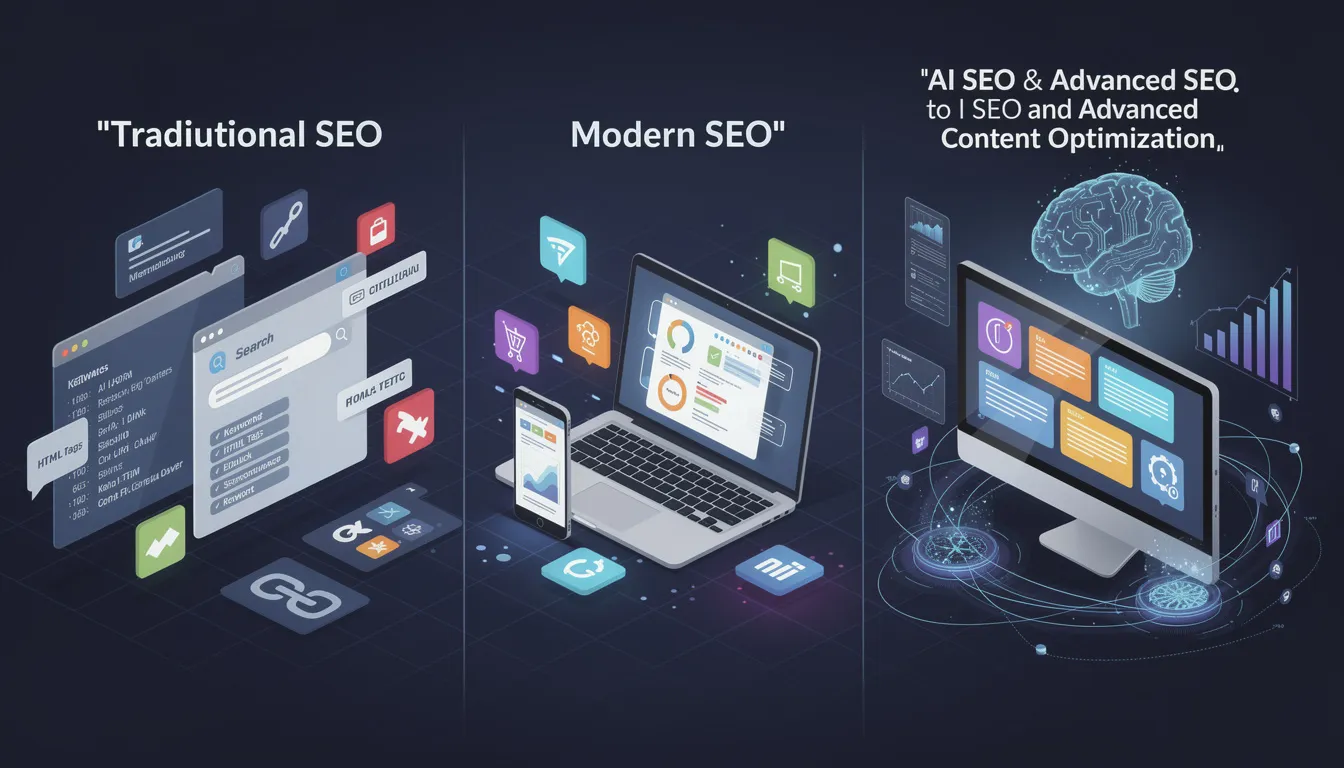
From Traditional SEO to Modern AI SEO Techniques
Traditional SEO primarily focused on simple keyword matching and link building to improve search engine rankings. However, the SEO landscape has evolved into a more comprehensive discipline that includes technical SEO, content optimization, user experience, and semantic search.
AI SEO represents the next stage in this evolution. By leveraging artificial intelligence websites and AI SEO tools, businesses can optimize their content for AI-powered search engines that prioritize user intent and content quality over mere keyword density. AI-powered SEO tools automate many tasks once done manually, such as keyword difficulty analysis, content gap identification, and on-page optimization, making SEO efforts more efficient and effective.
As the future of SEO unfolds, it will require businesses to produce content that is clear, structured, and semantically consistent. This means organising information logically, using meaningful headings, and ensuring that content comprehensively addresses related topics. Such an approach aligns with how AI systems interpret and synthesise information, thereby maintaining and enhancing a website's visibility in search engine results pages.
Streamlining SEO Tasks with AI
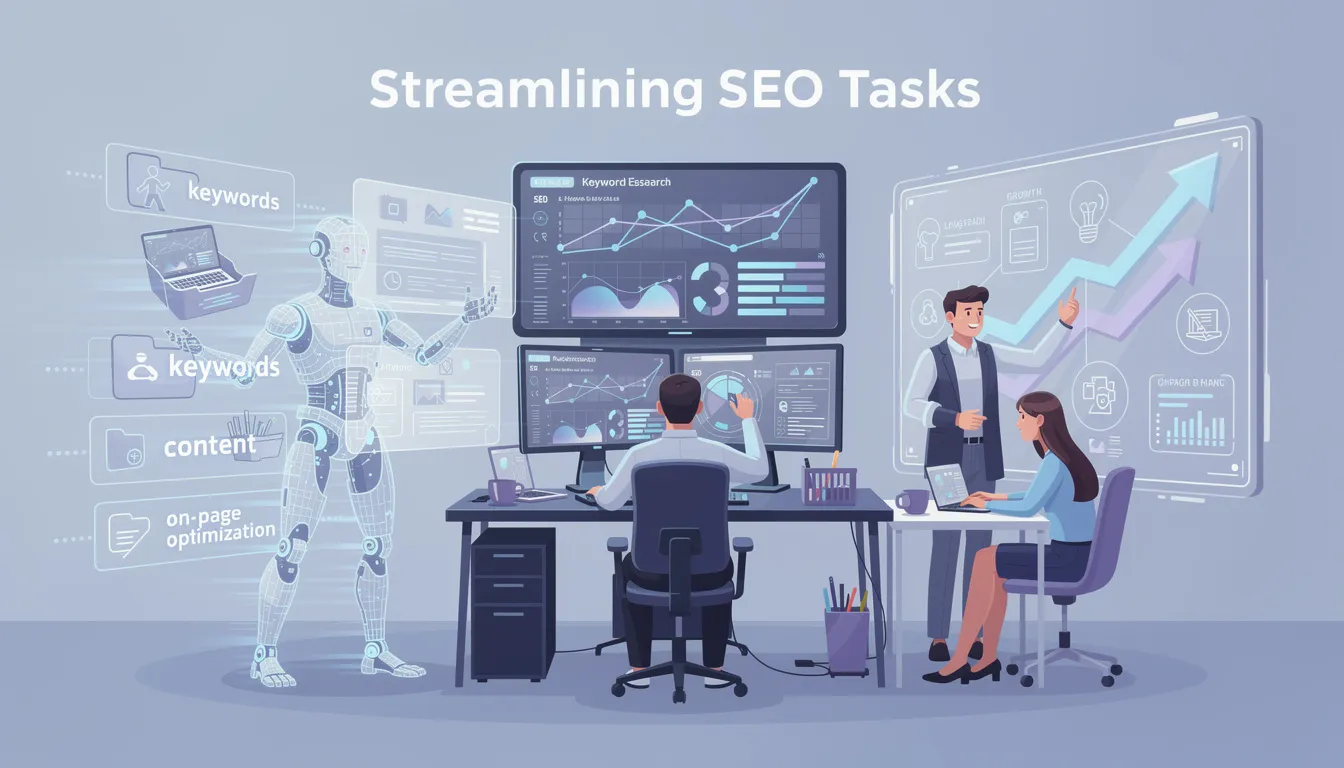
One of the most significant advantages of artificial intelligence websites and AI SEO tools is their ability to streamline time-consuming SEO tasks. These tools automate processes such as keyword research, content creation, and on-page optimization, freeing up SEO professionals to focus on strategic initiatives. This shift allows teams to dedicate more time to creative and high-impact activities that drive long-term growth and improve overall SEO performance.
Leveraging AI for Data Analysis and Insights
AI excels at processing and analyzing large datasets, uncovering valuable insights that would be challenging or impossible to detect manually. By analyzing millions of search engine results pages (SERPs) in real time, AI-powered tools identify ranking patterns, emerging search trends, and user behavior signals. This deep data analysis enables marketers to make informed decisions, optimize their strategies dynamically, and maintain a competitive edge in the evolving SEO landscape.
Building Topic Authority with AI-Identified Subtopics
AI SEO tools can identify related concepts and subtopic clusters that should be covered to build comprehensive topic authority. By creating content that addresses these interconnected themes, businesses can establish themselves as experts in their niche and improve their visibility across a broader range of relevant search queries. This approach aligns with AI-powered search engines' preference for semantically rich and well-structured content.
Enhancing Visual SEO with AI
Visual search is becoming increasingly important in SEO, and AI can significantly enhance this area by suggesting optimized alt text and image tags infused with relevant keywords. These AI-driven recommendations maximize content appeal in image searches, improving a website’s overall SEO performance and expanding opportunities for organic traffic through visual discovery.
Optimizing Link Placement Through User Behavior Analysis
AI tools analyze user behavior data to understand how users interact with anchor text and links within content. These insights help SEO professionals determine the most effective placement strategies for internal and external links, boosting user engagement and improving search engine rankings. By leveraging AI-driven behavioral analysis, businesses can refine their link-building tactics and enhance the overall user experience.
AI and Investment Attraction: Refining Strategies for Foreign Direct Investment (FDI)
The integration of AI into SEO practices has revolutionized how businesses and economic development agencies approach investment attraction. AI tools help refine strategies for attracting foreign direct investment (FDI) by analyzing search trends, user intent, and competitive landscapes. This data-driven approach enables regions and companies to position themselves more effectively to potential investors, enhancing visibility and appeal in a crowded marketplace.
Adapting to the Rise of Zero-Click Searches and AI Search Results
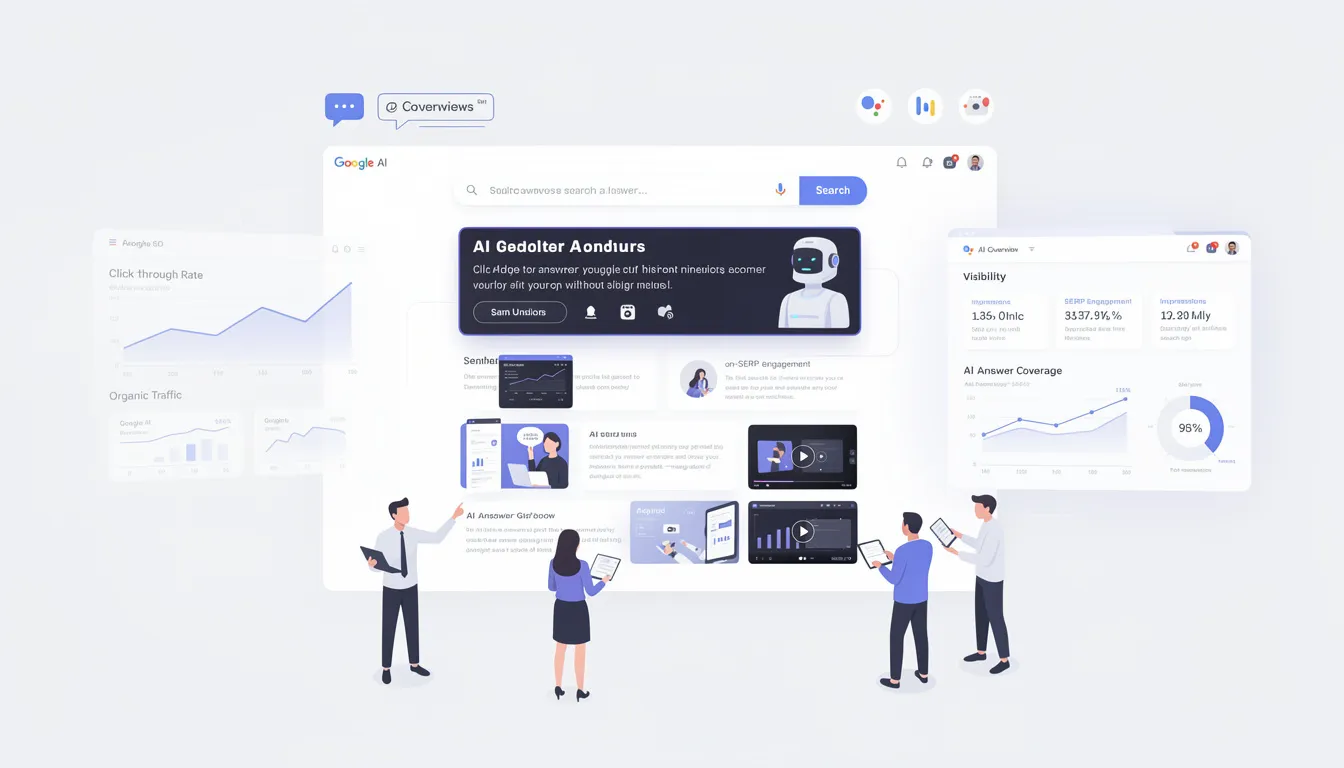
A defining feature of the new search landscape is the rise of zero-click searches, where users find answers directly on the search results page without clicking through to a website. This trend significantly impacts how SEO success is measured, shifting the focus from traditional click-through rates to broader visibility metrics. AI-generated answers, multimodal result blocks, and conversational search experiences are becoming standard, requiring businesses to optimize their content not only for traditional rankings but also for AI-powered search environments such as Google's AI Overviews.
To maintain visibility in this evolving landscape, content must be clear, structured, and semantically consistent. Optimizing for zero-click searches means ensuring that key information is easily extractable and authoritative, increasing the chances of being featured in AI-generated summaries and answer boxes. While zero-click searches may reduce direct website traffic, they enhance brand visibility and authority, which are critical for long-term SEO success.
Leading Educational Resources on Artificial Intelligence
For those interested in deepening their understanding of AI and its applications, several top resources provide free or specialized education:
-
MIT OpenCourseWare offers free access to a wide range of course materials on AI, machine learning, and robotics.
-
DeepLearning.AI, founded by Andrew Ng, provides specialized courses and a weekly newsletter called 'The Batch' summarizing key AI developments.
-
Hugging Face Blog serves as a central hub for open-source AI, offering implementation guides and community research updates.
-
Towards Data Science is a popular platform featuring articles on data science and AI.
-
ArXiv is the primary open-access archive for pre-print research papers in computer science and machine learning.
-
Semantic Scholar is an AI-powered search engine that summarizes and maps connections between research papers.
-
Stanford Institute for Human-Centered Artificial Intelligence publishes academic studies, policy papers, and event recordings on AI's societal impacts.
-
Kaggle offers data science competitions and free micro-courses with interactive coding exercises.
-
Harvard University's CS50's Introduction to AI with Python is a rigorous, project-based course requiring basic programming knowledge.
-
Elements of AI is a free, globally recognized introductory course created by the University of Helsinki in collaboration with Reaktor.
-
OpenAI provides direct updates from the creators of ChatGPT.
-
MIT Technology Review - AI Section offers fact-checked journalism on AI research, business, and policy.
-
Microsoft Learn: AI School provides free learning paths on applied AI topics including computer vision and conversational AI.
-
Artificial Intelligence News is a comprehensive portal for news, insights, and trends across various sectors.
-
Google AI offers tutorials, guides, and the Machine Learning Crash Course featuring hands-on exercises using TensorFlow.
-
OpenAI Blog is the definitive source for updates on frontier AI models and safety research.
Popular AI SEO Tools Transforming the Industry
Several AI-powered SEO tools have become indispensable for digital marketers aiming to enhance their SEO efforts:
-
Semrush is an all-in-one platform offering features for SEO, content marketing, and social media management, with AI capabilities that analyze search trends and keyword opportunities.
-
Surfer SEO provides an AI-powered content editor that helps optimize existing drafts and generate new content aligned with search intent.
-
Ahrefs is renowned for its comprehensive suite of SEO tools, including AI-driven keyword research and site audit features.
-
Frase focuses on content creation and optimization by analyzing top-ranking pages and suggesting improvements to increase search visibility.
Growing Backlinks Using Artificial Intelligence Websites: A Detailed Approach
Backlinks remain a cornerstone of effective SEO strategies, signaling to search engines the authority and relevance of your website. Artificial intelligence websites and AI-powered SEO tools have revolutionized the way businesses approach link building by providing data-driven insights, automating outreach, and optimizing backlink profiles with precision.
Identifying High-Value Link Opportunities with AI
AI-powered tools analyze vast datasets across the web to identify authoritative and relevant websites for backlink opportunities. By evaluating factors such as domain authority, topical relevance, and competitor backlink profiles, AI systems can generate prioritized lists of potential link sources tailored to your niche and target audience. This targeted approach enables SEO professionals to focus efforts on websites that offer the greatest impact on search engine rankings.
Analyzing Competitor Backlink Profiles
Artificial intelligence websites can perform comprehensive competitor backlink analyses, revealing where competitors earn their links and uncovering gaps or untapped opportunities. AI algorithms evaluate the quality, quantity, and context of competitor backlinks, helping businesses develop strategies to replicate or surpass those link profiles. This competitive intelligence informs outreach campaigns and content creation to attract similar or higher-quality backlinks.
Automating Personalized Outreach Campaigns
AI streamlines the outreach process by automating personalized email campaigns to potential link partners. Using natural language processing and machine learning, AI tools can craft tailored messages that resonate with recipients, increasing response rates and link acquisition success. Automation platforms also manage follow-ups and track engagement metrics, enabling efficient and scalable link building efforts without sacrificing personalization.
Optimizing Anchor Text and Link Placement
AI analyzes user behavior data and search engine algorithms to recommend optimal anchor text strategies that enhance link relevance and SEO value. By understanding how users interact with links and which anchor phrases drive engagement, AI tools suggest anchor text variations that balance keyword targeting with natural language. Additionally, AI can identify the most effective locations within content for placing backlinks, maximizing visibility and click-through rates.
Monitoring and Maintaining Backlink Quality
Maintaining a healthy backlink profile is essential for sustained SEO performance. AI-powered platforms continuously monitor backlinks for quality, detecting harmful or low-value links that could negatively impact rankings. These tools provide alerts for broken links, spammy backlinks, or link removals, allowing SEO professionals to take timely corrective actions such as disavowing toxic links or requesting replacements.
Leveraging Content Creation for Link Attraction
Artificial intelligence websites assist in creating high-quality, relevant content designed to attract backlinks naturally. AI tools generate topic ideas based on trending search queries and competitor analysis, ensuring content aligns with audience interests and link-worthy themes. By producing authoritative articles, infographics, or research reports, businesses can increase their chances of earning organic backlinks from reputable sources.
Enhancing Link Building with Predictive Analytics
AI-driven predictive analytics forecast emerging trends and identify the types of content or partnerships likely to generate backlinks in the near future. This foresight enables businesses to proactively develop link-building strategies that capitalize on upcoming opportunities, staying ahead of competitors and adapting to shifts in the SEO landscape.
Integrating AI with Traditional Link Building Techniques
While AI significantly enhances backlink growth strategies, combining AI insights with traditional relationship-building and networking remains vital. Human expertise ensures outreach authenticity, nurtures partnerships, and creates meaningful collaborations that AI alone cannot replicate. Together, AI and human efforts create a comprehensive, effective backlink acquisition approach.
Recommended AI SEO Tools for Link Building
Several AI-powered SEO tools stand out for their capabilities in supporting backlink growth:
-
Ahrefs: Known for its comprehensive backlink analysis, Ahrefs uses AI to identify high-quality backlink opportunities and monitor competitor link profiles. Its site explorer and backlink audit features help maintain a healthy link profile.
-
Semrush: Semrush offers AI-driven backlink audits, link prospecting, and outreach management. Its AI capabilities assist in identifying authoritative link sources and automating parts of the outreach process.
-
Moz Pro: Moz leverages AI to evaluate link quality and spam scores, providing actionable insights to improve link building strategies and maintain link integrity.
-
Pitchbox: This AI-powered outreach platform automates personalized email campaigns for link building, tracking responses and managing follow-ups efficiently.
-
BuzzSumo: BuzzSumo uses AI to analyze content performance and identify influencers and websites likely to link to similar content, aiding in targeted link acquisition.
-
Link-able: An AI-assisted platform connecting businesses with expert writers and publishers for high-quality, authoritative backlinks through content collaborations.
By leveraging artificial intelligence websites and AI-powered SEO tools throughout the backlink growth process—from opportunity identification and outreach to monitoring and content creation—businesses can build robust, high-quality backlink profiles that improve search engine rankings and drive sustainable organic traffic.
Conclusion
By leveraging artificial intelligence websites and AI SEO tools, businesses can enhance their SEO strategies, streamline time-consuming tasks, and gain deeper insights through advanced data analysis. Embracing AI-driven approaches to keyword research, content creation, link building, and technical SEO is essential for maintaining a competitive edge in the evolving digital marketing landscape. Furthermore, access to leading AI educational resources empowers SEO professionals to stay informed and adapt to future innovations in AI and search optimization.
By integrating AI into SEO efforts, businesses can effectively drive leads and sales navigate the complexities of modern search engines and position themselves for sustained growth in an AI-driven search environment.
Frequently Asked Questions (FAQs) About AI SEO
What is AI SEO and how does it differ from traditional SEO?
AI SEO refers to the use of artificial intelligence technologies to enhance search engine optimization strategies. Unlike traditional SEO, which focuses primarily on keyword matching and link building, AI SEO leverages machine learning, natural language processing, and data analysis to understand user intent, predict search trends, and optimize content for AI-powered search engines. This results in more personalized, relevant search results and improved website visibility.
How do AI SEO tools improve keyword research?
AI SEO tools automate the process of keyword research by analyzing vast amounts of data in real time. They identify high-value keywords, including long tail keywords, assess keyword difficulty, and uncover emerging search trends. These tools also analyze user intent and competitor strategies to help marketers target the most relevant and impactful keywords, making keyword research faster and more precise.
Can AI replace SEO professionals?
AI is a powerful aid for SEO professionals but does not replace them. While AI tools automate time-consuming tasks like keyword research, content creation, and technical SEO audits, human expertise remains essential for strategy development, creative content creation, and ensuring alignment with brand voice and E-E-A-T (Experience, Expertise, Authoritativeness, Trustworthiness) guidelines. The best results come from combining AI capabilities with human insight.
How does AI SEO affect content creation?
AI SEO enhances content creation by generating topic ideas, outlines, and even full drafts based on target keywords and user intent. AI tools can also suggest optimizations to improve readability, keyword use, and semantic relevance. However, to maintain quality and originality, human review and refinement are necessary to ensure content meets user needs and adheres to SEO best practices.
What role does AI play in on-page optimization?
AI helps with on-page optimization by analyzing content structure, keyword usage, meta descriptions, internal links, and other SEO elements. AI-powered tools provide actionable recommendations to improve content clarity, engagement, and search engine rankings. They can also optimize images with relevant alt text and tags to boost visual search performance.
How important is E-E-A-T in AI SEO?
E-E-A-T (Experience, Expertise, Authoritativeness, Trustworthiness) is critical in AI SEO. AI-powered search engines prioritize content that demonstrates genuine expertise and trustworthiness, especially for Your Money, Your Life (YMYL) topics. Including author credentials, citing reliable sources, and providing original insights help content rank higher and be favored by AI-generated search results.
What are featured snippets and how does AI SEO optimize for them?
Featured snippets are selected search results that appear at the top of Google’s search page, providing concise answers to user queries. AI SEO optimizes content to be easily extractable and understandable by AI systems, increasing the chances of being featured in snippets. This involves clear formatting, direct answers, and structured content that aligns with common search questions.
How does AI SEO handle zero-click searches?
Zero-click searches occur when users find answers directly on the search results page without clicking through to a website. AI SEO addresses this by optimizing content for AI-generated answers and summaries, ensuring that key information is clear and easily extractable. While this may reduce click-through rates, it enhances brand visibility and authority in AI-powered search environments.
Are there free AI SEO tools available?
Yes, several free AI SEO tools can assist with keyword research, content optimization, and technical audits. Tools like ChatGPT can generate content ideas and short answers, while platforms like Google Search Console provide valuable data on search performance. Using free AI tools alongside paid options can help businesses enhance their SEO efforts cost-effectively.
How can businesses measure the success of their AI SEO efforts?
Measuring AI SEO success involves tracking traditional metrics like organic traffic and search rankings, as well as new indicators such as visibility in AI-generated answers, presence in Google’s AI Overviews, and brand mention frequency in large language models. Combining these metrics provides a comprehensive view of how well content performs across both classic and AI-driven search experiences.
What SEO trends should businesses watch for in the AI era?
Businesses should monitor trends such as the rise of voice search, the increasing importance of long tail keywords, the growth of visual and video SEO, and the shift toward personalized and predictive search experiences. Staying updated on these trends and leveraging AI SEO tools to adapt strategies will be essential for maintaining competitive website visibility.
How does AI SEO improve link building strategies?
AI SEO tools analyze user behavior and competitor backlink profiles to identify high-value link building opportunities. They help prioritize relevant and authoritative websites for partnerships and suggest optimal anchor text placement based on user engagement data. This data-driven approach enhances the effectiveness of link building campaigns and supports stronger search engine rankings.
Can AI SEO optimize for voice search?
Yes, AI SEO optimizes content for voice search by targeting conversational queries and natural language patterns. AI tools help identify common voice search phrases and questions, enabling businesses to create content that answers these queries clearly and concisely, improving chances of being selected in voice assistant responses.
What is generative AI and how does it relate to AI SEO?
Generative AI refers to AI technologies that create new content, such as text, images, or video, based on input data. In AI SEO, generative AI assists with content creation by producing drafts, summaries, and metadata, accelerating the SEO content creation process. However, human oversight is essential to ensure accuracy, originality, and alignment with SEO goals.
How do meta descriptions factor into AI SEO?
Meta descriptions provide concise summaries of webpage content and influence click-through rates from search results. AI SEO tools analyze and optimize meta descriptions to include relevant keywords and compelling calls to action, making them more attractive to both users and AI-powered search engines.
What is the future outlook for AI SEO?
The future of AI SEO involves deeper integration of AI technologies in all aspects of search optimization. Businesses that enhance SEO strategies by combining AI-driven insights with human expertise will maintain strong website visibility. As AI continues to evolve, adapting to new SEO trends and leveraging advanced AI SEO tools will be critical for sustained digital marketing success.

0 comments