

Coaching is a dynamic and multifaceted discipline that encompasses various types and styles tailored to meet the unique needs of individuals and organizations. This comprehensive guide is designed for leaders, aspiring coaches, and professionals seeking to understand the diverse coaching process, coaching sessions, and how different coaching styles can be effectively applied in personal development and professional growth. By exploring common coaching styles and models, this guide aims to empower clients and coaches alike to achieve desired outcomes through a collaborative coaching relationship.
What Is a Coaching Style?
A coaching style refers to the overall approach or method a coach uses during coaching sessions to guide, support, and empower clients. It differs from coaching specialization, which focuses on the particular domain such as leadership coaching, sports coaching, or life coaching. While specialization targets the content area, coaching style defines the manner in which coaching is delivered, influenced by the coach’s personality, skills, and coaching method.
Coaching Approach Categories
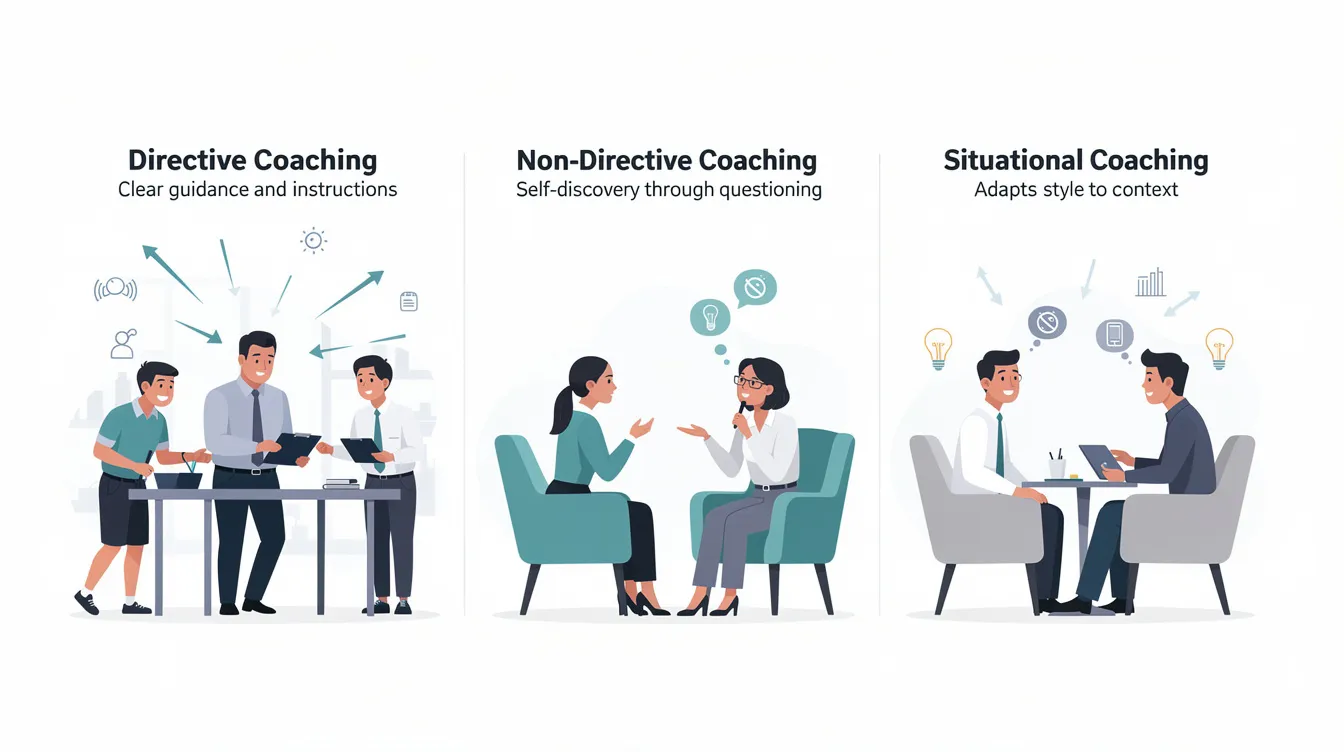
Coaching approaches generally fall into three categories: directive, non-directive, and situational coaching. Directive coaching involves the coach providing clear guidance and instructions, often used in workplace coaching or sports coaching where quick decision making is essential. Non-directive coaching encourages clients to explore their own solutions, fostering self-awareness and personal growth. Non-directive coaching facilitates self-discovery through active listening and questioning, assuming answers lie within the individual. Situational coaching adapts the style based on the client’s readiness and context, blending both directive and collaborative elements to achieve the best results.
Autocratic Coaching
The autocratic coaching style is characterized by a top-down, 'telling' approach where the coach maintains full control over decisions and strategies, providing specific instructions and setting clear expectations. This style is effective in high-pressure environments requiring quick decision making and clear structure, such as military or certain business contexts. Autocratic coaching is often used in situations requiring strict structure and discipline. However, it can reduce client autonomy and may not foster long-term personal growth. For short deadlines or crisis situations, autocratic coaching can be implemented quickly to achieve immediate results.
Authoritarian Coaching Style
Similar to autocratic coaching, the authoritarian style emphasizes strict goal orientation and discipline. It is suitable for environments where order and accountability are critical. Coaches using this style focus on achieving desired outcomes with clear expectations, often in sports coaching or leadership development scenarios.
Bureaucratic Coaching Styles
Bureaucratic coaching relies on established rules and hierarchical structures to guide client behavior. This style is common in regulated industries or organizations where compliance and safety are paramount. Coaches working within this framework ensure that clients understand their responsibilities and adhere to protocols, supporting organizational goals.
Democratic Coaching Style
The democratic coaching style emphasizes teamwork and gives clients the freedom to choose their own course of action while accepting full responsibility for results. It fosters a collaborative environment where both the coach and client share decision-making responsibilities. Techniques such as brainstorming and active listening encourage team input and ownership of personal and professional development. Democratic coaching encourages collaboration and allows clients to contribute ideas and take ownership of their development, fostering trust and accountability within the team. This style is widely used in leadership coaching and workplace coaching to build trust, accountability, and creative solutions. While autocratic coaching can be effective in situations requiring strict structure and discipline, democratic coaching is often more beneficial for long-term personal development and ownership of goals.
Laissez-Faire Coaching
The laissez-faire coaching style adopts a hands-off approach, granting clients significant autonomy to explore their own course. It works best with highly motivated and self-disciplined individuals who thrive without much supervision. Coaches using this style encourage clients to take responsibility for their progress, often seen in professional growth and personal development contexts.
Holistic Coaching Style
Holistic coaching looks at a client's entire life, recognizing that all aspects are interconnected and that changes in one area can affect others. This style integrates physical fitness, emotional aspects, and personal growth by viewing clients’ lives as interconnected systems. Holistic coaching approaches often incorporate mindful coaching styles and stress management techniques to enhance overall well-being and decision-making, making it ideal for clients seeking overall equilibrium. This coaching style is particularly beneficial for addressing work/life balance, as it helps clients maintain equilibrium across various life domains.
Intuitive and Mindful Coaching
Intuitive coaching uses the coach’s insight to surface hidden client challenges, while mindful coaching guides clients to present-moment awareness and self-reflection. These styles increase self-awareness and empower clients to navigate emotional and psychological barriers, promoting continuous learning and self-reflection.
Transformational Coaching
Transformational coaching focuses on deep identity shifts and long-term change. It helps clients overcome limiting beliefs and increase self-awareness through a collaborative relationship built on trust and vulnerability. This coaching style requires significant trust and vulnerability from both the coach and the client, facilitating a safe environment for exploration and change. Transformational coaching can assist individuals who want to undergo significant changes in their lives by focusing on their attitudes and perceptions rather than just their actions. It aims for deep, lasting change by inspiring clients to reshape their self-perception and live more authentically. This style is particularly effective during significant life transitions or professional transformation journeys.
Solution Focused Coaching
Centered on achieving rapid progress, solution-focused coaching uses structured frameworks like the OSKAR coaching model to clarify goals and explore actionable options. The OSKAR model stands for Outcome, Situation, Choices, Actions, and Review, and is used for addressing complex, long-term problems. Techniques such as the miracle question and scaling help clients focus on solutions rather than problems, encouraging goal setting and problem solving.
Positive Psychology Coaching
Positive psychology coaching builds on clients’ strengths and wellbeing through interventions like gratitude exercises and strengths assessments. It supports flourishing and resilience, often used in leadership development and personal growth to enhance overall life satisfaction.
Business Coaching and Career Coaching
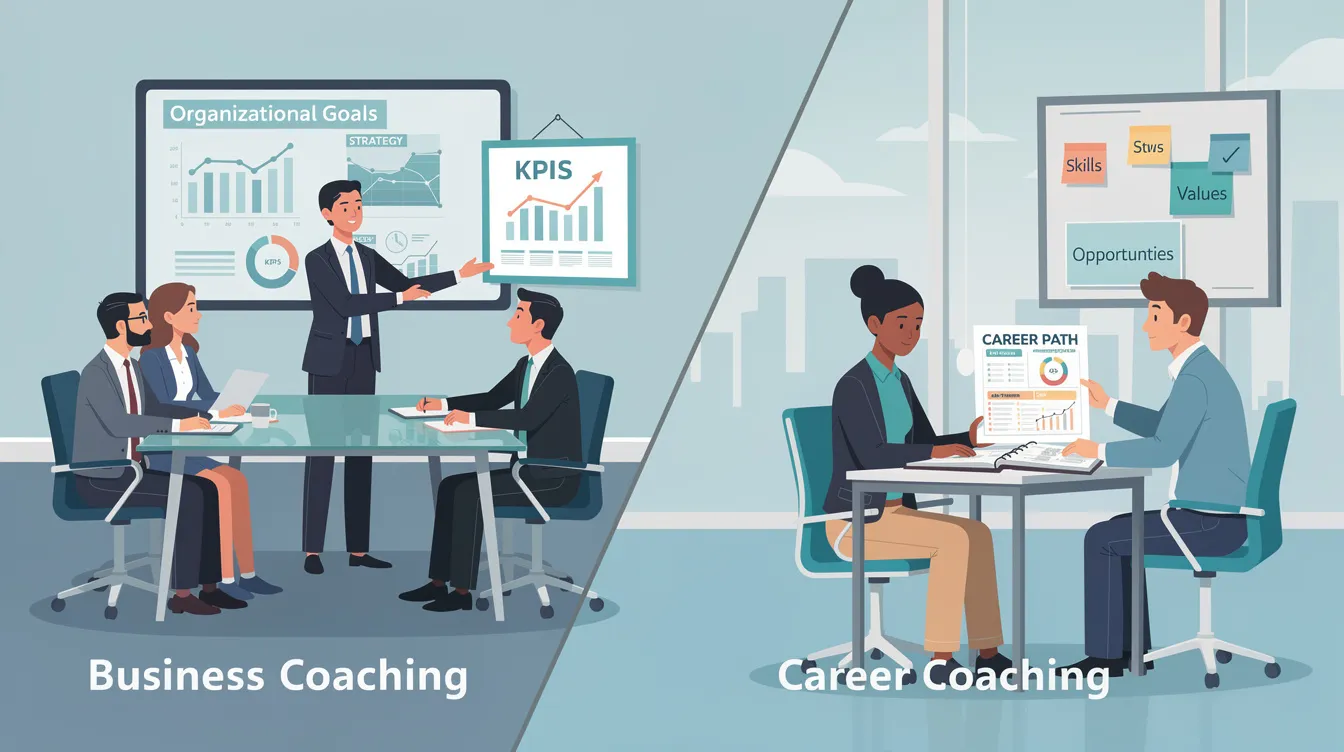
While business coaching aligns coaching sessions with organizational goals and strategic decision-making, career coaching helps clients navigate career paths, job transitions, and professional milestones. Both types contribute to professional growth but differ in focus and metrics for success.
Business Coaching
Business coaching supports leaders and teams in achieving organizational objectives by enhancing leadership skills and workplace performance. Coaches working in this area often use situational coaching and leadership coaching techniques to encourage creative solutions and increase productivity.
Career Coaching
Career coaching assists clients seeking to advance or change their careers by mapping development milestones and preparing them for transitions. It emphasizes self-awareness, goal setting, and professional transformation to empower clients in their coaching journey. Career coaching helps individuals navigate career paths, including entering the workforce, seeking a promotion, or shifting industries.
Professional Coaching
Professional coaching adheres to established standards and ethical boundaries, often requiring certification and supervision. Successful coaches continuously develop their skills and adapt their coaching style to meet diverse client needs, fostering a collaborative coaching process.
Effective Coaching Techniques
Every coaching session benefits from active listening, powerful questioning, and timely feedback. Coaches use these techniques to build rapport, provoke insight, and hold clients accountable for their commitments, helping them stay on course toward achieving desired outcomes.
CLEAR Model
The CLEAR coaching model provides a structured framework for goal-oriented coaching. It involves Contracting, Listening, Exploring, Action planning, and Reviewing, focusing on building trust and rapport and guiding coaches and clients through a systematic coaching process that supports continuous learning and professional growth.
Other Models and Tools
Additional coaching models such as GROW, OSKAR, and STEPPA offer versatile frameworks for different coaching contexts. The GROW model is a goal-oriented coaching framework that stands for Goal, Reality, Options, and Will. OSKAR emphasizes solution-focused progress. The STEPPA model integrates emotional and psychological factors into the coaching process, ensuring a comprehensive approach. The FUEL model stands for Focus, Understanding, Exploration, and Learning, designed to change behavior or improve performance.
Directive Coaching
Directive coaching provides specific guidance and solutions, which can be efficient in crisis situations or training new staff.
Coaching Techniques For Different Contexts
One-to-one coaching sessions allow for personalized attention and tailored interventions, while group and team coaching focus on enhancing collaboration and shared goals. Team coaching involves a single coach working with a group over a series of sessions, which may last from a short period to several months or years. Team coaching focuses on improving group collaboration and performance while working towards shared goals. Effective team coaching can lead to increased productivity and enhanced team dynamics, fostering a more cohesive work environment. Executive coaching is designed for senior leaders and C-suite executives, focusing on strategic thinking, high-stakes decision-making, and developing executive presence. Leadership development coaching targets managers or aspiring leaders, emphasizing soft skills such as motivating others and emotional intelligence.
Relationship coaching focuses on improving communication skills within professional, romantic, or family relationships.
Combining Styles and Choosing a Coaching Approach
Successful coaches often blend different coaching styles based on client readiness and situational needs. Experimenting with various approaches during the coaching journey helps refine the coaching relationship and optimize outcomes. Documenting style adaptations after each coaching cycle supports continuous improvement.
Implementing Coaching In Organizations
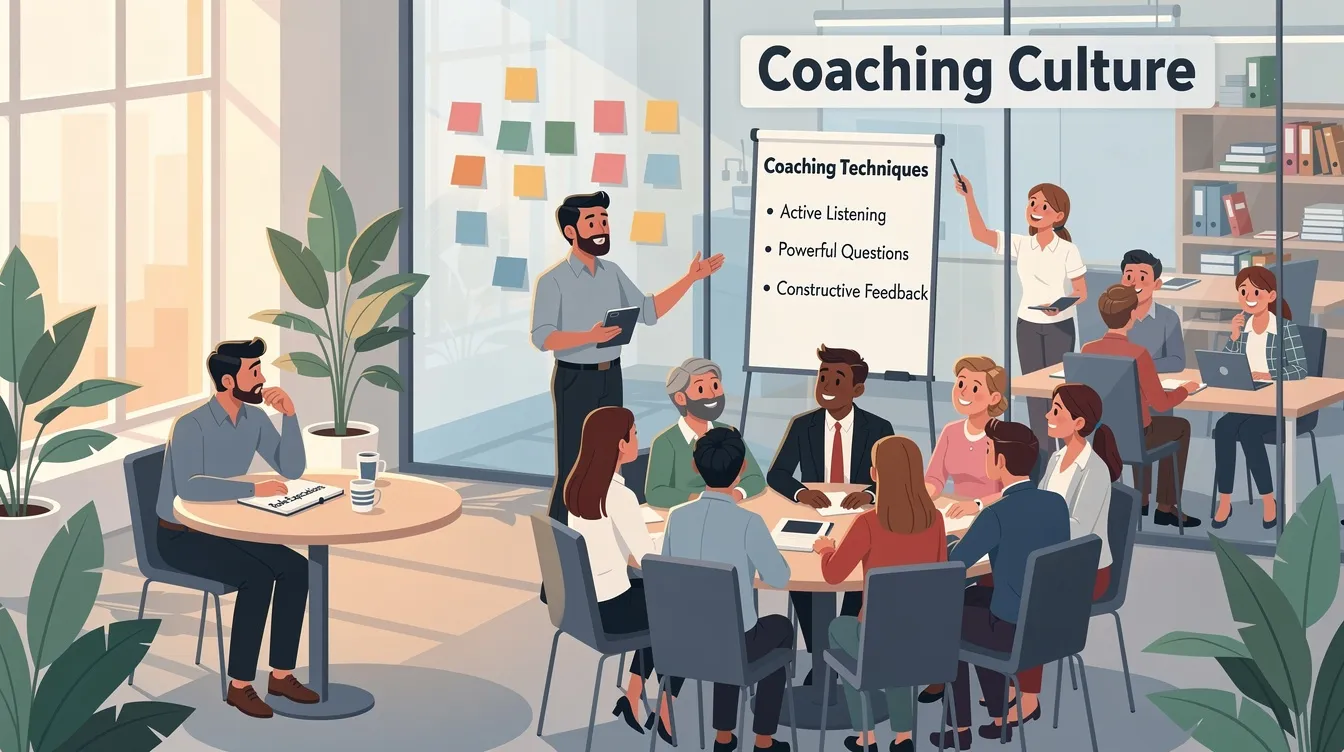
Organizations can pilot coaching programs with small teams, training managers in core coaching techniques and defining clear role expectations. Embedding coaching into organizational culture fosters a collaborative environment conducive to professional transformation and workplace coaching.
Measure Coaching Impact
Tracking key performance indicators linked to coaching goals, collecting qualitative client feedback, and conducting competency assessments before and after coaching interventions provide measurable evidence of coaching effectiveness.
Risks, Ethics, and Boundaries
Maintaining confidentiality and professional boundaries is essential. Coaches should recognize when client issues exceed the coaching scope and refer clients to appropriate professionals, ensuring ethical and responsible practice.
Resources and Next Steps
Aspiring coaches are encouraged to pursue certification pathways and explore further reading on positive psychology and coaching models. Planning a 90-day coaching skills improvement program can accelerate mastery and enhance the coaching process.
This guide offers a foundational understanding of coaching types and styles, equipping coaches and clients to embark on a successful coaching journey that empowers personal and professional growth through a holistic coaching approach and effective coaching methods.
Frequently Asked Questions (FAQs)
What are the different types of coaching?
There are many types of coaching, including life coaching, executive coaching, career coaching, health and wellness coaching, performance coaching, and team coaching. Each type focuses on specific goals and client needs, ranging from personal development to professional growth and organizational improvement.
How do coaching styles differ from coaching types?
Coaching types refer to the specific domain or focus area of coaching, such as leadership or career coaching. In contrast, coaching styles describe the approach or manner in which coaching is delivered, influenced by the coach’s personality, skills, and methods. For example, an autocratic style involves directive guidance, while a democratic style promotes client collaboration.
What is the autocratic style of coaching?
The autocratic style of coaching is a directive approach where the coach maintains full control over decisions and provides specific instructions. It is effective in high-pressure environments requiring quick decision-making but may limit client autonomy and long-term personal growth.
When is the democratic style of coaching most effective?
The democratic style of coaching works best when fostering teamwork and collaboration. It encourages clients to participate actively in decision-making and take ownership of their development, making it ideal for leadership coaching, workplace coaching, and situations requiring creative problem-solving.
How can team coaching improve group performance?
Team coaching focuses on enhancing collaboration and aligning team members around shared goals. Effective team coaching can lead to increased productivity, improved communication, and stronger team dynamics, creating a more cohesive and high-performing work environment.
What challenges might coaches discuss with clients?
Coaches often discuss challenges such as goal setting difficulties, motivation issues, work-life balance, communication barriers, and overcoming limiting beliefs. Addressing these challenges helps clients develop strategies for growth and improved performance.
How does holistic coaching benefit clients?
Holistic coaching considers the interconnectedness of all life areas, helping clients achieve balance and wellbeing. By incorporating mindfulness and stress management techniques, holistic coaching supports clients in managing physical, emotional, and professional aspects of their lives.
What techniques are commonly used in coaching sessions?
Common coaching techniques include active listening, powerful questioning, feedback and feedforward, and accountability measures. These tools help build trust, provoke insight, and maintain client commitment toward achieving desired outcomes.
How do coaching models like GROW and OSKAR assist coaches?
Coaching models provide structured frameworks to guide the coaching process. The GROW model focuses on setting goals and exploring options, while the OSKAR model emphasizes solution-focused progress. These models help coaches maintain clarity and effectiveness during sessions.
Can coaching styles be combined?
Yes, many coaches blend different coaching styles to suit client needs and situational contexts. For example, combining autocratic and democratic styles can balance structure with collaboration, enhancing coaching effectiveness for diverse clients.
How does coaching differ from mentoring?
Coaching helps clients find their own answers through guided questioning and exploration, focusing on current and future goals. Mentoring often involves sharing experience and providing advice based on the mentor’s expertise.
What role does trust play in transformational coaching?
Transformational coaching requires significant trust and vulnerability from both coach and client. This trust creates a safe environment for deep personal growth, self-discovery, and overcoming limiting beliefs, leading to lasting change.
How is coaching adapted for youth athletes?
Coaching youth athletes often involves a blend of autocratic and democratic styles to balance skill development with motivation and autonomy. Coaches consider age, maturity, and individual needs to foster growth while maintaining engagement and enjoyment.
What is the importance of measuring coaching impact?
Measuring coaching impact through key performance indicators and client feedback ensures coaching effectiveness. It helps coaches and organizations assess progress, refine methods, and demonstrate the value of coaching interventions.
How do coaches handle ethical boundaries?
Coaches maintain confidentiality, recognize the limits of coaching, and refer clients to appropriate professionals when issues exceed their scope. Upholding ethical boundaries ensures responsible and professional coaching practice.
Successful coaches often blend different coaching styles based on client readiness and situational needs. Experimenting with various approaches during the coaching journey helps refine the coaching relationship and optimize outcomes. Documenting style adaptations after each coaching cycle supports continuous improvement. For measurable progress and strategic clarity, work directly with Khalil Arouni to harness coaching styles tailored to your unique challenges. Ready to transform your approach? Solve one challenge in 60 minutes and unlock your potential.

0 comments