

Key Takeaways
-
Business coaching focuses on the business itself—strategy, revenue models, systems, and operations—while executive coaching focuses on the person leading it: their clarity, confidence, decision making, pressure, and leadership style.
-
Many Nigerian, Ghanaian, and diaspora leaders actually need confidential executive coaching space more than another business playbook or strategy workshop.
-
Executive coaching can yield a return on investment of up to 788%, while business coaching typically reports around 46%, reflecting their different focuses on personal effectiveness versus operational improvements.
-
Coaching is not therapy or counselling—it is a structured space for reflection, clarity, leadership development, accountability, and action.
-
If you recognise yourself in this article, explore Sterling Marketing & Coaching’s Leadership Coaching for West Africa approach or the executive coaching programme.
Introduction: Why This Question Matters for West African Leaders in 2026
You are publicly successful. Your LinkedIn tells a compelling story. But at 2 a.m., when the house is quiet, something feels unresolved.
Perhaps you are a Nigerian fintech CEO in London juggling investor pressure while sending remittances home. Maybe you are a Ghanaian family business owner in Accra pulled between expansion plans and elder expectations. Or a senior professional in Dubai debating a major career move that could change everything.
The question of executive coaching vs business coaching is more than a technical distinction. Choosing the wrong support wastes time, money, and energy—resources you cannot afford to spend carelessly in 2026.
Sterling Marketing & Coaching, led by Khalil Arouni, has evolved from being seen mainly as a business coaching brand into a practice centred on executive coaching for West African and diaspora leaders. This article will clarify why people confuse business coaching vs executive coaching, what each focuses on, and how to diagnose your real challenge.

Why So Many West African Leaders Confuse Business and Executive Coaching
The language around coaching, consulting, and mentoring blurs easily—especially on social media in Nigeria, Ghana, the UK, and the Gulf.
Common sources of confusion include:
-
“Business coach” is used for anyone advising entrepreneurs on marketing, sales, or mindset
-
Executive coaches sometimes advertise revenue growth results, making them look like business coaches
-
Corporate leadership programmes in West Africa often mix skills training, consulting, and coaching under one label
Many founders expect any coach to “tell them what to do with the business.” But executive coaching assumes the client already knows the business deeply. The value lies elsewhere.
Cultural nuances amplify this: respect for authority, reluctance to show vulnerability, and family expectations make leaders more comfortable asking for “business tips” than for help with confidence, boundaries, or pressure.
In West Africa, the rapid economic expansion creates a deficit in mid-to-senior management capable of handling complex macro-economic challenges. Leaders must choose the right type of support to navigate business growth and personal development effectively.
What Business Coaching Usually Focuses On (The Business Itself)
Business coaching typically emphasizes operational clarity and accountability, helping clients develop their own solutions through a collaborative relationship. The primary objective is to enhance overall organizational performance.
Business coaching focuses on improving the performance and structure of the business as an entity. Business coaching typically targets small business owners, entrepreneurs, and leaders responsible for daily operations.
Typical focus areas include:
|
Focus Area |
Example |
|---|---|
|
Business model and revenue streams |
Clarifying pricing and unit economics for a Lagos logistics startup |
|
Go-to-market strategy and sales processes |
Building a B2B pipeline for a Ghanaian SaaS venture |
|
Operations and business systems |
SOPs, dashboards, hiring plans for SMEs |
|
Business development |
Partnerships, channel expansion, productisation |
|
Sessions are often practical and tool-heavy—sometimes weekly, with homework around numbers, funnels, and operational changes. Deliverables include strategy decks, financial models, business processes documentation, and launch plans. |
|
Business coaching typically emphasizes operational clarity and accountability, helping clients develop their own solutions through a collaborative relationship. The primary objective is to enhance overall organizational performance and sustainable growth.
What Executive Coaching Focuses On (The Person Behind the Role)
Executive coaching focuses on leadership development and strategic vision for senior leaders, prioritizing individual leadership effectiveness and personal growth.
Executive coaching is about the human being who carries the title—founder, CEO, director, VP—not about fixing the business model.
Core focus areas for West African and diaspora leaders include:
-
Clarity: Making sense of competing priorities across countries and cultures
-
Confidence: Dealing with imposter feelings or fear of “disappointing the village”
-
Decision making: Choosing between staying in London versus returning to Lagos, or exiting versus doubling down
-
Leadership style: Delegation, difficult conversations, conflict management across cultures
-
Pressure and boundaries: Managing board, investor, family expectations without burning out
-
Work life balance: Navigating success abroad while staying rooted in West African values
Executive coaching uses questions, reflection, and practical frameworks to help leaders see blind spots and design new behaviours. Executive coaches tend to employ a reflective approach, fostering self awareness and personal growth.
The deliverables are often internal: better quality decisions, a clearer leadership narrative, new habits, and an action plan the leader truly owns.
Executive coaching is not therapy, counselling, or mental-health treatment. It is a structured space for reflection, clarity, leadership development, accountability, and action.
The Private Pressure Behind Public Success for West African and Diaspora Leaders
There is a gap between Instagram success and what happens when you cannot sleep.
Specific pressures for West African and diaspora leaders include:
-
Being the “hope of the family” after leaving Nigeria or Ghana for the UK, US, Canada, or the Gulf
-
Sending money home while funding a risky startup or corporate move
-
Navigating politics in organisations where hierarchy, age, and respect shape every decision
-
Balancing expectations from investors in London and family elders in Accra or Abuja
West African business environments have specific dynamics such as localised regulatory realities and highly hierarchical workplace structures. These pressures rarely appear on a P&L sheet but drive many decisions, conflicts, and leadership frustrations.
Business coaching may improve strategy but will not automatically address fear of failure, guilt, or over-responsibility sitting in the leader’s mind.
Executive coaching offers a confidential space where these realities can be spoken openly without judgement.

Why the Challenge Is Not Always the Business
Leaders often say “we need a better strategy” when the real constraint is about confidence, boundaries, or hard conversations.
Consider these patterns:
-
A Ghanaian tech founder with a solid product avoids firing a misaligned senior manager due to family ties—no business framework fixes that until the leadership issue is faced
-
A Nigerian CEO in London keeps changing business strategy every quarter because of anxiety, confusing the team despite strong fundamentals
-
A senior professional in Dubai knows the next step but is paralysed by fear of judgement from parents and community
In these cases, more business coaching or another strategy workshop simply adds information without shifting behaviour.
Executive coaching targets the upstream human factors: beliefs, habits, emotional triggers, and decision making patterns. Both business coaching and executive coaching aim to empower individuals through a collaborative relationship, fostering ownership responsibility.
Once internal constraints shift, leaders can use any business framework far more powerfully.
Why West African and Diaspora Leaders Need Confidential Thinking Space
Many successful leaders have few truly neutral spaces. Conversations happen with staff, investors, family, or friends—all with their own stakes.
Confidential executive coaching space is particularly valuable because:
-
Cultural respect dynamics make it hard to challenge elders, bosses, or investors openly
-
Fear of gossip in tight-knit communities—Lagos, Accra, or diaspora circles in London
-
A sense of responsibility: “I cannot show doubt; everyone is looking up to me”
An executive coach acts as a thinking partner, not a judge—listening, challenging, and holding space for uncomfortable questions about direction, identity, and priorities.
Executive coaching helps executives transition to transformational and servant leadership, building self awareness to encourage psychological safety and innovation.
Sterling Marketing & Coaching offers this kind of confidential professional coaching through its Leadership Coaching for West Africa approach.
What Executive Coaching Can Help With: Concrete Examples for West African Leaders
Here are specific issues executive coaching can support:
Confidence and leadership presence:
-
Regaining confidence after a failed funding round in Lagos or redundancy in London
-
Developing executive presence for board presentations with international investors
Decision making and strategic clarity:
-
Choosing between expanding into Ghana versus consolidating in Nigeria
-
Deciding whether to exit an existing business and accept a global role
Pressure and emotional load:
-
Handling the weight of being the “first to make it” in the family
-
Learning to manage stress without overworking or taking it out on the team
Leadership and accountability:
-
Moving from doing everything yourself to leading a senior team across countries
-
Improving team dynamics and holding people accountable in cultures where confrontation is avoided
Work life balance and family expectations:
-
Balancing parenting in London with regular travel to West Africa
-
Navigating spouse and extended family expectations around relocation
Career transition and career growth:
-
Shifting from corporate executive in Europe to startup founders in Lagos
-
Making sense of identity when “home” spans multiple continents
Personal growth and strategic thinking:
-
Clarifying non-negotiables around integrity and ambition
-
Designing a career aligned with both West African roots and global exposure
Executive coaching is particularly beneficial for high potential managers being groomed for executive roles, helping them develop necessary skills to step confidently into greater responsibility.

How Executive Coaching Turns Reflection into Practical Action
Insight without action changes little. Effective executive coaching produces concrete shifts in behaviour and results.
A typical coaching cycle with Sterling Marketing & Coaching looks like:
-
Clarify the real issue behind the presenting problem
-
Explore patterns in thinking, emotion, and behaviour keeping the issue in place
-
Co-create specific experiments—delegating one project fully, having a long-postponed conversation, blocking weekly thinking time
-
Review outcomes, learn, and iterate
Sessions translate conversations into clear commitments: what will you do in the next 7–14 days, how, and how will you measure it.
Practical tools include decision-making frameworks, reflection prompts, and leadership routines. Both business and executive coaching methodologies aim to empower clients, but executive coaching prioritises individual leadership effectiveness and personal development.
The executive coaching programme provides a structured container for this kind of high-impact reflection and action.
When to Choose Business Coaching
Choose business coaching when the main constraints are in the business model, systems, or market strategy—not in your behaviour or inner world.
Indicators that business coaching might be the right first step:
-
You lack a clear business model, pricing structure, or go-to-market plan
-
Revenue is stagnant because there is no sales process, marketing funnel, or basic operational efficiency
-
You need help building financial models and business processes to scale
-
You are a newer entrepreneur who has not mastered fundamentals of marketing, selling, and delivery
Business coaching typically reports a more modest ROI of around 46%, focusing on operational improvements and overall organizational performance.
A good business coach or business consultant will help you design offers, provide frameworks for business growth, and hold you accountable for implementing strategies.
Once basic business clarity is in place, executive coaching often becomes more valuable for sustaining growth—especially for leaders with teams and cross-border responsibilities.
When to Choose Executive Coaching
Choose executive coaching when you know “what to do” on paper, but something in you or your leadership keeps getting in the way.
Clear indicators that executive coaching is the right choice:
-
Your top three constraints involve behaviour, decisions, conflict, confidence, or boundaries—not funnels or pricing
-
You are leading a team and feel the weight of culture, expectations, and interpersonal dynamics
-
You are successful externally but privately feel stuck or under constant pressure
-
You struggle to switch off, delegate, or say no even when business performance looks healthy
-
You are at a crossroads and want a thinking partner, not another playbook
Executive coaching respects your expertise. It will not tell you how to run your business but will challenge how you think and lead. Integrating both executive coaching and business coaching can lead to significant improvements in leadership effectiveness and overall team dynamics—crucial for organizational success.
For many established West African and diaspora business leaders in 2026, executive coaching offers far higher ROI than another course or tactical business coach. Organisations that embed coaching into their culture often see 27% faster revenue growth than peers.
If you recognise yourself here, explore the Leadership Coaching for West Africa page or the executive coaching programme.
How Sterling Marketing & Coaching Supports the Person Behind the Role
Sterling Marketing & Coaching’s philosophy centres on supporting the person behind the role—not just business performance.
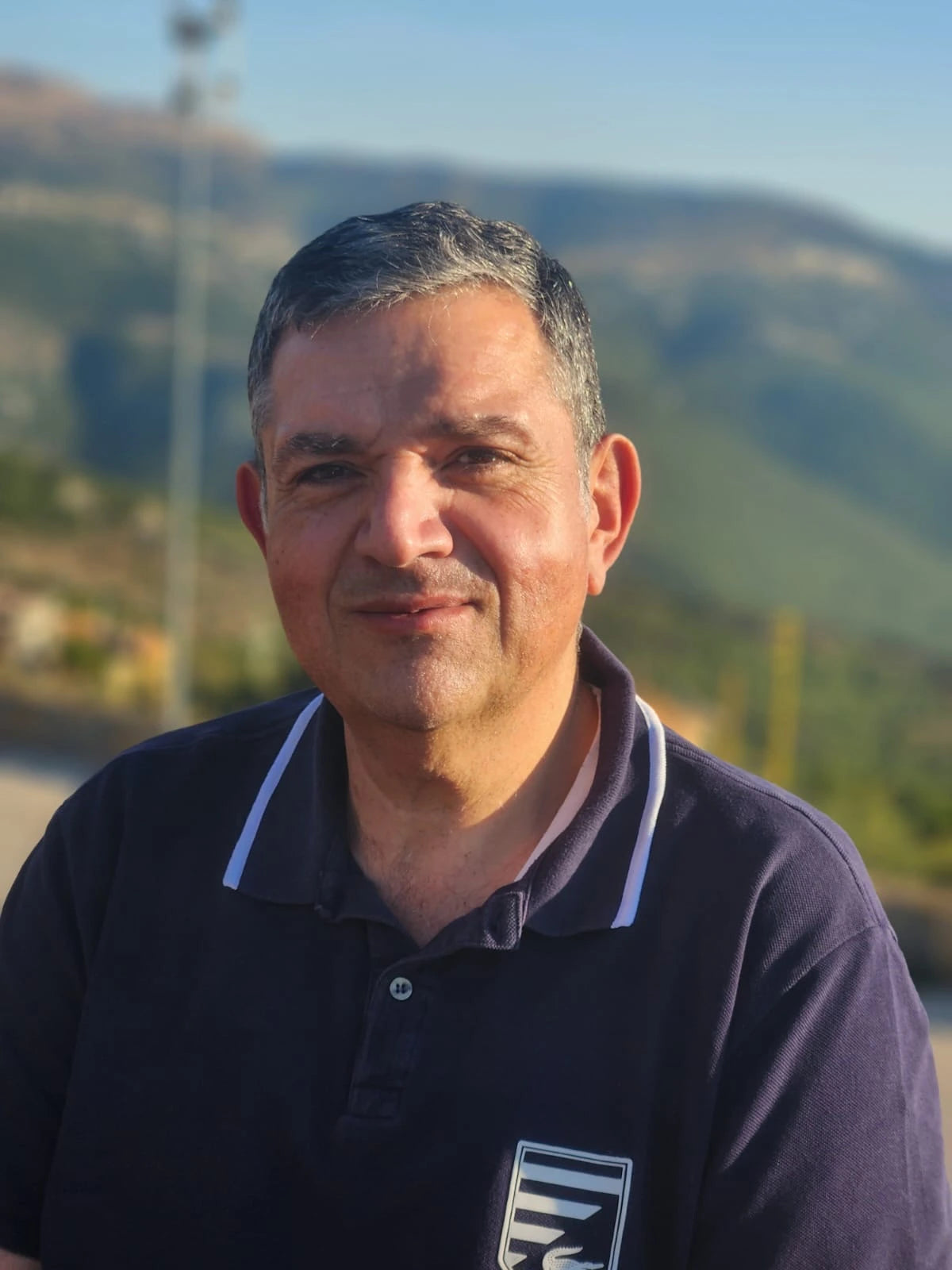
Khalil Arouni brings experience working with West African founders, CEOs, senior professionals, and diaspora leaders. His practice has shifted from being viewed mainly as business coaching to focusing on executive and leadership coaching.
Distinctive elements of Sterling’s coaching practice include:
-
Context-specific understanding of West African cultures, diaspora dynamics, and multi-country careers
-
Balance of strategic vision and deep reflection, anchored in practical action
-
Strong respect for confidentiality around family, money, and reputation-sensitive topics
The executive coaching programme structure:
-
One-to-one sessions (60–90 minutes, typically biweekly or monthly)
-
Clear focus defined at start: confidence, decision making, transition, leadership, or direction
-
Check-ins, reflection prompts, and agreed actions between sessions
Executive coaching is often more structured and shorter in duration, typically lasting 6-12 months, while business coaching can extend over several years as businesses evolve.
Many effective coaches in West Africa offer a blended approach to both executive and business coaching. The My Best Friend book provides an additional reflective resource for leaders wanting to deepen self-understanding outside sessions.
Business Coaching vs Executive Coaching: A Simple Diagnostic for West African Leaders
Use this quick diagnostic this week to decide where to start.
Exercise:
-
Write down your top three current constraints for 2026
-
For each, label it “business” (model, market, systems, revenue) or “leadership/self” (confidence, decisions, pressure, people, identity)
Interpretation:
-
Two or three “business” constraints → Consider starting with business coaching or consulting
-
Two or three “leadership/self” constraints → Executive coaching is generally the better first step
-
Mixed → Ask: Which, if solved, would unlock the most others? Often, this points to executive coaching
Be brutally honest. Do not automatically default to external problems when internal patterns may be the real blocker.
86% of companies report that coaching strengthened their succession pipeline and executive bench strength, indicating significant impact on organizational performance and long term success. Employee engagement and team performance improve when senior leader development is prioritised.
Ready for guided clarity? Book a discovery conversation through the executive coaching programme page.
Conclusion: Choosing the Right Coaching Support for the Next Season
Business coaching focuses on the business: systems, business strategy, revenue and operations. Executive coaching focuses on the person: clarity, confidence, decisions, leadership, pressure, boundaries, and direction.
Many West African and diaspora leaders in Nigeria, Ghana, the UK, Europe, the Gulf, Canada, and the US already know enough strategy. What they often lack is a confidential space to gain self awareness, think clearly, and act decisively.
Pause. Reflect on your real constraint. Choose coaching that matches it rather than following trends or generic advice.
Your next steps:
-
Explore the Leadership Coaching for West Africa page for an overview of the approach
-
Ready for confidential one-to-one work? Enrol or enquire via the executive coaching programme
Leadership is a long journey. Seeking the right coach is a sign of strength, not weakness.

Frequently Asked Questions
This FAQ addresses common questions West African and diaspora leaders ask about business and executive coaching.
Is executive coaching the same as therapy or counselling?
Executive coaching is not therapy, counselling, or any form of clinical mental-health treatment. Therapy focuses on healing, diagnosis, and mental-health conditions, often exploring past experiences in depth.
Executive coaching is future-focused: it supports reflection, clarity, decision making, leadership development, accountability, and action. If you are dealing with significant mental-health challenges, a therapist or psychiatrist is more appropriate. Coaching can sometimes complement therapy separately, but the two serve different purposes.
Can I work with both a business coach and an executive coach?
Many leaders benefit from both, often at different stages or in a clear sequence. Start where the main constraint lies: if fundamentals like pricing and sales are missing, business coaching may come first. If behaviour and pressure are the bottlenecks, executive coaching is the better starting point.
Avoid starting several intensive coaching programs at once—this dilutes focus and creates overwhelm. If using both, ensure the coaches understand their distinct roles and you are clear on priorities for each engagement.
How long does effective executive coaching usually take to show results?
Many executives notice shifts in clarity and emotional intelligence within the first 2–3 sessions, especially when they complete reflection and actions between meetings. A typical engagement lasts 3–6 months with 60–90 minute sessions biweekly or monthly.
The pace of personal and organizational growth depends on issue depth, leader openness, and consistency of action. Executive coaching creates lasting shifts in how you think, decide, and lead—not just quick motivational highs.
Do I need to be in Nigeria or Ghana to work with Sterling Marketing & Coaching?
No. Sterling Marketing & Coaching works with corporate leaders across Nigeria, Ghana, the UK, Europe, the Gulf, Canada, and the US. Most executive coaching sessions are conducted online via video, suiting busy travel schedules and multi-country lives.
What matters most is shared understanding of West African and diaspora context, not physical location. Review the Leadership Coaching for West Africa page and executive coaching programme for next steps.
How do I know if Khalil Arouni is the right executive coach for me?
Visit the Khalil Arouni page to understand his background, approach, and experience with West African and diaspora leaders. Alignment of values, communication skills, and expectations is crucial for an effective coaching relationship.
Book an initial exploratory conversation through the executive coaching programme page to experience his style directly. Come to that call with 1–2 real challenges you want to explore—you will quickly sense whether the partnership feels safe, challenging, and useful for your coaching needs.
0 comments