

Introduction to Executive Coaching: Unlocking Leadership Capabilities
An executive leadership coach is a professional who possesses a combination of strong interpersonal qualities and practical business skills to effectively support leaders in their development. Executive coaching is a personalized and strategic approach designed to enhance leadership capabilities and drive superior business outcomes for senior leaders and C-suite executives. By partnering with an executive leadership coach, leaders gain tailored guidance that supports their growth, decision-making, and ability to navigate complex challenges in today’s dynamic business environment.
This guide is designed for senior leaders, C-suite executives, and high-potential individuals seeking to maximize their leadership impact. Executive leadership coaching is essential for navigating complex business challenges and achieving sustainable growth.
Executive coaching services provide a confidential and supportive space where leaders can engage in self-reflection, increase self-awareness, and develop a clear vision for their professional and organizational goals. Research shows that coaching senior leaders significantly increases the likelihood of successful transformation, with over 70% improvement in leadership effectiveness and business impact.
Benefits of Working with Executive Coaches for Leadership Development
Skill Development
Working with expert coaches offers senior leaders a unique opportunity to develop a diverse range of leadership skills, including:
-
Strategic thinking
-
Problem-solving
-
Conflict resolution
-
Effective decision-making
These skills are essential for enhancing leadership presence and fostering a culture of trust and collaboration within organizations.
Emotional Intelligence
-
Coaching rapidly hones essential leadership skills such as emotional intelligence (EI), leading to increased empathy and better relationship management.
-
Enhanced EI creates a more supportive and productive work environment.
Team Impact
-
Executive coaching sessions support high-potential individuals and seasoned leaders alike, helping them overcome personal challenges and unlock their full potential.
-
Coached leaders inspire and motivate, improving their own effectiveness and driving higher job satisfaction, increased employee engagement, and reduced turnover rates across their teams.
-
Through these coaching sessions, leaders build confidence, improve communication, and cultivate the resilience needed to inspire and motivate their teams to achieve exceptional results.
Finding the Right Coach for C-Suite Executives: A Critical Step

Selecting the right coach is a vital component of a successful executive coaching journey, especially for C-suite executives who face unique pressures and responsibilities. The right executive leadership coach will have deep expertise in coaching senior leaders and a proven track record of delivering measurable results.
Top leaders should seek coaches who create a safe and supportive environment for honest self-reflection and growth. This partnership enables executives to develop the skills and confidence required to tackle tough decisions, manage stakeholder relationships, and drive sustainable business outcomes.
What to Expect from a Coaching Session: A Collaborative Experience
A typical coaching session with an executive leadership coach is a collaborative and interactive process. The coach works closely with the client to:
-
Identify areas for development
-
Set actionable goals
-
Devise strategies that align with the leader’s vision and organizational objectives
Virtual coaching sessions offer flexibility and convenience, allowing busy executives to engage with their coach from anywhere in the world. These sessions often cover topics such as leadership development, team dynamics, strategic planning, and personal challenges, supported by tools like assessments and 360-degree feedback to provide new insights and perspectives.
Leadership Development through Expert Coaches: Building Future-Ready Leaders
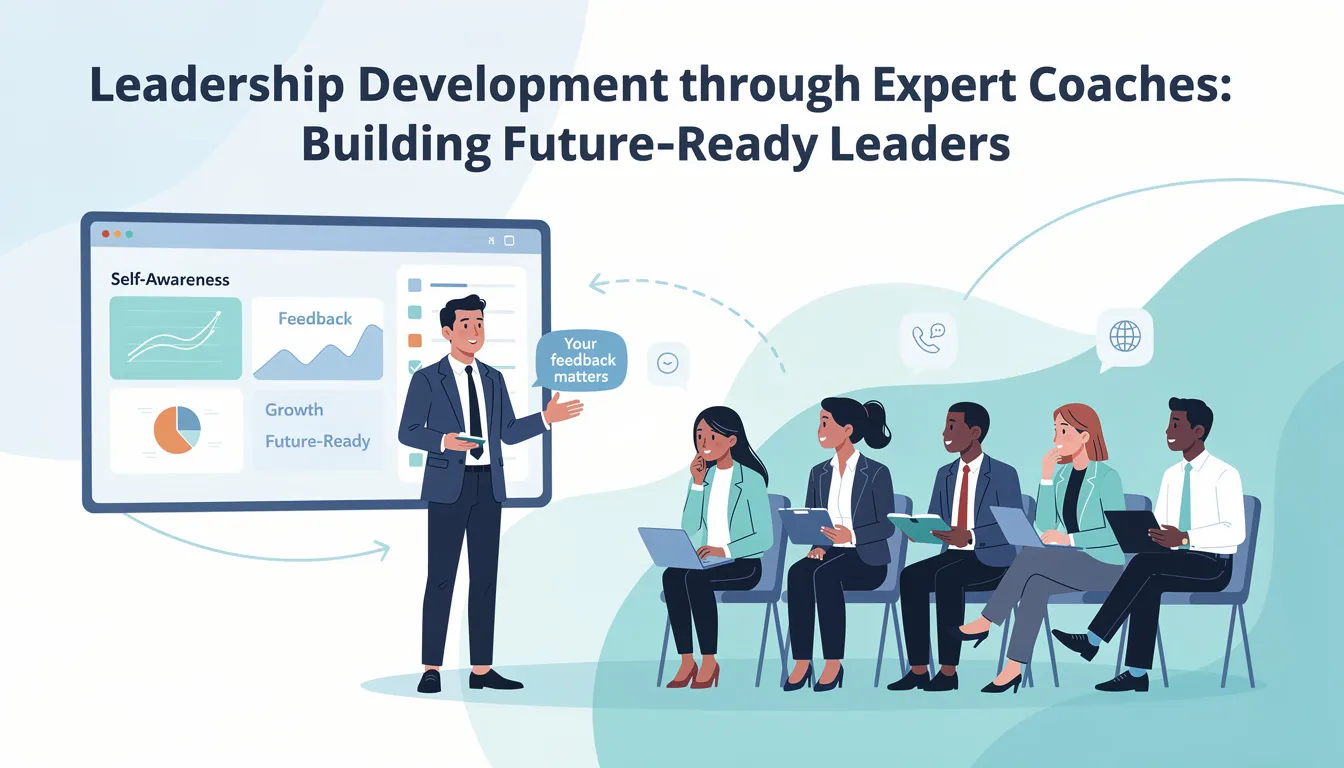
Expert coaches play a pivotal role in leadership development by guiding senior leaders through a journey of self-discovery and skill enhancement. Through executive coaching services, leaders gain a stronger sense of self-awareness, enabling them to recognize their strengths and areas for improvement.
A skilled executive leadership coach provides constructive, non-judgmental feedback, creating a supportive environment where leaders feel safe to explore challenges and opportunities. Importantly, effective coaches are also open to receiving feedback themselves, fostering a collaborative and transparent coaching relationship.
This development process helps leaders build stronger relationships with their teams, key stakeholders, and clients, fostering improved communication and collaboration. By working with an executive leadership coach, leaders acquire the expertise needed to drive business outcomes and sustain long-term success.
The executive coaching process is a dynamic partnership that evolves alongside the leader’s career, adapting to new challenges and growth opportunities. To ensure accountability and continuous improvement, coaching sessions are often recorded or documented, allowing both coach and leader to track progress and reflect on development over time.
Overcoming Personal Challenges: Building Resilience and Confidence

Executive coaching provides a safe and supportive environment for senior leaders to explore and overcome personal challenges such as:
-
Self-doubt
-
Imposter syndrome
-
Burnout
Coaches help leaders identify blind spots and develop strategies to enhance their emotional intelligence and resilience. By addressing these personal challenges, leaders build the confidence necessary to navigate complex business environments and lead their organizations toward sustainable growth and success.
Building a Global Network: Expanding Influence and Opportunities
In today’s interconnected world, building a global network is essential for senior leaders seeking to expand their influence and access new opportunities. Executive coaching services equip leaders with the skills and strategies needed to cultivate and maintain relationships across diverse cultures and geographies.
Coaching helps leaders navigate cultural and linguistic differences, enabling effective communication and collaboration with colleagues and clients worldwide. A strong global network enriches leaders’ perspectives and enhances their ability to drive business outcomes in a competitive global marketplace.
Driving Organisational Change: Leading with Vision and Agility
Driving organizational change is a complex challenge that requires strong leadership, clear vision, and strategic planning. Executive coaching supports senior leaders in developing the skills necessary to lead change initiatives successfully, including:
-
Effective communication
-
Stakeholder engagement
-
Collaboration
Coaches assist leaders in overcoming resistance to change and building momentum for transformation efforts. Through executive coaching, leaders develop the agility and adaptability required to respond to evolving market conditions and achieve sustainable results.
Executive Coaching Services: Tailored Support for Leadership Excellence
Personalized Support for Business Leaders
Executive coaching services are designed to provide personalized support that enables business leaders to unlock their full potential and excel in their roles. These services connect senior leaders and C-suite executives with certified coaches who bring extensive coaching experience and deep understanding of leadership challenges across various industries.
Assessment and Goal Setting
-
Comprehensive assessment phase using tools such as 360-degree feedback, personality assessments, and performance data
-
Actionable insights for leaders to reflect on their career goals, assess strengths and blind spots, and focus on key areas for professional development
Flexible Coaching Programs
-
Virtual sessions and in-person meetings tailored to meet the unique needs of each leader
-
Highly effective and flexible coaching journey
Ongoing Support and Mentoring
-
Incorporation of mentoring and ongoing support beyond individual sessions
-
Sustained growth and embedding of new leadership behaviors within organizations
By working closely with expert coaches, leaders enhance their emotional intelligence, decision-making skills, and ability to lead transformational change. Ultimately, executive coaching services empower leaders to navigate complex business environments, build resilient teams, and drive sustainable results that contribute to their organization's success.
Effectiveness of Executive Coaching
Executive coaching has proven to be a highly effective tool for enhancing leadership capabilities and driving measurable business results. Key benefits include:
-
Identification of unconscious biases and development of strategies to manage risks more effectively
-
Heightened awareness and risk management capability, leading to better, more informed decision-making
-
86% of organizations report a positive return on investment (ROI) after engaging in executive coaching sessions
-
96% of leaders who have experienced executive coaching express a willingness to engage in coaching again
-
56% of leaders report noticeable improvements in leadership effectiveness after coaching
-
91% of leaders achieve higher goal attainment post-coaching
-
Adoption by 40% of Fortune 500 companies, illustrating the strategic importance of coaching for leadership development
Overall, executive coaching not only enhances individual leadership skills but also contributes significantly to improved business outcomes, sustainable growth, and the cultivation of a resilient and adaptive leadership culture within organizations.
Empowering Senior Leaders: Unlocking Potential for Business Success
Empowering senior leaders is critical for fostering a high-performance culture and achieving business goals. Executive coaching helps leaders develop the confidence and leadership presence needed to empower their teams, inspire innovation, and drive exceptional results.
By investing in executive coaching services, organizations can cultivate leadership capabilities that support long-term growth and competitive advantage. Empowered leaders are better equipped to navigate challenges, make strategic decisions, and lead their organizations to success in an ever-changing business landscape.
Frequently Asked Questions (FAQs) about Executive Leadership Coaching
What is executive leadership coaching?
Executive leadership coaching is a personalized development process where a certified coach works one-on-one with senior leaders and C-suite executives to enhance their leadership capabilities, decision-making skills, and overall effectiveness. It is designed to support leaders in navigating complex business challenges, improving emotional intelligence, and driving sustainable business outcomes.
Who can benefit from executive coaching services?
Executive coaching is beneficial for senior leaders, including C-suite executives, VPs, directors, and high-potential individuals poised for leadership roles. It is especially valuable for those facing significant organizational changes, career transitions, or seeking to develop specific leadership skills and overcome personal challenges.
How do I find the right executive leadership coach?
Finding the right coach involves considering factors such as the coach’s experience with senior leaders, industry knowledge, coaching style, and certifications (e.g., ICF credentials). Chemistry between the coach and client is crucial; an initial consultation or trial session can help determine if there is a good fit for open communication and trust.
How are executive coaching sessions conducted?
Coaching sessions can be conducted virtually or in-person, depending on the leader’s preferences and availability. Virtual sessions offer flexibility and convenience, allowing leaders to engage with their coach from anywhere in the world. Sessions typically last between 45 to 90 minutes and focus on the leader’s goals, challenges, and development areas.
How often should coaching sessions take place?
The frequency of coaching sessions varies based on individual needs and objectives. Some leaders prefer weekly sessions for intensive development, while others opt for bi-weekly or monthly meetings to allow time for reflection and application of new insights. Coaches and clients collaborate to establish a schedule that supports sustained progress.
What qualifications should an executive leadership coach have?
An effective executive leadership coach typically holds professional certifications such as the International Coaching Federation’s PCC or MCC credentials and has extensive coaching experience, often exceeding 2,000 coaching hours. Many coaches also have prior leadership experience at senior levels, enabling them to understand the unique pressures and complexities faced by executives.
In addition to formal qualifications, a top coach possesses a high degree of self-awareness and empathy, which helps build a strong foundation of trust and rapport with their clients. This emotional intelligence enables coaches to navigate their own emotions and the complex interpersonal dynamics within the executive's environment effectively. Great coaches also have a deep understanding of their own strengths, weaknesses, and biases, allowing them to manage their reactions and maintain objectivity throughout the coaching relationship.
A skilled executive leadership coach works collaboratively with leaders to define clear, measurable, and achievable goals, holding them accountable for making consistent progress. This goal-oriented approach ensures that the coaching journey delivers tangible results aligned with both personal development and organizational objectives.
Coaches are often matched with executives based on specific criteria such as language, industry expertise, and personal preferences to ensure a strong fit and maximize the effectiveness of the coaching engagement. Furthermore, the impact of executive coaching is significantly enhanced when the coach has a thorough understanding of the strategic and operational context of the organization they are working with, enabling them to provide relevant insights and guidance tailored to the leader’s environment.
How is confidentiality maintained in executive coaching?
Confidentiality is a foundational element of the coaching relationship. Coaches adhere to strict ethical standards to ensure that all discussions remain private and secure, creating a safe space where leaders can openly explore challenges and opportunities without fear of judgment or disclosure.
What outcomes can I expect from executive coaching?
Leaders who engage in executive coaching can expect:
-
Improved leadership effectiveness
-
Enhanced emotional intelligence
-
Better decision-making
-
Stronger relationships with teams and stakeholders
Research shows that executive coaching leads to measurable improvements in business results, increased confidence, and the ability to drive transformational change.
Can executive coaching help with personal challenges?
Yes, executive coaching addresses both professional and personal challenges that impact leadership performance. Coaches support leaders in managing stress, overcoming self-doubt, and building resilience, enabling them to maintain focus and lead with confidence in demanding environments.
How do I measure progress during the coaching journey?
Progress is typically measured through a combination of:
-
Self-assessments
-
360-degree feedback
-
Goal attainment tracking
-
Regular review sessions with the coach
These tools help leaders and coaches assess development, adjust strategies as needed, and ensure the coaching engagement delivers sustainable results.
Is executive coaching suitable for virtual delivery?
Absolutely. Many executive coaching services are delivered virtually, leveraging video conferencing and digital tools to provide flexible, accessible coaching regardless of geographic location. Virtual coaching maintains the same level of confidentiality, personalization, and effectiveness as in-person sessions.
How long does an executive coaching engagement usually last?
The length of coaching engagements varies widely depending on the leader’s goals and organizational needs. Typical programs range from 3 to 12 months, with some leaders opting for ongoing coaching relationships to support continuous growth and adaptation throughout their careers.
What is the difference between a coach and a mentor?
While both coaches and mentors support leadership development, coaching focuses on facilitating self-discovery, goal setting, and skill development through a structured, confidential partnership. Mentoring often involves sharing specific industry knowledge and advice based on the mentor’s experience. Executive leadership coaches help leaders explore new perspectives and develop their own solutions rather than providing direct answers.
Can executive coaching improve organizational culture?
Yes, by enabling leaders to develop behaviors such as accountability, open communication, and empathy, executive coaching helps foster a culture of trust, collaboration, and innovation within organizations. Leaders equipped with coaching skills can also promote a coaching mindset throughout their teams, enhancing overall organizational effectiveness.
How do I get started with executive coaching?
To get started with executive coaching, follow these steps:
-
Identify your leadership development needs and desired outcomes.
-
Research and connect with certified executive leadership coaches or executive coaching services that align with your industry and goals.
-
Schedule an initial consultation to discuss your objectives and determine the best coaching approach for you.

0 comments