

Introduction to Leadership Development
Leadership development is at the heart of every successful organization, providing the foundation for leaders to develop the skills and insights needed to overcome complex business challenges and drive sustainable growth. By investing in leadership development, organizations empower their leaders to build essential leadership capabilities such as strategic thinking, decision making, and emotional intelligence. These capabilities are crucial for creating a high-performing leadership team that can adapt to change, inspire others, and deliver results.
A well-designed leadership development program goes beyond generic training by aligning with the unique culture, goals, and vision of the organization. This tailored approach ensures that leadership development initiatives not only enhance team effectiveness and customer satisfaction but also contribute directly to business success. As leaders develop new skills and deepen their understanding of the business, they become better equipped to create a positive organizational culture, foster innovation, and achieve long-term success. Ultimately, leadership development is an investment in people that pays dividends across every level of the organization.
Key Takeaways
-
Leadership development consultants help organizations assess leadership gaps, design custom programs, and build future-ready leaders using proven methodologies and behavioral science.
-
A core outcome of working with leadership development consultants is to develop leaders who can shape organizational culture, build effective leadership teams, and ensure long-term business success in complex and competitive environments.
-
These consultants offer services including executive coaching, succession planning, team effectiveness programs, and cultural transformation initiatives with measurable ROI of up to 415% annually.
-
Transformational leadership is a key approach used by consultants to empower leaders to drive organizational change, foster innovation, and create a culture of growth and adaptability.
-
Modern leadership development consulting incorporates emerging technologies like AI analytics, VR simulations, and blended learning approaches to maximize engagement and skill retention.
-
Successful consultant partnerships require clear goal alignment, comprehensive assessment processes, and ongoing measurement of behavioral change and business impact. Leaders need to be adaptable, resilient, and open to change, and consultants help develop these qualities through targeted development and self-awareness initiatives.
-
Top consultants focus on developing critical skills including emotional intelligence, adaptability, strategic thinking, and communication while ensuring leadership pipeline continuity.
In today’s rapidly evolving business landscape, organizations face unprecedented challenges in developing effective leaders who can navigate uncertainty, drive innovation, and deliver results. With 73% of companies reporting significant leadership gaps and the accelerating pace of change demanding new skills, leadership development has become a critical business imperative rather than a nice-to-have initiative.
Leadership development consultants have emerged as strategic partners helping organizations bridge these capability gaps and build sustainable competitive advantage through human capital development. These specialized professionals bring deep expertise in behavioral science, organizational psychology, and proven methodologies to transform leadership culture and create lasting business success.
This comprehensive guide explores everything you need to know about leadership development consultants, from their core services and methodologies to measuring ROI and selecting the right partnership for your organization’s unique needs.
What Are Leadership Development Consultants

They are specialized professionals who partner with organizations to assess, design, and implement comprehensive strategies that bridge the gap between current leadership capabilities and future business requirements through data-driven approaches. Unlike generic training providers, these consultants bring a strategic focus that aligns leadership development with business strategy and organizational goals.
These experts serve as architects of transformation, working closely with senior executives and leadership teams to identify talent development opportunities, design customized learning experiences, and create sustainable leadership pipelines. A core focus is to develop leaders who can shape organizational culture and drive long-term business success. Their role extends far beyond traditional training delivery – they function as strategic advisors who understand both the technical aspects of leadership development and the complex organizational dynamics that influence success.

What distinguishes effective leadership development consultants is their ability to combine deep expertise in behavioral science with practical business experience. Many top consultants possess 65+ years of collective industry experience and proven track records of developing leaders across Fortune 500 companies. This combination of theoretical knowledge and real-world leadership experience enables them to provide insights needed for authentic transformation rather than surface-level skill building. Leaders need to be adaptable, resilient, and open to change to navigate today’s complex and rapidly evolving environments, and consultants help cultivate these essential qualities.
The value proposition these consultants bring centers on creating systematic approaches to developing effective leaders who can adapt to new challenges, inspire teams, and drive business results. Many consultants leverage transformational leadership principles to empower leaders to drive change and foster innovation. They focus on developing critical competencies including emotional intelligence, strategic thinking, decision making, and the ability to lead through uncertainty while building organizational culture that supports continuous learning and growth.
Key Components of Effective Leadership
Effective leadership is built on a foundation of self-awareness, emotional intelligence, and strategic thinking. Leaders who possess these qualities are able to identify opportunities, navigate uncertainty, and make informed decisions that drive business results. Leadership development programs that focus on these key components help organizations cultivate effective leaders who can inspire teams and deliver on strategic objectives.
Developing effective leaders requires a comprehensive approach that includes leadership training, coaching, and mentoring. Senior executives play a pivotal role in shaping the leadership culture, setting the tone for commitment to continuous development and high performance. By prioritizing the development of critical leadership skills—such as communication, collaboration, and problem-solving—organizations create an environment where leaders are empowered to drive business results and foster a culture of success. This commitment to leadership development ensures that organizations are equipped to meet new challenges and maintain a competitive edge.
Core Services Offered by Leadership Development Consultants
Executive Assessment and Coaching
Assessment Tools and Techniques
Leadership development consultants provide comprehensive leadership assessments using sophisticated diagnostic tools including 360-degree feedback mechanisms, psychometric evaluations, and behavioral analysis to identify leadership potential and specific development needs. These assessments go beyond surface-level performance reviews to examine motivation patterns, decision-making styles, competency-based strengths, and alignment with organizational requirements.
The assessment process creates a deeper understanding of each leader’s capabilities, preferences, and growth opportunities while providing objective data to guide development planning. Consultants employ proprietary tools and validated instruments to ensure assessments deliver reliable insights that inform targeted development strategies rather than generic recommendations.
Executive Coaching Programs
One-on-one executive coaching programs represent a cornerstone service, offering highly personalized development experiences tailored to individual leader needs and organizational context. These coaching relationships address critical areas including emotional intelligence enhancement, communication effectiveness, conflict resolution, and the development of new behaviors that support leadership effectiveness and team performance.
Executive coaching extends to supporting new leaders during critical transition periods, with customized development plans designed to improve business outcomes within the first 90-180 days. This onboarding support recognizes that early leadership experiences significantly impact long-term effectiveness and helps new executives establish credibility while navigating complex organizational dynamics.
Succession Planning and Leadership Pipeline Development
Modern organizations require systematic approaches to leadership continuity, making succession planning a critical consulting service. Leadership development consultants design and implement CEO and senior executive succession planning processes that focus on comprehensive candidate assessment and the development of diverse talent pipelines to ensure organizational resilience.
These consultants create inclusive, fair, and credible selection processes for critical leadership roles while establishing clear criteria and evaluation frameworks that align with organizational values and strategic direction. The succession planning process involves identifying high-potential employees early in their careers and providing targeted development opportunities that prepare them for future leadership responsibilities.

Career Pathing and Talent Readiness
The pipeline development approach includes career pathing strategies that help high-potential individuals understand advancement opportunities while providing organizations with visibility into talent readiness for key roles. This systematic approach supports both individual career goals and organizational leadership continuity requirements.
Long-term leadership pipeline development ensures organizations maintain a steady flow of capable leaders while reducing talent gaps during transitions. Consultants work with organizations to create systematic identification and development processes that nurture leadership capabilities across multiple organizational levels, from frontline leaders to c suite executives.
Team Effectiveness and Organizational Culture
Leadership development consultants measure and enhance team dynamics, styles, and performance factors that impact senior leadership team effectiveness and broader organizational performance. This involves comprehensive assessment of how leadership teams function together, make decisions, and create alignment around strategic priorities.
Team effectiveness services include advisory support on team formation, role definition, and organizational structure to improve alignment with business strategy and operational requirements. Consultants help leadership teams clarify accountabilities, improve communication patterns, and develop collaborative approaches that leverage diverse strengths and perspectives.
A critical factor for organizational success is having an organizational culture that is closely aligned with the strategic direction of the business. Organizations that will be most successful actively cultivate cultures that support their strategic imperatives, ensuring that leadership behaviors and team dynamics reinforce business goals. Leadership development plays a key role in this alignment by equipping leaders with the skills and mindset needed to embody and drive the desired culture.
Using proprietary organizational culture frameworks and diagnostic tools, leadership development consultants help organizations identify their current cultural styles and design target cultures that best support their strategic priorities. This diagnostic approach enables organizations to understand underlying beliefs, values, and behaviors that influence effectiveness and employee engagement.
Leadership development is essential to ensure those at the helm of the organization are well equipped to navigate complex challenges and lead with confidence. By focusing on developing high-performing senior leadership teams, organizations enhance their ability to execute strategy, foster innovation, and achieve breakout success. Sustaining these high-performing teams requires ongoing development efforts that reinforce alignment between leadership capabilities, team effectiveness, and company culture.
Cultural Assessment and M&A Support
Cultural assessment represents a sophisticated consulting capability that identifies current organizational culture while designing target cultures aligned with business imperatives and strategic direction. These assessments examine underlying beliefs, values, and behavioral patterns that influence organizational effectiveness and employee engagement.
Merger and acquisition support addresses the complex challenges of cultural integration and unified leadership team formation during organizational transitions. Consultants provide expertise in navigating cultural differences, establishing new operating norms, and creating shared leadership approaches that support successful integration and business continuity.
The Importance of Continuous Learning in Leadership Development Programmes

Continuous learning is a cornerstone of any successful leadership development program. In today’s fast-paced business environment, leaders at all levels—from frontline leaders to senior executives—must continually develop new skills to stay ahead of emerging trends and evolving challenges. Leadership development programs that incorporate continuous learning opportunities, such as virtual learning modules, action-learning projects, and workplace-based experiences, enable leaders to build confidence, adapt to change, and drive innovation.
By fostering a culture of continuous learning, organizations ensure that leaders develop the agility and resilience needed to respond to shifting business conditions. This ongoing development not only helps leaders stay effective in their roles but also supports the growth of mid-level leaders and prepares them for future leadership responsibilities. Ultimately, continuous learning empowers leaders to develop the skills required for business success, enhances organizational performance, and drives long-term innovation.
The Role of Emotional Intelligence in Leadership Development

Emotional intelligence is a vital element of leadership development, enabling leaders to understand and manage their own emotions as well as those of their teams. Leaders with strong emotional intelligence are better equipped to build trust, communicate effectively, and foster positive relationships within their organizations. This capability is essential for creating a healthy organizational culture, driving employee engagement, and improving team performance.
Training provided by leadership development consultants focuses on a wide range of critical skills beyond emotional intelligence, including strategic thinking, decision-making, conflict resolution, and change management. These comprehensive programs equip leaders with the diverse capabilities needed to navigate complex business environments successfully.
By proactively building a pipeline of capable and adaptable leaders, organizations become better positioned to manage uncertainty and capitalize on emerging market opportunities. Leadership development consultants play a key role in this process, helping businesses identify and cultivate leaders who can respond effectively to evolving challenges.
Engaging with leadership development consultants creates a ripple effect throughout the entire organization. Strong leadership positively impacts job satisfaction, boosts employee morale, and reduces turnover rates, contributing to a more stable and motivated workforce.
Moreover, leadership roles have evolved significantly in recent years. Modern leaders are more inclusive and collaborative, emphasizing the empowerment of teams and encouraging open communication. This shift supports the development of high-performing teams and fosters an organizational culture grounded in trust and shared purpose.
Incorporating emotional intelligence and these critical leadership skills into development programs helps organizations cultivate leaders who are empathetic, adaptable, and capable of driving sustained business success. This holistic approach not only enhances individual leadership effectiveness but also strengthens the collective leadership capacity essential for long-term organizational growth.
Decision Making and Leadership
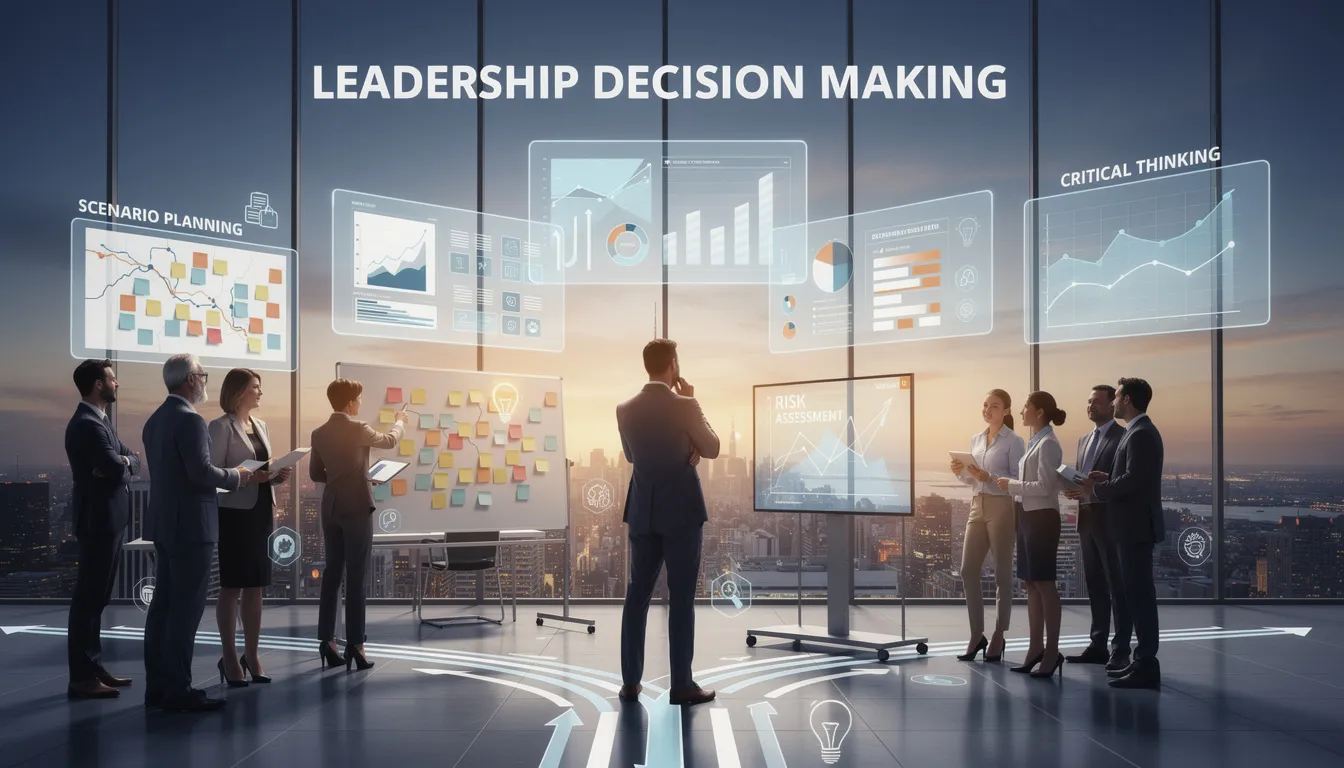
Decision making is a critical skill for leaders, requiring the ability to analyze information, consider diverse perspectives, and make choices that drive business results. Effective leaders are those who can confidently navigate uncertainty, identify opportunities, and implement solutions that support organizational goals. Leadership development programs that emphasize decision-making skills—such as scenario planning, risk assessment, and critical thinking—equip leaders to make informed decisions in complex situations.
By prioritizing decision making in leadership development, organizations create a culture where leaders are empowered to take initiative, innovate, and drive business success. This focus not only builds leaders’ confidence but also encourages a proactive approach to problem-solving and continuous improvement. As leaders develop their decision-making abilities, they contribute to a dynamic and resilient organization that is well-positioned to achieve its strategic objectives.
How Leadership Development Consultants Assess and Design Programs
The assessment and design process begins with comprehensive organizational analysis including business strategy review, leadership gap identification, and extensive stakeholder interviews to understand current state and desired outcomes. This diagnostic phase ensures that leadership development initiatives align with strategic priorities and address genuine organizational needs rather than perceived problems.
Leadership development consultants employ proprietary diagnostic tools and validated frameworks to measure current leadership capabilities against future requirements and industry best practices. These assessments examine multiple dimensions including individual competencies, team dynamics, organizational culture, and systemic factors that influence leadership effectiveness.
The assessment process typically involves interviews with senior leaders, focus groups with high-potential employees, surveys measuring leadership effectiveness and employee engagement, and analysis of organizational performance metrics. This multi-faceted approach provides comprehensive understanding of strengths, opportunities, and priorities for development focus.
Custom program design incorporates adult learning principles, behavioral science research, and “design for adoption” methodology to ensure learning experiences create lasting behavioral change rather than short-term skill awareness. Consultants recognize that effective leadership development requires sustained behavior modification supported by organizational systems and reinforcement mechanisms.
The design phase typically spans 6-12 weeks for comprehensive programs and involves collaborative planning sessions with organizational stakeholders to ensure alignment with business priorities and practical implementation requirements. This timeline allows for thorough analysis, stakeholder input, and careful design of learning experiences that address specific organizational context and challenges.
Program design includes identification of learning objectives, selection of appropriate methodologies, development of measurement approaches, and creation of support systems that reinforce skill application in daily work contexts. The focus remains on creating experiences that leaders learn through practical application rather than theoretical instruction.
Methodologies and Approaches Used by Leadership Development Consultants
Behavioral Science and Evidence-Based Approaches
Leadership development consultants integrate cutting-edge behavioral science research into program design to maximize adoption and sustainable behavior change among participants. This scientific foundation distinguishes professional consulting from generic training approaches and ensures interventions address the psychological and social factors that influence leadership effectiveness.
Evidence-based methodologies focus on daily habit formation and contextual learning within existing work routines rather than isolated training events. Consultants understand that lasting leadership development occurs through repeated practice and reinforcement in real work situations, requiring program design that supports gradual skill building over time.
The integration of cognitive psychology and neuroscience insights enhances learning retention and skill application by aligning development approaches with how adults actually learn and change behavior. This includes understanding motivation patterns, addressing resistance to change, and creating safe space for experimentation and growth.
Consultants employ proven frameworks for enabling leaders to develop new habits and integrate learning into their daily leadership practices. This approach recognizes that sustainable change requires systematic reinforcement and support systems that extend beyond formal training sessions.
Blended Learning and Technology Integration
Modern leadership development consulting incorporates comprehensive blended learning approaches that combine on-site workshops, virtual learning modules, individual coaching sessions, and experiential learning opportunities to maximize engagement and skill development. This multi-modal approach recognizes that different leaders learn most effectively through different channels and experiences.
Virtual reality simulations provide safe environments for practicing complex leadership skills including communication, decision making, and crisis management without real-world consequences. These immersive experiences allow leaders to experiment with new approaches and receive immediate feedback on their leadership choices and behaviors.
AI-powered analytics enable predictive assessment and personalized development recommendations based on individual learning patterns, skill gaps, and organizational requirements. These technologies support more precise development planning and help identify opportunities for accelerated skill building.
Gamification elements including leadership simulations, scenario-based exercises, and progress tracking systems enhance engagement while providing structured opportunities for skill practice and application. These elements create motivation for continuous learning while making development experiences more engaging and memorable.
Action Learning and Real-World Application
Action-learning projects connect leadership development directly to actual business challenges and strategic initiatives, ensuring that learning experiences create immediate business value while building leadership capabilities. This approach transforms development from academic exercise into practical business tool.
Mentoring and coaching programs pair developing leaders with senior executives and experienced leaders who provide practical guidance, share insights needed for advancement, and offer ongoing support for skill application. These relationships create networks that support long-term development and career advancement.
Peer learning circles and cross-functional project teams facilitate collaborative skill development while addressing real organizational challenges and opportunities. This approach builds relationships across organizational boundaries while creating shared learning experiences that reinforce new leadership approaches.

The focus on real-world application ensures that leaders develop practical skills they can immediately apply in their roles while contributing to organizational success. This approach creates direct connection between development investment and business results while enhancing buy in from participants and their supervisors.
Measuring Success and ROI of Leadership Development Consulting
Leadership development consultants provide specific ROI metrics demonstrating measurable business impact, with comprehensive programs typically generating 29% return on investment within the first 3 months and achieving 415% annualized ROI through improved leadership effectiveness and organizational performance.
Key performance indicators include:
-
Employee satisfaction scores
-
Team productivity metrics
-
Revenue growth
-
Retention rates of top talent
-
Customer satisfaction improvements
These metrics provide objective evidence of program impact and support continued investment in leadership development initiatives.
Pre- and post-program assessments measure behavioral change, skill application, and leadership effectiveness improvements using validated instruments and 360-degree feedback mechanisms. The use of 360-degree feedback is particularly valuable as it enhances self-awareness among leaders by providing comprehensive insights from multiple perspectives. This holistic feedback enables leaders to understand their impact more deeply and identify specific areas for meaningful change and development.
Comprehensive feedback collection employs multiple methodologies including surveys, focus groups, individual interviews, and ongoing observation to guide continuous program enhancement and ensure development approaches remain relevant and effective. Post-session evaluations are an essential part of this process, as they gauge participant engagement and collect suggestions for improvement, helping consultants refine leadership development programs to better meet learning objectives and organizational needs.
Long-term impact measurement tracks career progression of program participants, succession readiness improvements, and organizational culture changes that support sustainable leadership excellence. These longer-term metrics demonstrate the cumulative value of leadership development investment and guide strategic decisions about future development priorities.
Organizations that cultivate high-performing senior leadership teams through these development efforts are more likely to realize breakout success. Strong leadership teams foster collaboration, strategic alignment, and innovation, all of which contribute to superior business outcomes.
The measurement process also includes assessment of skill transfer and behavioral application in daily work contexts to ensure that development experiences create lasting change rather than temporary improvement. This focus on application ensures that organizations realize maximum value from their leadership development investment.
Emerging Trends in Leadership Development Consulting

Artificial intelligence and predictive analytics are transforming talent identification and development pathway optimization, enabling consultants to provide more precise recommendations for individual development and succession planning. These technologies analyze performance patterns, behavioral indicators, and career trajectories to identify high-potential leaders and optimize development strategies.
Virtual and augmented reality applications create immersive leadership training experiences for soft skills development including communication, negotiation, and conflict resolution. These technologies provide realistic practice environments where leaders can experiment with new approaches without risk while receiving immediate feedback on their effectiveness.
There is increasing emphasis on emotional intelligence and mindfulness training to help leaders develop stress management capabilities, self awareness, and the ability to maintain effectiveness during high-pressure situations. This focus recognizes that technical skills alone are insufficient for leadership success in complex, fast-paced business environments.
Digital leadership skills have become essential competencies as organizations adapt to hybrid work environments and digital transformation initiatives. Leadership development consultants now focus extensively on developing capabilities for managing virtual teams, building company culture across distributed workforces, and leveraging technology to enhance rather than hinder team effectiveness.
The post-2020 business environment has accelerated focus on adaptive leadership capabilities that enable leaders to navigate uncertainty, lead through change, and maintain team performance during disruption. Consultants increasingly emphasize resilience building, change management skills, and the ability to maintain organizational momentum during periods of uncertainty.
Remote team management and virtual culture building have become specialized consulting areas as organizations recognize that traditional leadership approaches require adaptation for hybrid work environments. This includes developing new communication strategies, building trust across distances, and creating engagement in virtual team settings.
Choosing the Right Leadership Development Consultant
Essential selection criteria include demonstrated industry experience, proven methodologies with measurable results, comprehensive client testimonials, and documented success stories that align with your organizational needs and challenges. The most effective consultants combine theoretical expertise with practical leadership experience in similar organizational contexts.
Cultural fit and alignment with organizational values represent critical factors that often determine consulting success beyond technical capabilities. The consultant’s approach, communication style, and values should complement your organizational culture while challenging leaders to grow and develop new capabilities.

The evaluation process should include structured consultant interviews focusing on their experience with similar challenges, detailed reference checks with previous clients, and requests for pilot program proposals that demonstrate their approach and capabilities. This comprehensive evaluation ensures you select consultants who can deliver meaningful results for your specific situation.
Investment considerations vary significantly based on program scope, duration, number of participants, and complexity of organizational challenges. Typical engagements range from individual executive coaching relationships to comprehensive organizational transformation initiatives, with costs reflecting the depth and breadth of services provided.
When evaluating potential consultants, focus on their commitment to measurement and continuous improvement, their ability to customize approaches to your specific needs, and their track record of creating sustainable change rather than short-term improvement. The best consultants view their role as long-term partners in organizational development rather than short-term service providers.
Consider consultants’ expertise with emerging trends and technologies relevant to your industry and organizational context. The most effective partnerships involve consultants who stay current with leadership development innovations while maintaining focus on proven approaches that deliver consistent results.
Frequently Asked Questions (FAQs)
What do leadership development consultants do?
Assess leadership gaps and identify talent development needs within organizations. Design customized leadership development programs aligned with business strategy. Deliver executive coaching, team effectiveness workshops, and succession planning support. Use behavioral science and data-driven methods to foster sustainable leadership growth. Help build leadership pipelines across multiple organizational levels, from frontline to senior executives.
How can leadership development consultants improve my organization?
Enhance leadership skills such as emotional intelligence, strategic thinking, and decision making. Increase team effectiveness and collaboration among senior leadership teams. Align organizational culture with strategic goals to support business success. Develop a steady pipeline of capable leaders to ensure business continuity. Provide measurable ROI through improved employee engagement, productivity, and retention.
What types of leadership development programs are available?
Executive coaching tailored to individual leader needs and organizational context. Succession planning programs to identify and prepare future leaders. Team effectiveness workshops focusing on communication, role clarity, and collaboration. Blended learning approaches combining virtual modules, in-person sessions, and experiential projects. Technology-enhanced training using AI analytics, virtual reality simulations, and gamification.
How do consultants measure the success of leadership development initiatives?
Track key performance indicators (KPIs) such as employee satisfaction, retention, and productivity. Use 360-degree feedback and behavioral assessments before and after programs. Collect participant feedback through surveys, interviews, and focus groups. Monitor leadership behavior changes and application in daily work. Measure long-term impact on succession readiness, organizational culture, and business results.
What should I look for when choosing a leadership development consultant?
Proven experience and success in similar industries or organizational contexts. Use of evidence-based methodologies and behavioral science principles. Ability to customize programs to align with your company’s culture and goals. Strong client references and documented case studies demonstrating ROI. Commitment to ongoing measurement, feedback, and continuous improvement.
Can leadership development consultants help with remote or hybrid teams?
Yes, consultants design programs that address virtual team management challenges. Focus on building trust, communication, and engagement across distributed teams. Incorporate digital leadership skills needed for hybrid work environments. Use technology-enabled learning to provide flexible and accessible development options.
How long does a typical leadership development program last?
Program length varies depending on scope and organizational needs. Comprehensive programs often span 6 to 12 weeks, including assessments and coaching. Ongoing development and reinforcement are recommended for sustained impact. Some initiatives include shorter workshops or modules for targeted skill building.
Are leadership development programs suitable for mid-level leaders?
Absolutely, programs can be tailored to develop mid-level leaders’ skills and confidence. Focus on preparing mid-level leaders for increased responsibilities and strategic roles. Support continuous learning and career growth aligned with organizational talent strategies.
What are the emerging trends in leadership development consulting?
Increased use of AI and predictive analytics for talent identification and personalized learning. Adoption of virtual and augmented reality for immersive leadership skill practice. Emphasis on emotional intelligence, mindfulness, and resilience training. Integration of gamification to boost engagement and motivation. Focus on adaptive leadership skills to navigate uncertainty and change.
How do leadership development consultants support organizational culture change?
Conduct cultural assessments to identify current and target culture styles. Align leadership behaviors with desired cultural values and business strategy. Facilitate leadership team alignment and role clarity to reinforce culture. Support change management initiatives during mergers, acquisitions, or transformations. Help embed continuous learning and innovation as core cultural elements.

0 comments