

Introduction
This guide provides a comprehensive marketing strategy blueprint for jewellery brands. Marketing encompasses the activities a company undertakes to promote and facilitate the buying or selling of its products or services, involving advertising and other promotional strategies aimed at reaching consumers and organizations. This guide is designed for jewellery brand owners, marketing managers, and entrepreneurs seeking to grow their business. In a competitive market, a well-crafted marketing strategy is essential for standing out and achieving sustainable growth. Effective marketing strategies can yield significant benefits for a company, including attracting and retaining new customers, enhancing brand image, and ultimately propelling business growth.
The Four Ps of Marketing
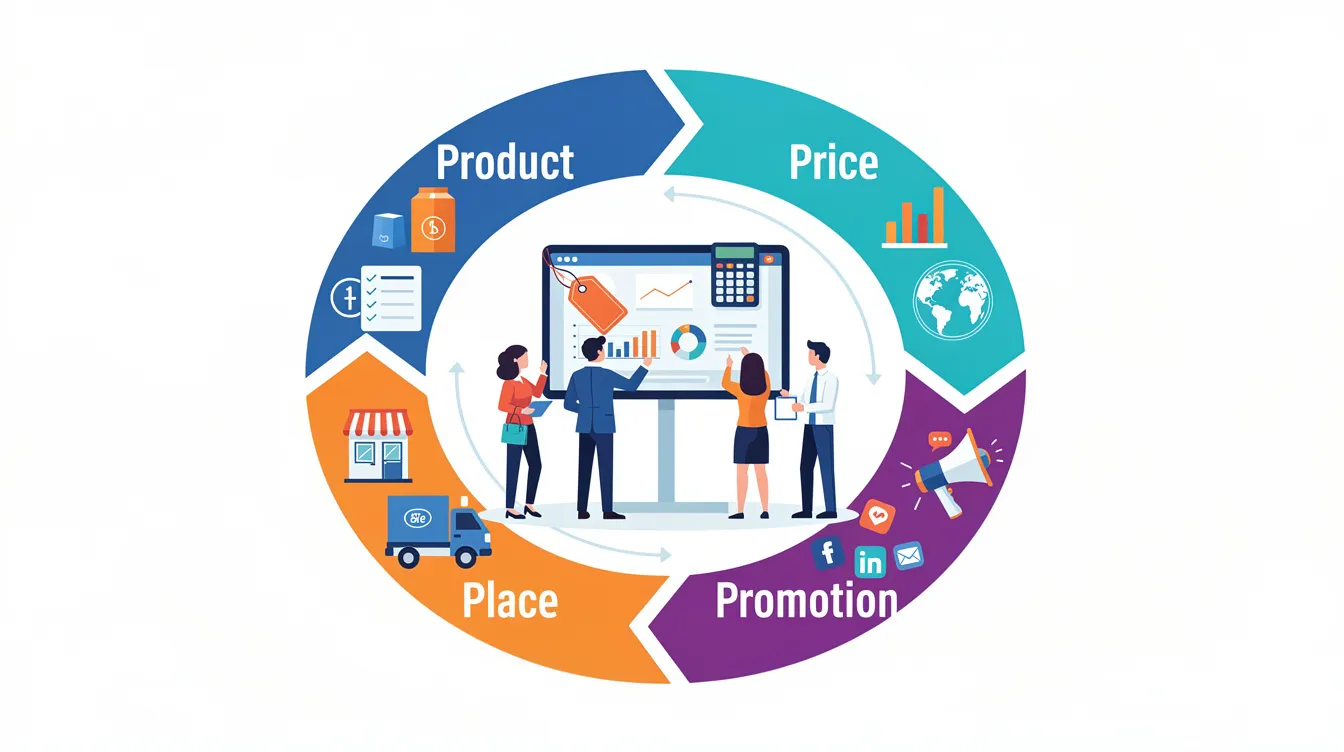
A robust marketing strategy is built on the Four Ps of marketing: Product, Price, Place, and Promotion. These essential elements work together to create a cohesive plan that meets customer needs and business objectives. The 5 Ps framework includes Product, Price, Promotion, Place, and People to structure a marketing plan. While the Four Ps focus on the core elements of marketing, the 5 Ps expand this by including 'People,' emphasizing the importance of customer service and team members in delivering value.
Product
Your jewellery collections should solve a customer's problem or fulfill a need, which is critical for defining a unique value proposition. Emphasizing the use of hypoallergenic materials, ethical sourcing, and artisan craftsmanship in handmade jewellery differentiates your brand in a crowded marketplace. Highlighting these qualities appeals to conscious consumers, builds trust, and encourages repeat purchases and positive word-of-mouth.
Price
Price is the amount a company charges for its products and must be competitive while considering costs and market conditions. Setting prices strategically ensures profitability without alienating customers. Integrated marketing strategies align pricing with promotion and distribution to maintain consistency and support business goals. Pricing should reflect the perceived value of your jewellery, balancing affordability with the premium nature of handcrafted, ethically sourced pieces.
Place
Place refers to the distribution channels through which your jewellery is sold, including both physical stores and online platforms. Selecting the right distribution channels ensures your products reach your target audience conveniently, enhancing customer experience and sales. Consider the importance of seamless omnichannel experiences, where customers can browse online and purchase in-store or vice versa, providing flexibility and increasing satisfaction.
Promotion
Promotion encompasses all activities a company undertakes to communicate the benefits of its products to potential customers. Effective promotion strategies include:
-
Social media marketing
-
SEO (Search Engine Optimization)
-
Pay-per-click advertising
-
Content marketing
-
Advertising
-
Public relations
-
Sales promotions
Tailoring promotional messages to highlight unique product features and seasonal offers can significantly boost customer interest and brand visibility.
With a strong foundation in the Four Ps, the next step is to understand your target audience and develop detailed buyer personas.
Target Audience and Buyer Personas
Understanding Your Audience
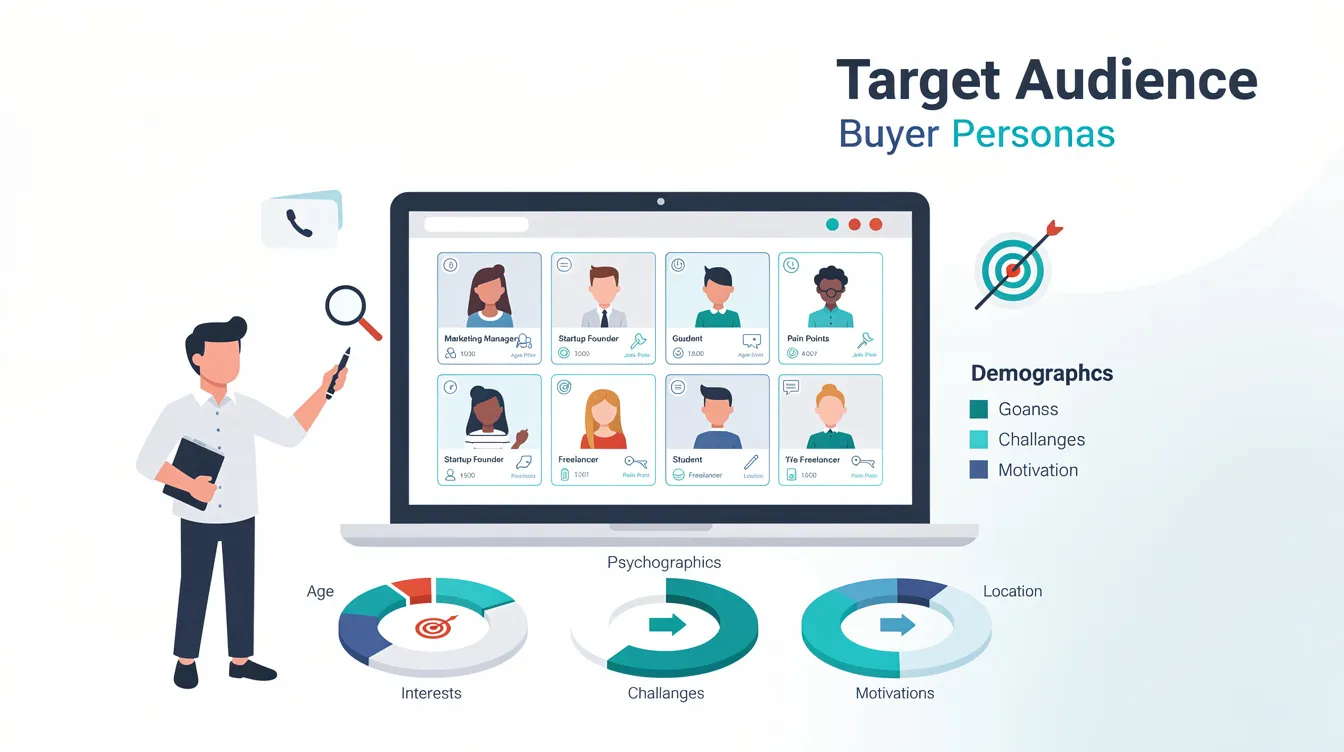
Effective marketing begins with thorough market research using surveys and reports to understand where your audience spends time and what influences their purchasing decisions. This insight helps tailor messages that resonate deeply. Understanding customer preferences, such as style trends and buying motivations, allows brands to craft targeted campaigns that speak directly to their needs and desires.
Defining Buyer Personas
Buyer personas are detailed profiles of ideal customers, including demographics, interests, and pain points, used to tailor marketing messaging effectively. Develop detailed buyer personas that represent your ideal customers, capturing demographics, interests, and pain points. Mapping their buyer journey across online and offline channels identifies key touchpoints for engagement. These personas serve as a guide for creating personalized marketing content and selecting the most effective communication channels to maximize reach and impact.
Prioritizing Segments
Focus on high-value clients with strong brand loyalty and nurture emerging segments for future growth, balancing customer acquisition and retention efforts. Prioritizing segments also means allocating resources efficiently to areas with the greatest return on investment, ensuring sustainable business growth and long-term customer relationships.
Understanding your audience and buyer personas sets the stage for effective brand positioning and product focus.
Brand Positioning and Product Focus
Crafting a Unique Selling Proposition (USP)
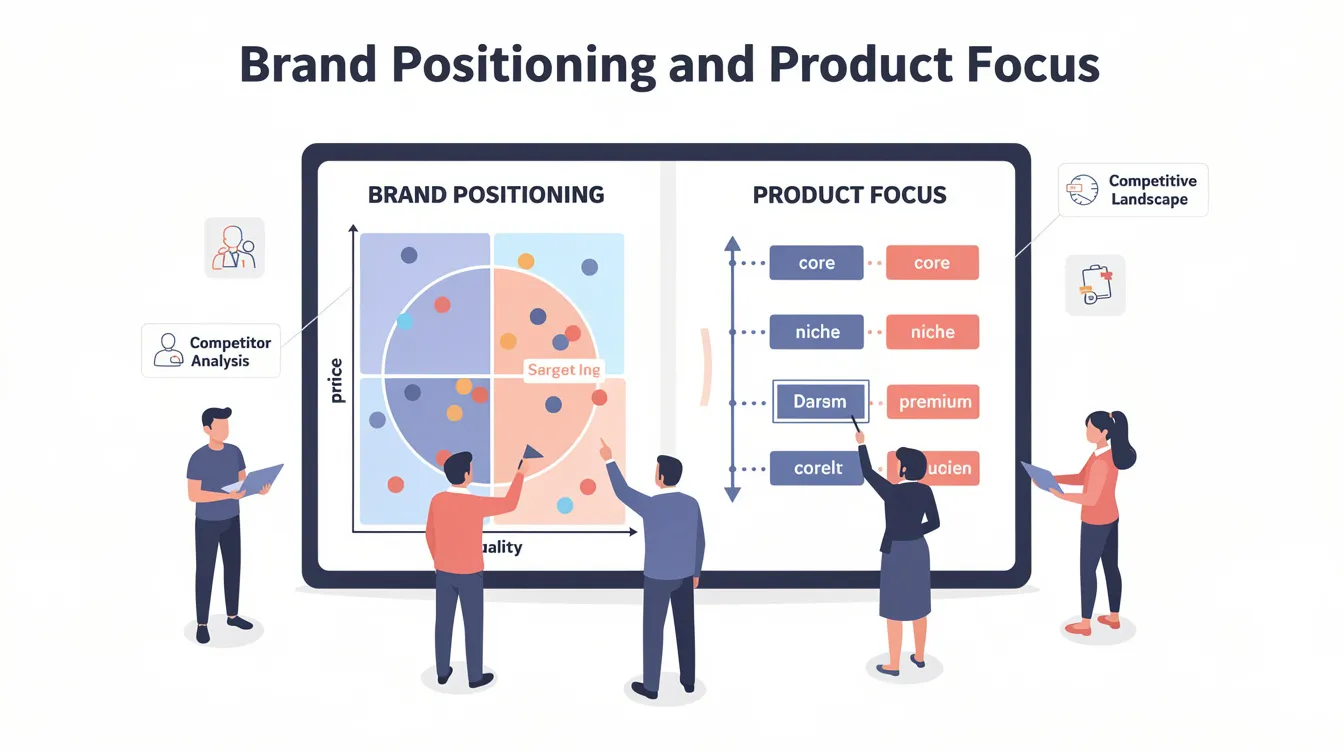
Your USP should highlight your brand’s heritage, craftsmanship, and commitment to ethical gemstones, providing a clear reason why customers should choose your jewellery over competitors. A compelling USP differentiates your brand in a competitive market by emphasizing qualities that resonate emotionally and practically with your target audience.
Highlighting Signature Collections
Showcasing signature collections like gemstone jewellery for positivity, birthstone jewellery, and Evil Eye designs through storytelling builds emotional connections and enhances brand loyalty. Using narratives that explain the significance and cultural relevance of these collections helps customers feel more connected to the pieces they purchase.
Emphasizing Ethical and Quality Attributes
Transparency about materials and sustainable practices builds trust and supports your brand’s reputation for quality and responsibility. Highlighting attributes such as hypoallergenic and nickel-free materials addresses customer concerns and positions your brand as a leader in ethical jewellery production.
With a clear brand position and product focus, you can now implement targeted marketing strategies to reach your goals.
Marketing Strategies
Seasonal Campaign Planning
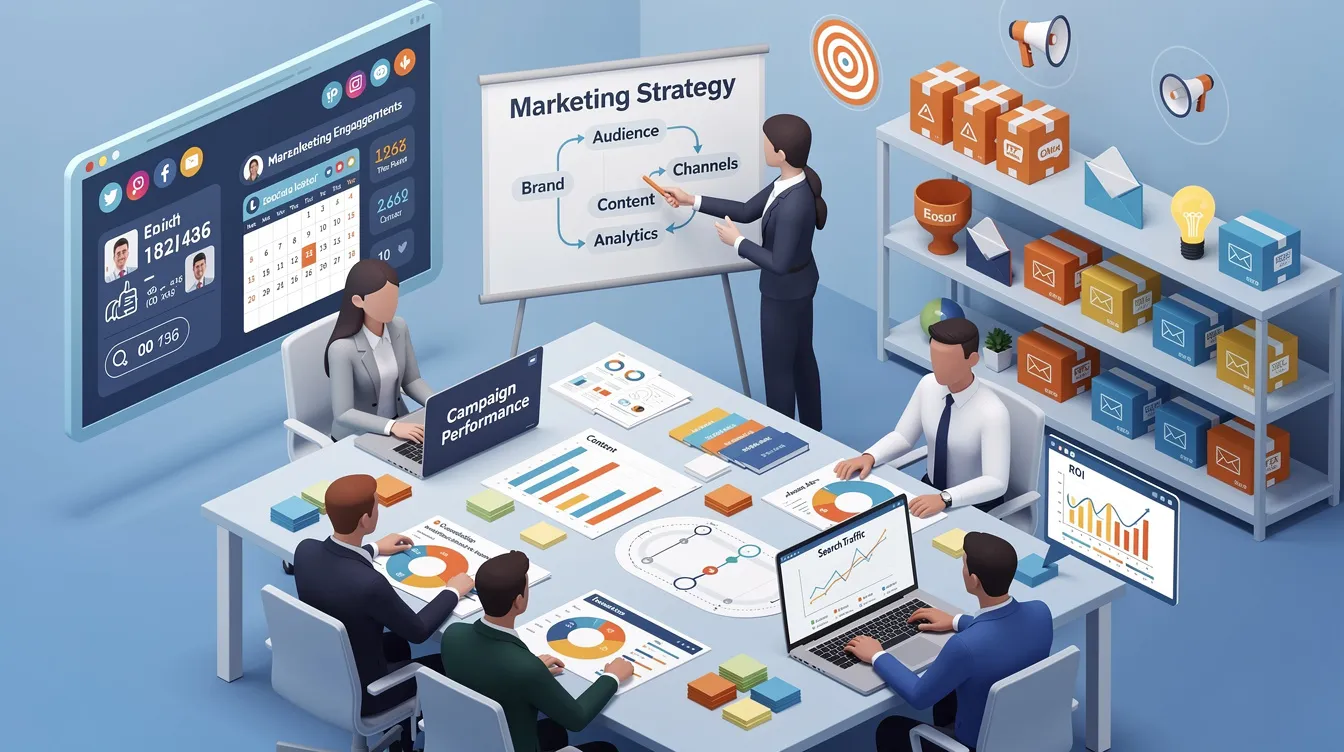
Align seasonal campaigns with key gifting occasions such as Valentine’s Day and Christmas to capitalize on peak buying periods. Planning ahead enables timely promotions and inventory management, ensuring your brand is top of mind when customers are ready to purchase gifts.
Budget Allocation Across Channels
Allocate budgets strategically across digital marketing, retail promotions, and events to maximize reach and impact. Ensure a balance between online and offline efforts. Monitoring return on investment for each channel allows for adjustments that optimize spending and improve campaign effectiveness.
Synchronizing Online and Offline Messaging
Consistent messaging across digital and physical channels strengthens brand presence and encourages customer engagement. Coordinated campaigns create a seamless brand experience, reinforcing key messages whether customers interact via social media, email, or in-store visits.
Search Engine Optimization (SEO)
-
Optimize product pages with relevant keywords and structured data to improve organic visibility and attract qualified traffic.
-
Effective SEO increases your chances of appearing in search results when prospective customers look for jewellery, driving more traffic to your website.
Paid Advertising Campaigns
-
Use targeted social media and search ads refined by data-driven insights to maximize return on ad spend.
-
Tailor ads to specific demographics and interests to ensure your marketing budget is spent efficiently, reaching the right customers at the right time.
Email Marketing Automation
-
With tightening privacy regulations, email marketing based on first-party data becomes increasingly valuable.
-
Automated, personalized email flows nurture leads and encourage repeat purchases.
-
Segment your email list according to buyer personas for relevant content delivery, enhancing engagement and loyalty.
Performance Monitoring
-
Regularly review campaign metrics like ROAS and conversion rates to optimize strategies and budgets.
-
Data-driven decision-making helps identify successful tactics and areas needing improvement, ensuring continuous growth and better marketing outcomes.
With these marketing strategies in place, the next focus is on leveraging social media and content marketing to build brand awareness and engagement.
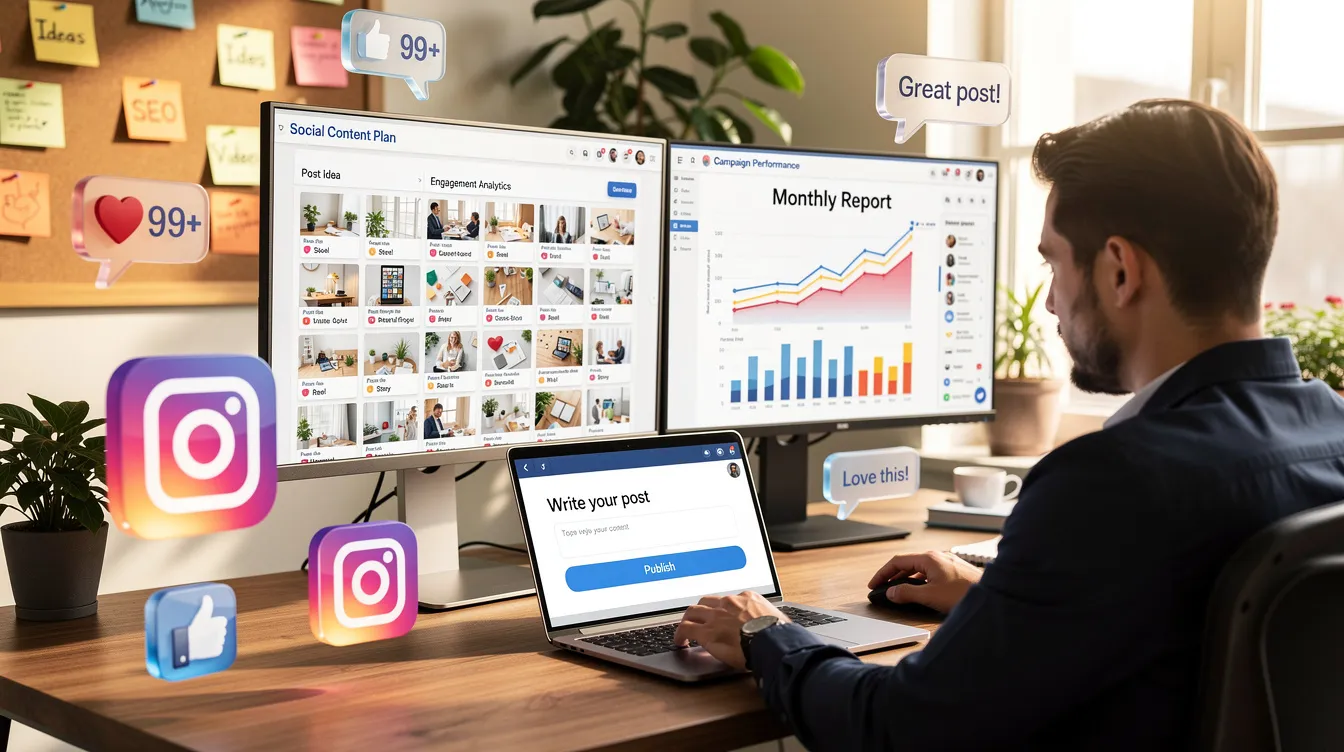
Social Media and Content Marketing
Storytelling and Brand Identity
Create compelling stories that highlight craftsmanship and cultural heritage, fostering authentic connections. Sharing behind-the-scenes content and artisan profiles humanizes your brand and builds emotional resonance with customers.
Video Content and Influencer Collaborations
-
Produce engaging video reels and collaborate with micro-influencers to extend reach and credibility.
-
Videos showcasing jewellery in real-life settings or styling tips can inspire potential buyers and increase brand awareness.
User-Generated Content (UGC)
-
Encourage customers to share testimonials and photos.
-
Repurpose UGC to enhance authenticity in advertising.
-
Featuring real customer experiences builds trust and encourages community engagement around your brand.
After building a strong digital presence, focus on optimizing the retail experience and local marketing efforts.
Retail Experience and Local Marketing
Seasonal In-Store Displays
-
Design attractive displays to showcase new collections and promotions, drawing foot traffic.
-
Eye-catching visual merchandising creates a memorable shopping experience that can boost impulse purchases and brand loyalty.
Staff Training and Customer Service
-
Equip retail staff with product knowledge and sales techniques to enhance customer experience and increase sales.
-
Well-trained staff can provide personalized recommendations and build stronger customer relationships.
Geo-Targeted Advertising
-
Use localized ads to drive store visits with messages tailored to local audiences.
-
Geo-targeting ensures your marketing efforts are relevant and effective in attracting nearby prospective customers.
Events and Trunk Shows
-
Host events to engage customers personally and deepen brand loyalty.
-
Such events provide opportunities for direct interaction, product education, and exclusive offers that strengthen customer connections.
A strong retail and local marketing approach is supported by effective leadership and team development.
Leadership, Executive Coaching, and Team Development

Leadership Styles and Effectiveness
Effective leadership significantly impacts organizational success by influencing employee engagement, morale, and productivity. Different situations call for different leadership styles such as autocratic, democratic, laissez-faire, and task-oriented leadership. Understanding when to apply each style helps leaders adapt to team needs and optimize performance.
-
Autocratic leadership: Centralizes decision-making in the leader, allowing quick decisions but possibly limiting team input. Effective in crisis situations requiring swift action.
-
Democratic leadership: Shares decision-making with group members, promoting collaboration and social equality. Fosters innovation and team commitment but may slow decision-making.
-
Laissez-faire leadership: Grants freedom to subordinates to make decisions and set goals, fostering independence but sometimes lacking direction. Works best with highly skilled and self-motivated teams.
-
Task-oriented leadership: Emphasizes achieving specific objectives with systematic solutions and deadlines, which may affect team well-being. Balancing task focus with team support is crucial for sustainable success.
Executive Coaching and Development
-
Appoint executive coaches to develop leadership qualities, focusing on self-awareness, emotional intelligence, and communication skills.
-
Mentorship programs and leadership effectiveness assessments support growth and align leadership behaviors with business results.
-
Investing in leadership development promotes a strong leadership presence that inspires teams and drives company success.
Tools for Team Communication and Decision-Making
-
Provide resources that facilitate clear communication and collaborative decision-making.
-
Utilizing technology platforms and structured processes enhances transparency and team alignment.
Strong leadership and team development lay the groundwork for building customer retention and loyalty.
Customer Retention and Loyalty
VIP Loyalty Programs and Personalized Promotions
Rewarding repeat customers through VIP loyalty programs is a powerful way to foster long-term relationships and increase customer lifetime value. These programs can offer exclusive benefits such as early access to new collections, special discounts, or members-only events. Personalizing promotions based on customer preferences—like offering discounts on birthstone jewellery around a customer’s birthday—demonstrates attentiveness and appreciation, which builds emotional connections and encourages continued engagement. Such personalized marketing refers to leveraging customer data to tailor offers that resonate, ultimately driving repeat purchases and enhancing brand loyalty.
Post-Purchase Care and Styling Tips
Following up with customers after purchase is essential for maintaining satisfaction and extending the customer relationship beyond the initial sale. Providing styling tips tailored to individual jewellery pieces, such as how to wear coordinated silver set jewellery, helps customers maximize the value and versatility of their purchases, encouraging them to wear and showcase the items more often. Additionally, offering care instructions—such as how to clean sterling silver jewellery properly or maintain 18K gold plated jewellery—adds practical value and reinforces the brand’s commitment to quality and customer service. This ongoing engagement supports personal growth in customer-brand relationships and encourages positive word-of-mouth referrals.
With loyal customers in place, it’s important to maintain compliance and communicate your brand’s ethical standards.
Compliance, Ethics, and Materials Messaging
Transparency and Artisan Stories
Modern consumers increasingly seek brands that are transparent about their sourcing and production practices. Clearly communicating the ethical sourcing of gemstones and sustainable materials, including alignment with standards from bodies like the National Association of Jewellers, reassures customers that their purchases support responsible business practices. Sharing artisan stories—highlighting the craftsmanship, cultural heritage, and personal passion behind each piece—adds authenticity and emotional depth. This storytelling approach not only differentiates the brand but also aligns with values promoted by organizations such as the American Marketing Association, which emphasizes ethical marketing and corporate social responsibility. By exchanging offerings that reflect genuine care and integrity, the company promotes trust and long-term customer loyalty.
Highlighting Hypoallergenic and Nickel-Free Features
Many customers have sensitivities or allergies to certain metals, making hypoallergenic and nickel-free jewellery highly desirable. Emphasizing these features in marketing messages addresses a common pain point and positions the brand as attentive to customer health and comfort. Clear, consistent messaging about these attributes can attract a broader range of customers—including those who might otherwise avoid jewellery due to skin reactions—and enhance the company’s reputation for quality and safety. This focus on product improvement and customer well-being reflects good leadership in product development and marketing strategy.
With compliance and ethical messaging established, the next step is to measure performance and optimize your marketing efforts.
Measuring Performance and Optimization
Tracking Key Metrics and A/B Testing
To ensure good performance and continuous improvement, it is crucial to track key marketing metrics such as sales volume, conversion rates, customer acquisition costs, and customer lifetime value. Utilizing A/B testing allows the company to experiment with different messaging, visuals, and promotional offers to determine which versions resonate best with the target audience. This data-driven approach helps optimize campaigns, improve return on advertising spend, and adapt quickly to changing market conditions. Effective leaders use such insights to make informed decisions that enhance marketing effectiveness and drive business growth.
Optimizing Advertising Spend
Allocating advertising budgets efficiently is essential to maximize ROI and support sustainable growth. By analyzing performance data across channels—such as social media ads, search engine marketing, and email campaigns—the company can identify the most effective platforms and tactics. Adjusting spend accordingly ensures resources are focused on high-impact activities, such as event marketing or trade shows, that generate quality leads and conversions. This strategic management style reflects the practices of successful leaders who continuously refine their marketing mix to reach new markets and outperform competitors.
Once you have a system for measuring and optimizing performance, you can implement your marketing plan with clarity and accountability.
Implementation Roadmap
Setting Priorities and Assigning Owners
-
Clearly prioritize marketing initiatives over 90-day periods to maintain focus and momentum.
-
Assign campaign owners with defined roles and deadlines to foster accountability and ensure timely execution.
-
Use structured project management to promote transparency and coordinated teamwork.
-
Ensure clear ownership and communication for delivering successful marketing campaigns that align with broader business objectives.
Calendarizing Content and Events
-
Centralize the planning of content creation and promotional events in a shared calendar for consistent execution and cross-team collaboration.
-
Synchronize online and offline marketing activities to ensure a cohesive brand presence.
-
Schedule important dates—such as product launches, seasonal campaigns, and local trunk shows—well in advance for adequate preparation and maximum impact.
-
Incorporate event marketing into this calendar to facilitate engagement with external stakeholders and strengthen community ties.
A well-structured implementation roadmap ensures your marketing strategy is executed efficiently and effectively.
Future Directions in Marketing
Research suggests that effective marketing in 2026 will be driven by deep personalization, artificial intelligence, and building authentic human connections with customers. AI tools will predict customer behavior, provide real-time product recommendations, and automate personalized email sequences, enabling brands to nurture leads through segmented campaigns rather than generic messaging. Adopting integrated marketing strategies that align promotion, pricing, and distribution channels will be essential to maintain consistency and create long-lasting brand value in an increasingly competitive marketplace.
Effective marketing strategies can yield significant benefits for a company, including attracting and retaining new customers, enhancing brand image, and ultimately propelling business growth.
Frequently Asked Questions
How often do ferns need maintenance?
Most ferns require very little maintenance. We recommend trimming them seasonally and watering during dry months to keep them healthy and vibrant.
Can ferns grow in full sun?
While most ferns thrive in shaded areas, several varieties can tolerate and even flourish in full sun conditions.
Do you provide ongoing care services?
Yes! We offer maintenance packages to keep your fern garden looking its best year-round, including seasonal pruning and health assessments.
What leadership style is best for managing a fern garden maintenance team?
Task-oriented leadership works well for managing garden maintenance as it focuses on achieving specific objectives with systematic solutions and adherence to deadlines. However, balancing this with attention to team well-being promotes a positive work environment.
How does effective leadership impact customer satisfaction in gardening services?
Research shows that effective leadership leads to higher employee satisfaction, which translates into better customer service, increased customer loyalty, and overall business profitability.
How do you tailor marketing efforts for fern planting services?
We focus on the 4 Cs model—Consumer, Cost, Convenience, and Communication—to shift from simply selling products to enhancing the customer experience. This approach helps us meet client needs more effectively.
How do you build a loyal customer base for your fern services?
We nurture leads through personalized, segmented email campaigns rather than generic messages, fostering stronger relationships and repeat business.
Why is content marketing important for your fern business?
We prioritize high-quality content over high volume, using tools like Answer Engine Optimization (AEO) to ensure our information reaches customers effectively and supports digital success.
How significant is marketing spending in the gardening industry?
Marketing is a critical investment, with global spending in the trillions annually across industries. Effective marketing strategies help us stand out in a competitive market and attract more customers.

0 comments