

Introduction to Search Engine Optimization
This guide is for business owners, marketers, and anyone interested in learning SEO through Google-recommended courses. We cover foundational concepts, technical skills, and the best Google SEO courses available. Search Engine Optimization (SEO) is crucial for website owners looking to improve their online presence and search rankings. If you're looking for a search engine optimization course Google recommends, this guide will help you understand your options and what to expect. Creating content that people find compelling and useful will likely influence your website’s presence in search results more than any other suggestions. Companies should integrate both online and offline promotion strategies, such as including the company URL on printed marketing materials, business cards, or newsletters, to maximize visibility. Understanding the basics of SEO helps businesses create effective digital marketing strategies that align with user intent and search behavior, while also emphasizing the importance of understanding customers and their needs. Google Search is the primary platform for SEO, and understanding its constantly evolving algorithms is essential for success. SEO strategies can be learned through online courses and training, allowing individuals to develop their skills at their own pace. Industry experts provide valuable insights and knowledge on SEO best practices and trends, including the importance of EEAT principles—Experience, Expertise, Authoritativeness, and Trustworthiness—in content creation.
Transitioning from the basics, let's explore how Google Search works and why understanding its mechanisms is key to effective SEO.
Understanding Google Search

Google Search uses automated crawlers to explore the web and add pages to its index. Google primarily finds pages through links from other pages it already crawled, making backlinks a critical factor in SEO success. While the domain name itself has limited impact on search rankings, using relevant keywords in URLs can help Google and users understand site structure. Google Search Console is a powerful tool that helps website owners understand how their site is performing in search results and identify technical issues. Well-structured URLs are important for effective crawling, indexing, and how your site appears in search results. Search engine algorithms are constantly evolving, and staying up-to-date with the latest changes is crucial for SEO success. To build a strong SEO strategy, it is essential to conduct keyword research as a key step, and understanding search behavior and user intent is vital for optimizing website content and improving search rankings.
With a clear understanding of how Google Search operates, the next step is to master keyword research and develop a robust keyword strategy.
Keyword Research and Strategy

Keyword research involves identifying relevant and high-traffic keywords for a website. Developing a keyword strategy includes understanding long-tail keywords, title tags, and meta descriptions. A good title is unique to the page, clear and concise, and accurately describes the contents of the page, which helps both users and search engines. Creating content around targeted keywords can improve search rankings and drive organic traffic. Analyzing competitor keywords and search results provides valuable insights for SEO strategies. Using tools like Google Analytics helps website owners gain insights into their website’s traffic and search behavior. User intent mapping, which involves identifying the "why" behind search queries, is an advanced technique to align content with what users are truly searching for.
Once you have a solid keyword strategy, it's time to optimize your website's on-page elements for maximum impact.
On-Page Optimization
Title Tags
On-page optimization involves optimizing website elements such as title tags. A well-crafted title tag is unique, clear, and accurately describes the page content, helping both users and search engines understand the page.
Meta Descriptions
Meta descriptions provide a succinct summary of the page and can influence whether users click on your search result. Writing compelling meta descriptions can improve click-through rates and user engagement.
Header Tags
Using header tags and subheadings improves content readability and accessibility. Properly structured headers help search engines understand the hierarchy and main topics of your content.
Alt Text for Images
Writing good alt text is quite important as it helps search engines understand what your images are about and the context of how they relate to your page. Additionally, providing relevant details and context for images enhances user understanding and SEO relevance.
Internal Linking
Internal linking and URL structure help search engines understand website hierarchy and content. Following best practices for structuring and organizing URLs enhances SEO performance and user experience.
Media Optimization
Optimizing images, videos, and other media can help improve website load times and user experience. For videos, proper optimization is crucial for improving visibility in search engine results and increasing discoverability.
Creating high-quality, relevant, and “people-first” content following EEAT principles is essential for improving search rankings and user engagement.
After optimizing on-page elements, it's crucial to address the technical aspects that support your SEO efforts.
Technical Optimization
Site Speed
Technical SEO focuses on improving complex aspects of your website to help search engines crawl and index your site more effectively. Key areas include:
-
Site speed: Use tools like Google PageSpeed Insights to identify and resolve performance issues.
Mobile Responsiveness
-
Mobile responsiveness: Ensure your website is fully functional and visually appealing on all devices.
SSL Encryption
-
SSL encryption: Secure your website with HTTPS to protect user data and improve trust.
Core Web Vitals
-
Core Web Vitals: Focus on loading speed, interactivity, and visual stability to enhance user experience.
Website Hosting and Location
The physical location of your website hosting and including location-specific details, such as business addresses, can also impact search visibility and relevance, as Google considers geographic factors when ranking sites.
Website Architecture and Crawlability
Optimizing website architecture and internal linking can aid crawlability. Using schema markup and structured data qualifies content for rich results and featured snippets in search appearances, enhancing visibility.
Regular Audits
Regular website audits troubleshoot site structure, sitemaps, robots.txt files, and redirects. Technical SEO education also includes understanding AI’s impact on search and adapting strategies for AI-driven environments.
With a solid technical foundation, it's important to also focus on off-page factors that influence your site's authority.
Off-Page SEO
Off-page SEO involves building high-quality backlinks from other websites to improve website authority and trust. Off-page SEO can also include offline promotion methods, such as using printed materials, business cards, and newsletters to promote the company's website and increase awareness.
Link Building Strategies
-
Guest blogging
-
Broken link building
-
Resource pages
Social Media and Reputation Management
Social media marketing and online reputation management help improve website visibility and drive traffic.
Local Directories and Citations
Using online directories and citations enhances local search rankings and authority.
Content Promotion
Creating high-quality, shareable content attracts links and improves website authority. Effective promotion leads to faster discovery by interested users and search engines alike.
After building your site's authority, it's time to ensure you have the right knowledge and credentials through SEO training and certification programs.
SEO Training and Certification Programs
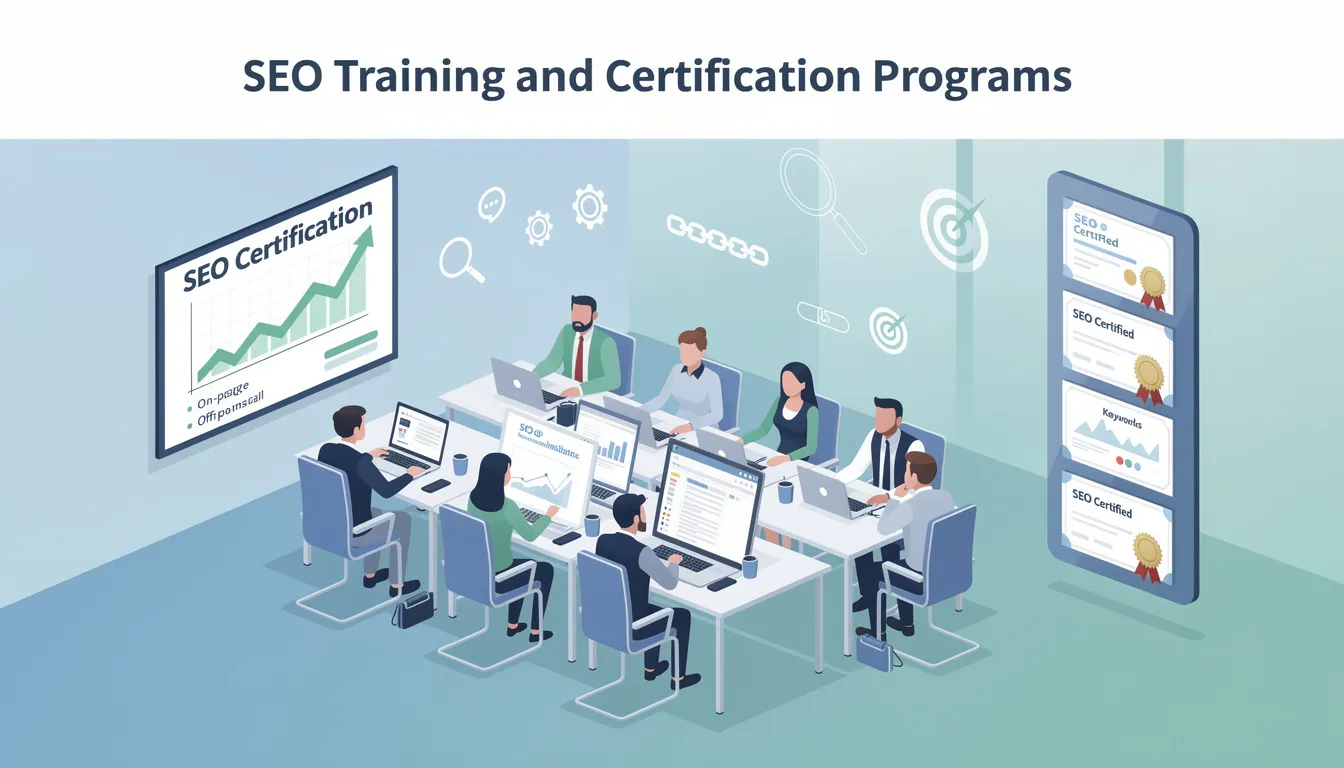
Several reputable SEO training courses help learners develop comprehensive, user-focused SEO strategies to increase organic traffic. Here are the main Google SEO courses and resources:
Google SEO Fundamentals Specialization (Coursera)
-
Offered by the University of California, Davis, on Coursera.
-
Consists of 4 modules that provide an overview of SEO best practices, including on-page SEO, off-page SEO, technical SEO, and keyword research.
-
Includes actionable, hands-on assignments to help build an SEO strategy.
-
Self-paced, lasting approximately 13-29 hours.
-
Reflects current trends such as AI in search and EEAT principles.
-
Provides a certificate upon completion.
Search Engine Optimization (SEO) Starter Guide (Google Developers)
-
Essential for understanding how to get a site crawled, indexed, and ranked.
-
Best for beginners wanting to understand site structure and content optimization.
-
Covers foundational SEO concepts and practical steps for optimizing your website.
Fundamentals of Digital Marketing (Google Digital Garage)
-
Free course that covers digital skills, including SEO.
-
Provides certification upon completion.
-
Supports learners in building digital marketing skills.
Google Digital Marketing Certificate
-
Includes SEO fundamentals, SEM, and email marketing.
-
Designed to make learners job-ready in 3-6 months.
-
Graduates gain access to a job platform to apply for roles with top employers.
By completing these courses, you can gain a strong foundation in SEO and digital marketing, preparing you for both practical application and career advancement.
With your SEO knowledge and certifications in place, you can now explore how digital marketing and Google Ads complement your SEO efforts.
Digital Marketing and Google Ads
Digital marketing uses online channels such as search engines, social media, and email to reach target audiences. Google Ads helps website owners drive targeted traffic and improve conversions.
Google Ads Auction and Bidding
Understanding Google Ads auction and bidding systems improves ad visibility and ROI.
Ad Copy and Landing Pages
Creating effective ad copy and landing pages enhances conversions and user experience.
Analytics and Measurement
Using Google Analytics tracks and measures the effectiveness of digital marketing campaigns.
Google Digital Marketing Certificate
Google offers a comprehensive digital marketing certificate that includes SEO fundamentals, SEM, and email marketing, designed to make learners job-ready in 3-6 months. Graduates gain access to a job platform to apply for roles with top employers.
After establishing your digital marketing strategy, it's important to leverage the right tools and software to streamline your SEO efforts.
SEO Tools and Software
SEO tools and software streamline and optimize SEO efforts. Popular tools include:
-
Ahrefs, SEMrush, and Moz for keyword research, technical SEO, and link building.
-
Google Search Console and Google Analytics for website performance and search behavior insights.
-
SEO plugins and extensions to optimize sites and content.
-
Project management tools to facilitate collaboration among SEO teams.
-
Technical audits and analysis tools to identify and resolve issues and maintain site health.
With the right tools in place, you can further enhance your local presence and e-commerce performance.
Local SEO and Google My Business
Local SEO optimizes websites and online presence for local search rankings and visibility.
Google My Business
Helps businesses manage their local listings and appear in local search results.
Local Keyword Optimization
Optimizing websites for local keywords improves search rankings and drives local traffic.
Directories and Citations
Online directories and citations enhance local search visibility and authority.
Reputation Management
Responding to online reviews and managing reputation builds customer trust and loyalty.
For e-commerce businesses, specialized SEO strategies are essential for product visibility and conversions.
E-commerce SEO
E-commerce SEO focuses on optimizing online stores and product pages for search rankings and conversions.
Product Titles and Descriptions
Using relevant and descriptive product titles and descriptions improves search rankings and user experience.
Media Optimization
Optimizing product images and videos enhances load times and engagement.
Schema Markup
Schema markup and structured data help search engines understand product information and context.
Content Creation
Creating high-quality, relevant content attracts links and boosts authority.
To stay ahead, it's important to understand advanced SEO topics and emerging trends.
Advanced SEO Topics
Technical SEO
Advanced technical SEO includes optimizing site architecture, crawlability, and structured data.
Link Building
Developing sophisticated link building strategies increases site authority and trust.
Content Marketing
Content marketing strategies focus on creating valuable, shareable content that attracts links and engagement.
Programming and Automation
Using programming languages like Python and R helps automate and optimize SEO efforts.
AI and Machine Learning
Understanding machine learning and AI helps SEOs stay ahead of industry trends and adapt to AI-driven search environments.
Effective SEO strategies require understanding user behavior and search intent. Data and analytics are crucial for measuring and improving SEO performance.
As you master advanced topics, consider how to build a career in the SEO industry.
SEO Career and Industry
An SEO career involves helping businesses improve their online presence and search rankings. The SEO industry is constantly evolving, making continuous learning essential.
Training and Certification
Online resources, training, and certifications help individuals develop SEO skills and knowledge.
Networking
Joining online communities and attending conferences supports networking and staying informed.
Personal Branding
Building a LinkedIn profile and personal brand establishes industry expertise.
Staying current with trends is vital for long-term success in SEO.
SEO Trends and Future
The landscape of search engine optimization is constantly evolving, driven by advancements in search engine algorithms and the integration of cutting-edge technologies like artificial intelligence (AI) and machine learning (ML). These innovations are reshaping how search engines interpret content, assess website quality, and determine search rankings. As a result, website owners and digital marketing professionals must adapt their SEO strategies to keep pace with these changes.
Voice Search and Mobile-First Indexing
Voice search and mobile-first indexing are two trends that are rapidly gaining importance. With more users relying on voice assistants and mobile devices to conduct searches, optimizing for conversational queries and ensuring mobile-friendly website design are now essential components of effective SEO. Understanding how users interact with search engines through these new channels can help businesses tailor their SEO content and improve their visibility in search results.
Staying Informed
Staying informed about current SEO trends and anticipating future developments is crucial for maintaining a competitive edge. Tools like Google Analytics and Google Search Console offer valuable insights into search behavior, enabling website owners to refine their keyword strategy and optimize their content for better performance. Industry experts agree that technical SEO, off-page SEO, and the creation of high-quality, relevant content will remain central factors in achieving strong search engine results.
As search engines become more sophisticated, the focus on relevance, quality, and user experience will only intensify. Conducting thorough keyword research and developing a comprehensive keyword strategy will continue to be vital for driving organic traffic and improving search rankings. By embracing new technologies and best practices, businesses can ensure their SEO efforts remain effective in an ever-changing digital landscape.
To maintain strong performance, regular audits and analysis are essential.
SEO Audit and Analysis
Conducting a comprehensive SEO audit and analysis is a foundational step for any website aiming to improve its search engine optimization and achieve higher search rankings. An SEO audit examines all critical aspects of a website, including technical SEO, on-page SEO, and off-page SEO factors, to identify both strengths and areas that need improvement.
Steps to Conduct an SEO Audit
-
Technical Audit: Use tools such as Google Search Console and Google Analytics to uncover technical issues, track organic traffic, and monitor how pages are performing in search engine results.
-
On-Page Audit: Review content quality, keyword optimization, title tags, meta descriptions, and internal linking.
-
Off-Page Audit: Analyze backlinks from other websites, focusing on quality and relevance.
-
Action Plan: Develop a clear plan to address identified issues and implement targeted SEO strategies, such as optimizing technical elements, improving content quality, enhancing user experience, and developing a robust link building strategy.
Regular audits not only help website owners understand their current performance but also reveal new opportunities for keyword optimization and other SEO tactics that can drive organic traffic and improve search engine results.
By focusing on technical SEO, content relevance, and user satisfaction, businesses can develop effective SEO strategies that deliver long-term results. Ongoing SEO analysis ensures that websites remain optimized for the latest search engine algorithms and continue to perform well in an increasingly competitive digital marketing environment.
Avoiding common mistakes is also key to maintaining SEO success.
SEO Mistakes and Common Issues
Common SEO mistakes include keyword stuffing, duplicate content, and poor website design. Understanding these issues helps avoid penalties and improve rankings.
Identifying and Fixing Issues
-
Use tools like Google Search Console to identify technical problems.
-
Create high-quality, relevant content to attract links and authority.
-
Continuously learn through online resources and training to enhance SEO skills.
Conclusion
Search Engine Optimization is a vital component of digital marketing and online presence. Understanding SEO basics, best practices, and advanced strategies can help website owners improve search rankings and drive organic traffic. Utilizing online resources, certifications, and staying updated with industry trends ensures SEO success. Developing effective SEO strategies requires a deep understanding of user behavior, search intent, and data analytics.
Call to Action
Ready to elevate your SEO skills and boost your online presence? Partner with Sterling Media & Communications for expert SEO services and training tailored to your business needs. Visit smcww.co.uk today to discover how we can help you enhance your digital marketing strategy and achieve outstanding search engine results.
Frequently Asked Questions (FAQs)
What is a search engine optimization course Google?
A search engine optimization course Google is a training program focused on teaching individuals and businesses how to improve their website’s visibility and ranking on Google Search. These courses cover essential SEO concepts such as keyword research, on-page and off-page optimization, technical SEO, and the use of tools like Google Analytics and Google Search Console. They aim to equip learners with practical skills to develop effective SEO strategies that drive organic traffic.
Why is SEO important for my website?
SEO is important because it helps your website rank higher in search engine results pages (SERPs), making it easier for potential customers to find your business online. Higher rankings typically lead to increased organic traffic, better user engagement, and more conversions. SEO also builds credibility and trust with users by ensuring your website delivers relevant and high-quality content.
How long does it take to see results from SEO?
SEO results vary depending on factors such as website age, competition, and the quality of optimization efforts. Generally, it can take a few weeks to several months before noticeable improvements in search rankings and traffic occur. Consistent optimization, quality content creation, and link-building efforts contribute to faster and more sustainable results.
What tools are essential for SEO?
Key tools for SEO include Google Search Console for monitoring site performance and indexing issues, Google Analytics for tracking user behavior and traffic sources, and keyword research tools like SEMrush, Ahrefs, or Moz for discovering valuable search terms. Additionally, SEO plugins and website audit tools help identify and fix technical issues.
Can I learn SEO on my own, or do I need a course?
While it is possible to learn SEO independently through online resources and experimentation, taking a structured SEO course can accelerate your learning by providing comprehensive knowledge, practical assignments, and expert guidance. Courses also help you stay updated with the latest SEO trends and best practices.
What is the difference between on-page and off-page SEO?
On-page SEO refers to optimizing elements within your website, such as content, title tags, meta descriptions, headers, and images, to improve search engine rankings. Off-page SEO involves activities outside your website, primarily building high-quality backlinks from other reputable sites, social media marketing, and online reputation management to enhance your site’s authority and trustworthiness.
How does technical SEO affect my website’s ranking?
Technical SEO ensures that search engines can crawl, index, and understand your website effectively. It involves optimizing site speed, mobile-friendliness, secure connections (SSL), structured data, and fixing errors like broken links or duplicate content. A technically sound website improves user experience and helps search engines rank your pages higher.
What are long-tail keywords and why are they important?
Long-tail keywords are longer, more specific keyword phrases that users search for. They usually have lower search volume but higher conversion rates because they target users with clear intent. Incorporating long-tail keywords into your content can help you attract more qualified traffic and compete effectively in niche markets.
How often should I update my SEO strategy?
SEO is an ongoing process due to frequent changes in search engine algorithms and evolving user behavior. It’s recommended to review and update your SEO strategy at least quarterly, keeping track of performance metrics, keyword trends, and industry developments to maintain and improve your search rankings.
Where can I find reputable SEO courses?
Reputable SEO courses are offered by platforms like Coursera (e.g., Google SEO Fundamentals Specialization), HubSpot Academy, Google Digital Garage, and other recognized digital marketing institutes. These courses provide certification and cover a wide range of SEO topics suitable for beginners to advanced learners.

0 comments