

Introduction to Digital Marketing
Digital marketing refers to the use of digital channels and technologies to promote products and services, transforming how brands and businesses connect with their audiences since the 1990s and 2000s. Digital marketing is the component of marketing that uses the Internet and online-based digital technologies to promote products and services. It is defined as using various digital tactics and channels to connect with customers. Unlike online marketing, which focuses solely on Internet-based tactics, digital marketing also includes non-Internet channels such as television and mobile phone communications. Internet marketing is a subset of digital marketing that focuses on channels like email, social media, SEO, and PPC to attract and engage customers online. With the global growth of internet users, digital marketing has become essential for businesses seeking to reach larger audiences more efficiently and cost-effectively than traditional marketing channels. Digital marketing is essential for modern business growth due to benefits like global reach and cost-effectiveness.
One of the key benefits of digital marketing is its ability to deliver highly personalized marketing messages based on consumer data. This personalization allows businesses to tailor their communications to individual preferences, behaviors, and demographics, significantly improving engagement and conversion rates. Digital marketing’s data-driven approach enables marketers to segment audiences precisely and deliver relevant content, offers, and recommendations that resonate with each consumer.
Moreover, digital marketing is often more cost-effective than traditional marketing channels like TV, radio, or print media. The lower costs associated with digital campaigns make it accessible to businesses of all sizes, including small and medium enterprises that might otherwise struggle to compete. In contrast, traditional media such as TV and print is often used for push advertising and can still complement digital efforts as part of integrated marketing campaigns. This cost efficiency, combined with the broad geographic reach of digital platforms, allows companies to connect with audiences globally, breaking down barriers of location and time zones.
Effective digital marketing can level the playing field, enabling small businesses to compete with larger brands by leveraging targeted campaigns, agile strategies, and personalized customer experiences. This democratization of marketing helps foster innovation and diversity in the marketplace.
Modern digital marketing strategies prioritize emerging digital marketing techniques such as Answer Engine Optimization (AEO), which optimizes content specifically for AI-powered virtual assistants and conversational bots, hyper-personalization that uses detailed customer insights to customize experiences, and video commerce that integrates video content with seamless shopping opportunities. Inbound marketing is a customer-centric methodology that attracts, engages, and delights customers through content, search, and social media, distinguishing itself from traditional push marketing approaches. These trends enhance the ability of businesses to engage customers meaningfully and drive conversions.
Digital marketing campaigns and cost efficiency are further supported by the importance of allocating a budget for online advertising as part of an integrated digital marketing plan to achieve specific marketing objectives.
Email and SMS marketing serve as direct communication tools within digital marketing, playing a crucial role in nurturing leads and building long-term customer loyalty. By sending personalized, timely messages directly to consumers’ inboxes or mobile devices, businesses can maintain ongoing engagement, promote offers, and foster relationships that encourage repeat business and customer retention. Digital marketing also leverages customer relationship management tools and techniques to enhance customer engagement, maximize sales, and encourage ongoing usage of online services.
What Do You Know About Social Media Marketing?
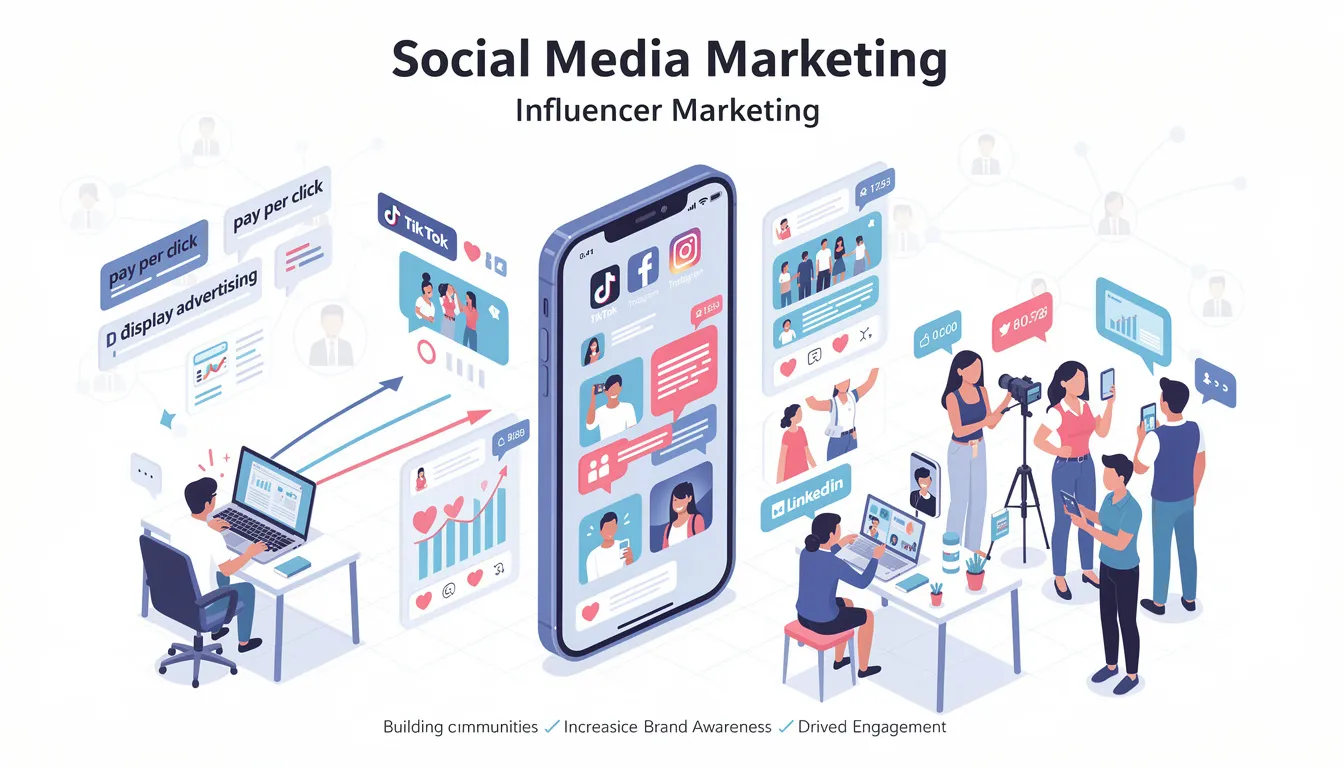
Social media marketing leverages popular social platforms like TikTok, Instagram, Facebook, and LinkedIn to build communities, increase brand awareness, and drive engagement. Digital marketers use these social media channels to share content, run paid advertising campaigns including pay per click advertising and display advertising, and interact directly with existing customers and potential customers. Influencer marketing, a subset of social media marketing, involves partnering with individuals who have large followings to promote products or services authentically.
B2B companies often favor LinkedIn for their digital marketing efforts, utilizing the platform’s professional networking capabilities to build relationships, generate leads, and share industry-specific content. In contrast, B2C companies tend to prefer visually-driven platforms like Instagram and Facebook, which offer broader reach and engagement opportunities with diverse consumer audiences.
The rise of short-form video content on platforms like TikTok and Instagram Reels has shifted social media marketing from purely awareness-driven efforts to powerful conversion engines. Many marketing companies are also building in-house "Creator Teams" to maintain an authentic and agile brand voice that resonates with their audiences.
Digital Marketers and Their Role

Digital marketers are responsible for planning, executing, and optimizing digital marketing efforts across various digital marketing channels. They manage digital marketing campaigns involving search engine optimization (SEO), search engine marketing (SEM), content marketing, email marketing, paid advertising, social media marketing, and marketing automation. Their work includes tracking key performance indicators (KPIs) such as organic traffic, click-through rates, and conversion metrics to refine strategies in real time.
With the increasing complexity of the digital marketing landscape, digital marketers must also stay informed about evolving digital technology like AI-powered tools, privacy-first data strategies that build "First-Party Data Spines" to encourage users to share their data proactively, and ethical AI disclosure practices to maintain credibility by labeling AI-generated content.
Understanding Search Engine Marketing (SEM)
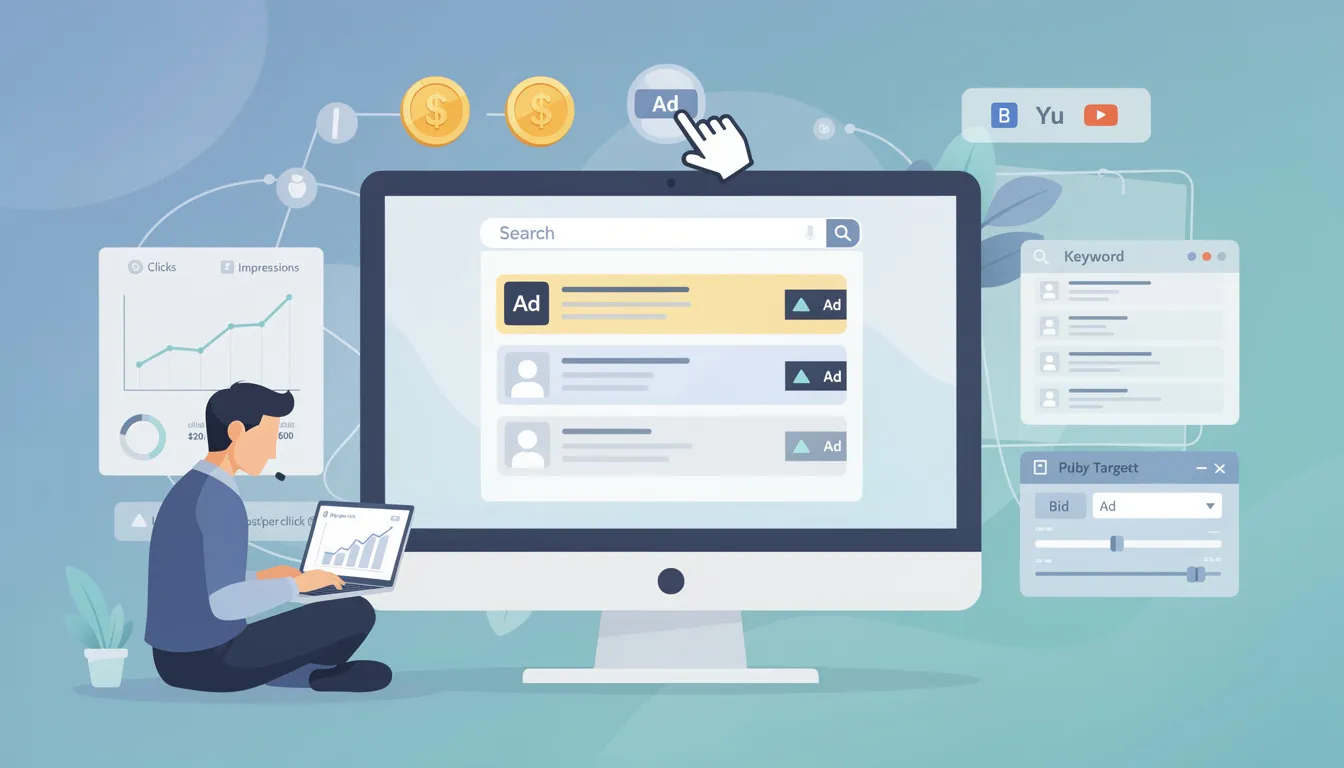
Search engine marketing (SEM) involves using paid ads to increase visibility on search engine results pages (SERPs). Common SEM tactics include pay per click advertising, where advertisers pay a fee each time their digital ads are clicked. Platforms like Google Ads dominate this space, enabling businesses to target specific keywords and reach potential customers actively searching for related products or services.
SEM complements search engine optimization (SEO), which focuses on optimizing website content and technical elements to rank higher organically. Together, these digital marketing techniques help businesses maximize their digital marketing efforts by capturing both paid and unpaid search traffic.
The Importance of Content Marketing in Digital Marketing Efforts
Content marketing is a cornerstone of digital marketing activities, involving the creation and distribution of informative and engaging content such as blogs, videos, podcasts, and social media posts. A well-executed content marketing strategy enhances SEO by improving website visibility through keyword-rich, high-quality content and off-page SEO tactics like link building.
Search Engine Optimization (SEO)
Search engine optimization (SEO) is a critical digital marketing tactic focused on increasing a website's visibility in organic (non-paid) search engine results. SEO involves optimizing various elements of a website to ensure that search engines like Google can easily crawl, index, and rank the site for relevant keywords. This process helps attract more qualified traffic by aligning website content with what users are actively searching for.
SEO is divided into two primary components:
On-Page SEO
On-page SEO refers to the optimization of content and HTML source code within individual web pages. Key on-page SEO factors include:
-
Keyword Research and Usage: Identifying relevant keywords and strategically incorporating them into titles, headings, meta descriptions, and body content.
-
Content Quality: Creating valuable, informative, and engaging content that satisfies user intent.
-
Technical SEO: Ensuring website elements such as page speed, mobile-friendliness, secure HTTPS protocols, and proper site architecture enhance user experience and search engine crawlability.
-
Internal Linking: Structuring links within the website to guide users and search engines to important pages.
Off-Page SEO
Off-page SEO focuses on activities outside the website that influence its authority and ranking in search engines. The most significant off-page SEO tactic is link building, which involves acquiring backlinks from other reputable websites. Backlinks act as endorsements, signaling to search engines that your content is trustworthy and valuable.
Other off-page SEO strategies include:
-
Social Media Engagement: Sharing content on social media platforms to increase visibility and attract natural backlinks.
-
Online Reputation Management: Encouraging positive reviews and managing brand mentions across the web.
-
Guest Blogging: Writing articles for other websites to reach new audiences and earn backlinks.
-
Influencer Outreach: Collaborating with influencers to promote content and generate quality links.
Together, on-page and off-page SEO improve a website’s search engine ranking, driving organic traffic and increasing opportunities for conversions. Effective SEO requires ongoing effort, including monitoring algorithm updates, analyzing performance metrics, and continuously refining strategies to maintain and enhance search visibility.
Content marketing supports SEO by providing the high-quality, relevant content that search engines prioritize, while off-page SEO helps build the website’s authority and trustworthiness in the eyes of both users and search engines. Combining these approaches is essential for a robust digital marketing strategy.
Crafting an Effective Digital Strategy
A successful digital marketing strategy begins with setting SMART goals—specific, measurable, achievable, relevant, and time-bound objectives that align with overall business aims. Creating a budget ensures effective spending towards marketing goals and balances paid campaigns with organic efforts. Identifying the target audience is critical to selecting appropriate digital marketing channels and crafting messages that resonate.
The digital strategy should optimize digital assets such as websites, social media posts, and email content for mobile users, reflecting the increasing use of mobile devices for online activities. Campaigns can be monitored and adjusted in real-time based on performance metrics, and iterating based on analytics is vital for long-term success in digital marketing.
Emerging trends such as augmented reality (AR) are being integrated into marketing strategies to create immersive brand experiences that solve customer problems and enhance engagement.
Leveraging Digital Marketing Channels for Maximum Impact
Digital marketing includes various types of digital marketing strategies such as content marketing, email marketing, SEO, SEM, affiliate marketing, PPC campaigns, social media marketing, influencer marketing, native advertising, marketing automation, mobile marketing, and video marketing. Each channel offers unique opportunities and digital marketing challenges:
-
Content Marketing focuses on content creation to attract and engage audiences, supporting brand building and lead generation.
-
Email Marketing involves sending targeted messages to customers to promote products, services, or content, nurturing leads and building long-term loyalty.
-
Affiliate Marketing allows individuals to earn commissions by promoting other companies' products, expanding reach through trusted third parties.
-
Native Advertising blends promotional content seamlessly with platform content, reducing intrusiveness and increasing user engagement.
-
Marketing Automation uses software to automate repetitive marketing tasks, enabling personalized communication at scale.
-
Mobile Marketing targets mobile users via SMS, apps, and mobile-optimized content, reflecting the growing dominance of mobile devices in digital consumption.
-
Video Marketing utilizes video content on platforms like YouTube and social media to tell compelling brand stories and drive conversions.
B2B vs. B2C Digital Marketing Approaches
B2B (business to business) companies require a longer, more strategic approach to digital marketing than B2C (business to consumer) companies. B2B marketing often emphasizes building relationships and trust over time, utilizing content marketing to educate potential clients. These companies typically use platforms like LinkedIn to reach a smaller, more targeted audience with higher-value transactions, focusing on lead generation and nurturing.
In contrast, B2C companies usually have shorter sales cycles and target a larger audience. Their strategies often prioritize immediate sales and brand awareness, leveraging emotional appeals and brand storytelling. Platforms such as Instagram and Facebook are preferred to engage a broad consumer base, focusing on customer engagement and driving conversions.
B2B digital marketing strategies often center around lead generation and nurturing, providing educational content that helps prospects make informed decisions. This approach builds trust and positions the company as a thought leader. Meanwhile, B2C marketing tends to focus on creating emotional connections and compelling brand stories that drive immediate sales and customer loyalty.
Developing a Robust Online Marketing Strategy
An online marketing strategy focuses on promoting a business organically through digital platforms such as social media, search engines, and email. It involves optimizing digital assets for search engines and user experience, ensuring seamless interactions across devices.
Effective online marketing campaigns integrate data-driven insights to refine efforts, improve ROI, and maintain alignment with broader digital marketing goals. They leverage digital advertising, including paid ads and PPC ads, to complement organic efforts and accelerate growth.
Optimizing Digital Assets for Success
Digital assets include websites, social media profiles, email templates, and multimedia messages. Optimizing these assets for mobile devices is essential, given the increasing number of mobile users interacting with brands digitally.
Technical SEO ensures that websites are fast, secure, and easily crawlable by search engines, improving rankings and user experience. Well-maintained digital assets contribute to higher engagement, better conversion rates, and stronger brand recognition.
Digital Marketing Trends and Future
The digital marketing landscape is in a constant state of transformation, driven by rapid advancements in technology and shifting consumer behaviors. Staying ahead of these changes is crucial for businesses and digital marketers aiming to maintain a competitive edge and maximize the impact of their digital marketing strategy.
One of the most significant trends shaping digital marketing today is the integration of artificial intelligence (AI). AI-powered tools are revolutionizing how marketers analyze data, personalize content, and automate digital marketing campaigns. From chatbots that enhance customer service to predictive analytics that optimize marketing efforts, AI is enabling more efficient and effective digital marketing tactics. As AI technology continues to evolve, expect even greater levels of personalization and automation, allowing brands to deliver highly relevant experiences at scale.
Voice search is another trend rapidly gaining traction within the digital marketing landscape. With the increasing popularity of smart speakers and voice-activated assistants, consumers are searching for information and making purchases using natural language queries. This shift is prompting digital marketers to rethink their search engine optimization strategies, focusing on conversational keywords and optimizing content for voice-driven search engines. Adapting to voice search will be essential for brands looking to capture new audiences and stay visible in search results.
Video marketing remains a powerhouse in digital marketing, with short-form and live video content dominating social media channels and digital platforms. The rise of platforms like TikTok, Instagram Reels, and YouTube Shorts has made video marketing an indispensable tool for increasing brand awareness, engaging potential customers, and driving conversions. Looking ahead, interactive and shoppable videos are expected to further blur the lines between content and commerce, offering immersive experiences that power digital marketing campaigns.
Other emerging trends include the growth of augmented reality (AR) and virtual reality (VR) experiences, the increasing importance of privacy-first data strategies, and the expansion of marketing automation across all digital channels. As digital technology continues to advance, digital marketers must remain agile, continuously adapting their digital marketing strategy to leverage new opportunities and overcome digital marketing challenges.
In summary, the future of digital marketing will be defined by innovation, adaptability, and a relentless focus on delivering value to the target audience. By embracing these trends and staying informed about the evolving digital marketing landscape, businesses can ensure their marketing campaigns remain effective and relevant in an ever-changing digital world.
Conclusion
Digital marketing has revolutionized how businesses connect with customers by leveraging a diverse array of digital channels, technologies, and strategies. From social media marketing and search marketing to content marketing and marketing automation, effective digital marketing efforts require a strategic, data-driven approach.
As the digital marketing landscape continues to evolve with AI, immersive technologies, hyper-personalization, privacy-focused practices, and ethical AI disclosures, businesses that adapt and innovate will thrive. Whether business to business or business to consumer, small or large, embracing digital marketing is important and essential for growth, competitive advantage, and meaningful customer engagement in today's connected world.
Frequently Asked Questions (FAQs) About Digital Marketing
What is digital marketing?
Digital marketing is the use of digital channels, platforms, and technologies to promote products or services to consumers. It encompasses a wide range of tactics including search engine optimization (SEO), social media marketing, email marketing, content marketing, paid advertising, and more. Digital marketing enables businesses to connect with their target audience where they spend much of their time—online.
How is digital marketing different from traditional marketing?
Traditional marketing typically involves offline channels such as print ads, TV, radio, and direct mail. Digital marketing, on the other hand, uses digital media like websites, social media platforms, search engines, and mobile devices. Digital marketing offers advantages such as real-time analytics, precise audience targeting, personalization, and often lower costs compared to traditional marketing channels.
Why is digital marketing important for businesses?
Digital marketing is important because it allows businesses to reach a larger and more targeted audience efficiently. It provides measurable results, enabling marketers to track campaign performance and optimize strategies in real time. Additionally, digital marketing offers cost-effective solutions that level the playing field for small and medium-sized businesses competing against larger brands.
What are the main types of digital marketing?
The main types of digital marketing include:
-
Search Engine Optimization (SEO): Improving website visibility in organic search results.
-
Search Engine Marketing (SEM): Using paid ads to appear in search engine results.
-
Content Marketing: Creating valuable content to attract and engage audiences.
-
Social Media Marketing: Promoting brands and content on social platforms.
-
Email Marketing: Sending targeted messages to nurture leads and customers.
-
Affiliate Marketing: Partnering with affiliates to promote products for commissions.
-
Pay-Per-Click (PPC) Advertising: Paying for ads based on clicks.
-
Influencer Marketing: Collaborating with influential individuals to reach new audiences.
-
Marketing Automation: Using software to automate marketing tasks.
-
Mobile Marketing: Targeting users on mobile devices through various channels.
-
Video Marketing: Using video content to engage and convert customers.
How do I create an effective digital marketing strategy?
To create an effective digital marketing strategy, you should:
-
Set SMART Goals: Define specific, measurable, achievable, relevant, and time-bound objectives.
-
Identify Your Target Audience: Understand who your ideal customers are and their preferences.
-
Choose the Right Channels: Select digital marketing channels that align with your goals and audience.
-
Allocate Budget: Plan your spending across paid and organic strategies.
-
Optimize for Mobile: Ensure your digital assets perform well on mobile devices.
-
Develop Quality Content: Create engaging and relevant content tailored to your audience.
-
Monitor and Analyze: Use analytics to track performance and adjust campaigns accordingly.
What is the difference between B2B and B2C digital marketing?
B2B (business-to-business) digital marketing focuses on building long-term relationships and educating potential clients through detailed content. It often involves longer sales cycles and platforms like LinkedIn. B2C (business-to-consumer) digital marketing typically targets a broader audience with shorter sales cycles, focusing on emotional appeals and brand storytelling using platforms like Instagram and Facebook.
How does SEO help in digital marketing?
SEO helps improve a website’s visibility in organic search engine results, driving targeted traffic without paying for ads. It involves optimizing website content, technical aspects, and building backlinks to increase authority. Effective SEO increases brand awareness, generates qualified leads, and supports other digital marketing efforts.
What role does social media marketing play?
Social media marketing helps build brand awareness, engage with audiences, and drive traffic to websites. It allows businesses to share content, run paid advertising campaigns, and interact directly with customers. Social media platforms also provide valuable insights into customer behavior and preferences.
Can small businesses benefit from digital marketing?
Absolutely. Digital marketing is highly cost-effective and scalable, making it accessible for small businesses. It enables precise targeting, measurable results, and the ability to compete with larger companies by leveraging personalized campaigns and agile strategies.
What are the challenges in digital marketing?
Common challenges include keeping up with rapidly changing digital platforms and algorithms, measuring true ROI across multiple channels, managing budget constraints, standing out in saturated markets, and ensuring data privacy compliance. Successful digital marketers stay informed, use data-driven approaches, and continuously optimize their strategies.
How is AI changing digital marketing?
AI is transforming digital marketing by enabling advanced personalization, predictive analytics, and marketing automation. AI-powered tools help create content, optimize campaigns, and analyze data more efficiently. Emerging trends include Answer Engine Optimization (AEO) to optimize for AI virtual assistants and ethical AI disclosure to maintain transparency.
How important is mobile optimization?
Mobile optimization is critical as the majority of online users access digital content via mobile devices. Optimizing websites, ads, and content for mobile ensures a seamless user experience, improves search rankings, and increases engagement and conversions.
What is marketing automation?
Marketing automation uses software to automate repetitive marketing tasks such as email campaigns, social media posting, and lead nurturing. It allows marketers to deliver personalized messages at scale, improving efficiency and customer engagement.
How do I measure the success of digital marketing campaigns?
Success can be measured using key performance indicators (KPIs) such as website traffic, conversion rates, click-through rates, engagement metrics, and return on investment (ROI). Digital marketing platforms often provide real-time analytics dashboards to monitor these metrics and guide strategy adjustments.
Where can I learn more about digital marketing?
There are numerous online resources, courses, and certifications available from platforms like HubSpot Academy, Google Digital Garage, and Smart Insights. Staying updated with industry blogs, forums, and communities also helps marketers keep pace with evolving trends and best practices.

0 comments