

Introduction
Are you an e-commerce business owner, marketer, or entrepreneur looking to grow your online store in 2025? Digital marketing for e commerce is more crucial than ever for achieving success in today’s competitive landscape. This comprehensive guide is designed specifically for e-commerce professionals who want to attract more customers, boost sales, and build a strong online presence.
Digital marketing for e commerce encompasses a wide range of strategies, tools, and best practices tailored to help e-commerce businesses thrive. Whether you’re optimizing your website, promoting products, launching targeted email campaigns, or investing in paid advertising, a robust digital marketing plan is essential for sustainable growth. An all-encompassing ecommerce marketing strategy covers everything from optimizing your website and promoting products to launching targeted email campaigns and paid advertising.
In this article, you’ll discover actionable strategies, the latest tools, and proven best practices to help your e-commerce business stand out and succeed in 2025. A successful e-commerce digital marketing plan relies on market research, clear goals, and an optimized website. Read on to learn how to create a holistic marketing approach that drives results.
Key Takeaways
-
E-commerce marketing strategies must encompass a holistic approach, integrating social media, SEO, content marketing, and email marketing to effectively engage and convert potential customers.
-
Personalization and user-generated content (UGC) are crucial for building customer loyalty and trust, with tailored experiences leading to higher engagement and repeat purchases.
-
Mobile optimization is essential for reducing cart abandonment and enhancing user experience; businesses should focus on seamless mobile interfaces to meet modern consumer expectations.
Understanding Marketing for E Commerce
What is Ecommerce Marketing?
Ecommerce marketing focuses on how to drive traffic to ecommerce sites, converting visitors into customers and customers into brand evangelists. It encompasses a diverse array of strategies designed to attract potential customers and encourage them to make purchases.
Benefits of E Commerce Marketing
The primary goal of digital marketing for e commerce is to increase brand awareness, drive traffic to online stores, generate leads, and ultimately boost revenue. This is achieved while optimizing marketing spend and enhancing overall marketing efforts. E commerce marketers play a crucial role in executing these strategies effectively.
One of the greatest advantages of e-commerce marketing is its ability to reach a global audience, breaking down geographic barriers that traditional marketing often faces. Adopting a holistic marketing strategy that encompasses the entire customer journey helps businesses create seamless and engaging experiences for their target audience.
Role of Market Research
A deep understanding of the customer base is crucial for any successful e-commerce marketing strategy. Conducting thorough market research helps businesses tailor their messaging and offerings to meet the specific needs and preferences of their audience. Market research is crucial as it provides a rich source of information regarding your target audience, industry, and competitors.
A successful e-commerce digital marketing plan relies on market research, clear goals, and an optimized website. The best e-commerce strategies rest on solid research, targeted channel focus, and analytics-led decision-making.
Adapting to Market Changes
Additionally, businesses must remain adaptable, ready to pivot their strategies in response to changing market conditions or customer feedback. This flexibility is key to maintaining relevance and driving continuous growth.
Website optimization requires a fast, mobile-friendly design with easy navigation to improve user experience and support CRO. This approach ensures that marketing efforts are cohesive and effective across various channels.
Transitioning from understanding the fundamentals, let’s explore how search engine optimization can further amplify your e-commerce marketing efforts.

Search Engine Optimization (SEO) for E Commerce
Importance of SEO
Search engine optimization (SEO) is a cornerstone of digital marketing for e commerce, aimed at improving a website’s visibility on search engines to attract organic traffic. The primary goal of e-commerce SEO is to rank product pages at the top of the search engine results page, thereby driving more visitors to the site. A well-executed SEO strategy can lead to increased conversions and substantial business growth.
Keyword Research
Keyword research is a critical component of SEO, helping businesses identify the search terms and phrases their customers use. Targeting relevant keywords enables businesses to optimize their product pages, meta titles, and descriptions to match potential customer searches. This targeted approach ensures that the website appears in search engine results pages (SERPs) when customers are looking to make a purchase.
Technical SEO
Technical SEO also plays a vital role in enhancing a website’s performance and user experience, which can lead to increased website traffic. This includes:
-
Optimizing site speed
-
Ensuring mobile responsiveness
-
Improving security
Techniques like using descriptive URLs, organizing content into logical directories, and optimizing images for visual searches can further boost a site’s SEO.
With a strong SEO foundation, the next step is to engage customers through social media marketing.
Social Media Marketing for Online Stores
Social media marketing has become an indispensable tool for e-commerce businesses, enabling them to communicate, build relationships, and understand their customers more effectively. Social media marketing builds brand awareness and loyalty by allowing direct engagement with audiences. Over the past decade, social media has significantly contributed to building brand awareness and fostering customer engagement.
Creating shoppable posts on social media allows for direct purchasing within the platform, reducing friction for users. With the rise of social buying, platforms like Instagram and TikTok now offer direct purchasing options, making them integral to e-commerce marketing strategies.
To succeed in social media marketing, online businesses should employ multiple strategies, including:
-
Content creation
-
Regular updates
-
Engaging followers
-
Leveraging influencers
Paid advertising on social media can significantly expand visibility, helping reach a wider audience and driving more traffic to online stores.
Developing detailed buyer personas—fictional representations of your ideal customers—helps in understanding the target audience's online shopping habits. Engaging followers and incorporating user-generated content allows brands to boost online sales and build a loyal customer base. Visual user-generated content, such as customer photos and reviews, can have a stronger impact on purchasing decisions compared to traditional marketing.
As you build your social presence, integrating email marketing can further nurture and convert your audience.
Email Marketing Campaigns

Email marketing remains one of the most effective channels for e-commerce, driving sales and building lasting customer relationships. Sending timely and tailored messages to customers improves communication effectiveness and boosts engagement. Email marketing is highly regarded, with 87% of marketers using this tactic, and 14% claiming it has the strongest ROI of any ecommerce marketing strategy.
Segmentation
Segmentation is a powerful strategy in email marketing, allowing businesses to send more relevant messages to specific customer groups. Segmenting email lists based on demographics or engagement levels enhances the relevance and effectiveness of campaigns.
Personalization
Personalization technologies, such as using a subscriber’s name or past purchases, can significantly raise engagement rates and improve the overall customer experience.
Automation
Automated email systems can further enhance the efficiency of email marketing efforts. These systems allow businesses to send tailored messages based on user behavior, such as cart abandonment reminders and personalized offers. Streamlining the checkout process and offering multiple payment options can reduce cart abandonment. Implementing email recovery campaigns is a simple yet effective tactic for reducing cart abandonment and boosting sales.
After establishing a strong email marketing foundation, consider amplifying your reach with paid advertising.

Pay Per Click (PPC) Advertising
Pay-per-click (PPC) advertising is a powerful tool for attracting targeted traffic to e-commerce websites. In this model, advertisers pay a fee each time one of their paid ads is clicked, ensuring that they only pay for actual engagement. PPC advertising targets potential customers through paid ads appearing in search results or on social media.
Popular PPC Platforms
Common platforms for PPC advertising include:
-
Google Ads
-
Bing Ads
-
Facebook
-
LinkedIn
-
Instagram
Each platform offers unique advantages for reaching specific audiences.
Advantages of PPC
The primary advantage of PPC ads is its detailed targeting capabilities, allowing businesses to reach specific audiences based on demographics, interests, and online behavior. Carefully selecting keywords and creating targeted ads ensures that PPC campaigns reach the right potential customers. This precise targeting helps maximize the return on investment (ROI) for PPC advertising.
Steps to Optimize PPC Campaigns
To optimize PPC campaigns, follow these steps:
-
Understand the target audience and set clear goals.
-
Regularly analyze ad performance and user interaction to gain valuable insights.
-
Continuously monitor and adjust PPC campaigns to effectively drive traffic and conversions.
Once your paid advertising is in place, content marketing can help build credibility and support your SEO and PPC efforts.
Content Marketing for E Commerce
Content marketing is a vital component of digital marketing for e commerce, focused on creating and distributing valuable content to attract and convert shoppers. This strategy not only builds brand awareness but also enhances the customer’s buying experience.
Types of Content
Content marketing includes:
-
Blog posts
-
Buying guides
-
Videos
-
How-to articles
All aimed at informing and engaging potential customers to build brand awareness.
User-Generated Content
User-generated content, such as customer reviews and testimonials, plays a crucial role in content marketing. This type of content builds trust and authenticity, making it a valuable asset for e-commerce businesses. Incorporating user-generated content into marketing strategies can lead to higher engagement rates and influence purchasing decisions.
Engaging Content Strategies
Engaging content strategies should include interactive materials that inform customers and enhance their purchasing decisions. Providing high-quality content that addresses customer needs and preferences fosters loyalty and drives sales. This approach ensures that marketing efforts are both effective and customer-centric.
With a strong content marketing plan, you can further expand your reach through influencer and affiliate marketing.
Influencer Marketing Campaigns
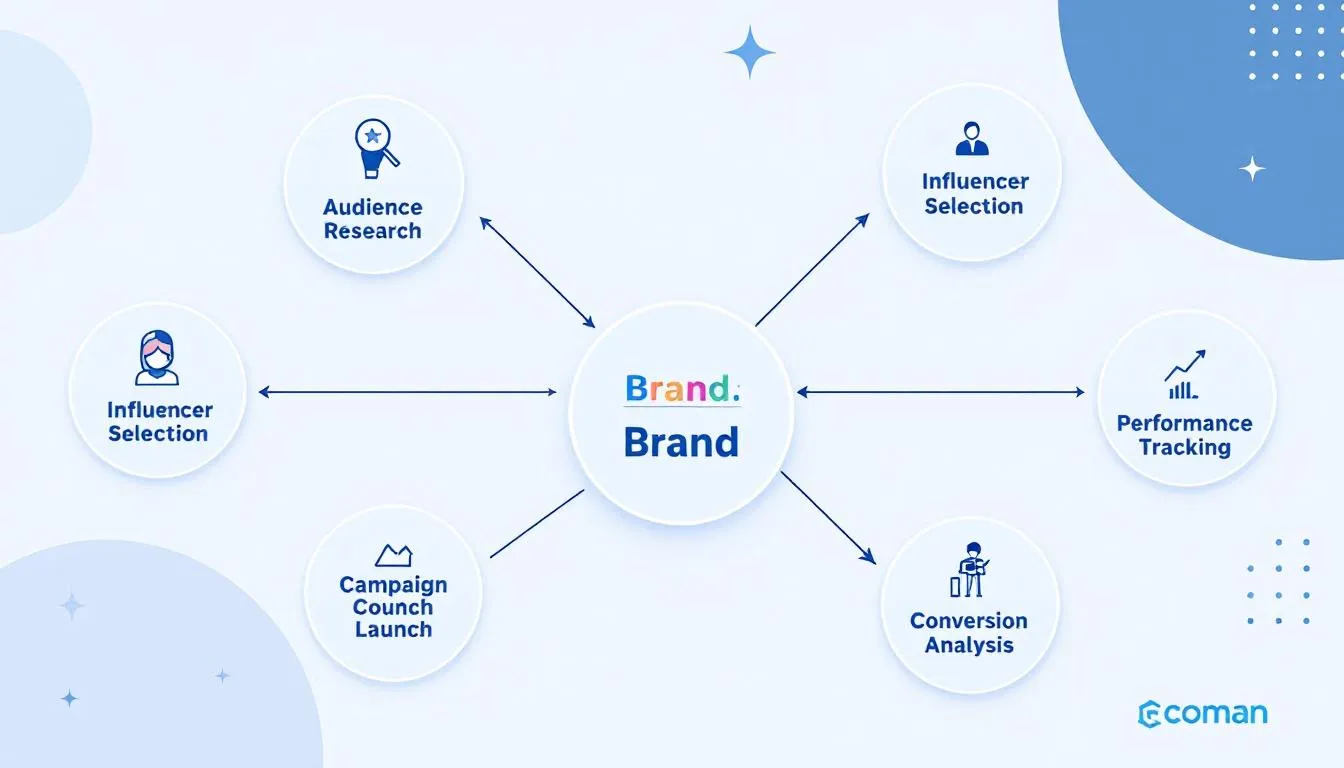
Influencer marketing has become a powerful tool for increasing brand awareness and credibility in e-commerce. Partnering with influencers allows brands to access niche audiences and enhance their trustworthiness. Research indicates that more than 80% of marketers consider influencer marketing to be very effective.
Consumers often view influencers as trusted advisors, making their endorsements highly impactful. When influencers advocate for a brand, it cultivates trust between the influencer’s audience and the products.
Affiliate marketing is a performance marketing strategy where an affiliate promotes a product in exchange for a sales commission. Affiliates can promote a company's products through various channels including blogs, social media, and email campaigns. This trust can significantly shorten the sales cycle and drive conversions.
Choosing the right influencers is crucial for a successful campaign. Key factors to consider include audience reach, engagement levels, and alignment with the brand’s values. Both influencer and affiliate marketing leverage the credibility and reach of trusted figures to drive sales. Long-term collaborations with influencers can foster deeper connections with audiences and boost brand loyalty.
Tracking metrics such as engagement rates, impressions, and conversion rates is essential for measuring the effectiveness of influencer marketing campaigns.
After leveraging influencers and affiliates, user-generated content can further enhance your brand’s authenticity and support local marketing efforts to drive measurable footfall.
Leveraging User Generated Content
User-generated content (UGC) has become an essential element of modern e-commerce marketing strategies. This type of content is often perceived as more trustworthy than traditional advertising, leading to increased consumer trust. Showcasing real customer experiences through product reviews, photos, and testimonials enhances business credibility and relatability.
Examples of UGC
Examples of UGC include:
-
Customer reviews
-
Pictures of customers using products
-
Social media posts featuring the brand
For instance, Colourpop Cosmetics successfully utilized TikTok tutorials from happy customers to feature their products, demonstrating the power of UGC in increasing engagement and sales. Online reviews significantly impact sales and reputation, with many shoppers reading multiple reviews before making a purchase.
How to Leverage UGC
To leverage UGC effectively, businesses can:
-
Host contests and giveaways, encouraging customers to share their experiences.
-
Include reviews on product pages to greatly influence purchasing decisions.
-
Address negative reviews positively to improve public perception.
UGC is free to use but requires permission for posting rights, making it a cost-effective and impactful marketing tool.
As you build trust with UGC, personalization can take your customer relationships to the next level.
Personalization in E Commerce Marketing
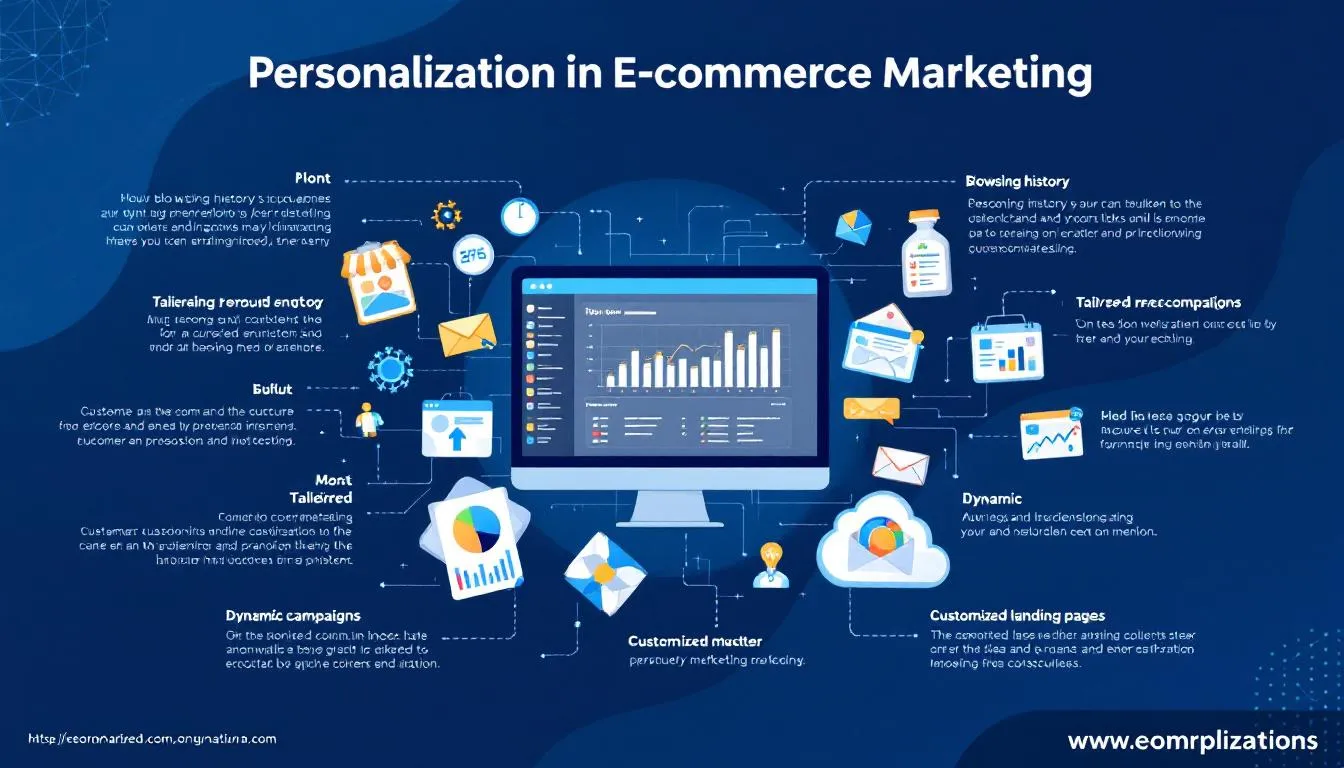
Personalization in e-commerce marketing significantly enhances customer loyalty and trust in a brand. Research suggests that tailored shopping experiences can lead to a revenue increase of up to 15%. Personalization in e-commerce marketing relies on data analytics to tailor the customer experience. Customers who experience personalized interactions are more likely to become repeat buyers, making personalization a crucial strategy for e-commerce businesses.
Audience Segmentation
Audience segmentation is essential for effective personalization, allowing businesses to deliver targeted messaging to defined customer groups. Segmentation can be used to:
-
Personalize discounts and offerings based on customers’ unique interests, thereby increasing engagement and sales.
Generative AI Tools
Generative AI tools can:
-
Automate product recommendations
-
Create personalized messages
-
Build tailored landing pages
These capabilities enhance customer engagement.
Consumers expect companies to adapt to their needs, with:
-
65% expressing this expectation.
-
Personalization techniques, such as using customer names in advertising messages, having a much higher conversion rate.
-
Over 80% of consumers willing to share their data for a more tailored shopping experience, reflecting changing behavior.
This underscores the importance of clean, accessible data and advanced personalization strategies.
With personalization in place, optimizing for mobile ensures your customers have a seamless experience wherever they shop.

Mobile Optimization for Online Retailers
Mobile optimization is critical for e-commerce businesses, as mobile devices account for a vast majority of shopping cart abandonments. Enhancing mobile optimization can drastically improve user experience and drive sales. Conversion Rate Optimization (CRO) enhances user experience to increase the percentage of visitors who become customers. This involves optimizing call-to-action buttons to be at least 44px by 44px, making them easy to tap on mobile screens.
Form fields should be designed with mobile users in mind, featuring expandable text areas and straightforward error messages to enhance usability. Businesses should also employ features like click-to-call buttons to enhance customer support accessibility on mobile platforms. Streamlining the checkout process on mobile can reduce abandonment rates, which are alarmingly high at 76.59%.
To enhance navigation on mobile, businesses should:
-
Opt for collapsible menus
-
Limit the number of visible options
Augmented reality (AR) features are also becoming popular, with 61% of online shoppers preferring AR when interacting with products. Focusing on mobile optimization allows online retailers to provide a seamless shopping experience that meets modern consumer expectations in their online store and can help increase online sales.
Once your site is mobile-optimized, marketing automation can help you scale your efforts efficiently.
Utilizing Marketing Automation
Marketing automation enhances operational efficiency for e-commerce businesses by:
-
Automating routine tasks, thereby saving time and resources.
-
Significantly increasing conversion rates by delivering targeted messages to customers at optimal moments.
-
Improving the overall customer experience during the purchasing process through real-time personalized interactions.
Benefits of Automated Email Systems
Automated email systems offer several advantages for businesses:
-
They allow direct engagement with potential customers, such as through abandoned cart follow-ups, encouraging purchase completion.
-
They reduce human errors, ensuring higher accuracy in order processing and customer data management.
-
They include fraud detection capabilities that help mitigate financial losses by monitoring transactions for suspicious activities.
Omnichannel marketing automation ensures consistent messaging across all customer touchpoints, enhancing brand recognition and driving traffic. Integrating marketing automation into strategies helps e-commerce businesses foster customer loyalty and optimize marketing efforts for better results.
With automation in place, it’s important to measure your digital marketing success to ensure ongoing improvement.
Measuring Digital Marketing Success
Measuring the success of digital marketing efforts is vital for e-commerce businesses. Key metrics to track include:
-
Conversion rates
-
Revenue
-
Customer acquisition cost (CAC)
-
Average order value (AOV)
Retargeting shows personalized ads to users who visited a site but did not make a purchase, aiding in recovering abandoned carts. Regular monitoring of these key performance indicators (KPIs) is essential to adjust strategies and stay aligned with marketing goals.
Steps for Ongoing Measurement
-
Conduct performance reviews weekly or bi-weekly.
-
Continuously evaluate marketing efforts to ensure they are effective.
-
Align marketing strategies with business objectives through regular assessment.
Data analysis helps unlock insights, allowing businesses to spot trends and make informed decisions that enhance marketing performance. Understanding the effectiveness of marketing tactics enables businesses to optimize strategies for better results. Regularly analyzing and adjusting marketing efforts based on data insights is crucial for sustained growth and success in the competitive e-commerce landscape.
After measuring your results, focus on customer retention to maximize the value of every customer.
Customer Retention Strategies
Customer retention is a critical measure of an e-commerce brand’s ability to keep customers from leaving or becoming inactive. A high retention rate indicates customer satisfaction and loyalty, while a low retention rate may suggest dissatisfaction. Retaining customers is often more cost-effective than acquiring new ones, making it a key focus for e-commerce businesses.
Incentives and Loyalty Programs
Offering incentives like discounts or loyalty points can motivate loyal customers to return. Customer loyalty programs incentivize purchases, referrals, and keep the brand memorable. For example, rewarding customers through point-based rewards for discounts, free shipping, and gifts can significantly boost repeat business.
Exceptional Customer Service
Providing exceptional customer service is crucial for customer retention. Key strategies include:
-
Prompt and polite responses to enhance loyalty.
-
Following up after purchases with thank-you emails or retargeting ads to create a sense of loyalty among customers.
-
Post-purchase follow-ups can encourage repeat business and increase overall customer lifetime value.
-
Focusing on customer satisfaction and engagement to foster long-term relationships and drive sustained growth.
With a loyal customer base, you’re well-positioned to capitalize on future trends in e-commerce marketing.
Future Trends in E Commerce Marketing
As we look toward the future, several emerging trends are set to shape e-commerce marketing. Zero-party data strategies are gaining traction, allowing retailers to collect data directly from consumers with their consent, enhancing personalization efforts. Augmented reality (AR) is also playing a significant role in enhancing the online shopping experience by allowing consumers to visualize products in real-world environments before purchase.
Voice search is becoming increasingly popular, with over 60% of consumers now preferring it for finding products. This trend simplifies the search process and provides a more convenient shopping experience. Additionally, new technologies and strategies are continually emerging, offering innovative ways for businesses to engage customers and drive growth.
Staying updated with these trends and adapting to new technologies is crucial for online business and ecommerce businesses. In 2023, global advertising spend grew about +5–6% to roughly $853–875 billion (MAGNA: $853B; GroupM: $874.5B). Embracing these advancements allows businesses to enhance marketing strategies, better meet customer expectations, and maintain a competitive edge in the ever-evolving digital landscape by offering services online through an ecommerce platform.
Summary
In summary, the top digital marketing strategies for e-commerce in 2025 encompass a wide range of tactics, from SEO and social media marketing to influencer collaborations and marketing automation. Each strategy plays a crucial role in driving traffic, increasing sales, and building brand awareness. By implementing these strategies, businesses can create a seamless and engaging customer experience that fosters loyalty and growth.
An all-encompassing ecommerce marketing strategy covers everything from optimizing your website and promoting products to launching targeted email campaigns and paid advertising.
Staying updated with the latest trends and technologies is essential for maintaining a competitive edge in the dynamic e-commerce landscape. As consumer behavior and market conditions evolve, businesses must remain adaptable and continuously refine their marketing efforts to meet changing demands.
By leveraging the insights and strategies discussed in this guide, you can enhance your e-commerce marketing efforts, drive sustained growth, and achieve long-term success. Embrace the opportunities that digital marketing offers and take your online business to new heights.
Frequently Asked Questions (FAQs)
What is an effective e-commerce marketing strategy?
An effective e-commerce marketing strategy is a comprehensive plan that combines various digital marketing tactics to attract, engage, and convert potential customers. It involves optimizing your online store, leveraging social media platforms, utilizing paid advertising, and employing content marketing and email campaigns. The strategy should be data-driven, targeting the right customer segments based on customer behavior insights to maximize ROI and drive online sales. E commerce marketers also focus on creating a seamless customer journey that nurtures prospects from awareness through to purchase and beyond, fostering long-term loyalty. Incorporating inbound marketing principles helps attract new customers by providing valuable content and experiences tailored to their needs.
How can I measure the success of my e-commerce marketing efforts?
Measuring the success of your e-commerce marketing efforts requires tracking key performance indicators (KPIs) such as website traffic, conversion rates, customer acquisition cost, average order value, and customer retention rates. Using analytics tools integrated with your ecommerce marketing tools helps you analyze customer tendancies and marketing campaign performance. Regularly reviewing these metrics allows you to optimize your marketing strategy and improve results over time. Monitoring your search engines rankings and organic traffic is also crucial, as higher visibility can significantly increase qualified visitors to your ecommerce business.
What are the essential ecommerce marketing tools for online businesses?
The right ecommerce marketing tools are crucial for streamlining and enhancing your marketing efforts. Essential tools include SEO software for search engine optimisation, email marketing platforms for automated campaigns, social media management tools, pay-per-click (PPC) advertising platforms, and customer relationship management (CRM) systems. These tools help you target customers effectively, personalize communication, automate repetitive tasks, and analyze data to refine your e-commerce marketing strategy. Additionally, tools that support tracking the entire customer journey enable e commerce marketers to deliver personalized experiences and timely messaging that improve engagement and conversions.
How do I choose the right ecommerce marketing tools for my business?
Choosing the right ecommerce marketing tools depends on your business size, budget, marketing goals, and the channels you prioritize. Look for tools that integrate seamlessly with your ecommerce platform and offer features aligned with your marketing strategy, such as advanced segmentation, automation capabilities, and detailed analytics. Prioritize tools that help you understand customer behaviour and enable personalized marketing efforts to improve engagement and sales. Tools that facilitate inbound marketing tactics, like content creation and lead nurturing, are especially valuable for attracting and retaining customers in a competitive ecommerce business environment.
Why is understanding customer behavior important?
It is vital because it allows you to tailor your e-commerce marketing strategy to meet the needs and preferences of your audience. By analyzing how customers interact with your online store and marketing campaigns, you can identify patterns, segment your audience effectively, and deliver personalized content and offers. This leads to higher engagement, increased conversions, and improved customer retention, making your marketing efforts more efficient and impactful. Moreover, insights into this enable e commerce marketers to optimize each stage of the customer journey, ensuring that marketing messages resonate and drive action at the right time.
What are some common ecommerce marketing tactics that I should consider?
Common ecommerce marketing tactics include search engine optimization (SEO) to enhance organic visibility, pay-per-click (PPC) advertising to drive targeted traffic, social media marketing to build brand awareness and engagement, email marketing campaigns for customer retention and promotions, and content marketing to educate and attract potential buyers. Additionally, influencer marketing and affiliate marketing can expand your reach by leveraging trusted voices. Retargeting ads are also effective in recovering abandoned carts and encouraging repeat purchases. Combining these tactics within a cohesive marketing plan ensures comprehensive coverage of the customer journey.
How often should I review and update my ecommerce marketing plan?
Regularly reviewing and updating your ecommerce marketing plan is essential to stay aligned with evolving customer preferences, market trends, and business goals. It is advisable to conduct performance reviews at least quarterly, analyzing KPIs and campaign results to identify what’s working and what needs adjustment. More frequent monitoring, such as monthly or bi-weekly, can help you make timely tweaks to campaigns, especially for paid advertising and seasonal promotions. Staying agile and responsive ensures your marketing efforts remain effective and competitive.
How can I use customer feedback to improve my marketing?
It is a valuable resource for refining your digital marketing strategy. By collecting reviews, surveys, and direct feedback, you gain insights into customer satisfaction, pain points, and preferences. This information can guide product development, content creation, and personalized offers. Addressing negative feedback transparently can improve brand reputation and customer trust. Moreover, showcasing positive testimonials and user-generated content in your marketing materials enhances authenticity and social proof, encouraging new customers to engage and convert.
What role does personalization play in e-commerce marketing?
Personalization plays a critical role in e-commerce marketing by delivering tailored experiences that resonate with individual customers. Using data on past purchases, browsing behavior, and demographics, businesses can customize product recommendations, email content, and targeted ads. Personalized marketing increases relevance, engagement, and conversion rates while fostering customer loyalty. Advanced personalization techniques, often powered by AI and automation, allow ecommerce marketers to send timely, contextually appropriate messages that enhance the overall shopping experience.
How important is mobile optimization for e-commerce?
Mobile optimization is crucial as a significant portion of online shopping now occurs on mobile devices. A mobile-friendly website with fast loading times, intuitive navigation, and easy checkout processes reduces cart abandonment and improves user experience. Mobile optimization also impacts SEO rankings, as search engines prioritize mobile-responsive sites. Incorporating mobile-specific marketing tactics, such as SMS campaigns and mobile ads, further enhances your reach and engagement with customers on their preferred devices.
What are the benefits of integrating marketing automation into my ecommerce marketing efforts?
Marketing automation streamlines repetitive tasks such as sending welcome emails, abandoned cart reminders, and personalized promotions. It improves operational efficiency, ensures timely communication, and enhances customer engagement by delivering relevant messages based on user behavior. Automation also provides valuable data insights, enabling continuous optimization of marketing campaigns. By integrating marketing automation, ecommerce businesses can nurture leads more effectively, increase conversion rates, and foster long-term customer loyalty.

0 comments