

Introduction: How Do SEO Works with Search Engines
SEO stands for "Search Engine Optimization", which is the process of getting traffic from free, organic, editorial, or natural search results in search engines. This guide is for business owners, marketers, and anyone interested in understanding how SEO works. Understanding SEO is essential for digital marketing success because it empowers you to increase your website’s visibility, attract more qualified leads, and achieve sustainable growth online.
Search engine optimization (SEO) is a crucial digital marketing practice that enhances a website’s visibility on search engines like Google, Bing, and others. This guide explains how SEO works, step by step, and how you can use it to improve your website’s visibility. But how do SEO works in tandem with search engines? Search engines use complex algorithms and search engine crawlers to discover, analyze, and rank web pages based on a user’s search query. Search engines use crawlers (or bots) that scour the internet, hopping from link to link to discover new content. Factors such as page speed, site structure, content quality, and keyword relevance influence how search engines work to deliver the most relevant search results.
Understanding how search engines work is the foundation for developing an effective SEO strategy that can boost your website’s organic search traffic and improve its ranking on search engine results pages (SERPs).
Summary: How Do SEO Works?
SEO works by helping search engines discover, crawl, index, and rank your website’s pages. By optimizing keywords, improving site architecture, creating high-quality content, and building authoritative backlinks, SEO increases your site's relevance and authority, which leads to higher rankings and more organic search traffic.
Understanding How Search Engines Work and Deliver Search Results
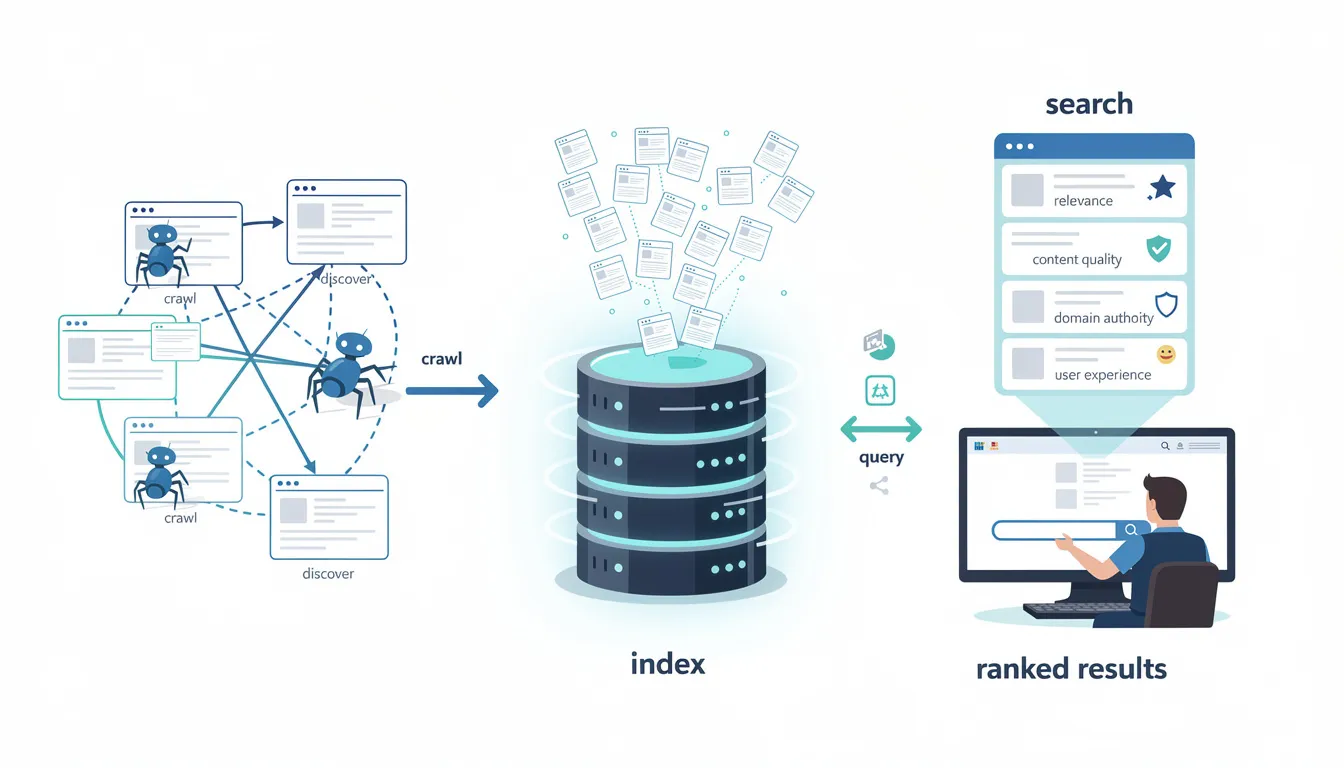
Search engines work by crawling the web using automated bots or spiders that follow internal and external links to discover new and updated web pages. Once discovered, these pages are indexed into a massive database. When a user enters a search term, the search engine retrieves and ranks pages based on relevance, content quality, domain authority, and user experience factors.
Search results pages (SERPs) include both paid search results and organic search results. Paid search results appear at the top or bottom of the page and are marked as ads, while organic search results are ranked by relevance and quality without payment.
Transitioning from understanding how search engines operate, the next step is to develop an effective SEO strategy that aligns with these processes.
Developing an Effective SEO Strategy
A strong SEO strategy combines several key components: keyword research, on page SEO, off page SEO, and technical SEO. This strategy must align with your overall digital marketing goals and target audience. Understanding user intent and the search terms your audience uses helps you create relevant content that fulfills their needs.
Regular monitoring and adjustment of your SEO strategy are essential as search engines continuously update their algorithms. A good SEO strategy adapts to these changes to maintain and improve search rankings.
Keyword Research
Conducting thorough keyword research is the foundation of any successful SEO strategy. It involves identifying the search terms your target audience uses and understanding their intent.
On Page SEO
On page SEO focuses on optimizing individual web pages to improve search visibility and user experience. This includes using relevant keywords, optimizing meta tags, and ensuring high content quality.
Off Page SEO
Off page SEO involves building authority and trust through link building and other external signals, such as social media engagement and brand mentions.
Technical SEO
Technical SEO ensures your website is crawlable and indexable by search engines. Key aspects include optimizing URL structure, improving site speed, ensuring mobile-friendliness, and implementing HTTPS for security. Core Web Vitals focus on fast loading speeds, interactivity, and visual stability.
Transitioning from strategy development, let’s break down the SEO process step by step to see how these elements come together.
How does SEO work step by step?
The SEO process includes three key steps: Crawling, Indexing, and Ranking.
-
Crawling: Search engines use crawlers (or bots) that scour the internet, hopping from link to link to discover new content.
-
Indexing: Once discovered, web pages are stored in a database for retrieval.
-
Ranking: When a user performs a search, the search engine ranks the indexed pages based on relevance, quality, and user experience to deliver the best results.
How exactly does SEO work?
SEO helps search engines understand your website content and signals its relevance for specific search queries. By optimizing keywords, improving site structure, and building authority through backlinks, SEO ensures your pages are more likely to appear higher in search engine results pages (SERPs), driving organic traffic to your site.
What is digital marketing and search engine optimization?
Digital marketing encompasses all marketing efforts that use the internet or electronic devices. SEO is a key component of digital marketing focused on optimizing websites to improve visibility in organic search results. Together, they help businesses attract and engage their target audience online effectively.
Now that you understand the step-by-step process of SEO, let’s explore the different types of SEO and the strategies that drive success.
What are the 4 types of SEO?
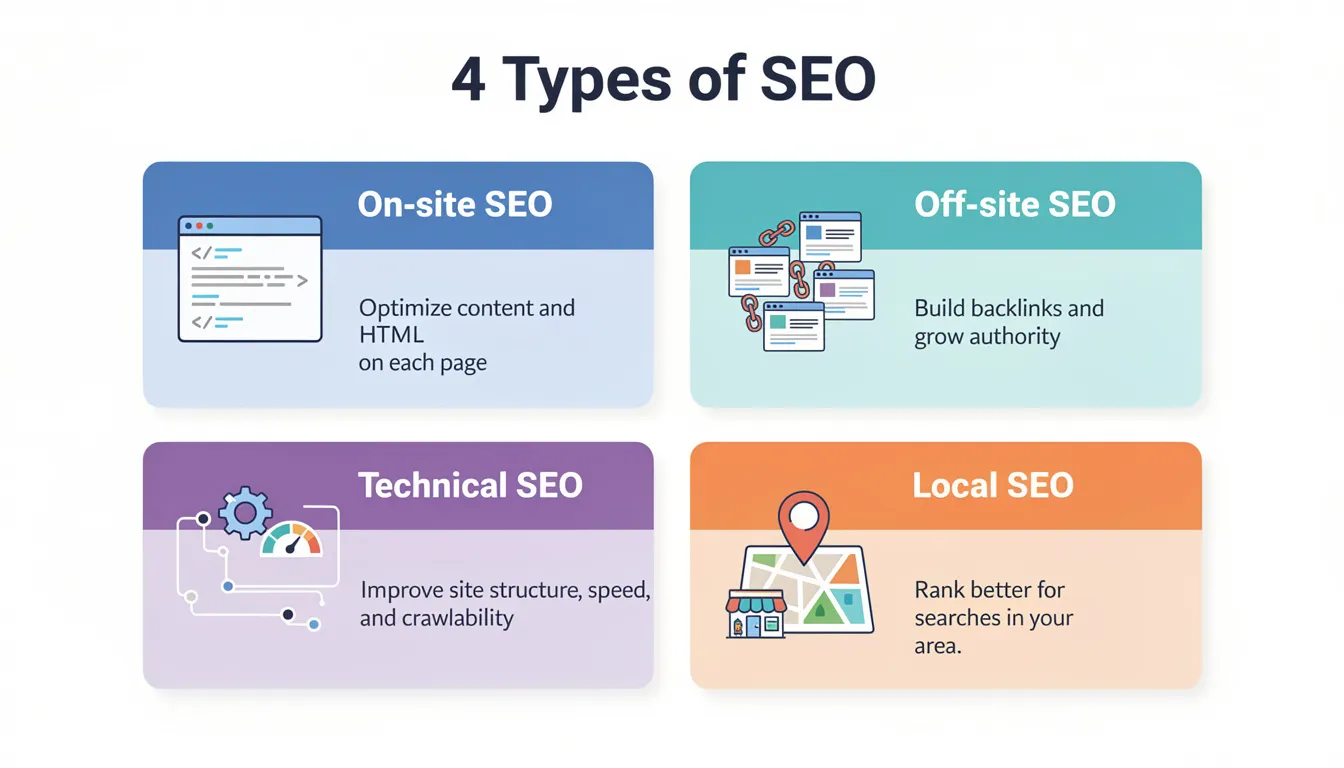
The four main types of SEO are:
-
On-site SEO: Optimizing content and HTML source code on individual pages.
-
Off-site SEO: Building backlinks and enhancing your website’s authority.
-
Technical SEO: Improving site architecture, crawlability, and user experience.
-
Local SEO: Optimizing your website to rank better in local search results, critical for businesses serving specific geographic areas.
What are the top 5 SEO strategies?
Effective SEO strategies include:
-
Conducting thorough keyword research to target relevant search terms.
-
Creating high-quality, engaging, and optimized content.
-
Building authoritative backlinks through off page optimization.
-
Enhancing technical SEO to improve site speed, mobile-friendliness, and crawlability.
-
Monitoring and analyzing SEO performance to refine tactics continually.
What is the 80/20 rule for SEO?
The 80/20 rule in SEO suggests that 80% of your results come from 20% of your efforts. This means focusing on the most impactful SEO activities—such as targeting high-value keywords and optimizing key pages—can drive the majority of your organic traffic and rankings.
What is the 80/20 rule in SEO?
Similar to the above, it emphasizes prioritizing SEO tasks that deliver the greatest return on investment, allowing marketers to allocate resources efficiently for maximum impact.
With a solid understanding of SEO types and strategies, let’s dive deeper into the core components of SEO, starting with on page optimization.
On Page SEO: Optimizing Your Website Content and Structure
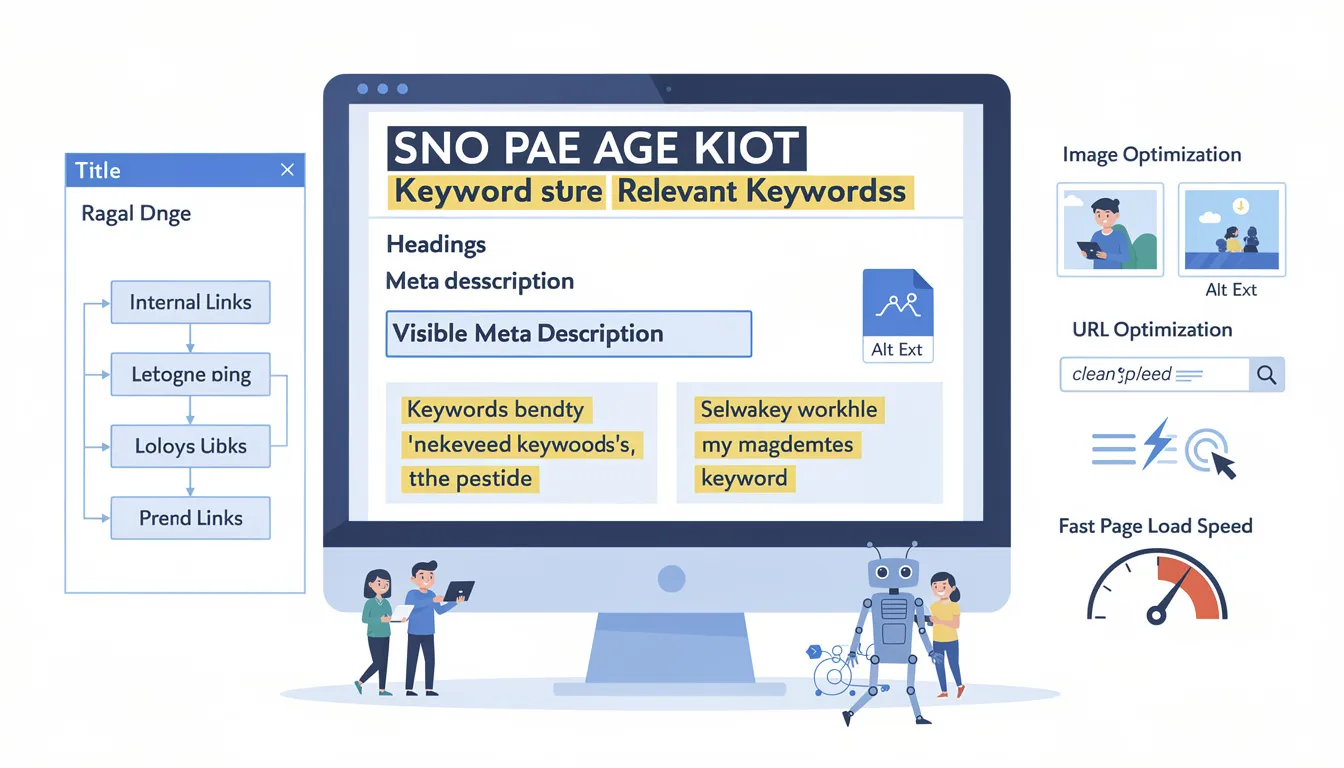
On page SEO focuses on optimizing individual web pages to improve search visibility and user experience. Key elements include:
-
Using relevant keywords strategically in titles, headings, meta descriptions, and content.
-
Creating high content quality that provides value and answers user queries.
-
Optimizing images, URLs, and page load speed.
-
Ensuring a clear and logical site structure with internal links that guide users and search engines.
Proper on page SEO helps search engines understand your website’s content and structure, improving your chances of ranking higher for relevant searches.
How to use SEO in digital marketing?
SEO integrates into digital marketing by driving organic search traffic to your website, complementing paid advertising, social media marketing, and content marketing. It helps increase brand visibility, attract qualified leads, and improve conversion rates sustainably.
What is an example of search engine optimization in digital marketing?
An example is optimizing a blog post with targeted keywords, meta descriptions, and internal links to rank higher on Google for a specific topic. This increases organic traffic and supports other digital marketing channels by providing valuable content to users.
What is an example of SEO marketing?
SEO marketing includes creating optimized website pages, producing keyword-rich blog content, and building backlinks to improve search engine rankings and drive organic traffic to a business website.
While on page SEO is crucial, building authority through off page SEO is equally important, which we will explore next.
Off Page SEO: Building Authority and Trust Through Link Building
Off page SEO involves activities outside your website that influence your search engine rankings. The primary focus is link building — acquiring high-quality, relevant, and authoritative backlinks from other reputable websites. These incoming links act as votes of confidence, signaling to search engines that your site is trustworthy and valuable.
Social media marketing and content marketing also contribute to off page SEO by increasing your brand’s online presence and reputation. Building a strong online reputation through off page SEO efforts is essential for long-term SEO success.
What is SEO and how does it work with examples?
SEO works by optimizing your website and building authority so search engines rank your pages higher. For example, a local bakery optimizing its website for "best cupcakes near me" and earning backlinks from local food bloggers can improve its local SEO and attract more customers.
What is the main purpose of SEO?
The main purpose of SEO is to increase organic search traffic by improving a website’s visibility and ranking on search engine results pages for relevant keywords, ultimately driving more qualified visitors and potential customers.
Transitioning from off page SEO, let’s focus on the importance of content creation and optimization for SEO success.
Content Creation and Content Optimization for SEO
The Importance of Content Quality
Content quality is at the heart of SEO. Creating valuable, informative, and engaging content attracts and retains visitors while signaling to search engines that your site is authoritative. Content optimization involves incorporating relevant keywords naturally, crafting compelling meta descriptions, and using headings to organize information clearly.
Keyword Research for Content
Conducting thorough keyword research allows you to understand what your target audience is searching for, enabling you to tailor your content accordingly. Content marketing is a long-term SEO strategy that improves your site’s authority and user engagement.
Content Optimization Techniques
-
Use relevant keywords naturally throughout your content.
-
Write compelling meta descriptions and titles.
-
Structure content with headings and subheadings.
-
Add internal and external links to provide value and context.
What is SEO basics?
SEO basics involve understanding how search engines work, conducting keyword research, optimizing on-site and off-site elements, and continuously measuring and improving your SEO efforts to enhance organic search visibility.
With optimized content in place, the next step is to enhance your website’s organic search visibility.
Enhancing Organic Search Visibility
Why Organic Search Matters
Organic search results are the most valuable source of website traffic because they are free and sustainable. Improving your organic search visibility requires a balanced combination of technical SEO, on page SEO, and off page SEO.
Monitoring and Improving Visibility
Monitoring organic search traffic through tools like Google Analytics and Google Search Console helps you track performance and identify areas for improvement. Adjusting your SEO strategy based on data ensures continued growth in visibility and traffic.
Is 75 a good SEO score?
An SEO score of 75 indicates good optimization but also suggests there is room for improvement. Scores vary depending on the tool used, but generally, a score above 70 is positive, reflecting solid SEO practices with potential for further enhancements.
To further boost your website’s reach, consider complementing your SEO efforts with paid search advertising.
Paid Search: Complementing SEO with Paid Advertising
Paid search results, often managed through platforms like Google Ads, appear above organic results and provide immediate visibility. Unlike organic search, paid search requires a budget and delivers quick results through pay-per-click (PPC) advertising.
Using paid search alongside SEO can create a comprehensive search marketing approach, maximizing your brand’s presence in search engine results and driving targeted traffic to your website.
Combining paid and organic strategies, let’s look at the role of an SEO specialist in driving your digital marketing success.
The Role of an SEO Specialist in Driving Success
An SEO specialist brings expertise in keyword research, on page SEO, off page SEO, technical SEO, and content optimization. They develop and implement SEO strategies tailored to your business goals, saving time and improving results.
SEO specialists also stay current with the latest search engine algorithm updates and SEO best practices, ensuring your website remains competitive in search rankings.
What is SEO job salary?
SEO job salaries vary by experience, location, and role but generally range from $40,000 to $90,000 annually for mid-level specialists in the US. Senior SEO managers or specialists with advanced skills can earn upwards of $100,000.
A strong SEO foundation relies on technical SEO and a well-structured website, which we’ll discuss next.
Technical SEO and Site Structure: Building a Strong Foundation
Technical SEO ensures your website is crawlable and indexable by search engines. Key aspects include:
-
Optimizing URL structure and navigation.
-
Ensuring fast page load speeds and mobile-friendliness.
-
Implementing HTTPS for site security.
-
Using structured data (schema) to help search engines understand your content.
A well-planned site structure with clear navigation and internal linking improves both user experience and search engine crawling efficiency, which positively impacts your SEO.
With your technical foundation in place, it’s important to measure your SEO success and make data-driven improvements.
Measuring SEO Success: Key Metrics and Tools
Measuring SEO performance is vital to understand what’s working and where to improve. Important metrics include:
-
Organic search traffic
-
Search engine rankings
-
Bounce rate
-
Conversion rates
Tools such as Google Analytics and Google Search Console provide valuable insights into your website’s SEO health and user behavior. Regular analysis helps refine your SEO strategy for better results.
By tracking these metrics, you can identify challenges and avoid common SEO mistakes, which we’ll cover next.
Common SEO Challenges and How to Avoid Mistakes
Common SEO challenges include ineffective keyword research, poor content quality, and insufficient link building. Avoiding mistakes like keyword stuffing, duplicate content, and broken links is crucial.
Staying informed about SEO trends and algorithm changes through reputable SEO blogs, forums, and conferences helps you maintain a successful SEO strategy.
With these best practices in mind, let’s summarize how mastering SEO can drive your digital marketing growth.
Conclusion: Mastering How Do SEO Works for Digital Marketing Growth
Understanding how do SEO works with search engines and implementing a comprehensive SEO strategy that includes on page SEO, off page SEO, content optimization, and technical SEO is essential for driving organic search traffic and improving search rankings.
Combining SEO efforts with paid search advertising and working with an experienced SEO specialist can maximize your website’s visibility and business growth in today’s competitive digital landscape. Regular monitoring, continuous learning, and adapting to changes ensure your SEO success over the long term.
Frequently Asked Questions (FAQs) About SEO
What does SEO stand for?
SEO stands for Search Engine Optimization. It is the process of optimizing your website's content, structure, and technical elements to improve its visibility and ranking on search engine results pages (SERPs) for relevant keywords.
How do SEO works?
SEO works by helping search engines discover, crawl, index, and rank your website’s pages. By optimizing keywords, improving site architecture, creating high-quality content, and building authoritative backlinks, SEO increases your site's relevance and authority, which leads to higher rankings and more organic search traffic.
Why is SEO important for digital marketing?
SEO is a fundamental part of digital marketing because it drives organic search traffic—visitors who find your site through unpaid search results. This traffic is highly valuable as it is often targeted and intent-driven. Good SEO helps increase brand visibility, credibility, and long-term sustainable growth without the ongoing costs associated with paid advertising.
What are the main types of SEO?
The main types of SEO include:
-
On-page SEO: Optimizing individual web pages, including content, meta tags, and internal links.
-
Off-page SEO: Building backlinks and improving your website’s authority through external signals.
-
Technical SEO: Enhancing site architecture, crawlability, mobile-friendliness, and page speed.
-
Local SEO: Optimizing your online presence to attract customers from specific geographic locations.
How long does it take to see results from SEO?
SEO is a long-term strategy. Typically, it can take anywhere from 3 to 6 months to start seeing noticeable improvements in search rankings and organic traffic. Results depend on factors such as competition, site authority, content quality, and the effectiveness of your SEO efforts.
What is keyword research and why is it important?
Keyword research is the process of identifying the search terms your target audience uses when looking for products, services, or information. It is crucial because it guides your content creation and optimization efforts, ensuring your website ranks for relevant keywords that drive qualified traffic.
Can I do SEO myself or should I hire a specialist?
You can definitely start learning and implementing SEO yourself using available tools and resources. However, because SEO involves technical, content, and strategic expertise, many businesses benefit from hiring an SEO specialist or agency to develop and execute a comprehensive SEO strategy.
What are SEO tools and how do they help?
SEO tools are software platforms that help with keyword research, site audits, backlink analysis, rank tracking, and performance reporting. Popular SEO tools include Google Analytics, Google Search Console, SEMrush, Ahrefs, and Moz. These tools provide insights that help you optimize your website and measure the effectiveness of your SEO efforts.
How do search engines discover and rank my website?
Search engines use automated programs called crawlers or spiders to discover new and updated web pages by following links across the web. Once crawled, pages are indexed in a database. When a user performs a search, the search engine uses complex algorithms to rank pages based on relevance, quality, user experience, and authority, displaying the most useful results on the first page.
What is the difference between SEO and paid search?
SEO focuses on organic search results that are earned through optimization efforts and do not require payment per click. Paid search, such as Google Ads, involves paying for ad placements that appear at the top or bottom of search results. While paid search delivers immediate visibility, SEO offers sustainable, long-term traffic growth.
How can I measure SEO success?
SEO success can be measured using metrics such as:
-
Organic search traffic volume
-
Keyword rankings on SERPs
-
Bounce rate and user engagement
-
Conversion rates from organic traffic
-
Domain authority and backlink quality
Using tools like Google Analytics and Google Search Console helps track these metrics and informs ongoing optimization.
What is local SEO and why is it important?
Local SEO is the practice of optimizing your website and online presence to attract customers from specific geographic areas. It is essential for businesses with physical locations or those serving particular regions, as it helps improve visibility in local search results and Google Business Profile listings.
How does content quality affect SEO?
High-quality content is critical for SEO because it provides value to users, answers their queries, and encourages engagement. Search engines prioritize content that is relevant, informative, well-structured, and trustworthy. Consistently publishing quality content helps build authority and improves your chances of ranking higher in search results.
What is search intent and how does it influence SEO?
Search intent refers to the reason behind a user's search query—whether they are looking to buy something, find information, compare products, or navigate to a specific site. Understanding and targeting search intent ensures your content matches what users want, which improves relevance and ranking potential.
What are backlinks and why are they important for SEO?
Backlinks are links from other websites pointing to your site. They act as votes of confidence, signaling to search engines that your content is trustworthy and authoritative. High-quality backlinks from reputable sites can significantly improve your search engine rankings.
How often should I update my SEO strategy?
SEO is an ongoing process that requires regular monitoring and updating. Search engines frequently update their algorithms, and user behavior evolves over time. Reviewing your SEO strategy at least quarterly ensures you adapt to changes, fix issues, and capitalize on new opportunities.
What is the role of technical SEO?
Technical SEO ensures that your website is accessible and easy to crawl for search engines. This includes optimizing site speed, mobile-friendliness, URL structure, secure connections (HTTPS), and implementing structured data. Technical SEO forms the foundation that supports all other SEO efforts.
Can SEO help with social media marketing?
While social media signals are not direct ranking factors, SEO and social media marketing complement each other. Sharing SEO-optimized content on social platforms increases visibility, drives traffic, and can lead to more backlinks, indirectly benefiting your SEO.
What is search experience optimization?
Search experience optimization (SXO) focuses on improving both search engine rankings and user experience. It combines SEO best practices with usability enhancements, ensuring users find relevant content quickly and have a positive interaction with your website.
How is AI impacting SEO in 2025?
AI technologies are increasingly integrated into search engines and SEO tools. AI helps better understand search intent, generate content, and provide AI-driven search features like AI Overviews and answer engine optimization. Staying updated with AI trends is essential for modern SEO success.
What is the first page in SEO?
The first page refers to the top page of search engine results where most users click. Ranking on the first page, especially among the top results, is critical for attracting organic search traffic and achieving SEO goals.
How big is the SEO industry?
The SEO industry is a rapidly growing sector within digital marketing, valued at billions of dollars globally. It encompasses a wide range of services, tools, and professionals dedicated to improving website visibility and driving search engine traffic.

0 comments