

Introduction to SEO Improvements for Better Search Results
Search Engine Optimization (SEO) remains a cornerstone for enhancing your website’s visibility in search engine results. To achieve meaningful SEO improvements, it’s essential to understand how search engines like Google evaluate and rank websites. In 2026, search engines prioritize context, genuine human insight, and a user-first content approach rather than just keywords. This shift means that your SEO strategy must go beyond simple keyword stuffing to focus on delivering valuable, relevant keywords, well-structured website content that meets user intent.
Setting an SEO Strategy to Improve Search Results and Organic Search Traffic
An effective SEO strategy starts with defining your target audience and understanding their search intent. Conduct thorough keyword research focusing on long-tail and conversational keywords that often have higher conversion potential and appropriate search volume. Use tools like Google Search Console to identify search queries your site ranks for and find corresponding pages that target valuable keywords but rank lower in search results. Combining multiple pages using redirects helps avoid duplicate content and keyword cannibalization, boosting your chances of ranking well. Regularly review and adjust your SEO strategy to align with evolving search engine goals and user behavior.
Creating High Quality Content That Drives Organic Search and Improves SEO Ranking
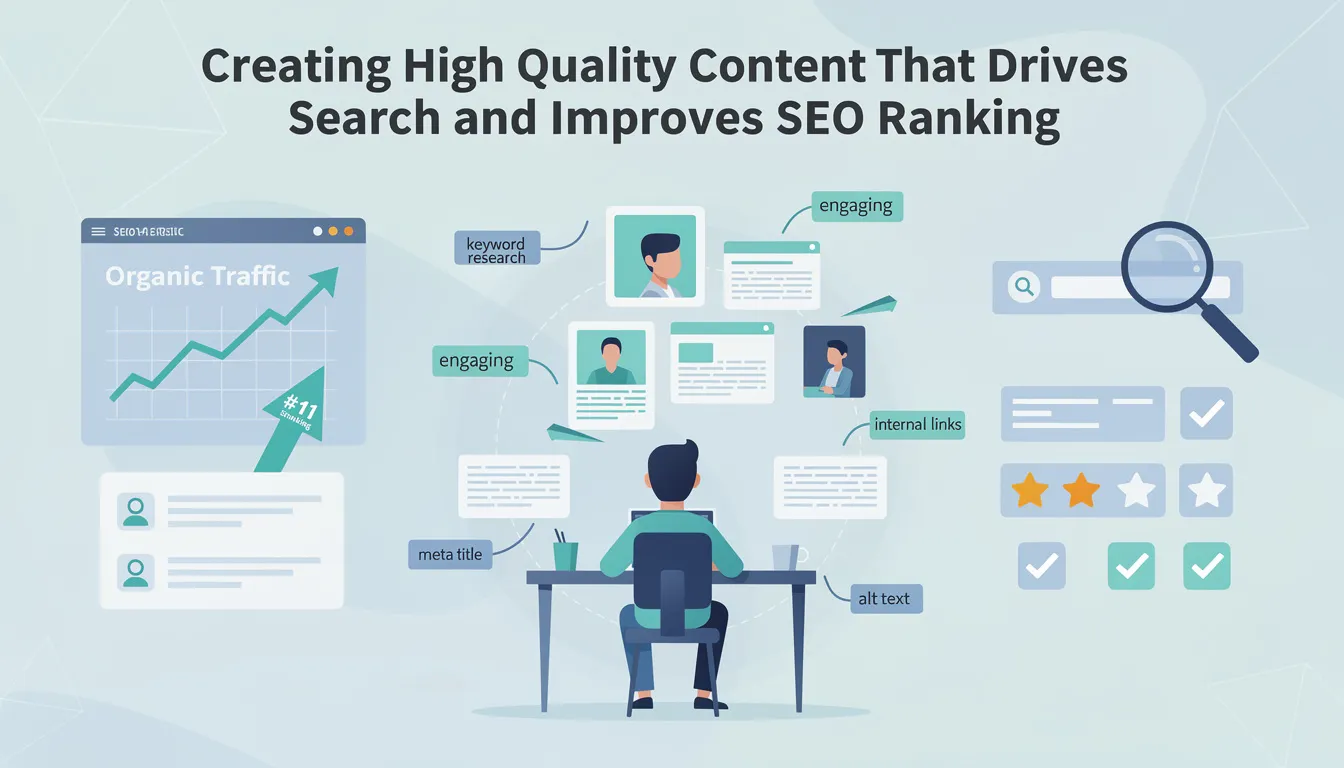
Producing high quality content is vital for SEO improvements. Content that demonstrates Experience, Expertise, Authoritativeness, and Trustworthiness (E-E-A-T) stands out in search engine rankings. Unique, in-depth content with original perspectives and personal storytelling outperforms generic AI-generated text. Content marketers should regularly update website content to enhance the freshness score and credibility. Refreshing existing content is often more efficient than creating new content from scratch, but significant updates to the copy are necessary to keep it relevant and aligned with current trends.
How to Optimize Page Titles, Meta Description, and Meta Tags for SEO Success
Optimizing on-page elements such as page titles, title tags, meta description, and meta tags is fundamental to improve SEO ranking. Use descriptive and keyword-rich page titles to help search engines understand your content’s focus. Write a good meta description to boost click-through rates (CTR) in search results. Incorporate relevant meta tags strategically without over-optimizing. Additionally, use header tags (H1, H2, H3, etc.) to structure your content clearly, improving both readability and search engine crawlers’ comprehension. Ensure title links and URLs are clean and concise to support website SEO.
Technical SEO Foundations: Site Speed, Core Web Vitals, and Semantic Markup to Improve SEO Ranking
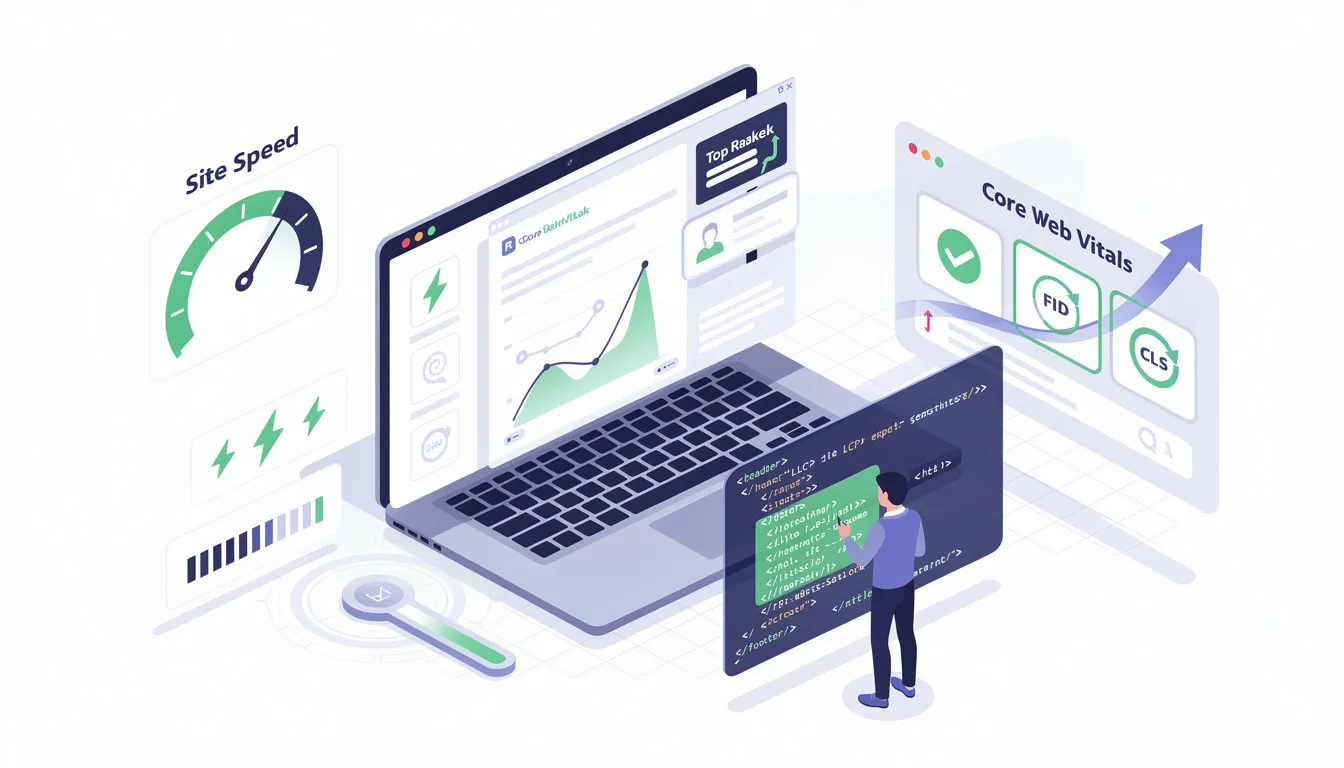
Google prioritizes websites that load quickly, making site speed a critical factor for SEO improvements. Utilize tools like Google's PageSpeed Insights Tool to identify and fix optimization issues, including enabling browser caching and optimizing images. Maintaining excellent Core Web Vitals scores is essential; these include Largest Contentful Paint (LCP), Cumulative Layout Shift (CLS), and Interaction to Next Paint (INP), each with specific performance targets focused on page speed, interactivity, and visual stability. Implement responsive design to ensure mobile friendliness across mobile devices. Using semantic markup with JSON-LD schema helps search engines connect your content to specific entities, enhancing your site’s visibility in search results.
How to Optimize Images with Alt Tags to Enhance SEO and Accessibility
Optimizing images is a key part of on-page SEO. Use alt tags to describe images, which helps search engine crawlers understand the content and improves accessibility for screen readers. Properly optimized images also contribute to faster page load times, enhancing user experience. Regularly review and update image alt text to ensure it remains relevant and descriptive, aligning with your target keyword without keyword stuffing.
Building Topical Authority with Internal Links, Content Clusters, and Links from Other Websites
Building topical authority helps search engines recognize your website as an expert source. Create content clusters around main topics and use descriptive, relevant anchor text for internal links to connect related web pages. This strategy not only improves site structure but also helps Google determine what the linked pages are about, boosting your site’s authority and relevance for a broader range of search queries. Additionally, earning quality backlinks from reputable websites enhances your site’s reputation and search engine success.
Local SEO: Optimizing for Geographic Search Results to Drive Targeted Traffic
For businesses serving specific regions, local SEO is crucial. Use location-specific keywords and phrases to attract local search traffic. Claim and optimize your Google Business Profile listing to improve local search visibility. Ensure your website is listed in local directories and citations to build credibility. Geo-targeted content tailored to local users enhances your presence in local search results, driving more relevant organic search traffic.
Leveraging Featured Snippets and Search Terms to Improve SEO Ranking
Featured snippets provide prime visibility in search results by answering user queries directly. To find featured snippet opportunities, analyze your search terms and optimize relevant pages to answer those queries concisely and clearly. Structuring content to target featured snippets can significantly increase your organic search traffic and improve SEO performance.
Link Building Strategies: Quality Backlinks from Reputable Other Websites
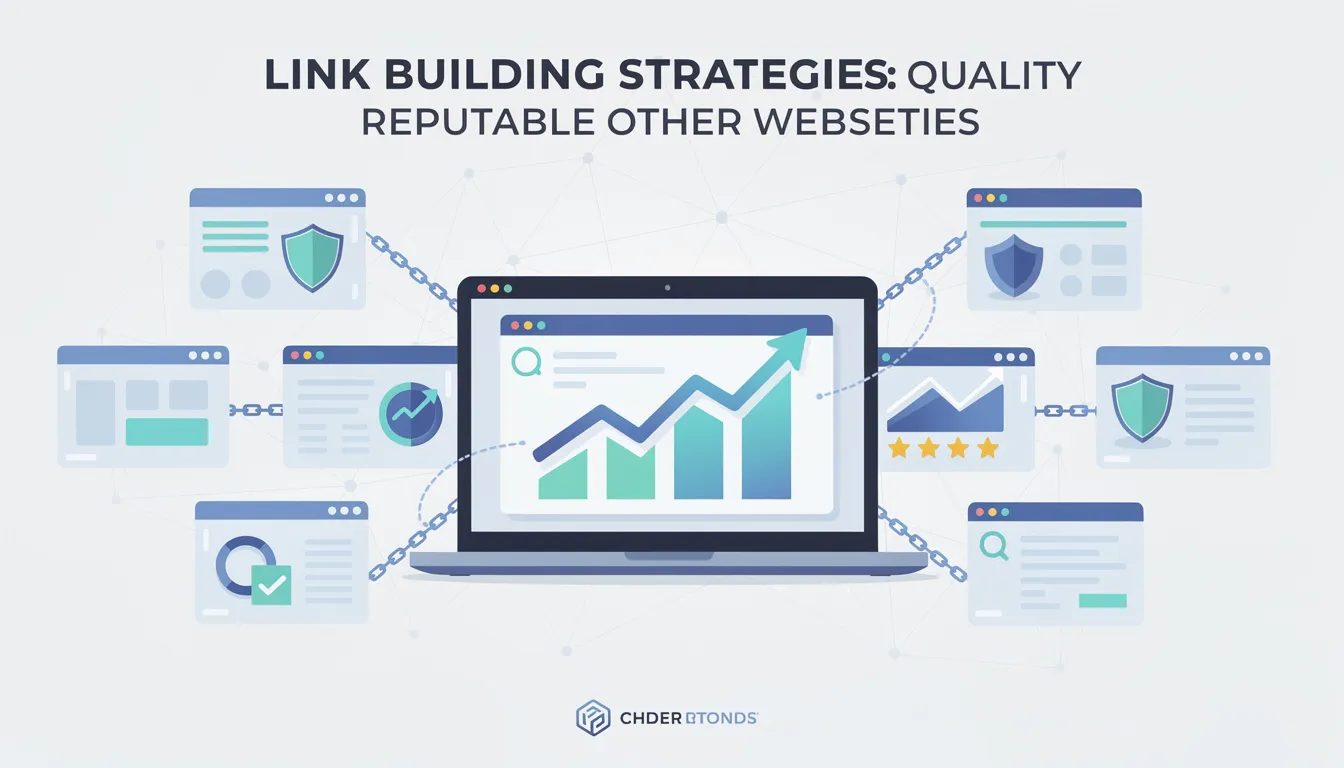
High-quality backlinks from trusted industry sites significantly impact your SEO improvements. Engage in content partnerships and guest blogging to build relationships and earn relevant links. Publishing original research can attract backlinks from other websites seeking to reference your findings. Participate in communities where AI tools pull data, such as Reddit, to build brand authority and increase your share of online conversations. Avoid spammy link building tactics and broken links to maintain your website’s trustworthiness and ranking.
Tracking and Measuring SEO Success with Analytics, SEO Tools, and Continuous Optimization
Website owners should use tools like Google Analytics and Google Search Console to track organic search traffic, search engine rankings, and technical performance. Monitor changes in site speed, mobile friendliness, and user engagement metrics to inform your SEO strategy. Employ A/B testing to measure the impact of SEO changes and continuously refine your approach for better SEO performance.
Conclusion and Call to Action: Partner with Sterling Media & Communications for Expert SEO Improvements
SEO improvements require a comprehensive approach combining technical SEO, content optimization, link building, and user experience enhancements. To maximize your website’s potential and improve your search engine rankings, consider partnering with experts who understand the evolving SEO landscape.
Sterling Media & Communications (smcww.co.uk) offers professional SEO services tailored to your business needs. From optimizing images and page titles to building quality backlinks and enhancing local SEO, their team delivers results that drive organic search traffic and improve your website’s authority. Visit smcww.co.uk today to learn how Sterling Media & Communications can help you achieve sustained SEO success and elevate your online presence.
Frequently Asked Questions (FAQs) About SEO Improvements
What Are SEO Improvements and Why Are They Important?
SEO improvements refer to the ongoing process of optimizing your website to enhance its visibility and ranking in search engine results. These improvements encompass technical SEO, content optimization, link building, and user experience enhancements. Implementing effective SEO improvements is crucial because higher rankings lead to increased organic search traffic, better brand visibility, and ultimately more conversions and business growth. Additionally, combining similar pages using redirects can help avoid keyword cannibalization, ensuring that your site does not compete against itself and boosting your chances of ranking well.
How Can I Use Google Search Console to Improve SEO?
Google Search Console is a powerful tool that helps website owners monitor their site’s performance in Google search results. You can use it to identify search queries your site ranks for, discover pages that need optimization, track indexing status, and find technical issues like broken links or crawl errors. Regularly reviewing data in Google Search Console allows you to make informed SEO improvements that boost your site’s authority and rankings. It also helps you detect any decreases in traffic, especially for content that previously attracted valuable leads, so you can prioritize updates accordingly.
What Is the Role of Content in SEO Improvements?
High-quality, relevant content is at the core of successful SEO improvements. Content that demonstrates expertise, authority, and trustworthiness (E-E-A-T) helps your site stand out in search results. Regularly updating existing content to keep it fresh and aligned with user intent improves your site’s relevance and ranking. Content can become outdated quickly if it is not refreshed to align with current trends, so frequent audits and updates are essential. Additionally, creating content clusters around main topics and linking related pages internally enhances topical authority.
How Do Technical SEO Practices Impact My Website’s Ranking?
Technical SEO enables search engines to efficiently crawl, index, and understand a website. Technical SEO ensures that search engine crawlers can efficiently access, crawl, and index your website. Key practices include optimizing site speed, ensuring mobile friendliness, maintaining a clean URL structure, implementing schema markup, and fixing broken links. Good technical health improves user experience and helps search engines understand your site better, which positively affects your search engine ranking.
What Are Featured Snippets and How Can I Optimize for Them?
Featured snippets are concise answers displayed at the top of Google’s search results for specific queries. Optimizing for featured snippets involves identifying relevant search terms, structuring your content to answer these questions clearly and succinctly, and using proper HTML elements like headers and bullet points. Securing featured snippets can significantly increase your website’s visibility and organic traffic.
Why Is Link Building Important for SEO Improvements?
Link building involves acquiring quality backlinks from reputable websites within your industry. These backlinks act as votes of confidence, signaling to search engines that your site is trustworthy and authoritative. Quality backlinks from trusted industry sites are far more valuable than numerous low-quality links. Effective link building strategies include guest blogging, publishing original research, creating linkable assets, and engaging in relevant online communities. Content partnerships, where you collaborate with like-minded organizations to create and promote content, can also be an excellent way to earn valuable backlinks. Avoiding broken links and spammy tactics helps maintain your site’s credibility.
How Often Should I Update My Website Content for SEO?
Content should be reviewed and updated regularly, typically every few months or at least quarterly, depending on your industry and the nature of the content. Regular updates ensure that your information stays current, aligns with evolving search intent, and maintains a high freshness score with search engines. Use analytics tools to identify pages with declining traffic or outdated information as priorities for updates. Keeping content fresh helps maintain and improve your search engine rankings over time.
What Is the Importance of Mobile Optimization in SEO?
With the majority of search traffic coming from mobile devices, mobile optimization is critical for SEO improvements. Google uses mobile-friendliness as a ranking signal, prioritizing sites that provide a seamless experience on smartphones and tablets. Responsive design, fast loading times, and easy navigation on mobile devices contribute to better user engagement and higher search rankings.
Can Paid Search Help Improve Organic SEO?
While paid search (PPC) and organic SEO are distinct strategies, they can complement each other. Insights gained from paid search campaigns, such as effective keywords and user behavior, can inform your SEO strategy. Additionally, a strong organic presence can increase brand credibility, making users more likely to engage with your paid ads.
How Do I Measure the Success of My SEO Improvements?
Measuring SEO success involves tracking key metrics such as organic search traffic, search engine rankings, click-through rates (CTR), bounce rates, and conversions. Tools like Google Analytics and Google Search Console provide valuable data to monitor these metrics. Regularly analyzing this data helps you understand the effectiveness of your SEO improvements and guides ongoing optimization efforts.
What Role Do Low-Competition Keywords Play in SEO?
Using low-competition keywords can be especially beneficial for new or lower-authority sites. These keywords have less competition in search results, making it easier to rank higher and attract targeted organic traffic. Incorporating low-competition keywords into your SEO strategy allows you to build domain authority gradually and improve your overall search engine ranking.

0 comments