

The days of relying on walk-ins and glossy brochures are long behind us. In 2026, travel agent advertising has become a digital-first discipline where the right ad, shown to the right traveller at the right moment, can fill your diary with qualified enquiries.
This article gives you practical, ROI-focused advertising ideas built specifically for travel agents—not generic marketing theory you could find anywhere. We’ll cover Google Ads, Meta advertising, TikTok, YouTube, programmatic display, local partnerships, and even those posters that still work in your community. Modern travel agent advertising connects agencies with a world of potential clients, leveraging digital campaigns to reach audiences across the globe. The goal is simple: increase enquiries and bookings without wasting your budget.
Whether you’re an independent travel advisor working from home or part of a growing travel agency team, you’ll walk away with a concrete plan to compete with the OTAs and win business they can’t serve as well as you can.
Why Advertising Matters So Much for Travel Agents in 2026
After 2020, DIY booking through OTAs surged. Travellers got comfortable clicking through Booking.com and Expedia for simple trips. But here’s what also happened: complex itineraries, multi-destination adventures, and high-stakes holidays like honeymoons sent consumers back to experts who could navigate cancellations, rebookings, and financial protection.
Strong advertising helps you reach potential customers at precisely the moment they realise they need that expertise. It’s how small agencies compete against billion-pound platforms by highlighting personalised service, ATOL protection, and deep destination knowledge that algorithms simply can’t replicate. Travel agents cater to the unique needs and preferences of their clients, offering customised solutions that large OTAs cannot match.
There’s an important distinction to make. Being visible—through organic search, social posts, or word-of-mouth—is valuable, but it’s passive. Advertising is active. It lets you pay to appear in front of the right traveller searching “honeymoon packages Maldives from UK” at 10pm on a Tuesday, ready to speak to someone who knows the difference between a water villa and a beach bungalow.
Consider a hypothetical: a UK-based agency specialising in Maldives honeymoons runs targeted Google Ads and Instagram campaigns for eight weeks. They double their enquiry rate and convert three additional bookings worth £4,500 in commission. That’s the power of well-placed travel marketing—specific, measurable, and repeatable.
Planning a Travel Agent Advertising Strategy (Before Spending a Penny)
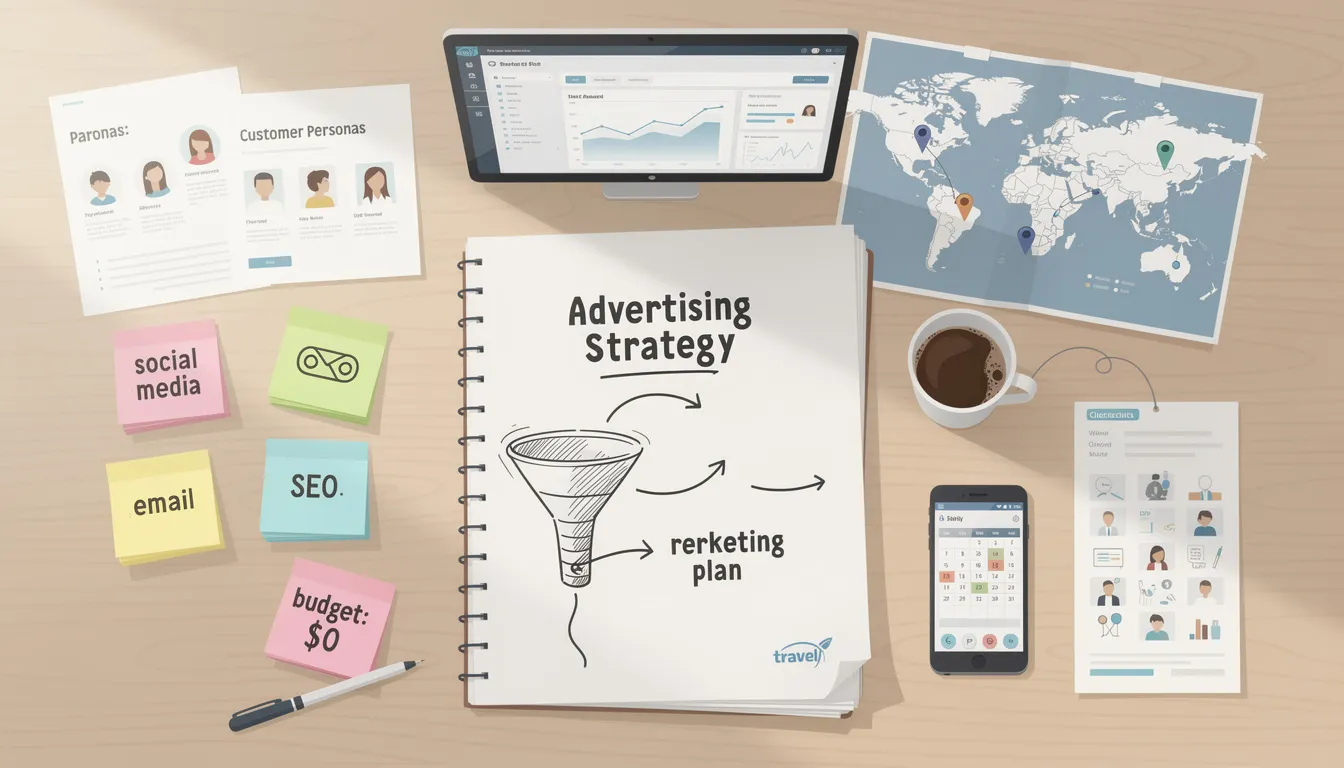
Before you touch a single ad platform, invest time in strategy. Skipping this step is the fastest way to burn through budget with nothing to show for it.
Define clear, measurable goals
Vague objectives like “get more clients” won’t guide your campaigns. Instead, set targets you can track: “50 new enquiries per month for 2026 European river cruises” or “20 escorted group bookings to Japan by October 2027.” These numbers shape your budget, channel choices, and creative direction.
Identify your niche and USP
The travel industry is crowded. Trying to be everything to everyone means competing against OTAs on their terms—a losing battle. Focusing your energy on a well-defined niche allows you to maximize impact and deliver greater value to your target audience. Pick a niche: rail travel across Europe, adventure trips to Saudi Arabia, family holidays in Orlando for UK travellers. Your unique selling proposition might be insider access, exceptional service, or specialist knowledge that no booking engine can match.
Profile your ideal client
Build a customer avatar. What’s their age, household income, and typical booking lead time? Do they start researching on TikTok or Google? Are they scrolling Instagram in the evening or reading destination guides on their lunch break? Understanding your target audience shapes everything from ad copy to platform selection.
Map the customer journey
Travellers move through stages: inspiration (TikTok, YouTube, Instagram Reels), research (Google, travel blogs, reviews), and booking (your website, enquiry form, phone call). Your advertising should meet them at each stage—not just the final click.
Tracking and adjusting marketing efforts
Regularly tracking and adjusting your advertising campaigns is essential to improve ROI. Monitor key metrics such as click-through rates, cost per enquiry, and conversion rates to identify what’s working and what needs refinement. This data-driven approach helps maximize the impact of your budget and drives better results over time.
Search Engine Optimization for Travel Agents
Search Engine Optimization (SEO) is a cornerstone of successful travel marketing in 2026. For travel agents, a strong SEO strategy means your business appears at the top of search results when potential customers are actively looking for travel services, destinations, or inspiration. This visibility is crucial for building brand awareness and attracting new clients in a crowded digital landscape.
Start by conducting thorough keyword research to uncover the exact terms your target audience uses—think “luxury Italy tours,” “family-friendly holidays in Greece,” or “adventure travel agents near me.” Incorporate these keywords naturally into your website content, meta descriptions, page titles, and blog articles. This not only helps search engines like Google understand your site, but also ensures you’re speaking the language of your customers.
Don’t overlook the power of local SEO. Claim and optimize your Google Business Profile with up-to-date information, high-quality photos, and recent customer reviews. This boosts your visibility in local searches, making it easier for nearby travelers to find and trust your agency. Encourage satisfied clients to leave reviews, as positive feedback can significantly improve your ranking and credibility.
Regularly update your website with fresh, valuable content—destination guides, travel tips, and itinerary ideas—to keep both search engines and visitors engaged. Internal linking between related articles and service pages helps boost site traffic and keeps users exploring your offerings.
By investing in SEO, travel agents can increase website traffic, reach more potential customers, and ultimately boost conversion rates and bookings. A well-optimized site not only attracts visitors but also positions your agency as a trusted authority in the travel industry.
Paid Search Advertising for Travel Agents (PPC & Search Campaigns)
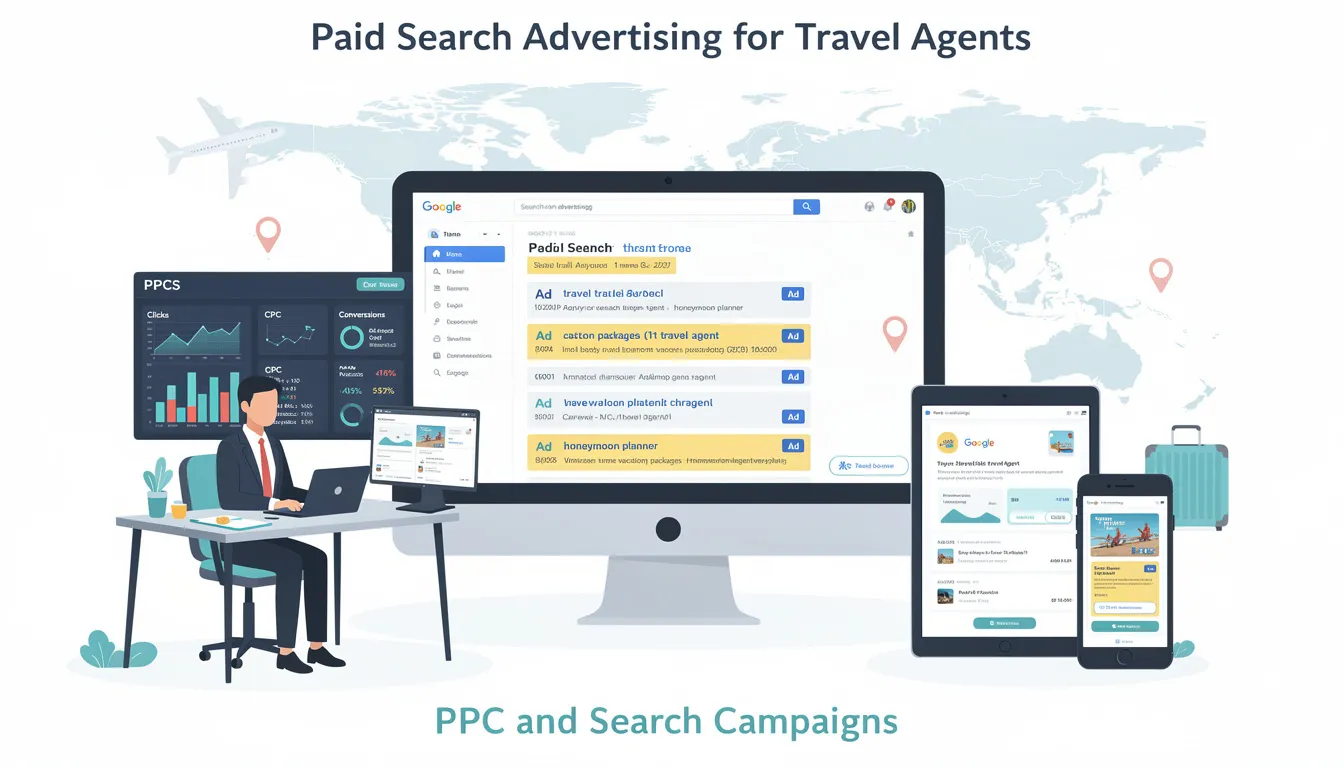
Google Ads and Microsoft Ads are crucial for capturing travellers who are actively searching. When someone types “travel agent for Italy 2026” or “honeymoon packages Bali from London,” they’re signalling intent. Paid search puts you directly in those search results.
Structuring campaigns around themes
Organise your campaigns logically:
-
By destination: “Kenya safari holidays,” “Iceland Northern Lights tours”
-
By traveller type: “luxury family villa holidays,” “adventure trips for couples”
-
By intent: “last minute city breaks,” “book safari tour in Tanzania”
This structure helps you write relevant ads and send traffic to specific landing pages rather than a generic homepage.
Keyword strategy that works
Conduct proper keyword research to find the phrases your customers actually use. Mix high-intent terms (“book Caribbean cruise from UK”) with location modifiers (“travel agent near me,” “UK travel agency for Canada rail”) and long-tail queries (“best time to visit Japan for cherry blossom 2026”).
Long-tail keywords often cost less per click and attract visitors who know exactly what they want.
Understanding Ad Rank
Google decides where your ad appears based on Ad Rank, which considers your bid, Quality Score, and expected impact of extensions. You control Quality Score by ensuring your ad copy matches the searcher’s intent and your landing page delivers on the promise. A well-optimised ad for “Dubai all-inclusive February 2026” that lands on a dedicated Dubai page will outperform a generic ad pointing to your homepage.
Ad copy that converts
Your ads need strong calls-to-action:
-
“Speak to a Maldives expert today”
-
“Free tailor-made itinerary within 24 hours”
-
“ATOL-protected Japan tours—book with confidence”
Travel agents should avoid common PPC mistakes
To maximize advertising effectiveness, avoid common PPC mistakes such as sending traffic to generic homepages, neglecting negative keyword lists, or ignoring mobile users. Proper campaign structure, relevant ad copy, and regular optimization are key to achieving a strong ROI.
When to test Performance Max
Google’s Performance Max campaigns use AI to serve ads across Search, Display, YouTube, and more. Test them when you have strong creative assets (videos, images, headlines) and want to promote multiple destinations simultaneously. They work best with sufficient conversion data, so start with standard search campaigns first.
Social Media Advertising for Travel Agents (Meta, TikTok, YouTube)
Social ads excel at inspiration and storytelling. They build demand for trips travellers haven’t yet decided to take—the “I didn’t know I needed that” moment.
Meta Ads (Facebook & Instagram)
Facebook and Instagram remain powerhouses for travel agents. You can target users by interests like “luxury travel,” “Disney parks,” “scuba diving,” or “European city breaks 2026.” Layer in demographics, behaviours, and lookalike audiences built from your existing customers.
According to industry data, Instagram influences 48% of destination choices, and travel content sees 83% higher engagement than other industries. That’s an opportunity you can’t ignore.
Creative formats that perform
Social media campaigns demand visual storytelling:
-
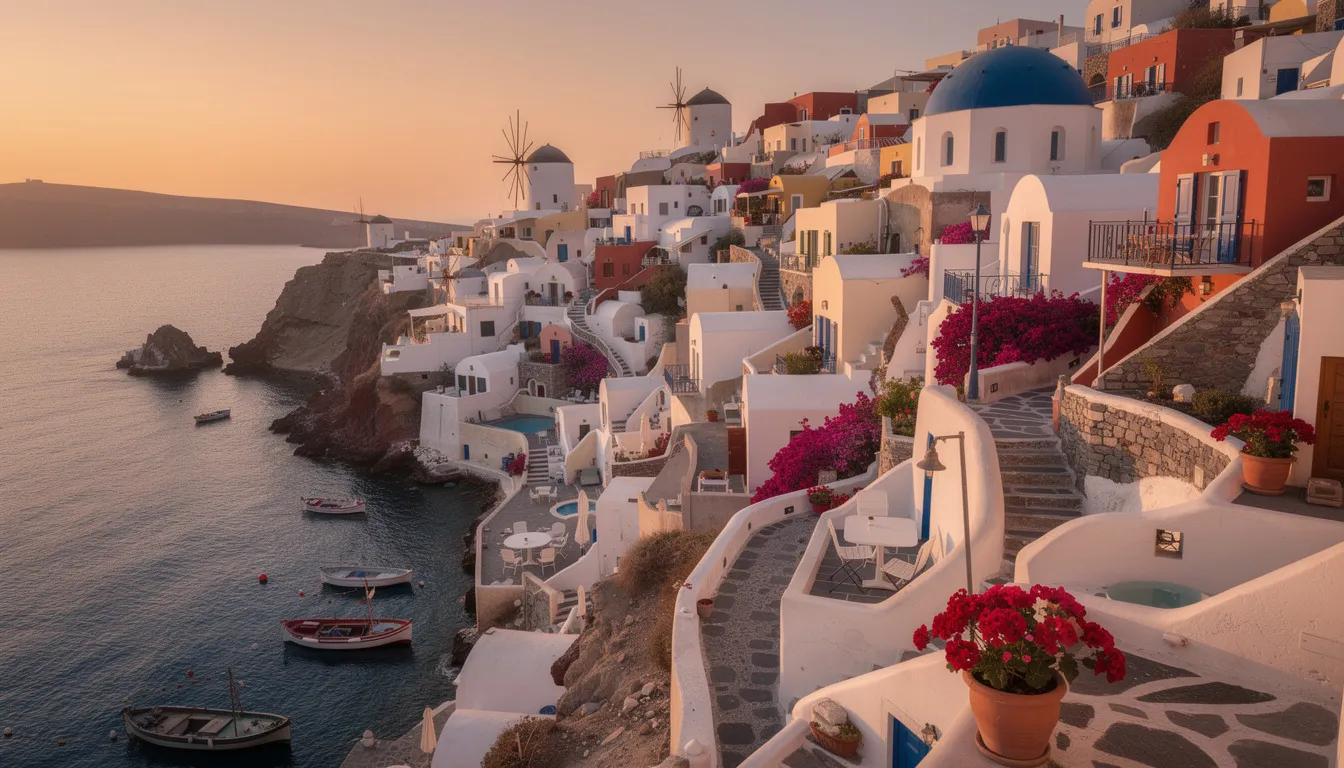
Reels and short videos: Santorini sunsets, safari game drives, bustling Tokyo streets
-
Carousel ads: Show a 7-night Thailand itinerary step by step
-
TikTok clips: Behind-the-scenes agent tips, packing hacks, “day in the life” content
Vertical video is non-negotiable—most impressions come from mobile users scrolling in portrait mode.
Carousel ads and video ads
Carousel ads on Facebook are especially effective for showcasing multiple deal variations, allowing potential customers to explore options in a single ad. Video ads build emotional connections by telling stories and highlighting experiences, which can inspire bookings.
Utilizing Instagram and Facebook
Leveraging Instagram and Facebook lets travel agents showcase visually appealing content and engage directly with potential travellers through comments, direct messages, and interactive features like polls and stories.
Partnering with micro-influencers
Collaborating with micro-influencers in niche markets provides authentic advocacy and can amplify your agency’s reach to targeted audiences who trust these voices.
Retargeting to recover lost leads
Not everyone enquires on their first visit. Retargeting lets you show ads to users who visited your Maldives page, watched 50% of your safari video, or abandoned an enquiry form. These warm leads convert at far higher rates than cold traffic.
YouTube for longer storytelling
YouTube ads suit destination deep-dives: “10-day Japan itinerary for cherry blossom season 2026” or “What to expect on a Nile river cruise.” Skippable in-stream ads let travellers engage if they’re interested, while you only pay for genuine views.
Display, Programmatic, and GDS Advertising for Travel Agents
Beyond search and social, display and programmatic advertising extends your reach across the web. These advertising solutions are designed to help travel brands reach a global audience and achieve measurable results through targeted strategies.
What are display and programmatic ads?
Display ads are the banner ads you see on websites—travel blogs, news sites, forums focused on cruising or skiing. Programmatic advertising automates the buying process, using data to serve your ads to relevant users across thousands of sites.
Travel-context placements
Target placements where travellers are already in research mode: weather sites (checking forecasts for destinations), airline blogs, travel review sites, and destination guides. These contextual placements keep your agency top-of-mind during the planning phase.
For example, promoting “summer 2026 Greek island hopping packages” through display remarketing reaches users who previously visited your Greece pages while they’re browsing other content online.
GDS and trade-facing advertising
If you work with corporate bookers or other travel agents, consider trade-facing channels. Promoting special fares, exclusive packages, or hotel deals through industry networks can drive business-to-business bookings. Travel agents can also highlight partnerships with hotels, such as Edwardian Hotels London, to attract corporate and trade clients.
Email Marketing Strategies for Travel Agents
Email marketing remains one of the most powerful tools for travel agents to build brand awareness, nurture leads, and drive bookings. Unlike social media, email gives you direct access to your audience’s inbox, allowing for personalized communication that keeps your agency top-of-mind.
Start by building a segmented email list—group your customers by interests, past destinations, or booking history. This enables you to send targeted campaigns that resonate with each audience segment. For example, send family holiday deals to parents, or exclusive luxury packages to high-value clients.
Craft engaging welcome emails for new subscribers, introducing your services and expertise. Regular newsletters can showcase trending destinations, share travel tips, and highlight customer success stories. Use promotional emails to announce limited-time deals, early-bird offers, or new itineraries, creating urgency and excitement.
Leverage email marketing automation tools to streamline your campaigns. Set up automated sequences for abandoned enquiries, post-booking follow-ups, and birthday or anniversary greetings. These touchpoints not only boost engagement but also increase conversion rates by reaching customers at the right moment.
Don’t forget to include clear calls-to-action in every email—whether it’s “Book your free consultation,” “Download our latest destination guide,” or “Claim your exclusive deal.” Track open rates, click-through rates, and bookings to continually refine your strategy and maximize ROI.
By consistently delivering value through email marketing, travel agents can strengthen customer relationships, encourage repeat business, and stand out in a competitive market.
Creative Ideas for Travel Agent Advertising Campaigns
Here are practical campaign concepts you can adapt for your agency:
Seasonal campaigns
-
New Year: “Book 2026 before prices rise—early bird savings end January 31st”
-
September: “Half-term family breaks in Spain from £599”
-
Black Friday: Long-haul deals with limited-time discounts on safaris or Far East adventures
Destination-specific concepts
-
Guangzhou food tour series for culinary travellers
-
Iceland Northern Lights chases with expert guides
-
2026 Paris Olympics packages for sports enthusiasts
-
Themed river cruises on the Rhine with wine-tasting itineraries
Offline visuals
Don’t dismiss traditional advertising. Posters and digital screens in local malls, train stations, or community centres still attract attention. Use bold destination imagery, a clear local phone number, and a memorable URL.
User-generated content and testimonials
Using user-generated content in ads provides powerful social proof and enhances trust. Feature real client stories, before-and-after Reels (planning to arrival), testimonial quotes with photos, and reviews from verified customers. This social proof differentiates you from faceless OTAs.
Value-add promotions
Promotional hooks that tip undecided visitors into enquiries:
-
Free airport lounge passes
-
Complimentary private transfers
-
No-fee date changes for peace of mind
Creating customizable and repeatable travel packages
Developing customizable and repeatable packages helps scale your business while still offering personalized experiences. Consider incorporating festivals, events, or niche interests that resonate with your audience.
Building a strong personal brand
A strong personal brand helps travel agencies establish trust and relatability with potential clients. Your voice and expertise build a sense of connection and credibility that sets you apart.
Creating a loyal customer base
Focusing on creating a loyal customer base is more impactful than just attracting new clients. Retention strategies nurture long-term relationships, driving repeat bookings and referrals.
Email marketing
Email marketing can nurture your community effectively when it leads with value. Provide exclusive content, special offers, and helpful travel tips to keep your audience engaged and encourage bookings.
Optimising Landing Pages and Websites for Advertising Traffic
Even the best ads fail if visitors land on a slow, confusing, or generic page. Your site must convert ad clicks into enquiries.
Alignment between ad and landing page
If your ad promotes “Dubai all-inclusive February 2026,” the landing page should feature Dubai imagery, February availability, and all-inclusive packages. Mismatched experiences kill conversion rates.
Speed and mobile-first design
Aim for page loads under 3 seconds. Most social ad traffic comes from phones, so your site needs to look excellent on mobile: clear navigation, large buttons, and no pinching to read text.
Mobile optimization is crucial as nearly half of all hotel bookings now occur on smartphones. Fast-loading pages and mobile responsiveness contribute to a smoother user experience on travel websites.
Trust elements
Display these prominently:
-
ATOL/ABTA or equivalent protection badges
-
Financial protection statements
-
Real reviews with dates and traveller names
-
Clear contact details (phone, email, live chat)
To further reassure customers and ensure safe online transactions, highlight secure payment integrations, security certificates, and trust badges on your site.
Strong calls-to-action
Don’t make visitors hunt for the enquiry form. Place CTAs above the fold, in the middle of the page, and at the bottom:
-
“Request your tailor-made quote”
-
“Schedule a 15-minute planning call”
-
“Get your free Italy itinerary”
User experience (UX) design
A well-designed UX ensures that every step of the journey on a travel website is clear and enjoyable. Visitors should easily navigate, find information, and complete enquiries without frustration.
Example layout
A high-converting landing page might include:
-
Hero image of the destination
-
Short itinerary highlights (3–4 bullet points)
-
Three key benefits (expert guidance, financial protection, personal service)
-
Customer testimonial with photo
-
Simple enquiry form (name, email, trip details)
Budgeting and Measuring ROI for Travel Agent Advertising
Travel has longer sales cycles. Someone clicking your ad today might not book for six weeks. Your budgeting and tracking must account for this enquiry-to-booking lag.
Setting monthly budgets
Base your spend on goals. Examples:
|
Campaign Focus |
Monthly Budget |
Expected Outcome |
|---|---|---|
|
Google Ads – Europe city breaks |
£1,500 |
30 enquiries |
|
Meta Ads – 2026–2027 safaris |
£1,000 |
20 enquiries |
|
Remarketing – all destinations |
£300 |
10 recovered leads |
|
Start modest, measure results, then scale what works. |
|
|
Core metrics to track
-
CPC (Cost Per Click): What you pay each time someone clicks
-
CTR (Click-Through Rate): Percentage of impressions that become clicks
-
Cost Per Enquiry: Total spend divided by number of leads
-
Cost Per Booking: Total spend divided by confirmed bookings
-
Average Booking Value: Commission or margin per trip type
Tracking setup essentials
Install Google Analytics 4 on your site. Add the Meta Pixel for Facebook and Instagram. Set up conversion tracking for enquiry form submissions and phone click events. Without tracking, you’re flying blind.
Using CRM data for personalization
Leveraging CRM data allows for data-driven personalization of ad messages based on past travel preferences. Tailored ads increase relevance and conversion rates by speaking directly to customer interests.
Optimisation routines
Weekly tasks:
-
Review search term reports and add negative keywords
-
Pause underperforming keywords or audiences
-
Test new headlines and images every 2–4 weeks
Calculating ROAS
Here’s a concrete example:
-
Ad spend: £400
-
Enquiries generated: 15
-
Bookings confirmed: 5
-
Average commission per booking: £240
-
Total commission: £1,200
-
ROAS: 3:1
That’s a sustainable advertising engine.
Avoiding Common Travel Agent Advertising Mistakes
If your campaigns aren’t delivering, check for these issues:
Generic, unfocused messaging
“We do all types of travel” tells customers nothing. Replace it with niche-led messages: “Tailor-made safaris from the UK” or “Accessible city breaks in Europe for over-60s.”
Sending traffic to your homepage
Ads for specific offers need specific landing pages. A user searching “luxury Maldives honeymoon” shouldn’t land on a homepage full of coach tours and cruises.
Ignoring mobile users
On social platforms, 90%+ of impressions happen on phones. If your site isn’t mobile-optimised, you’re wasting clicks.
Slow follow-up on enquiries
Leads go cold fast. If you can’t respond within 24 hours, set up automated email replies confirming receipt and outlining next steps. Simple CRM tools help you track and prioritise hot leads.
Before and after example
An agency running generic Google Ads for “travel agent” spent £600 and got 3 enquiries. After switching to “luxury safari holidays from UK,” creating a dedicated safari landing page, and adding clear CTAs, they spent the same £600 and generated 18 enquiries. Small changes, big impact.
Referrals and Loyalty Programs for Travel Agents
Referrals and loyalty programs are powerful strategies for travel agents looking to grow their business and secure long-term success. Word-of-mouth remains one of the most trusted forms of marketing, and a well-designed referral program can turn your satisfied customers into enthusiastic advocates.
Encourage your clients to refer friends and family by offering attractive rewards—think discounts on future bookings, complimentary upgrades, or exclusive access to special events and destinations. Make the referral process simple, with easy-to-share links or codes, and clearly communicate the benefits for both the referrer and the new customer.
Loyalty programs are equally important for retaining customers and increasing repeat bookings. Consider a points-based system where clients earn rewards for every booking, review, or social media share. Offer tiered benefits, such as priority access to new itineraries, personalized travel planning services, or members-only deals, to incentivize continued engagement.
Recognize and celebrate your most loyal customers with special promotions, anniversary gifts, or invitations to exclusive events. This not only strengthens relationships but also encourages positive reviews and referrals, amplifying your marketing efforts.
By integrating referrals and loyalty programs into your overall marketing strategy, travel agents can build a loyal customer base, increase word-of-mouth marketing, and drive more bookings—all while delivering exceptional value and service.
Local, Partnership, and Offline Advertising for Travel Agents
Digital matters, but local and partnership advertising still drives business for agencies with regional presence.
Local SEO and Google Business Profile
Optimise your Google Business Profile with accurate hours, services, photos, and reviews. This foundation powers “travel agent near me” searches. Combine it with local SEO—ensuring your site ranks for “[Your Town] travel agent.”
Partnership collaborations
Team up with complementary local businesses:
-
Wedding planners: Co-promote honeymoon packages
-
Gyms and wellness studios: Advertise yoga retreats and wellness trips
-
Language schools: Promote study-abroad and cultural immersion programmes
-
Luxury car dealerships: Reach high-net-worth clients for premium travel
Effective local campaigns
-
Posters in community centres: “2026 escorted coach tours from [Your Town]”
-
Ads in regional magazines before peak booking seasons
-
Local radio mentions during morning commutes
Measurable offline tactics
Use unique URLs or QR codes on posters and flyers that lead to specific landing pages. Track visits to those pages to measure offline campaign performance.
Step-by-Step: Launching Your First Integrated Travel Advertising Campaign
Here’s a simple 30-day launch plan combining search, social, and remarketing:
Week 1: Define and prepare
-
Choose one clear offer: “Summer 2026 Greece island-hopping packages from £899”
-
Build a dedicated landing page with strong imagery, itinerary highlights, and enquiry form
-
Set up tracking: Google Analytics 4, Meta Pixel, conversion events
Week 2: Create and launch
-
Prepare ad creatives: 2 headline variations, 2 images or videos
-
Launch Google Search campaign targeting “Greece island hopping 2026,” “Greek islands holiday UK”
-
Launch Meta Ads targeting interests like “Greece travel,” “island holidays,” users aged 30–55 in the UK
Week 3: Monitor and optimise
-
Review search term reports—add negative keywords for irrelevant queries
-
Check which ad creative performs best; pause underperformers
-
Launch remarketing ads to visitors who viewed the landing page but didn’t enquire
Week 4: Analyse and iterate
-
Document results: impressions, clicks, enquiries, bookings
-
Calculate cost per enquiry and adjust budget allocation
-
Plan next campaign based on learnings
Budget split suggestion
-
60% Google Search
-
30% Meta Ads
-
10% Remarketing
Adjust based on which channel delivers better conversion rates.

Conclusion: Building a Sustainable Travel Advertising Engine
Effective travel agent advertising isn’t a one-off burst—it’s a repeatable system. Define your niche, choose targeted channels, create compelling content, and optimise continuously. That’s how you build brand awareness and attract new clients month after month.
Even small agencies can compete with massive OTAs by being specific, local, and service-led. You offer expertise, personal attention, and financial protection that no algorithm can replicate. Advertising simply amplifies that value.
Here’s your challenge: choose one offer, one audience, and one channel. Launch within the next seven days. Measure results, learn, and iterate.
The tools keep evolving—AI-powered targeting, new social formats, Answer Engine Optimisation for zero-click searches. Stay curious, keep testing, and treat every campaign as an opportunity to engage more travellers and grow your business.
Additional Strategic Insights for Travel Agent Advertising Success
Building a strong digital presence
A strong digital presence allows travel agencies to build trust and drive action. It’s essential to be discoverable where your audience spends time online, from search engines to social media platforms.
Developing a well-defined brand identity
A well-defined brand identity helps travel agencies communicate their unique offerings clearly and consistently. This identity supports all advertising efforts and fosters customer recognition and loyalty.
Creating a loyal customer base
Creating a loyal customer base is crucial for the long-term success of travel agencies. Repeat clients provide steady revenue and often become advocates who refer new business.
Content marketing and email marketing
Content marketing, including destination guides and travel tips, nurtures potential customers through their journey. Email marketing can nurture a community effectively when it leads with value, offering exclusive content and personalized offers.
Creating customizable and repeatable travel packages
Offering customizable and repeatable packages helps agencies scale while maintaining a personalized touch, appealing to both new and returning clients.
Leveraging partnerships and influencers
Partnering with micro-influencers and local businesses provides authentic advocacy and extends your reach into niche markets.
Frequently Asked Questions (FAQs) About Travel Agent Advertising
Q1: Why is travel agent advertising important in 2026?
Travel agent advertising is crucial because it actively targets potential customers at the moment they are ready to book complex or specialized trips. It helps travel agents compete with large OTAs by showcasing personalized service, expertise, and financial protection that algorithms cannot replicate.
Q2: What are the most effective digital channels for travel agent advertising?
The most effective channels include Google Ads for capturing high-intent search traffic, Meta Ads (Facebook and Instagram) for visual storytelling and targeting interests, TikTok and YouTube for inspiring travel ideas through video content, and programmatic display ads for broad reach during the research phase.
Q3: How can travel agents improve their advertising ROI?
Improving ROI involves setting clear, measurable goals, conducting thorough keyword research, structuring campaigns around themes, regularly tracking performance metrics, optimizing landing pages for conversions, and adjusting campaigns based on data insights.
Q4: What role does local SEO play in travel agent advertising?
Local SEO helps travel agencies appear in “near me” searches and local directories, driving foot traffic and enquiries from nearby customers. Optimizing your Google Business Profile and targeting local keywords enhances visibility within your community.
Q5: How can travel agents use social media to boost bookings?
Social media platforms like Instagram, Facebook, TikTok, and YouTube allow travel agents to showcase visually appealing content, engage with potential travelers, run targeted ads, partner with micro-influencers, and retarget warm leads to increase conversion rates.
Q6: What are common mistakes to avoid in travel agent advertising?
Common mistakes include using generic messaging, sending ad traffic to generic homepages instead of dedicated landing pages, neglecting mobile optimization, slow response times to enquiries, and not tracking or adjusting campaigns based on performance data.
Q7: How important is website optimization for travel agent advertising success?
Website optimization is critical. Fast-loading, mobile-responsive sites with intuitive navigation, trust-building content, and clear calls-to-action convert more ad clicks into enquiries and bookings, maximizing the effectiveness of advertising spend.
Q8: Can travel agents benefit from partnerships and influencer marketing?
Yes. Collaborating with local businesses and micro-influencers can extend reach, provide authentic endorsements, and attract niche audiences, enhancing overall advertising effectiveness.

0 comments