

Introduction to User-Generated Content
This guide is designed for marketers, brand managers, and business owners looking to leverage user-generated content to boost their brand.
Definition and Benefits
User-generated content (UGC) refers to content created by customers about a brand or its products. UGC encompasses any content created and shared by individuals rather than brands themselves, typically on social media channels and other online platforms. This type of content can include a wide variety of formats such as online reviews, photos, videos, testimonials, social media posts, and audio created by customers, followers, or employees. What makes UGC so powerful is its authenticity—real social media users sharing genuine experiences, which resonates more deeply with audiences than traditional branded content.
UGC comes in two main types:
-
Organic UGC is content that customers share freely without any payment or incentive.
-
Paid UGC is created by UGC creators who are compensated for their content.
In today’s digital landscape, UGC has become a cornerstone of effective marketing strategies. It helps brands increase awareness, drive engagement, and build trust with potential customers. By showcasing real people using and endorsing products or services, UGC provides valuable social proof that can significantly influence purchasing decisions. Research shows that 84% of consumers are more likely to trust a brand's marketing campaign if it features user-generated content, and 78% of shoppers feel more confident making a purchase when they see UGC.
As consumer skepticism toward traditional advertisements grows, UGC offers a refreshing alternative that feels authentic and relatable. By 2026, it is expected that 80% of consumers will view their peers as the 'gold standard' for accurate brand information, underscoring the shift toward peer-driven content and the declining trust in traditional advertisements.
User-generated content is perceived as more genuine and trustworthy than brand-generated content because it comes from real users sharing their true experiences. This authenticity helps brands build lasting trust with new audiences and enhances customer loyalty by fostering a sense of community and recognition among existing customers.
Creating UGC
Monthly Giveaways and Incentives
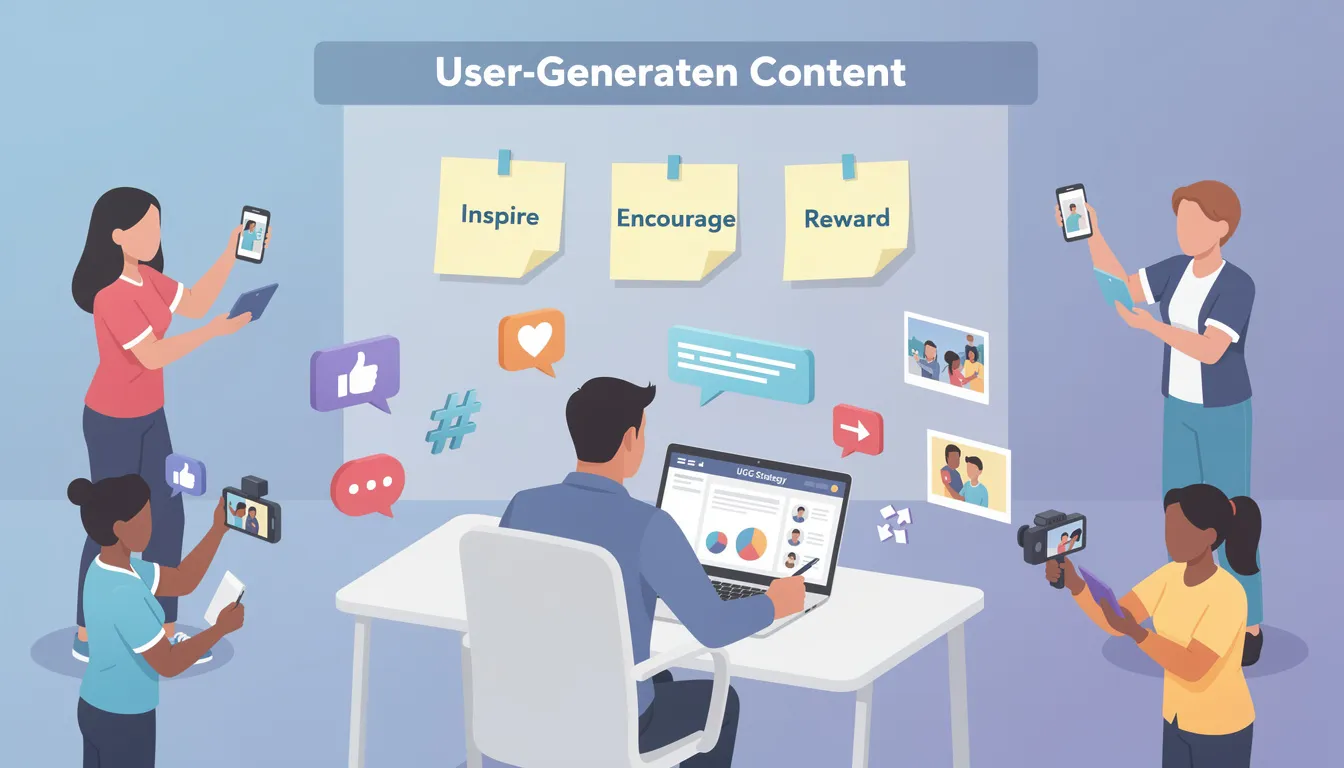
To harness the power of user-generated content, brands must actively encourage their audiences to create and share content. Effective strategies include monthly giveaways, social media shoutouts, loyalty points, and other incentives to motivate participation. Hosting contests or giveaways can generate excitement and increase the volume of user-generated posts.
Guidelines for UGC
Providing clear guidelines on how customers can create user-generated content is essential. Clear instructions help creators produce relevant and aligned content that fits the brand’s image and marketing goals.
Branded Hashtags
Using branded hashtags is a powerful method to collect UGC from social media, making it easier to find and share user contributions across other social media platforms.
Content Strategy Integration
Developing a comprehensive content strategy that incorporates UGC is essential. This can involve featuring customer photos or stories prominently on product pages or across your own social media channels such as your facebook page to inspire potential buyers and encourage more user generated content.
Influencer and Brand Ambassador Collaborations
Partnering with influencers and brand ambassadors can also help create valuable user-generated content. Collaborations with micro-influencers—who often have highly engaged and authentic followings—can yield conversion rates up to 20% higher than those with larger influencers. Aligning your user-generated content with your social media strategy and marketing goals ensures maximum impact.
Permission and Moderation
Always request permission before using any user-generated content to avoid copyright issues and respect creators’ rights. Properly crediting the original creator when sharing their content not only acknowledges their contribution but also encourages further engagement and more user generated posts. Moderation of UGC is essential to ensure that all content aligns with your brand guidelines and community standards, maintaining a positive brand reputation.
UGC comes in two main types: organic content, which customers share freely without payment or incentive, and paid UGC, created by compensated UGC creators. Brands can collect UGC through social media hashtag campaigns, contests, and direct requests for content.
Community Engagement
Engaging with your community is key to encouraging more user-generated content. Responding to posts, sharing user content, and creating a welcoming environment fosters ongoing participation and builds brand loyalty.
Content Creation and Marketing

Content Strategy and Content Marketing
A well-planned content strategy is vital for effectively creating and leveraging user-generated content. This strategy should include a balanced mix of owned, earned, and paid media to maximize reach and impact.
Content marketing efforts that incorporate UGC focus on delivering valuable, relevant, and consistent content that attracts and retains a clearly defined target audience. By integrating authentic and relatable content into marketing campaigns, brands can create more engaging experiences that resonate deeply with their customers.
Cost-Effectiveness of UGC
UGC supports a variety of marketing goals, including increasing brand awareness, driving website traffic, and generating leads. Furthermore, it offers a cost-effective way to produce marketing materials, often requiring little to no financial investment.
Automating UGC Workflows
Brands can also save significant resources—up to $72,000 annually—by automating UGC workflows, streamlining the collection, approval, and publishing processes.
User-generated content can boost social media engagement and improve ad performance by offering relatable, credible content. It can be used across various marketing channels, including social media posts, email marketing, and product pages, enhancing brand visibility, engagement, and credibility in social media marketing.
Influencer and Brand Ambassador Partnerships

Partnering with Influencers and Creating Brand Ambassadors
Influencer partnerships and brand ambassador programs can be highly effective in generating high-quality user-generated content and reaching new audiences on social channels. When selecting influencers, it’s important to choose those with authentic, engaged followings who align with your brand values and target audience.
Allowing influencers creative freedom to produce content that feels genuine and relatable helps maintain authenticity, which is key to successful user generated campaigns. Micro-influencers and niche influencers are particularly valuable as they often deliver better conversion rates due to their highly targeted and engaged audiences.
Building long-term relationships with brand ambassadors who genuinely love your products can foster ongoing content creation and community engagement, further amplifying your brand’s reach.
Examples of Successful UGC Campaigns
Several brands have leveraged user-generated content to great effect, creating inspiring examples of how UGC can drive engagement and build community.
-
GoPro sustains its YouTube channel with user-generated videos, with its top three videos originally filmed by customers. This approach not only provides authentic and engaging content but also fosters a strong community of brand advocates who actively contribute to the brand’s storytelling.
-
Lululemon asked followers to share photos of themselves in its garments using the hashtag #thesweatlife, resulting in a treasure-trove of easily searchable UGC. This campaign helped expand brand awareness and provided a rich source of content for marketing.
-
LaCroix uses the hashtag #LiveLaCroix to mine for user-generated content on its social media channels. This strategy showcases real-life enjoyment of their products, creating a relatable and vibrant brand presence.
-
Well Traveled leverages member-generated content to highlight the perks of its platform and the quality of its property partners. By sharing authentic travel experiences, Well Traveled builds trust and community engagement among its audience.
-
Edloe Finch collects user-generated content via the hashtag #EdloeFinch and prominently features customer photos on its product pages. This social proof helps potential buyers visualize products in real settings, increasing confidence and conversion rates.
-
Starbucks created the #WhiteCupContest, encouraging customers to doodle their cups and upload photos to social media. This contest generated widespread participation, brand buzz, and a viral campaign fueled by creative user contributions.
-
Hilton Grand Vacations encourages customers to upload holiday pictures on social media with the hashtag #myHGV for a chance to be featured on their Instagram feed. This initiative fosters community, loyalty, and authentic user engagement.
-
Aerie launched the #AerieREAL campaign to promote body positivity by encouraging users to post unedited photos of themselves in Aerie's swimsuits. This campaign aligns UGC with authentic and inclusive brand messaging, resonating deeply with their audience.
-
Samsung collaborated with Blackpink to launch the hashtag challenge #danceAwesome, resulting in millions of user-generated videos and massive social media buzz. This campaign effectively combined influencer marketing with user participation to amplify reach.
-
GoodRx asked customers to share why they love the service and compiled the videos to share on their YouTube channel. Leveraging customer feedback in this way helped build credibility and trust through authentic testimonials.
Legal and Ethical Considerations
Legal Considerations and Disclosure
When incorporating user-generated content into your marketing, it is crucial to obtain explicit permission from content creators and provide appropriate disclosure and attribution. Ensuring you have the necessary rights to use UGC protects your brand from potential copyright infringement and privacy violations.
Transparency about sponsored content is essential. Disclose any material relationships with influencers or brand ambassadors to comply with regulations and maintain consumer trust.
Respecting the intellectual property rights of UGC creators and adhering to all relevant laws and guidelines helps maintain a positive brand reputation and fosters goodwill within your community.
Measuring Success and Optimizing UGC
Tracking Engagement and Conversion Rates
To maximize the impact of user-generated content, brands should track key performance metrics such as likes, comments, shares, and overall engagement on social media platforms. Monitoring conversion rates—like sales and lead generation—helps assess the direct business impact of UGC campaigns.
Utilizing analytics tools to evaluate UGC performance across various social media channels enables brands to refine their strategies. Continuously optimizing content based on data insights ensures that UGC efforts deliver maximum return on investment.
Analyzing user-generated content also provides valuable insights into customer preferences and behaviors, informing product development and marketing decisions.
Best Practices for UGC
Planning and Strategy for Creating UGC
Developing a comprehensive UGC strategy aligned with your overall marketing goals is essential. Identify your target audience and create content initiatives that resonate with them using social media platforms and other online channels.
Encourage users to produce high-quality, engaging content that positively showcases your brand or products. Offering incentives and rewards, such as discounts or exclusive offers, can motivate participation.
Leverage a combination of organic user-generated content—shared freely by customers without payment—and paid user-generated content created by compensated UGC creators to diversify your content sources.
Collect UGC through social media hashtag campaigns, contests, and direct requests, always securing explicit permission before using content. Credit original creators to maintain trust and encourage further contributions.
Moderate all UGC to ensure alignment with brand guidelines and community standards, preserving your brand’s reputation and providing a positive customer experience.
Tools and Platforms for UGC
Content Aggregation and Curation Platforms
Utilize content aggregation and curation platforms to efficiently collect, manage, and display UGC across various social media channels and platforms. Specialized platforms like Bazaarvoice or Stackla can streamline your UGC efforts.
Social media management tools such as Hootsuite or Sprout Social help schedule and publish UGC across multiple platforms, while analytics and reporting tools provide insights to optimize your strategy.
SEO Benefits of UGC
Increasing Search Engine Rankings
User-generated content positively impacts search engine rankings by providing fresh, unique, and relevant content favored by search algorithms. Incorporating relevant keywords and phrases into UGC enhances visibility and drives organic traffic.
High-quality UGC attracts links and shares, further boosting search rankings. Optimizing UGC for mobile devices ensures accessibility where most users engage with content.
Community and Customer Engagement
Building a Community and Encouraging Customer Engagement
UGC fosters a sense of community and encourages customer engagement by providing a platform for users to share experiences and connect with others. Responding to and engaging with users who create content builds relationships and brand loyalty.
Featuring user content creates a sense of belonging and ownership among customers, encouraging them to share more UGC and increasing reach and engagement across social media platforms.
Empowering Customers
Empowering customers by giving them a voice and recognizing their contributions through UGC campaigns strengthens emotional connections with your brand. This approach nurtures brand advocates who actively spread positive word-of-mouth marketing.
Conclusion
User-generated content is an indispensable element of modern marketing strategies. It offers authenticity, social proof, and cost-effective content creation that resonates with today’s consumers. By thoughtfully encouraging, curating, and leveraging UGC, brands can build stronger relationships with their audiences, enhance their reputation, and drive meaningful business results.
Frequently Asked Questions (FAQs) About User-Generated Content (UGC)
What is user-generated content (UGC)?
User-generated content (UGC) is any content created and shared by individuals rather than brands themselves. This includes photos, videos, reviews, testimonials, social media posts, and other forms of media that showcase real experiences with a brand or product. UGC is valued for its authenticity and ability to build trust with potential customers.
Why is UGC important for my brand?
UGC provides social proof and authenticity, helping to build trust with new customers. It enhances brand visibility, increases engagement on social media platforms, and can significantly influence purchasing decisions. Additionally, UGC is a cost-effective way to generate marketing content and foster a loyal online community.
How can I encourage users to create user-generated content?
You can encourage users to create UGC through strategies such as:
-
Hosting contests or giveaways
-
Offering incentives like loyalty points or discounts
-
Using branded hashtags to make content easy to find
-
Engaging directly with your audience on social media channels
-
Providing clear guidelines on the type of content you want
What types of user-generated content should I look for?
UGC can take many forms, including:
-
Customer photos
-
Videos
-
Online reviews
-
Testimonials
-
Blog posts
-
Social media mentions
Depending on your marketing goals, you might focus on visual content like photos and videos for social media, or written reviews and testimonials for product pages and email marketing.
How do I obtain permission to use user-generated content?
Always request explicit permission from the original content creator before using their UGC. This can be done by sending a direct message, comment, or email asking for consent to share or repurpose their content. Make sure to keep a record of this permission to protect your brand legally and maintain good relationships with your community.
How should I credit the creators of UGC?
When sharing user-generated content, always credit the original creator by tagging their social media accounts or mentioning their name. Proper attribution shows respect for their work, encourages further engagement, and helps maintain authenticity and trust with your audience.
What is the difference between organic and paid user-generated content?
-
Organic UGC is content freely shared by customers without compensation, reflecting genuine enthusiasm and brand loyalty.
-
Paid UGC is created by UGC creators who are compensated for their work, often providing higher-quality content while maintaining authenticity.
Both types can be valuable parts of a comprehensive UGC strategy.
How can I use UGC across different marketing channels?
UGC can be integrated into various marketing channels, including:
-
Social media posts
-
Product pages
-
Email newsletters
-
Advertisements
-
Offline materials
Using UGC across multiple platforms helps reinforce brand authenticity and reach a wider audience with relatable content.
What legal considerations should I keep in mind when using UGC?
Ensure you have explicit permission to use any user-generated content to avoid copyright infringement or privacy violations. Be transparent about sponsored or paid content, and comply with relevant advertising disclosure regulations. Moderating UGC to align with your brand guidelines and community standards is also essential to protect your brand reputation.
How do I measure the success of UGC campaigns?
Track key performance indicators such as:
-
Engagement rates (likes, comments, shares)
-
Conversion rates
-
Website traffic
-
Brand sentiment
Use analytics tools to monitor how UGC influences customer behavior and adjust your strategy based on these insights.
Can UGC improve my search engine optimization (SEO)?
Yes, UGC often includes fresh, relevant content with keywords and phrases that can enhance your website’s SEO. User reviews, comments, and other contributions add valuable content that search engines favor, helping to increase organic traffic and improve your site’s visibility.
What are some best practices for managing UGC?
Best practices for managing UGC include:
-
Developing a clear UGC strategy aligned with your marketing goals
-
Providing guidelines for content creation
-
Always seeking permission before using content
-
Crediting creators
-
Moderating content to maintain quality
-
Engaging with your community to encourage ongoing participation
For guidance on becoming a successful UGC creator, explore essential strategies and tips. Using UGC platforms and tools can also streamline collection, curation, and rights management.
How do I create my own UGC strategy?
To create your own UGC strategy:
-
Define your target audience and marketing objectives
-
Decide what types of UGC you want to collect
-
Plan how you will encourage users to contribute
-
Incorporate UGC into your content marketing plan
-
Set up systems for collecting and organizing content
-
Establish metrics to measure success
-
Consistently engage with your community to foster a vibrant online presence

0 comments