

Introduction to Search Engine Marketing
Search engine marketing (SEM) is a digital marketing strategy used to increase the visibility of a website in search engine results pages (SERPs) primarily through paid advertising. Agency search engine marketing is essential for businesses aiming to achieve measurable growth in today’s competitive digital landscape. This guide is designed for business owners and marketing professionals seeking to leverage agency expertise in search engine marketing to achieve measurable growth.
SEM is a digital strategy using paid ads to boost website visibility for specific keywords. The goal of SEM is to increase website traffic, leads, sales, and brand awareness by appearing prominently at the top of search results. An SEM agency can maximize return on investment (ROI) for businesses needing faster, targeted results than organic SEO alone.
While SEM focuses on paid ads to drive immediate traffic, it often incorporates search engine optimization (SEO) to improve website content and architecture, aiming for higher rankings in both organic search results and paid listings. This combined approach leverages paid advertising alongside SEO to boost presence on search engine results pages, helping businesses reach their target audience effectively.
How Agencies Help Businesses Succeed with SEM
An SEM agency can maximize return on investment (ROI) for businesses needing faster, targeted results than organic SEO alone. Agencies provide expertise in strategy, keyword research, ad creation, bid management, and analytics for SEM. Seek a strategic partner with a proven track record and transparent practices. Reliable agencies follow a clear, multi-step process, including audits, competitor research, and continuous optimization, ensuring campaigns are tailored to your business goals and deliver measurable results.
Modern SEM includes a variety of ad formats, such as text-based ads, visually rich Shopping ads, and interactive video ads, offering diverse ways to engage potential customers. Campaigns can be tailored based on demographics, geographic location, time of day, and previous interactions with a brand, providing precise ad targeting.
Keyword Research and Planning

Importance of Keyword Research
Conducting thorough keyword research is foundational to SEM success. Tools like Google's Keyword Planner, SEMrush, or Ahrefs help discover relevant keywords with high search volume and commercial intent. Effective keyword research estimates cost per click (CPC), competition levels, and identifies the right keywords to target for maximum return.
Cost-Per-Click (CPC) Considerations
The cost-per-click (CPC) for a given keyword can vary significantly based on competition and relevance. The higher the position of an ad in search results, the more it is likely to cost due to increased competition. Investors must carefully consider their return on investment (ROI) when engaging in PPC campaigns to ensure the total cost-per-click for a single conversion remains below the profit margin, delivering a positive ROI.
Structuring PPC Campaigns
PPC campaigns are typically structured around central themes or topics aligned with specific business outcomes, ensuring campaigns are cohesive and focused. Incorporating negative keywords filters out irrelevant searches, preventing wasted ad spend and improving ad targeting precision.
Aligning Keywords with User Intent
Understanding search intent is critical. Aligning keywords with user intent ensures ads appear for relevant queries, increasing click-through and conversion rates.
Expanding Reach and Targeting
Many advertisers prefer to expand their activities, including increasing search engines and adding more keywords, which can drive up costs. PPC advertising also allows advertisers to target specific audiences based on various factors, including location and interests, further refining campaign effectiveness.
Creating Effective Ad Copy
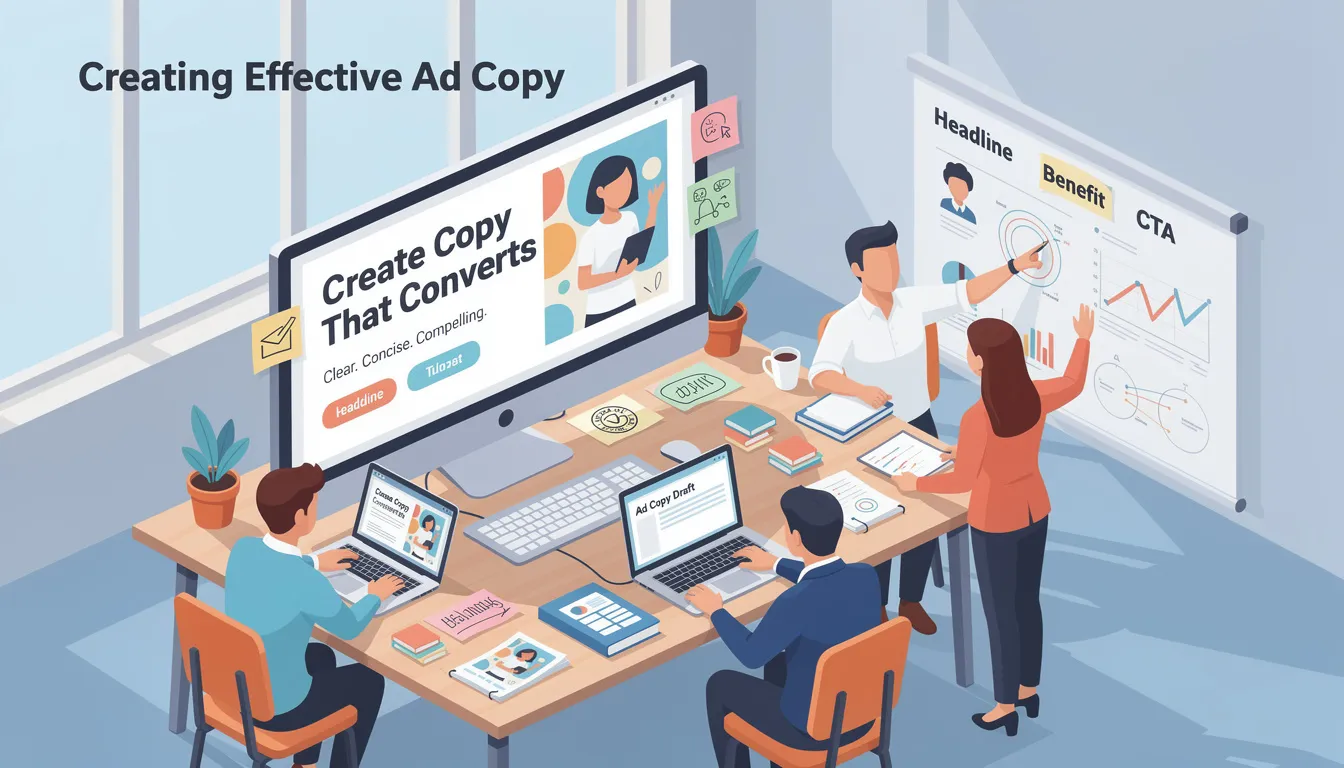
Role of Ad Copy in SEM
Ad copy plays a crucial role in determining your ad quality score, which influences ad placement and CPC. Using the same specific keywords in your ad copy that you bid on maintains consistency and relevance.
Crafting Compelling Headlines and Descriptions
Craft concise, compelling headlines and descriptions that highlight unique selling points and clearly communicate what users can expect after clicking your ad.
Aligning Ad Copy with Keyword Research
Tailored ad copy that resonates with potential customers entices clicks and drives targeted traffic to your website. Agencies often conduct advanced keyword and intent research to avoid wasting budget and maximize conversions.
Matching Ad Copy and Landing Pages
Aligning ad copy and landing pages with user intent improves user experience and conversion rates.
Landing Pages Optimization
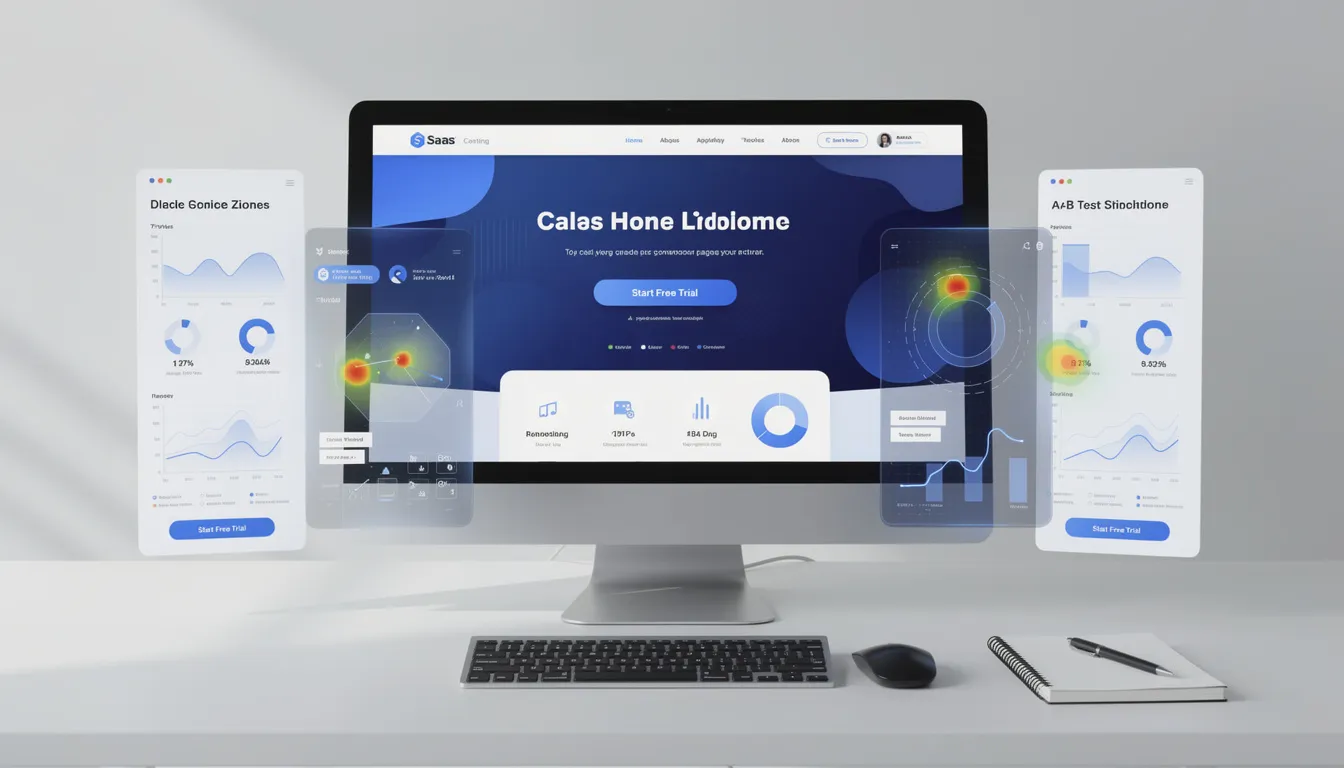
Importance of Landing Pages
Optimized landing pages are essential to SEM success. Ensure landing pages closely match the ad copy to improve ad rank, quality score, and overall campaign performance.
Key Elements of Effective Landing Pages
Well-designed landing pages increase website traffic, reduce bounce rates, and boost conversion rates by providing relevant content and clear calls-to-action (CTAs). Key elements include:
-
Responsive design for mobile users
-
Fast page loading speeds
-
High-quality, relevant content
Enhancing User Experience
A strong SEM strategy requires a website optimized to convert visitors into customers, maximizing the return on your marketing budget.
Google Ads Campaigns and Alternative Platforms
Google Ads Overview
Google Ads remains the primary platform for managing SEM campaigns, offering keyword targeting and cost-per-click pricing to deliver ads to users searching for specific products or services. The platform consists of:
|
Network |
Description |
|---|---|
|
Google Search Network |
Search-related sites owned by Google |
|
Google Display Network |
Properties like YouTube, Blogger, and Gmail |
Alternative Platforms
Many advertisers also expand their activities to include other search engines like Bing Ads, which serves ads on both Yahoo’s and Bing’s networks, often providing lower pricing and higher clickthrough rates compared to Google Ads. Alternative platforms like Baidu offer paid advertising options to expand reach in different markets.
Tools and Automation
SEM companies leverage Google Ads tools such as conversion tracking and Google Analytics to measure and improve client ROI. Automated bidding strategies like Smart Bidding are now the default, using AI to make real-time bid adjustments based on hundreds of signals, optimizing ad performance efficiently. Performance Max campaigns use AI to find customers and drive conversions across Google's advertising inventory, while marketers increasingly leverage first-party data to create more relevant and personalized ads.
Ad Quality Score, Ranking, and Auction
Understanding Ad Quality Score
Ad quality score is a key metric influencing ad placement and cost-per-click (CPC). Achieving a Quality Score of 8 or higher is desirable, with 10/10 being ideal for maximizing campaign efficiency.
Improving Quality Score
Improve Quality Score by aligning keywords, ad copy, and landing pages to ensure relevance and a seamless user experience. Regularly reviewing low-quality keywords and optimizing the user journey end-to-end helps maintain high ad quality.
Ad Placement and Auction Process
Ad placement depends on your bid amount, ad quality score, and the search engine platform's auction process. Search engines display ads based on relevance and bid amount for each search query, ensuring users see the most pertinent ads. The pay-per-click model ensures you only pay when users click your ads, making it a cost-effective approach to online advertising.
Marketing Strategy, Planning, and Agency Selection
Developing a SEM Strategy
Developing a clear, multi-step process to create, launch, and monitor SEM ads tailored to your business goals is essential. Steps include:
-
Conduct comprehensive keyword research and competitor analysis to inform campaign structure and bidding strategies.
-
Plan your budget carefully, considering keyword costs, competition, and expected ROI.
-
Structure campaigns around business objectives and target audience segments.
-
Continuously monitor and optimize campaigns for performance improvements.
Choosing the Right SEM Agency
Choosing the right SEM agency is critical. Seek a strategic partner with a proven track record and transparent practices. Reliable agencies provide expertise in strategy, keyword research, ad creation, bid management, and analytics. They follow a clear, multi-step process, including audits, competitor research, and continuous optimization.
Customized vs. Cookie-Cutter Approaches
Customized strategies based on comprehensive audits of websites and competitors outperform generic packages and cookie-cutter approaches. Effective SEM requires clear communication and detailed reporting that aligns campaign efforts with business objectives. Agencies provide real-time monitoring and adjust campaigns proactively to adapt to changes in search algorithms and bids.
Ad Budget, Cost Management, and Performance Measurement
Budget Allocation Strategies
Allocate your marketing budget to the highest performing ads and most relevant audience segments to maximize ROI. Many businesses, especially B2B, prioritize spending on desktop ads during working hours when conversion chances are higher.
Tracking Key Performance Indicators (KPIs)
Track key performance indicators (KPIs) such as:
|
KPI |
Description |
|---|---|
|
Click-Through Rate (CTR) |
Percentage of users who click on your ad |
|
Conversion Rate |
Percentage of clicks that result in a desired action |
|
Cost Per Click (CPC) |
Amount paid for each click |
|
Ad Quality Score |
Relevance and quality metric for your ad |
|
Revenue generated per dollar spent on ads |
Use tools like Google Ads reports and Google Analytics for comprehensive performance insights. Regular measurement and analysis guide campaign optimization, helping allocate your ad budget to the most effective tactics.
Best Practices, Common Mistakes, and Continuous Optimization
Ongoing Management
SEM requires ongoing management; neglecting regular optimization can lead to wasted spend on low-quality traffic.
Common Mistakes to Avoid
-
Poor keyword research
-
Irrelevant ad copy
-
Neglecting landing page optimization
Enhancing Ad Performance
To enhance ad performance:
-
Improve your ad quality score to reduce costs and increase ad visibility on search engine results pages.
-
Add ad extensions such as sitelinks, callouts, and call extensions to enhance your ads and improve click-through rates.
-
Use remarketing to maintain brand awareness and keep your ads visible as users browse other sites.
Continuous Testing and Optimization
Keep testing, analyzing, and optimizing your SEM campaigns to achieve better results. SEM requires constant testing and optimization to improve results and ensure effective use of the advertising budget.
Advanced Techniques and AI Integration
AI's Role in Modern SEM
AI has driven a decisive shift in SEM from a focus on individual keywords to a more sophisticated understanding of user intent.
AI-Powered Campaigns
Performance Max campaigns use AI to find customers and drive conversions across Google's advertising inventory. Marketers increasingly leverage first-party data to create more relevant and personalized ads.
Automated Bidding and Creative Development
Automated bidding strategies like Smart Bidding use machine learning to make real-time bid adjustments based on hundreds of signals, including device, location, and user behavior, optimizing ad performance efficiently. AI can also automate the creative development process by dynamically assembling and testing ad assets.
Emerging Search Trends
Voice assistants and AI chat interfaces have made longer, conversational search queries more important. Broad-match keywords have become more effective due to advancements in semantic search technology, expanding reach while maintaining relevance.
SEM and SEO: Complementary Strategies
Differences Between SEM and SEO
SEM and SEO both aim to increase a website's visibility in search engines but differ in approach. SEM focuses on paid ads to drive immediate traffic, while SEO involves optimizing a website to increase organic search traffic over time.
Benefits of Combining SEM and SEO
SEM can instantly show your ads since you pay for placement on Google search results, whereas SEO can take months to show results. Once you stop paying for SEM ads, the traffic stops, but SEO can continue to drive traffic for years after the initial effort.
Both teams working on SEO and PPC should set shared goals and combined metrics to optimize search visibility. SEO builds a strong foundation for long-term online visibility and authority, while SEM quickly drives traffic and conversions.
Ethical Considerations
Ethical SEO is a long-term investment that requires realistic expectations and timelines for measurable results. Guaranteed rankings or instant results are not achievable, and ethical SEM requires time to scale sustainably.
Future Outlook: Navigating AI-Driven Search
Looking ahead to 2026 and beyond, SEM agencies must navigate a landscape dominated by AI-driven search and fragmented discovery channels. Success will depend on optimizing for Retrieval-Augmented Generation (RAG) and ensuring visibility in AI-generated summaries.
Ethical SEO remains a vital long-term investment requiring realistic expectations and timelines. Guaranteed rankings or instant results are not achievable in SEM, and ethical practices require time to scale sustainably.
Frequently Asked Questions (FAQs) about Agency Search Engine Marketing
What is the primary goal of search engine marketing (SEM)?
The primary goal of SEM is to increase website traffic, generate leads, boost sales, and enhance brand awareness by ensuring your ads appear prominently at the top of search engine results pages (SERPs). This targeted visibility helps businesses connect with potential customers actively searching for relevant products or services.
How can SEM benefit businesses of different sizes?
SEM is highly versatile and can help businesses of all sizes. Whether you're a small startup or a large enterprise, SEM can increase your website traffic, improve lead generation, and ultimately boost sales by reaching the right audience at the right time through paid search advertising.
What makes a customized SEM strategy important compared to cookie-cutter packages?
Cookie-cutter SEM packages often overlook the unique business model, goals, and target audience of a client. A customized SEM strategy is essential because it tailors keyword research, ad copy, bidding strategies, and campaign structure specifically to your business needs, maximizing return on investment and ensuring more effective ad spend.
What role do automated bidding strategies play in modern SEM campaigns?
Automated bidding strategies, such as Smart Bidding, have become the default for most SEM campaigns. These AI-powered bidding systems analyze hundreds of real-time signals—including device type, location, time of day, and user behavior—to optimize bids automatically. This ensures your ads achieve the best possible performance while efficiently managing your marketing budget.
How do automated bidding strategies improve campaign performance?
By leveraging machine learning, automated bidding adjusts your bids in real-time for each ad auction, targeting users most likely to convert. This reduces manual effort, improves cost efficiency, and increases conversions by focusing your ad spend where it counts the most.
Can SEM work alongside SEO?
Yes, SEM complements SEO by driving immediate paid traffic while SEO builds long-term organic visibility. Together, they create a comprehensive digital marketing strategy that maximizes your presence on search engine results pages and drives sustained website traffic and conversions.
How do agencies ensure SEM campaigns align with business objectives?
Top SEM agencies conduct comprehensive audits and competitor research to develop customized strategies. They provide transparent reporting, continuous monitoring, and proactive optimization to align campaigns with your unique business goals, ensuring maximum effectiveness and return on investment.
What key performance indicators (KPIs) should I track in SEM campaigns?
Important KPIs include click-through rate (CTR), conversion rate, cost per click (CPC), ad quality score, and return on ad spend (ROAS). Monitoring these metrics helps you understand campaign performance and make data-driven decisions to optimize your SEM efforts.
How does SEM improve lead generation?
SEM targets search engine users actively looking for products or services like yours, delivering highly qualified leads. By appearing in paid search results for relevant queries, SEM increases the likelihood that visitors convert into customers, improving lead quality and volume.
Is SEM cost-effective for small businesses?
Absolutely. SEM’s pay-per-click (PPC) model means you only pay when someone clicks your ad, allowing small businesses to control their marketing budget tightly. With proper keyword research and campaign management, SEM can deliver significant returns even with modest budgets.
Conclusion and Call to Action
Mastering agency search engine marketing is essential for businesses aiming to thrive in the competitive digital marketplace. By leveraging expert strategies in keyword research, ad creation, campaign management, and continuous optimization, businesses can achieve measurable growth, increased web traffic, and improved conversion rates. Combining paid search strategies with SEO efforts creates a powerful synergy that maximizes visibility and return on investment.
If you're ready to elevate your digital marketing efforts and drive targeted traffic to your website, Sterling Media & Communications (smcww.co.uk) is here to help. With proven expertise in agency search engine marketing, Sterling Media & Communications offers tailored SEM solutions designed to meet your unique business goals, including on-page, technical and local SEO. Check out their latest news and insights for valuable guidance. Visit smcww.co.uk today to learn how their strategic approach can transform your online presence and deliver the results you need to succeed.

0 comments