

Introduction: Why We’re Learning SEO at Saras Beads & Jewellery
How do you start learning SEO? You begin by understanding what search engine optimization actually does, then you practice on your own website step by step. That’s exactly what we’ve been doing at Saras Beads & Jewellery since launching our UK-based handmade jewellery brand in 2021. We’re not SEO experts—we’re artisans who make sterling silver, 18K gold plated, and handmade beaded jewellery. But we’ve learned that understanding SEO fundamentals is essential for reaching customers who are actively searching for pieces like ours.
Our Harrow store (open Monday to Saturday 9:00–18:00, Sunday 11:00–17:00) serves as a real-world example of how SEO knowledge drives both online orders and in-store visits. When someone searches “handmade jewellery Harrow” or “evil eye bracelet London,” we want them to find us rather than only seeing large chain retailers. That’s the power of learning about SEO—it levels the playing field for small creative businesses.
This article is the complete SEO guide we wish we’d had when starting our SEO journey. Structured SEO education is crucial, and both free and paid online courses are valuable resources for systematically building your SEO skills and practical knowledge. It’s structured as a practical roadmap: from the basics of how search engines work, through to advanced strategies like local SEO and AI search visibility. Every example comes from our experience in the handmade jewellery and fashion accessories niche, but the learning approach applies to any small e-commerce brand.
What you’ll learn in this guide:
-
SEO basics and vocabulary that matter for product-based businesses
-
How to master keyword research for jewellery and accessories
-
Technical SEO foundations you can implement yourself
-
Content strategy that attracts customers searching for your products
-
Link building techniques that work for creative brands
-
Local SEO tactics to drive foot traffic to a physical shop
-
Tools and metrics to track your progress
-
How to stay up to date as SEO evolves with AI search
-
The long-term value of SEO as a cost-effective marketing investment that continues to drive organic traffic without ongoing ad spend
-
The importance of crafting NLP-friendly metadata, including descriptive title tags and meta descriptions, to attract clicks in competitive search results
-
How higher rankings significantly increase website traffic, noting that approximately 75% of users do not click past the first page, making top placement crucial for credibility
While Google does not offer an official SEO certification, completing recognized courses and certifications from other organizations can help validate your SEO skills and enhance your professional credibility.
What Is SEO? (And What It Means for a Jewellery Business)
SEO stands for search engine optimization and refers to using keywords, website structure, and metadata to help your website rank well in a search engine’s results. Learning SEO involves understanding how to improve website visibility in organic search results by adhering to search engine algorithms and enhancing user experience.
SEO is the process of improving your own website so it appears higher in organic search results on Google and other search engines. When done well, SEO helps the right customers find you without paying for every click.
In concrete terms, SEO helps people who type “sterling silver evil eye necklace UK” or “handmade birthstone bracelet London” into Google discover brands like Saras Beads & Jewellery instead of only seeing mass-market retailers. For a small jewellery business, this matters enormously. We can’t outspend Missoma or Monica Vinader on advertising, but we can create content and optimise our site to appear when customers search for exactly what we make.
It’s worth clarifying the difference between SEO and PPC (pay-per-click advertising like Google Ads). With PPC, you pay every time someone clicks your ad—the moment you stop paying, you stop appearing. With SEO, you invest time building organic traffic that compounds over months and years. For small brands with limited marketing budgets, this long-term organic visibility is often more sustainable.
Search engine marketing (SEM) includes both paid advertising and organic SEO. SEM can complement your SEO efforts by increasing website visibility through paid campaigns in search engine results.
The rest of this article is structured around learning to work with the four pillars of SEO:
-
Technical SEO – making sure search engines can access and understand your site
-
On-page SEO – optimising individual pages with the right keywords and structure
-
Content SEO – creating helpful articles, guides, and descriptions that answer customer questions
-
Off-page SEO – building authority through links and mentions from other websites
Why SEO matters for a jewellery brand:
-
More relevant traffic from people actively searching for your products
-
Higher rankings in search results significantly increase website traffic and credibility
-
More sales without increasing ad spend
-
More trust as you appear alongside established brands in search results
-
Less dependence on paid advertising and social media algorithms
-
SEO is a cost-effective marketing strategy that provides a high return on investment over time compared to paid ads
-
SEO is a long-term investment that continues to drive traffic even without ongoing costs
How Search Engines Work (Crawling, Indexing, Ranking)
Before you can optimise for search engines, you need to understand how they actually work. The process happens in three stages: crawling, indexing, and ranking.
Crawling is when search engine crawlers (automated bots like Googlebot) visit your website and download the content from each page. These crawlers follow links between pages to discover new or updated content. If Googlebot can’t access a page—perhaps it’s blocked by your robots.txt file or loads too slowly—that page won’t make it to the next stage.
Indexing is when Google stores and organises the content it has crawled. Think of it like a library cataloguing system. Google’s indexer decides whether a page is valuable enough to keep in its database and what topics it covers.
Ranking is when Google decides which pages to show for a particular search query. When someone searches “copper turquoise ring UK,” Google’s algorithm evaluates all the indexed pages that might be relevant and orders them by quality, relevance, and authority.
Here’s a helpful analogy: imagine you’re creating a catalogue for your jewellery collection. Crawling is photographing every piece. Indexing is organising them by type—rings, necklaces, evil eye pieces, birthstone collections. Ranking is deciding which piece goes on the catalogue cover when a customer asks to see your best copper turquoise designs.
Google’s algorithm weighs hundreds of ranking factors, but they broadly come down to three things: content quality (is this page helpful and relevant?), user experience (is it fast, mobile-friendly, and easy to use?), and authority (do other reputable sites link to it?).
Practical tip: You can check whether your pages are indexed using Google Search Console’s URL Inspection tool. Simply paste any URL from your site and Search Console will tell you whether it’s in Google’s index and flag any issues.
The three-step process in plain language:
-
Crawl – Google visits your pages and reads the content
-
Index – Google saves and categorises what it found
-
Rank – Google decides where to show your page for relevant searches
Key SEO Concepts and Vocabulary for Beginners
Understanding a small set of SEO terms makes the entire learning process much easier. Here are the concepts you’ll encounter most often, explained with jewellery-specific examples.
On-page SEO refers to everything you do directly on a page to help it rank: title tags, headings, body copy, image alt text, and internal links. When you optimise a product page for “18K gold plated evil eye bracelet,” you’re doing on-page SEO.
Off-page SEO covers actions that happen away from your site but influence your rankings—primarily backlinks from other websites and brand mentions. When a fashion blogger links to your birthstone collection, that’s off-page SEO at work. In 2026, off-page SEO builds authority primarily through high-quality backlinks, brand mentions, and social signals. A single contextual mention from a trusted source can be more valuable than multiple low-quality backlinks.
Technical SEO addresses the infrastructure of your website: page speed, mobile responsiveness, site architecture, XML sitemaps, and how easily search engines crawl your pages. If your site takes 8 seconds to load on mobile, technical SEO is your first priority. Site speed optimization focuses on Core Web Vitals metrics, which prioritize fast-loading sites in search rankings. Page speed is a confirmed ranking factor in SEO.
White hat SEO means following search engine guidelines with ethical tactics: creating genuinely helpful content, earning links through quality and relationships, and focusing on user experience. This is the only approach we use at Saras Beads & Jewellery.
Black hat SEO involves manipulative tactics that violate guidelines: buying links, hiding text, or keyword stuffing. These techniques might work briefly but typically result in Google penalties that devastate your rankings.
SERP stands for Search Engine Results Page—the page you see after typing a query into Google. Understanding what currently appears in the SERP for your target keywords helps you create the right type of content. Approximately 75% of users do not click past the first page of search results, making high rankings crucial for credibility. Users often view top-ranked organic search results as more credible and authoritative.
SEO agency is a company that provides professional SEO services to help businesses improve their search engine rankings and online visibility. The term 'seo agency' is also a significant search phrase, reflecting the growing market demand for SEO expertise and industry services.
Focus keyword is the primary search term you’re optimising a page for. A product page might target “sterling silver birthstone necklace” while a blog post might target “how to clean sterling silver jewellery.”
Long-tail keyword is a more specific, usually longer phrase with lower search volume but higher intent. “Hypoallergenic gold plated birthstone necklace UK” is a long-tail keyword—fewer people search for it, but those who do are much more likely to buy. Keyword research identifies the terms and phrases used by the audience, including long-tail keywords which are specific and lower in competition.
Search intent involves understanding the user’s purpose in searching, such as seeking information or making purchases. Matching your content to intent is fundamental to SEO success.
E-E-A-T stands for Experience, Expertise, Authoritativeness, and Trustworthiness, a framework Google uses to evaluate content quality.
Learning the Four Pillars of SEO Step by Step
Instead of trying to learn everything about SEO at once, focus on managing and optimizing your own sites, as hands-on experience with your own sites is the fastest way to understand the four manageable pillars: technical, on-page, content, and off-page. Each pillar affects a jewellery website differently.
Technical SEO
Technical SEO ensures your site loads quickly on mobile when customers browse your collections—critical when high-resolution product photos of copper turquoise rings or evil eye bracelets could slow things down. Mobile-First Design requires full optimization of a site for mobile devices, as Google's indexing prioritizes mobile versions.
On-Page SEO
On-page SEO optimises your product titles and descriptions so search engines understand exactly what you’re selling and match you to relevant keywords. Crafting NLP-friendly metadata, including descriptive title tags and meta descriptions, is crucial for attracting clicks.
Additionally, use internal links to guide visitors to other pages on your website. This strategy increases engagement, boosts page views, and can significantly improve your SEO performance.
Content SEO
Content SEO involves creating blog posts and guides that answer customer questions—like “What does the Evil Eye symbol mean?” or “How do I choose a birthstone gift?”—bringing new visitors who may then explore your collections. Quality content is prioritized over volume in 2026 SEO to avoid low-quality AI-generated content. Building topical authority involves linking a comprehensive pillar page to multiple supporting articles on a subject.
Off-Page SEO
Off-page SEO builds your site’s authority through links from fashion blogs, ethical jewellery directories, and local London lifestyle publications. After establishing a link building strategy, it’s important to monitor link metrics—such as the quality and authority of your backlinks—to evaluate and improve the impact of your efforts on search rankings.
A realistic learning timeline looks something like this: spend weeks 1–2 on SEO basics and vocabulary, weeks 3–4 on technical foundations, month 2 on on-page SEO and keyword research, months 3–4 on content creation and link building, then maintain ongoing updates and optimisation.
The fastest way to learn SEO is practising on your own website or a test site. Use real products as examples—optimise an actual sterling silver necklace page rather than working through abstract exercises.
Many successful SEO professionals are self-taught and have learned through free resources. You can learn SEO basics in 2-4 weeks of dedicated study, but becoming proficient takes 3-6 months of hands-on practice. There are numerous free SEO courses available that offer structured learning paths and certifications. Google provides essential free tools that are useful for learning and implementing SEO. The SEO community is known for sharing knowledge and resources generously among its members.
Your learning roadmap:
-
Read and understand SEO basics (this guide is your starting point)
-
Set up free SEO tools: Google Search Console and Google Analytics
-
Audit and fix technical foundations: speed, mobile, indexing
-
Optimise existing product and category pages with better on-page SEO
-
Create helpful content targeting questions your customers ask
-
Build links through outreach, collaborations, and local partnerships
-
Monitor results monthly and iterate based on data
Technical SEO Basics You Need to Learn First
Technical SEO is about helping search engines access, understand, and load your site quickly on all devices. If the technical foundation is broken, even brilliant content won’t rank.
Start with these beginner-level technical topics:
HTTPS (SSL certificate) – Your site should load with https:// not http://. This is a basic security requirement and a ranking factor. Most hosting providers offer free SSL certificates.
Mobile-friendly responsive design – Most people browse jewellery on their phones. Your site must resize and function properly on mobile devices. Google uses mobile-first indexing, meaning it primarily looks at the mobile version of your site.
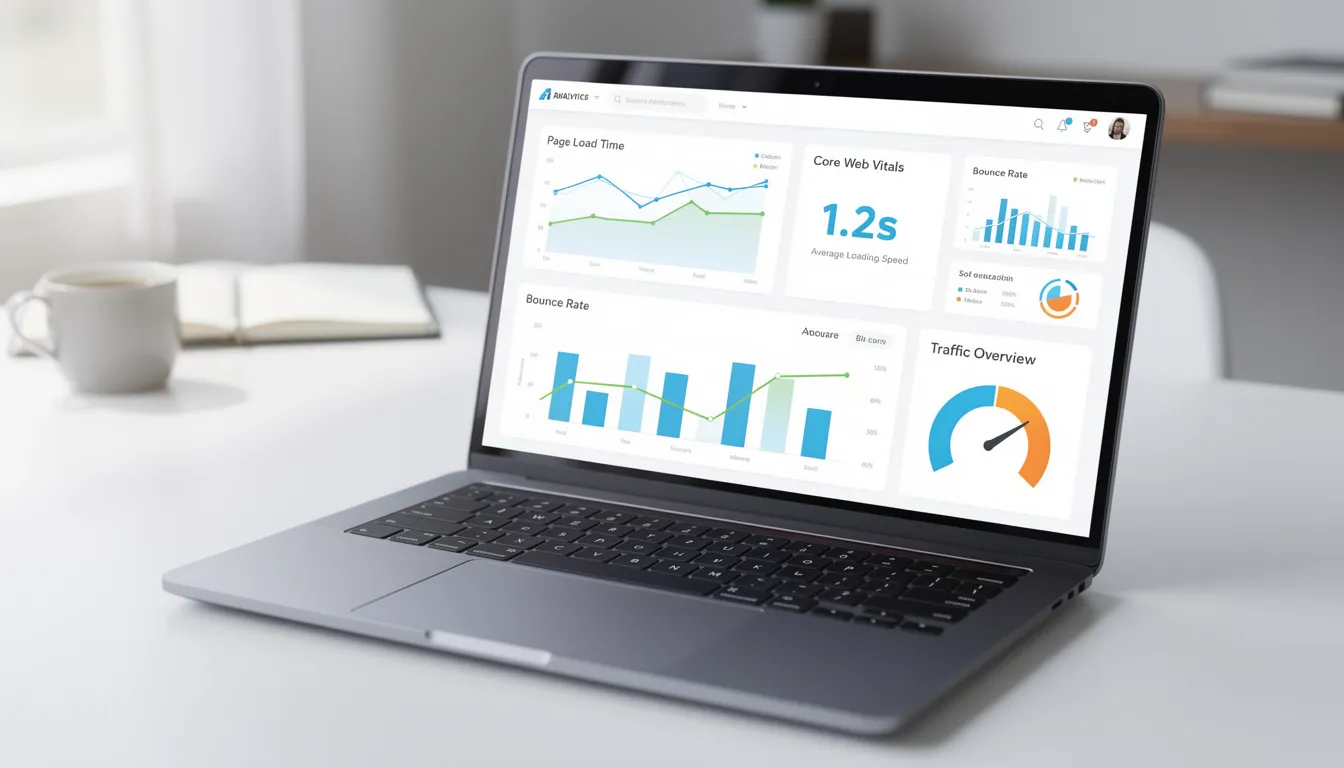
Fast page speed – Google’s Core Web Vitals set specific benchmarks: Largest Contentful Paint should be 2.5 seconds or less, First Input Delay should be 100 milliseconds or less, and Cumulative Layout Shift should be 0.1 or less. For jewellery sites, this often means compressing high-resolution product images.
Simple site architecture – Organise your site logically: homepage links to category pages (Sterling Silver, 18K Gold Plated, Birthstones), category pages link to individual products. This reduces orphan pages that search engine crawlers can’t find.
XML sitemap – A sitemap tells Google where to find all your pages. Most content management systems generate these automatically, but you should submit yours in Search Console.
Clean URLs – Use readable URLs like /sterling-silver-evil-eye-necklace rather than /product?id=4829&cat=7.
Tools to get started:
-
Google Search Console – Free, essential for monitoring how Google sees your site
-
Google PageSpeed Insights – Tests loading speed and Core Web Vitals
-
SEO plugin/app for your CMS – Yoast or Rank Math for WordPress, built-in tools for Shopify
Practical exercise: Run your homepage and one product page through PageSpeed Insights. Write down three improvements it suggests and research how to implement them.
Technical checks for your own site:
-
Verify HTTPS is active (look for the padlock in your browser)
-
Test mobile appearance using Google’s Mobile-Friendly Test
-
Check page speed scores on PageSpeed Insights
-
Confirm your XML sitemap exists and is submitted to Search Console
-
Review robots.txt to ensure important pages aren’t blocked
-
Check for duplicate content issues (www vs non-www versions)
On-Page SEO: Learning to Optimise Individual Pages
On-page SEO covers everything you do on a specific page to signal its topic and value to search engines. This includes title tags, headings, body copy, internal links, and image alt text.
The starting point is choosing a focus keyword for each page. A category page might target “sterling silver evil eye necklace,” while a specific product page might target “March aquamarine birthstone necklace UK.” Each page should have one primary keyword, though it can naturally include related terms.
Where to place your focus keyword naturally:
-
Title tag – The clickable headline in Google search results (keep under 60 characters)
-
H1 heading – The main heading on the page itself
-
First paragraph – Mention the keyword early in the body copy
-
1–2 subheadings (H2/H3) – Where it fits naturally
-
URL slug – Keep it short and descriptive
-
Image alt text – Describe the image while including relevant keywords
-
Internal links – Link to the page from other relevant pages on your site
Crafting NLP-friendly metadata, including descriptive title tags and meta descriptions, is crucial for attracting clicks amidst competitive listings.
When writing product titles and meta descriptions, highlight what makes your pieces special: materials (18K gold plated, sterling silver, hypoallergenic, nickel-free), style (handmade, Mediterranean inspired), and location (UK, London). Avoid keyword stuffing—cramming keywords unnaturally into your text. Google penalises this, and it reads poorly to customers.
A good meta description for a birthstone necklace might read: “Handmade March birthstone necklace featuring genuine aquamarine on sterling silver. Hypoallergenic and nickel-free. Free UK shipping over £35.”
Practice task: Pick three existing product pages—one sterling silver piece, one birthstone piece, one evil eye design. Rewrite the title tag, meta description, and first paragraph with better page optimization, naturally incorporating your target keyword.
Elements to optimise on each page:
-
Title tag (under 60 characters, includes focus keyword)
-
Meta description (under 155 characters, compelling and accurate)
-
H1 heading (one per page, includes focus keyword)
-
Subheadings (H2, H3) with logical structure
-
Body copy with natural keyword use
-
Internal links to related products and categories
-
Image alt text describing the product
-
URL slug (short, readable, keyword-inclusive)
Content SEO: Learning to Create Helpful, Search-Focused Content
Content SEO extends beyond product pages to include blog posts, guides, and collection descriptions that answer customer questions. This type of SEO content attracts visitors at earlier stages of their buying journey.
For a jewellery brand, helpful content might include:
-
“How to Choose Hypoallergenic Jewellery if You Have Sensitive Skin”
-
“Birthstone Jewellery Guide 2026: Meanings and Styles for Every Month”
-
“The Meaning of the Evil Eye in Mediterranean Jewellery”
-
“How to Care for Sterling Silver and Gold Plated Pieces”
-
“What Makes Copper Turquoise Unique? A Gemstone Guide”
The process starts with keyword research for content. Begin with seed topics like “birthstone jewellery” and use keyword tools—Google Keyword Planner, AnswerThePublic, Ubersuggest—to find long-tail phrases people actually search for.
Group related keywords into topics and content hubs. A “Birthstone Jewellery” hub might include a main guide plus separate pages for each month’s stone, all connected with internal links. This structure helps both users and search engines understand your content.
Building topical authority involves linking a comprehensive pillar page to multiple supporting articles on a subject, enhancing your website's trustworthiness and SEO performance.
When creating content, aim for genuinely useful, detailed information that addresses search intent rather than chasing arbitrary word counts. An informational query like “what is the meaning of evil eye jewellery” needs an educational article, not a product page.
Content ideas to practice SEO writing:
-
Gemstone education guides (turquoise, birthstones, ethically sourced stones)
-
Jewellery care instructions for different metals
-
Gift guides by occasion or recipient
-
Behind-the-scenes content about handmade craftsmanship
-
Style guides showing how to layer or pair pieces
-
Cultural and symbolic meanings in jewellery design
-
Local guides (“Best Independent Jewellery Shops in North West London”)
Off-Page SEO & Link Building for Creative Brands
Off-page SEO covers everything that happens away from your site that influences its authority and trust. The primary factor is backlinks—links from other websites pointing to yours.
A backlink acts like a vote of confidence. When a respected fashion blog links to your evil eye collection, Google interprets this as a signal that your content is valuable. However, not all links are equal. Links from relevant, high-quality sites (fashion publications, ethical jewellery directories, local London lifestyle blogs) matter far more than random directory listings.
Ethical link building techniques for small jewellery brands:
-
Blogger collaborations – Partner with UK fashion or lifestyle bloggers who genuinely appreciate handmade jewellery
-
Press features – Reach out to journalists covering independent brands, ethical fashion, or London shopping guides
-
Brand roundups – Get listed on “best independent jewellery brands UK” articles
-
Local partnerships – Sponsor or participate in Harrow community events that link back to your site
-
Expert contributions – Offer quotes about gemstones, jewellery trends, or artisan craftsmanship for other publications
-
Guest posting – Write helpful content for relevant blogs in exchange for a link
The basics of anchor text (the clickable words in a link) matter too. Natural links use varied, relevant anchor text rather than the same keyword every time. Links should be earned through genuine value, not bought or exchanged in manipulative schemes. Google penalises these tactics, sometimes severely.
Beginner-friendly practice: Identify 3–5 relevant blogs, local directories, or fashion websites. Send personalised emails offering a unique story angle, high-quality product images, or your expertise on Mediterranean-inspired designs in exchange for a mention and quality backlinks.
Keyword Research: How to Find What Your Customers Actually Search
Keyword research is learning the exact phrases people type into Google when looking for jewellery like yours. It’s the foundation of both content strategy and page optimization.
Start with seed keywords—broad terms related to what you sell:
-
“handmade jewellery UK”
-
“sterling silver jewellery”
-
“evil eye bracelet”
-
“birthstone necklace”
-
“hypoallergenic earrings”
Expand these using free resources: type your seed keyword into Google and note the Autocomplete suggestions. Scroll down to see “People Also Ask” questions and “Related Searches.” These reveal what real customers are searching for.
Basic keyword metrics to understand:
-
Search volume – How many people search for this term monthly (higher isn’t always better)
-
Keyword difficulty – How hard it will be to rank (lower is easier for new sites)
-
Relevance – How closely the keyword matches what you actually sell
Professional SEO tools provide valuable SEO metrics, such as keyword difficulty, search volume, and SERP analysis. These SEO metrics help you optimize and assess your website’s performance in search engine rankings.
Long-tail keywords like “handmade turquoise ring Harrow” have lower search volume but higher intent—someone searching this specific phrase is much more likely to become a customer than someone searching “ring.” Effective SEO leverages this intent to boost conversion rates organically.
Check the SERP for your target keywords to understand search intent. Are the results mostly product listings (transactional intent), educational guides (informational intent), or local business listings (local intent)? This tells you what type of page to create.
Steps to perform basic keyword research:
-
List 5–10 seed keywords from your main product categories
-
Use Google Autocomplete to find longer variations
-
Check “People Also Ask” for question-based keywords
-
Use a free keyword tool (Ubersuggest, Google Keyword Planner) to see volume estimates
-
Analyse the SERP to understand intent for each keyword
-
Prioritise relevant keywords you have a realistic chance of ranking for
-
Assign keywords to existing or planned pages
Practice exercise: Create a spreadsheet with 20–30 relevant keywords around your core themes (birthstones, evil eye, hypoallergenic, copper turquoise, Mediterranean designs). For each keyword, note the estimated volume and intent (informational, transactional, local).

Organising Topics into SEO-Friendly Structures
Topic clusters (or content hubs) organise related content around a central theme, helping both users and search engines understand relationships between pages.
For a jewellery brand, a “Mediterranean Inspired Jewellery” hub page might link to subpages covering evil eye designs, copper turquoise pieces, the influence of Lebanese heritage, and styling Mediterranean-inspired pieces for modern occasions.
Internal linking between related pages strengthens the structure. A blog post about “The Meaning of the Evil Eye in Mediterranean Culture” should link to your Evil Eye collection category. A birthstone guide should link to individual birthstone product pages.
Each main category can become its own content hub:
-
Sterling Silver Hub – Care guides, styling tips, why sterling silver, product categories
-
Birthstone Hub – Monthly stone meanings, gift guides, birthstone collection
-
Evil Eye Hub – Cultural significance, styling, collection page
-
Gold Plated Hub – Care instructions, hypoallergenic benefits, product categories
Example hub structure for birthstone jewellery:
-
Hub page: “Complete Birthstone Jewellery Guide 2026” (links to all months)
-
Supporting page: “January Birthstone: Garnet Meaning and Jewellery Ideas”
-
Supporting page: “February Birthstone: Amethyst Significance and Styling”
-
Supporting page: “March Birthstone: Aquamarine Necklaces and Bracelets”
-
(Continue for all 12 months)
-
-
Each supporting page links back to the hub and to relevant product pages
-
Product pages link to their corresponding birthstone guide
On-Site UX, Speed, and Mobile: Learning SEO Through User Experience
Modern SEO heavily overlaps with user experience. Google rewards sites that load quickly, navigate easily, and work well on mobile devices—because these factors directly impact whether visitors find what they’re looking for.
For jewellery e-commerce, good UX means:
-
Clear navigation by product type (necklaces, bracelets, rings) and metal (sterling silver, 18K gold plated)
-
High-quality but optimised product images that load quickly
-
Easy filters (birthstone month, metal type, price range)
-
Simple, secure checkout process
-
Clear shipping information (like our free UK shipping over £35)
-
Visible returns policy and contact details
Mobile-first indexing means Google primarily evaluates the mobile version of your site. Most of your potential customers are browsing birthstone rings or evil eye necklaces on their phones—during commutes, lunch breaks, or while walking through Harrow. Your site must work perfectly on smaller screens.
In addition to on-site factors, social media marketing activities—such as content sharing and brand engagement—can also influence your website’s authority and search engine rankings. Integrating social media marketing as part of your holistic SEO strategy helps build trust and visibility beyond your website.
Page speed improvements relevant to jewellery sites:
-
Compress large product photos without sacrificing quality
-
Use next-generation image formats (WebP or AVIF)
-
Limit heavy third-party scripts and pop-ups
-
Enable browser caching
-
Choose reliable UK-based hosting for faster local loading
UX and speed tasks for beginners:
-
Test your site on your own phone—is everything easy to tap and read?
-
Run Google’s Mobile-Friendly Test on key pages
-
Check PageSpeed Insights scores for mobile specifically
-
Compress your largest product images using free tools like TinyPNG
-
Ensure navigation menus work smoothly on touchscreens
-
Verify checkout process works on mobile without errors
-
Add clear calls-to-action that are easy to tap
Local SEO: Learning to Rank for Nearby Customers
Local SEO helps physical shops appear when people search for nearby businesses. For our Harrow store, this means appearing when someone searches “jewellery shop Harrow,” “handmade jewellery near me,” or “gift shop North West London.”
The foundation of local SEO is your Google Business Profile (formerly Google My Business). This free listing controls how you appear in Google Maps and local search results.
Setting up and optimising Google Business Profile:
-
Claim or create your listing at business.google.com
-
Enter accurate business name exactly as it appears on your signage
-
Add complete address and verify it (Google will send a postcard or call)
-
Include phone number and website URL
-
Set accurate opening hours (ours: Mon–Sat 9:00–18:00, Sun 11:00–17:00)
-
Choose relevant categories (Jewellery Store, Handmade Jewellery, Gift Shop)
-
Upload high-quality photos of your shop exterior, interior, and products
-
Add products and services with descriptions and prices
Maintaining an accurate Google Business Profile and managing customer reviews enhances local SEO for physical businesses. Consistency matters—ensure your NAP (Name, Address, Phone) appears identically across Yell, Bing Places, Apple Maps, and local Harrow business directories.
Customer reviews significantly impact local rankings. Encourage satisfied customers to leave Google reviews and respond thoughtfully to all reviews. Detailed reviews that mention specific products (“beautiful aquamarine birthstone necklace” or “stunning evil eye bracelet”) add valuable keywords to your profile.
Locally-focused content ideas:
-
“Where to Buy Handmade Jewellery in North West London”
-
“Harrow Shopping Guide: Independent Boutiques Worth Visiting”
-
“London Gift Guide: Unique Handmade Jewellery for Special Occasions”

Local SEO checklist:
-
Claim and fully complete Google Business Profile
-
Verify consistent NAP across all online directories
-
Upload quality photos regularly (shop, products, team)
-
Encourage and respond to customer reviews
-
Create locally-focused blog content
-
Include location terms in page titles where relevant
-
Add structured data markup for local business
Measuring Your SEO Progress and Using Data to Learn
Using Google Search Console
You learn SEO by measuring what works and what doesn’t. Free tools make this accessible for any website owner. If you're interested in how artisans measure quality and uniqueness in their handmade jewellery collections in Harrow, there's a lot to learn from their dedication to craftsmanship.
Google Search Console shows how your site appears in Google Search:
-
Which queries bring impressions and clicks (discover that “evil eye necklace UK” drives traffic)
-
Your average position for specific keywords
-
Which pages get the most organic clicks
-
Indexing coverage issues (pages Google can’t or won’t index)
-
Core Web Vitals performance
-
Mobile usability problems
Using Google Analytics
Google Analytics (GA4) tracks what happens after visitors arrive:
-
Total organic traffic over time
-
Which pages visitors engage with most (time on page for copper turquoise rings)
-
User flow through your site
-
E-commerce conversions from organic search
-
Bounce rate and engagement metrics
Rank Tracking Tools
Rank tracking tools (even basic free versions like those in Ubersuggest or SE Ranking’s free tier) monitor your positions for specific keywords over time. Track core terms like handmade jewellery UK or “hypoallergenic earrings London” to see progress.
Practical measurement habits:
-
Check overall trends monthly, not daily (SEO moves slowly)
-
Annotate major site changes in Analytics (new collection launch, redesign)
-
Investigate sudden drops by checking Search Console for manual actions or indexing issues
-
Compare month-over-month and year-over-year data to account for seasonality
-
Focus on trends rather than day-to-day fluctuations
Metrics to check each month:
-
Total organic clicks and impressions in Search Console
-
Top-performing queries and pages
-
Average position changes for priority keywords
-
Indexing status for new pages
-
Organic traffic trend in Google Analytics
-
Conversion rate from organic visitors
-
New backlinks acquired (using a free tool like Ahrefs Webmaster Tools)
Using SEO Insights to Improve Your Products and Store
Learning SEO isn’t just about search engine rankings—search data reveals what customers actually want, which can shape product decisions and store strategy.
Example 1: If Search Console shows many impressions for “sensitive skin jewellery” and “nickel free earrings UK,” that signals demand. We might create more hypoallergenic pieces and prominently feature “nickel-free” in titles and descriptions.
Example 2: If site search data shows visitors frequently searching for a gemstone we don’t stock (moonstone, labradorite, malachite), that’s a potential product expansion opportunity.
Example 3: If “evil eye gifts under £50” appears frequently in search data, creating a dedicated category or gift guide at that price point could capture that intent.
Questions to ask when reviewing SEO data:
-
What are customers searching for that we don’t currently offer?
-
Which products are getting search impressions but not clicks? (Perhaps titles or meta descriptions need improvement)
-
Are there seasonal patterns we should plan collections around?
-
Which content topics drive the most engaged traffic?
-
What questions appear in “People Also Ask” that we could answer?
-
Are there location-specific searches we’re missing?
Staying Up to Date: Continuous SEO Learning in 2026 and Beyond
SEO is always evolving. Google releases core algorithm updates several times per year, and the rise of AI search—through platforms like ChatGPT, Gemini, and Perplexity—is changing how people find information and products.
Rather than trying to read everything, follow a small, curated set of reliable resources:
-
Google Search Central Blog – Official announcements and guidance
-
Search Engine Journal or Search Engine Land – Industry news and analysis
-
One or two SEO newsletters – Moz, Ahrefs, or similar provide weekly roundups (subscribing to newsletters, such as the SEOFOMO newsletter, can help you stay informed about the latest SEO updates and news)
-
SEO community forums – Reddit’s r/SEO, Twitter/X SEO communities (engaging with the SEO community through forums, social media, and conferences can provide valuable insights and updates)
AI search visibility is an emerging area worth understanding. Strong, authoritative content with clear brand mentions can help you appear in AI-generated answers when someone asks “what are the best handmade jewellery brands in the UK?” This reinforces why creating genuinely helpful, expert content matters more than ever.
Continue experimenting with new approaches:
-
Video content (lookbooks, styling guides, gemstone education)
-
Product schema markup for rich results in search
-
FAQ sections using structured data
-
Local business schema for your Harrow store
-
Testing different content formats and measuring engagement
A practical ongoing learning plan:
|
Activity |
Time |
Frequency |
|---|---|---|
|
Reading | SEO-optimised content strategy and updates | SEO for SMEs | Top Digital Marketing Agencies in Brighton | Website Builders Manchester |
1–2 hours |
Weekly |
|
Implementing optimisations (pages, content) |
2–3 hours |
Weekly |
|
Reviewing metrics and data |
30–60 minutes |
Monthly |
|
Taking free SEO courses or tutorials |
As needed. |
Quarterly |
|
Testing new techniques or tools |
1–2 hours |
Monthly |
The SEO journey from absolute beginner to confident practitioner takes time, but every step builds on the last. Each product page you optimise, each piece of helpful content you publish, each local citation you claim—these compound over time into sustainable organic traffic.
For small creative businesses like ours at Saras Beads & Jewellery, SEO levels the playing field. We may never outspend large retailers on advertising, but we can outserve customers searching for exactly what we make: handmade, meaningful, ethically crafted jewellery.
Start with one section of this guide this week. Set up Google Search Console if you haven’t already. Pick three product pages and improve their title tags. Write one helpful blog post answering a question your customers ask.
Your website’s presence in organic search results grows one optimisation at a time. And every new customer who finds you through Google Search is a customer who was actively looking for what you create.
Frequently Asked Questions (FAQs) About Learning SEO in 2026
Q1: How has SEO evolved in 2026?
In 2026, SEO has shifted its focus from simple keyword placement to a more sophisticated approach emphasizing AI-driven search, user intent, and trustworthiness. Search engines now prioritize content that demonstrates expertise, authoritativeness, and relevance to user queries, often leveraging artificial intelligence to understand context better.
Q2: What are the core pillars of SEO today?
SEO in 2026 is built around four fundamental pillars:
-
Technical SEO: Ensuring your website is crawlable, fast, secure, and mobile-friendly.
-
On-Page SEO: Optimizing individual pages with relevant keywords, metadata, and user-friendly structure.
-
Content SEO: Creating valuable, authoritative, and user-focused content that meets search intent.
-
Off-Page Authority: Building your website’s credibility through quality backlinks and brand mentions.
Q3: How can beginners start learning SEO effectively?
The best way to start learning SEO is by reading comprehensive beginner guides that cover SEO basics and concepts. Enrolling in free SEO courses provides structured learning paths and certifications that help build foundational skills. Practicing on your own website or a test site accelerates learning by allowing hands-on experimentation without risking real business outcomes.
Q4: Is SEO relevant only for Google?
While Google remains the dominant search engine, SEO's relevance has expanded beyond it. Platforms like YouTube, TikTok, and AI chat interfaces now play a significant role in search and discovery. Optimizing content for these platforms is increasingly important to reach a broader target audience.
Q5: What benefits come from optimizing for SEO beyond rankings?
Optimizing for SEO often results in improved website speed, better accessibility, enhanced navigation, and an overall superior user experience. These improvements not only help search engines crawl and index your site more effectively but also increase visitor engagement and conversion rates.
Q6: Can I learn SEO on popular platforms like WordPress or Shopify?
Yes! SEO strategies can be implemented on various content management systems and e-commerce platforms such as WordPress, Shopify, and Wix. These platforms offer plugins and built-in tools that simplify SEO tasks, making it accessible even for beginners.
Q7: How important is networking and continuous learning in SEO?
Networking with other SEO professionals is invaluable for sharing knowledge, staying updated on industry changes, and learning about emerging trends. Because search engine algorithms and best practices constantly evolve, being a lifelong learner is essential to maintain and grow your SEO skills effectively.
Q8: Should I create a test site to practice SEO?
Creating a test site is highly recommended. It allows you to experiment with SEO tactics, test strategies, and learn from mistakes without affecting your real business website. This hands-on approach is one of the fastest ways to master SEO fundamentals and advanced techniques.
Ready to take your SEO to the next level? Whether you're a small business or an established brand, expert guidance can make all the difference. Sterling Media and Communications (SMC) offers tailored SEO services designed to boost your online presence, increase organic traffic, and grow your business effectively. For example, if you run an online jewelry store, promoting beautiful items such as the EIGHT Different Zirconia Sterling Silver Stones Necklaces, effective SEO can help attract more customers. Visit smcww.co.uk today to learn how their team of SEO specialists can help you master search engine optimization and achieve lasting success in 2026 and beyond.
Building Your Jewellery Brand’s SEO Strategy
A successful jewellery brand in 2026 needs more than beautiful products—it needs a robust SEO strategy to stand out in crowded search engine results. Building your search engine optimization (SEO) strategy starts with a deep understanding of your target audience: Who are your ideal customers? What are they searching for when they look for jewellery online? What problems or desires drive their search?
Begin by conducting thorough keyword research to uncover the terms and phrases your audience uses. Focus on both broad keywords like “handmade silver necklace” and specific long-tail keywords such as “hypoallergenic gold plated earrings for sensitive skin.” This research forms the foundation of your SEO strategy, guiding both your content creation and page optimization efforts.
Next, address the three core pillars of SEO:
-
Technical SEO: Ensure your website is fast, secure, and easy for search engines to crawl. This includes optimizing site speed, mobile responsiveness, and fixing any technical errors that could prevent your pages from being indexed.
-
On-Page SEO: Optimize each page with relevant keywords, compelling title tags, and clear meta descriptions. Make sure your product pages, category pages, and blog posts are structured logically and provide value to both users and search engines.
-
Off-Page SEO: Build your brand’s authority by earning quality backlinks from reputable websites, such as fashion blogs, jewellery directories, and local business partners. Off-page SEO techniques help boost your search engine rankings and increase your website’s credibility.
A well-rounded SEO strategy also involves regular analysis and adaptation. Monitor your search engine rankings, track which keywords are driving traffic, and refine your approach based on what’s working. Remember, SEO is an ongoing process—staying proactive with new SEO techniques and keeping your strategy up to date will help your jewellery brand maintain a strong presence in search engine optimization SEO.
Action steps for your jewellery brand’s SEO strategy:
-
Define your target audience and their search habits.
-
Master keyword research to identify high-potential keywords.
-
Audit your website for technical SEO improvements.
-
Optimize all key pages with on-page SEO best practices.
-
Develop a content plan that answers your audience’s questions.
-
Implement off-page SEO by building relationships and earning backlinks.
-
Track your progress and adjust your SEO strategy regularly.
By following these steps, your jewellery brand can climb the search engine rankings, attract more qualified visitors, and turn organic traffic into loyal customers.
Essential SEO Tools and Resources for Jewellery Brands
To compete in today’s digital marketplace, jewellery brands need the right SEO tools and resources to streamline their efforts and maximize results. Whether you’re just starting your SEO journey or looking to master advanced strategies, these tools can help you with keyword research, technical SEO, content optimization, and link building.

0 comments