

If you’re running a handmade jewellery brand online, you already know that beautiful pieces alone won’t bring customers to your door. With thousands of jewellery sellers competing for attention on Google, Instagram, and now AI-powered search tools, your content needs to work just as hard as your craftsmanship.
This complete guide walks you through exactly how to optimize content for your jewellery e-commerce store—from product pages and collection descriptions to blog posts and your brand story. Whether you’re aiming to rank for “handmade sterling silver necklace UK” or appear in Google’s AI Overviews when someone asks about birthstone gift ideas, you’ll find practical, jewellery-specific strategies you can implement starting today.
What Is Content Optimization for Jewellery E-commerce?
Content optimization is the practice of improving your website’s text, images, and structure so that search engines, AI systems, and human shoppers can all understand and value what you offer.
For a jewellery brand, this means making sure every product page, collection description, and blog post is crafted to attract the right visitors and convert them into customers. It’s not about gaming algorithms—it’s about communicating clearly and effectively across every touchpoint.
Here’s what content optimization looks like for an online jewellery store:
-
Product pages that answer customer questions about materials, sizing, and care while naturally including relevant keywords like “18K gold plated earrings” or “hypoallergenic silver ring”
-
Category and collection pages that help search engine crawlers understand your product range and help shoppers navigate from “Evil Eye Collection” to “Mediterranean Inspired Pieces”
-
Blog content that positions you as an authority on topics your customers care about—birthstone meanings, jewellery styling tips, or the symbolism behind copper turquoise
-
About and brand story pages that build trust by showcasing your expertise, heritage, and ethical practices
-
Complement your SEO efforts with performance media campaigns on Google and Meta to drive predictable leads and sales.
-
Visual content including product photography and lifestyle images optimized with descriptive alt text and proper file naming
Content optimization is an ongoing process, not a one-time task. In the jewellery world, this is especially true given seasonal gifting peaks like Christmas 2026, Valentine’s Day 2027, and summer wedding season. Your content strategy needs regular refreshes to stay relevant, accurate, and competitive.
Why Is Optimizing Content Important for Jewellery Brands?
For artisan jewellery brands, optimized content levels the playing field. You may not have the advertising budget of larger competitors, but you can outperform them in organic traffic by creating content that genuinely serves your target audience.
When you optimize your content effectively, you’re building a sustainable marketing asset that works around the clock without ongoing ad spend. For further scaling results, consider Meta ads for SMEs across Facebook, Instagram & Threads. Here’s why this matters for jewellery sellers specifically:
-
Compete without massive budgets: While bigger brands might dominate paid advertising, well-optimized content helps smaller makers rank for specific terms like “handmade beaded bracelets UK” or “nickel-free earrings for sensitive ears”—queries where buyers are actively looking for exactly what you offer.
-
Rank for buyer-intent searches: Optimized product and collection pages can appear in search results for queries like “Evil Eye bracelet meaning” or “best August birthstone jewellery gift,” capturing customers at the moment they’re ready to explore or purchase.
-
Appear in AI-powered search: With the rise of AI search tools and Google’s AI Overviews, your content now needs to answer questions in ways these AI systems can understand and cite. Well-structured, authoritative content increases your chances of being surfaced when someone asks Perplexity or ChatGPT about hypoallergenic jewellery options.
-
Build trust and reduce returns: Content that includes up-to-date pricing, accurate shipping information (such as free UK delivery over £35), current store hours, and clear product details helps set proper expectations. Customers who know exactly what they’re buying are more likely to be satisfied.
-
Increase average order value: Detailed guides that explain how to layer necklaces or mix metals encourage customers to purchase complementary pieces rather than single items.
-
Drive repeat business: Strong content marketing creates memorable brand experiences. When your blog post about birthstone meanings helps someone find the perfect birthday gift, they remember where they found that help.
Modern jewellery buyers research across Google, Instagram, TikTok, and AI assistants. Your optimized content creates consistency across these channels, reinforcing your brand whether someone discovers you through a traditional search or an ai generated response.
How to Optimize Content for SEO
This section provides a step-by-step framework for improving how your jewellery pages perform in search engine results pages and AI-surfaced answers.
The approach combines classic SEO fundamentals—keyword research, clear structure, internal links, and technical optimization—with newer requirements for AI visibility. Throughout, we’ll use real jewellery queries and examples relevant to handmade, artisan brands.
Each subsection below covers a specific aspect of the optimization process:
-
How to match search intent for different types of jewellery queries
-
Strategic use of primary and semantically related keywords
-
Optimizing for AI prompts and voice search questions
-
Making jewellery content scannable and accessible
-
Keeping product descriptions fresh and current
-
On-page SEO essentials including title tags and meta descriptions
-
Targeting SERP features like featured snippets
-
Visual content optimization for product photography
-
Building E-E-A-T signals for jewellery authority
-
Creating comprehensive topic coverage
-
Adding original insights and proprietary data
Match Search Intent for Jewellery Shoppers
Search intent is the reason behind a search query. Understanding and matching it is fundamental to creating content that actually ranks and converts.
For jewellery brands, search queries typically fall into these categories:
|
Intent Type |
Example Queries |
Best Content Format |
|---|---|---|
|
Informational |
“what is copper turquoise?”, “Evil Eye meaning” |
Blog guides, educational pages |
|
Commercial |
“best sterling silver necklaces UK”, “Evil Eye bracelet reviews” |
Comparison pages, curated collections |
|
Transactional |
“buy 18K gold plated hoop earrings”, “sterling silver birthstone ring size N” |
Product pages with clear CTAs |
|
Local |
“jewellery shop Harrow”, “handmade jewellery near me” |
Store page, Google Business Profile |
To match search intent effectively:
-
Analyse the current search results for your target keyword. If Google shows mostly blog guides for “birthstone jewellery meaning,” don’t try to rank a product page there—create a guide instead.
-
Mirror the winning format while adding your unique perspective. If top results for “how to layer gold necklaces” are listicles with images, create your own version featuring your pieces.
-
Align content type with query stage: Direct browsers asking “what does the Evil Eye symbolise?” to educational content, then link them to your Evil Eye Collection for those ready to shop.
-
Review intent seasonally. Before Christmas 2026 or summer wedding season, check whether search results for key terms have shifted toward gift guides or specific product types, and adjust your content strategy accordingly.
Use Primary and Secondary Keywords Strategically
Effective keyword research forms the backbone of search optimization, but for jewellery brands, it requires a focused approach.
Start by selecting one primary keyword per page. For a collection page, this might be “Evil Eye necklace UK.” For a product page, it could be “18K gold plated huggie earrings.” For a blog post, perhaps “birthstone jewellery meaning guide.”
Then identify 5-10 secondary phrases that support your primary keyword:
-
Primary: “Evil Eye necklace UK”
-
Secondary: “blue evil eye pendant,” “Mediterranean evil eye jewellery,” “protection talisman necklace,” “evil eye charm gold,” “Turkish eye necklace”
Where to research keywords:
Use tools like Ahrefs, Semrush, Ubersuggest, or Google Keyword Planner with UK location filters. For smaller brands, target realistic search volumes—terms with 100-2,000 monthly searches often convert better than ultra-competitive phrases like “gold necklace” where established players dominate.
Strategic placement of your target keyword:
-
In your H1 heading (page title)
-
Within the first 100 words of your intro
-
In at least one H2 or H3 subheading
-
In the URL slug (e.g., /evil-eye-necklace-uk)
-
In the title tag and meta description
Secondary and semantically related keywords should flow naturally through your copy. If you find yourself forcing phrases, rewrite for readability first—search engines have become sophisticated enough to understand context and synonyms.
Optimize for AI Prompts and Questions About Jewellery
Shoppers increasingly turn to AI tools with natural language questions: “What hypoallergenic jewellery can I wear if I react to nickel?” or “What does turquoise symbolise in Mediterranean jewellery?”
To capture this AI search traffic:
Add FAQ sections to key pages. Your Birthstone Collection, Evil Eye Collection, and Copper Turquoise pages should each include 3-6 frequently asked questions with concise, conversational answers.
Example FAQ format:
What makes sterling silver hypoallergenic? Sterling silver (925) contains 92.5% pure silver and typically 7.5% copper, avoiding the nickel that causes most jewellery allergies. Our pieces are specifically crafted to be nickel-free for sensitive skin.
Source questions from multiple channels:
-
Google’s “People Also Ask” boxes for your target keywords
-
Instagram DMs and comments asking about sizing, care, or symbolism
-
In-store conversations with customers
-
Email support logs showing common enquiries
Use question-style subheadings throughout your content. Phrases like “How do I layer beaded bracelets without tangling?” or “Can I shower wearing gold-plated jewellery?” help both AI systems and traditional search engines understand what your content answers.
This approach also improves your chances of appearing in featured snippets and voice search results, where natural language processing favours direct question-and-answer formats.
Make Jewellery Content Easy to Read and Skim
Your customers browse jewellery on mobile devices during commutes, lunch breaks, and late-night shopping sessions. Content that’s dense or difficult to scan loses sales.
Structural best practices:
-
Keep paragraphs to 2-4 sentences maximum
-
Use clear subheadings every 150-250 words
-
Break up technical details with bullet points (sizing, care instructions, material specs)
-
Bold key benefits like “nickel-free” or “free UK delivery over £35”
Readability guidelines:
-
Write at an accessible level—if your description of gold plating thickness or gemstone origins reads like a textbook, simplify it
-
Define jewellery terms on first use: “This vermeil piece (sterling silver with a thick gold plating) combines durability with lasting shine”
-
Avoid industry jargon without explanation: instead of just “cabochon cut,” write “cabochon cut (smooth, rounded top without facets)”
Maintain your brand voice:
Your content should feel warm, personal, and artisan—not corporate or robotic. Phrases like “handcrafted in our Harrow studio” or “inspired by Mediterranean coastal colours” create connection while still serving SEO purposes.
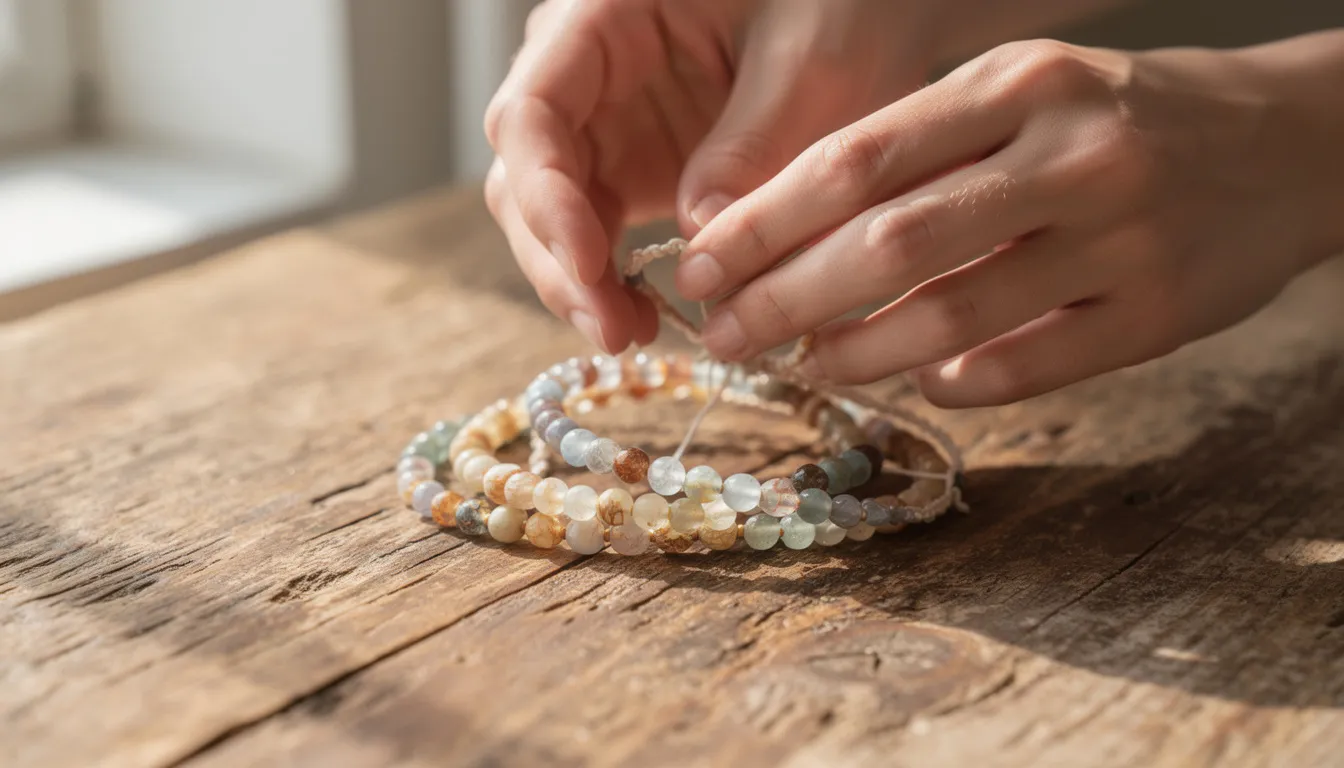
Visual breaks matter too. Use small spacing between sections, care icons where relevant, and lifestyle images to prevent walls of text that overwhelm mobile shoppers. Consider conversion-ready websites to further enhance the mobile shopping experience.
Keep Product and Collection Content Fresh
Search engines reward content that stays current. For jewellery brands, this means regular updates that reflect inventory changes, customer feedback, and seasonal relevance.
Establish a quarterly content review schedule:
|
Quarter |
Focus Areas |
|---|---|
|
January |
Update bestseller notes, refresh winter collection descriptions, prepare Valentine’s gifting content |
|
April |
Spring/wedding season refresh, update Mother’s Day gift guides, add new lifestyle photography |
|
July |
Summer collection updates, holiday early-bird content planning, review birthstone page accuracy |
|
October |
Christmas gifting guides, update shipping deadlines, refresh “new collection” references with specific dates |
Specific updates to make: Consider purchasing the Chic Evil Eye Sterling Silver Bracelet for a stylish and protective accessory.
-
Replace vague phrases like “new collection” with “launched Autumn 2025”
-
Add customer favourite indicators: “Bestseller since 2023” or “Over 200 sold in 2025”
-
Update availability notes for limited edition pieces
-
Incorporate recent customer feedback snippets that highlight specific benefits
-
Add new lifestyle and styling photographs
-
Refresh shipping information and any promotional offers
This systematic approach to existing content keeps your pages competitive without requiring complete rewrites.
Improve On-Page SEO Essentials
On-page SEO covers the technical elements that help search engines understand your pages. For jewellery sites, getting these fundamentals right is essential.
Title tags:
Follow a consistent pattern: Primary Keyword | Brand Name
Examples:
-
“Handmade Beaded Bracelets UK | Saras Beads & Jewellery”
-
“Sterling Silver Evil Eye Necklace | Saras Beads & Jewellery”
Keep titles under 60 characters to avoid truncation in search results.
Meta descriptions:
Write compelling 150-160 character descriptions that include:
-
Your target keyword naturally
-
A key benefit (handmade, hypoallergenic, ethically sourced)
-
A call to action or unique selling point
Example: “Discover our handmade Evil Eye necklaces. Hypoallergenic sterling silver, ethically sourced stones. Free UK shipping over £35. Visit our Harrow store.”
Header structure:
Use one H1 per page (your main title), then H2s for major sections and H3s for subsections. This hierarchy helps search engines understand your content structure.
URL best practices:
-
Keep URLs short and descriptive
-
Use lowercase letters with hyphens
-
Include your primary keyword
-
Example: /sterling-silver-evil-eye-necklace
Internal links:
Create logical connections between related pages:
-
Link Birthstone Collection to individual stone pages
-
Connect Evil Eye pieces to Mediterranean Inspired collection
-
Link from blog guides to relevant product pages
-
Direct product pages to your Bespoke Orders page for customisation
Check regularly for broken links, which frustrate users and signal poor maintenance to search engines.
Optimize Pages for SERP Features and AI Overviews
Beyond standard search results, several SERP features can dramatically increase your visibility.
Featured snippets:
Create concise definition boxes or numbered steps that Google can pull directly into results. For “How to care for 18K gold plated jewellery,” structure your answer as:
How to Care for 18K Gold Plated Jewellery:
Remove before showering, swimming, or exercising
Apply perfume and lotions before putting on jewellery
Store in a soft pouch away from other pieces
Clean gently with a soft, dry cloth after wearing
People Also Ask optimization:
Review the questions Google shows for your target keywords and ensure your content directly answers them. Include these as H3 subheadings where natural.
Image packs:
High-quality product photography with proper optimization (descriptive file names, meaningful alt text) can appear in Google Images and visual search results. For queries like “copper turquoise ring styles,” image visibility drives significant traffic.
AI Overviews and AI search optimization:
Structure content clearly with:
-
Direct answers to questions in the first sentence of relevant sections
-
Factual, verifiable information (gemstone properties, metal compositions)
-
Clear attribution of expertise (founder’s experience, years in business)
This structured data approach helps both traditional search and AI-powered search engines surface your content in ai overviews.
Optimize Visual Content: Photos and Videos
For jewellery, visual content often determines whether a customer buys. But beautiful images need proper optimization to drive search traffic.
Product photography requirements:
-
Minimum 3-5 images per hero product showing different angles
-
At least one lifestyle shot showing the piece worn
-
Close-ups of details like clasps, stone settings, and bead patterns
-
Consistent lighting and background across collections
Image SEO essentials:
-
File names: Use descriptive names before uploading. Instead of “IMG_4532.jpg,” use “saras-beads-sterling-silver-evil-eye-necklace.jpg”
-
Alt text: Add descriptive alt text that describes the image for screen readers and search engines: “Sterling silver Evil Eye necklace with blue glass bead on delicate chain, worn on model”
-
Compression: Optimize images for fast loading without quality loss—this affects both user experience and core web vitals
-
Responsive sizing: Ensure images display properly on mobile devices
Video content: Elegant Sterling Silver Evil Eye Jewellery Set for Protection and Style
Check out the Rose Gold Necklace with Evil Eye available for £29.95.
Short try-on videos and styling reels perform well for jewellery. Consider:
-
15-30 second clips showing how pieces move and catch light
-
Layering tutorials demonstrating how to style multiple necklaces
-
Behind-the-scenes glimpses of the handmaking process
Embed videos on relevant product and collection pages, and ensure they don’t slow site speed.

Align With Google’s E-E-A-T for Jewellery
E-E-A-T stands for Experience, Expertise, Authoritativeness, and Trustworthiness. For jewellery brands, demonstrating these qualities helps search engines understand why your content deserves to rank.
Experience and Expertise:
-
Highlight the founder’s hands-on jewellery making experience and years in the craft
-
Mention specific skills: metalworking techniques, gemstone knowledge, design training
-
Reference your physical studio or workshop location
-
Share the story behind the brand—cultural heritage, inspiration, journey from hobby to business, and consider how Google Search Marketing strategies for SMEs can support your growth
Authoritativeness:
-
Create comprehensive guides on topics within your expertise (birthstones, hypoallergenic materials, jewellery care)
-
Cite reputable sources for gemstone information (GIA, established gemological references)
-
Build relationships with industry sites that might link to your content
-
Maintain active, consistent social media presence
Trustworthiness:
-
Display clear contact information and physical address
-
Show real customer reviews prominently
-
Explain your hypoallergenic and nickel-free claims with specifics
-
Include secure checkout indicators
-
Publish transparent returns and shipping policies
Weave these trust signals naturally throughout your site. A product description that mentions “handcrafted in our Harrow studio using ethically sourced gemstones” conveys expertise without sounding corporate.
Cover Jewellery Topics Comprehensively
Thin content doesn’t compete. For cornerstone topics—birthstones, Evil Eye symbolism, hypoallergenic jewellery, Mediterranean-inspired design—create comprehensive guides that establish your authority.
Building comprehensive coverage:
-
Research existing top results for queries like “Evil Eye jewellery meaning” and list all subtopics they cover
-
Add unique angles that competitors miss: cultural context, personal stories, customer testimonials, styling suggestions
-
Structure for depth and skimmability: aim for 1,800-2,500 words for major guides, broken into clear sections
Essential sections for jewellery topic guides:
-
History and origins
-
Symbolism and meaning
-
Materials and quality indicators
-
Styling suggestions for different occasions
-
Gifting ideas and occasions
-
Care and maintenance
-
Frequently asked questions
This comprehensive approach signals topical authority to both traditional search and AI systems looking for authoritative overviews to cite in ai generated responses.
Include Original Insights and Data
Content that includes proprietary data and original insights stands out in increasingly competitive search results—and AI tools actively seek unique information to cite.
Sources of first-party data:
-
Sales patterns: “Our bestselling birthstone in the UK is sapphire (September), followed closely by opal (October)”
-
Customer preferences: “70% of our Harrow store customers choose sterling silver over gold plating for everyday wear”
-
Common concerns: “The most frequent question we receive is about shower-safe jewellery—here’s the definitive answer”
-
Seasonal trends: “Valentine’s Day 2026 saw a 40% increase in couples ordering matching Evil Eye bracelets”
Types of original content:
-
Mini case studies: “How we designed a bespoke birthstone necklace for a 40th birthday, incorporating three generations of family birthstones.” If you’re interested in September birthstone ideas, check out our sapphire jewellery inspirations.
Even small original insights increase your chances of citations from bloggers, journalists, and AI systems seeking unique information not available elsewhere.
How to Optimize Content for Conversions
Search visibility means nothing without conversions. For jewellery brands, conversion optimization guides visitors from browsing to tangible actions: adding to basket, requesting a bespoke piece, visiting your physical store, or joining your email list.
Jewellery purchases are emotional decisions backed by practical reassurance. Your content needs to address both:
-
Emotional drivers: Sentiment, symbolism, gifting moments, personal style expression
-
Practical reassurance: Quality materials, hypoallergenic properties, delivery reliability, returns policy
The following subsections cover how to demonstrate product value, craft appropriate calls to action, and use social proof effectively.
Demonstrate the Value of Each Piece and Collection
Generic phrases like “high quality” and “beautiful design” don’t differentiate or persuade. Specific, benefit-focused descriptions do—like describing a Sterling Silver Ring with Gemstones in detail.
Focus on meaningful benefits:
Instead of: “This is a beautiful turquoise ring.”
Write: “This copper turquoise ring brings the calming energy of the stone to your everyday wear. The unique matrix pattern means no two rings are identical—yours will be truly one of a kind.”
Include occasion-based storytelling:
-
“Our September birthstone sapphire earrings make a thoughtful 21st birthday gift”
-
“Many customers choose our Evil Eye bracelets as protective talismans for new beginnings—graduations, new jobs, or moving abroad”
Provide material transparency:
-
Specify gold plating thickness where relevant
-
Explain what “925 sterling silver” means for durability
-
Describe ethical sourcing practices for gemstones
-
Note hypoallergenic properties with specific reassurance
Add comparison context:
Where helpful, explain why a customer might choose one option over another: “Sterling silver develops a beautiful patina over time, while 18K gold plating maintains its warm tone with proper care. For daily wear with frequent water exposure, sterling silver is often the more practical choice.”
Use Calls to Action That Match the Shopping Journey
Different content types serve different stages of the buying journey. Your calls to action should match.
Early-stage CTAs (blog posts, educational content):
-
“Explore our September Birthstone Collection”
-
“Download our free jewellery gifting guide”
-
“See how customers style their Evil Eye pieces”
Mid-funnel CTAs (collection pages, comparison content):
-
“Compare our sterling silver and 18K gold plated options”
-
“See how this necklace layers with our beaded bracelets”
-
“View the full Copper Turquoise Collection”
Purchase-ready CTAs (product pages):
-
“Add to basket”
-
“Request a custom length”
-
“Visit our Harrow store to try on—open Mon-Sat 9:00-18:00”
Best practices for jewellery CTAs:
-
Place shipping and returns reassurance near the main CTA: “Free UK delivery over £35. Easy 14-day returns.”
-
Test different button wording: “Add to basket” vs “Make it yours” vs “Buy now”
-
Include secondary CTAs for those not ready to purchase: “Add to wishlist” or “Ask a question about this piece”
-
Keep the tone warm and non-pushy, matching your artisan brand voice
Show Social Proof and Reduce Buying Anxiety
Trust signals directly impact conversion rates. For jewellery—where customers can’t touch or try on items—social proof is especially important.
Effective review usage:
Feature specific, detailed customer reviews about the Copper Turquoise Necklace:
“I’ve worn this necklace every day for three months and it still looks brand new. No irritation even though I usually react to jewellery.” — Sarah, London
Reviews mentioning comfort, gift reactions, and in-store experiences resonate most.
Customer photography:
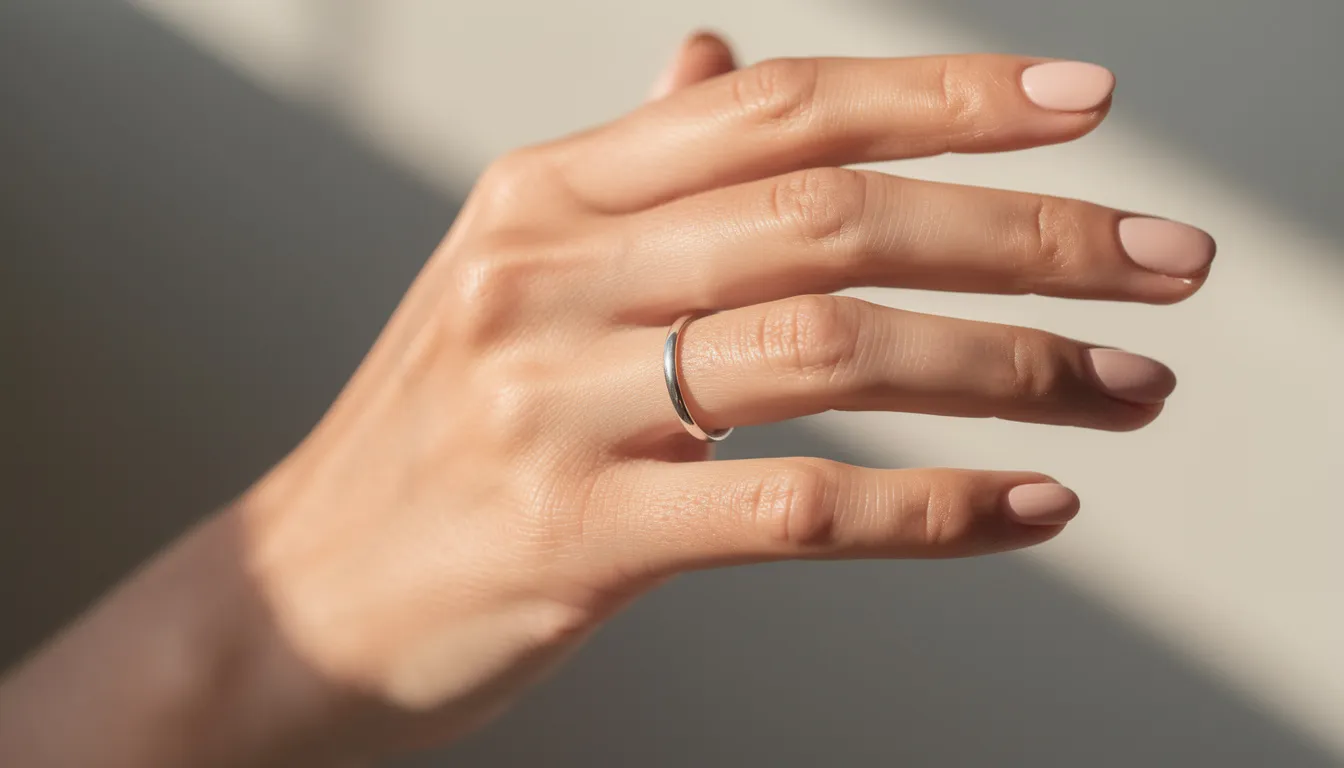
With permission, showcase photos of real customers wearing your pieces. This helps with scale (how does this ring look on an actual hand?) and lifestyle context.
Trust indicators to display prominently:
-
Delivery timeframes and tracking information
-
Free UK shipping threshold (over £35)
-
Gift packaging options
-
Simple, clear returns policy
-
Secure checkout badges
Popularity signals:
Where accurate, include indicators like:
-
“Bestseller since 2023”
-
“Customer favourite”
-
“Over 100 sold in the last 12 months”
These signals reduce buying anxiety without making exaggerated claims.
Common Content Optimization Mistakes to Avoid
Even well-intentioned content optimization can backfire if you fall into common traps. For boutique jewellery brands handling SEO in-house, these pitfalls are especially relevant.
Understanding what to avoid saves time and protects your brand’s long-term search performance.
Keyword Stuffing and Over-Optimization
Keyword stuffing—repeating your target keyword unnaturally throughout a page—is one of the most common mistakes small businesses make.
What it looks like:
“Looking for a sterling silver necklace UK? Our sterling silver necklace UK collection features the finest sterling silver necklace UK designs. Buy sterling silver necklace UK today.”
This reads terribly, and search engines recognise it as manipulation.
How to avoid it:
-
Write naturally first, then lightly adjust for SEO
-
Read your descriptions aloud—if they sound robotic, rewrite them
-
Use natural variations: “silver pendant,” “delicate chain,” “925 silver necklace”
-
Focus on answering customer questions, not hitting keyword counts
-
Trust that well-written, relevant content will include your keywords naturally
Modern search engines and natural language processing systems reward clarity and authenticity. Traditional SEO metrics around keyword density matter far less than content quality and user satisfaction.
Neglecting User Experience and Mobile Shoppers
Many jewellery customers browse on mobile devices—during commutes, on lunch breaks, or scrolling in bed. If your content doesn’t work well on mobile, you lose sales.
Common mobile experience problems:
-
Dense paragraphs that require endless scrolling
-
Images that don’t zoom properly or load slowly
-
Buttons too small to tap accurately
-
Key information (price, materials, shipping) buried below the fold
Solutions:
-
Structure product information with clear, scannable headings: “Details,” “Sizing,” “Care,” “Meaning”
-
Keep mobile optimization in mind when writing—test how descriptions appear on a phone
-
Ensure buttons are appropriately sized for touch
-
Work with developers to optimise site speed and visual stability
Core web vitals—Google’s metrics for page experience—directly impact rankings. A slow, frustrating mobile experience hurts both conversions and visibility.
Focusing on Quantity Over Quality
It’s tempting to add many products quickly with minimal descriptions. But thin, near-duplicate content hurts rather than helps.
Signs of quantity-over-quality problems:
-
Multiple similar products with copy-paste descriptions
-
Generic phrases that could apply to any jewellery: “This beautiful piece makes a perfect gift”
-
Blog posts rushed out weekly without depth or value
-
Collections with technical seo issues from duplicate content
Better approach:
-
Prioritise detailed, well-photographed listings for core collections first
-
Create fewer, richer guides that genuinely help customers
-
Repurpose one strong piece across channels: turn a comprehensive “How to Choose Hypoallergenic Jewellery” guide into email snippets, Instagram captions, and FAQ content
Ten valuable content pieces outperform fifty shallow ones in both search traffic and sales.
Ignoring Local and Brand-Specific Optimization
For jewellery brands with physical locations, local SEO represents a significant opportunity many overlook.
Common oversights:
-
Never mentioning your location (Harrow, Greater London, UK-based) in strategic content
-
Missing a dedicated “Visit Our Store” page with address, hours, directions, and parking information
-
Failing to optimise Google Business Profile
-
Not including brand name in title tags and key pages
What to do:
-
Weave location references naturally: “handcrafted in our Harrow studio,” “visit us in Greater London”
-
Create a comprehensive store page optimised for local search queries
-
Include opening hours (Mon-Sat 9:00-18:00, Sun 11:00-17:00) on multiple pages
-
Use your brand name consistently to build branded search traffic
Local and brand terms signal relevance to both search engines and other search engines like Bing, helping customers find you whether they’re searching from home or looking for “jewellery shop near me” while visiting the area.
Measuring and Refining Your Jewellery Content
Creating content is only half the work. To truly optimize your content, you need to measure performance and refine based on what you learn.
This doesn’t require enterprise-level analytics. A small team can use free and affordable tools to track what matters:
-
Google Analytics: Monitor organic traffic to core collections, track conversion rates, identify top-performing pages
-
Google Search Console: See which search queries bring impressions and clicks, identify content gaps
-
Basic heatmaps/session recordings: Understand how visitors interact with product pages (many affordable options exist)
For comprehensive support with on-page, technical, and local SEO, consider professional services dedicated to SMEs.
Focus on metrics that connect to business outcomes: traffic to key collections, product page conversion rates, average order value, and queries driving store visits.
Set Clear KPIs for Each Content Type
Different content serves different purposes. Your KPIs should reflect this.
|
Content Type |
Primary KPIs |
Secondary KPIs |
|---|---|---|
|
Blog guides |
Email signups, time on page, scroll depth |
Social shares, linked pages from other sites |
|
Collection pages |
Clicks to product pages, add-to-basket rate |
Bounce rate, pages per session |
|
Product pages |
Completed purchases, bespoke enquiries |
Add-to-basket rate, wishlist adds |
|
Store/local pages |
Direction clicks, phone calls, store visits |
Local pack impressions |
Example realistic KPIs:
-
Increase organic traffic to Birthstone Collection by 30% within 6 months
-
Raise product page conversion rate from 1.5% to 2.5%
-
Generate 50 email signups per month from blog content
Review KPIs monthly and adjust priorities seasonally. In November-December 2026, focus on gifting content performance. In April-June, prioritise wedding and Mother’s Day related pages.
Use Analytics and Customer Feedback to Guide Updates
Data reveals content gaps and opportunities your intuition might miss.
Search Console insights:
-
Identify queries where you have impressions but low clicks—these need better titles and descriptions
-
Find pages ranking position 8-15 for valuable terms—these are candidates for content expansion
-
Spot emerging queries to create new content around
On-site search data:
If your platform tracks internal searches, review what customers look for:
-
Frequent searches for “ring size guide” or “nickel free” indicate content gaps to fill
-
Searches for specific stones or styles reveal product demand
Customer feedback sources: Customers who have purchased handmade beaded jewellery have shared their feedback through various platforms.
-
In-store questions at your Harrow location
-
Email and Instagram enquiries
-
Post-purchase survey responses
-
Product review themes
Turn common questions (“Can I shower with this on?”, “Will this fit my mum?”) into FAQ content and blog posts.
Aim for at least quarterly data-driven updates rather than random edits whenever you remember.
Test and Iterate Key Elements
Small changes can meaningfully impact performance. Testing helps you learn what works for your specific audience.
Simple tests for jewellery content:
-
Headline variations: “How to Layer Necklaces” vs “5 Necklace Layering Ideas for Summer”
-
Product photo order: lifestyle image first vs product-only image first
-
CTA wording: “Add to basket” vs “Make it yours”
-
Description structure: benefits-first vs materials-first
Testing best practices:
-
Change one main element at a time so you know what caused any difference
-
Run tests for 4-6 weeks with sufficient traffic to draw conclusions
-
Prioritise tests on high-traffic, high-intent pages (your popular collections and top 10 products)
-
Document results to build knowledge over time
You don’t need complex A/B testing tools to start. Even manually comparing performance before and after changes provides valuable insights for your content creation process.

Bringing It All Together: A Sustainable Content Optimization Routine
Content optimization for a jewellery brand isn’t a one-off project—it’s an ongoing practice that becomes part of how you run your business.
The most effective approach combines SEO fundamentals with AI readiness, strong visual content, and emotionally resonant storytelling that reflects your brand’s unique character.
A simple recurring workflow:
|
Frequency |
Activities |
|---|---|
|
Monthly |
Review analytics for top pages, note any ranking changes, address urgent issues |
|
Quarterly |
Refresh seasonal content, update bestseller notes, add new photos, fill content gaps |
|
Annually |
Deep audit of all core collections and guides, review keyword strategy, assess competitor changes |
Build a content calendar around key dates:
-
Valentine’s Day (February): Romantic gifting content, couple’s pieces
-
Mother’s Day (March): Meaningful gifts for mums, birthstone family pieces
-
Eid: Celebration jewellery, family gifting traditions
-
Summer wedding season (May-August): Bridal party gifts, occasion jewellery
-
Christmas (December): Gift guides, Secret Santa options, last-order dates
Map specific optimization tasks and new content creation to each period well in advance.
The sustainable mindset:
Resist the temptation to chase algorithm changes or implement every new tactic you hear about. Consistent, artisan-led content that reflects your heritage, expertise, and ethical approach will stand out more than attempts to game systems.
When you treat content optimization as an extension of your craftsmanship—taking the same care with your words and images as you do with your materials and techniques—the results follow naturally.
Your website is just what it appears: a reflection of your brand, your knowledge, and your commitment to serving customers well. Optimize it as carefully as you craft each piece.
Ready to start? Pick one collection page this week. Review it against the checklist in this guide. Update the descriptions, add an FAQ section, check your image alt text, and strengthen your internal links. That single improved page becomes your template for the rest.
Frequently Asked Questions (FAQ) About Content Optimization
Q1: How does optimizing content structure benefit my website?
Optimizing content structure improves crawlability by search engine crawlers, establishes clear topic relationships, and guides users smoothly through your site. A well-structured site helps both humans and AI systems understand your content hierarchy and find relevant information quickly.
Q2: Why are internal links important for content optimization?
Internal links enhance user navigation, making it easier for visitors to explore related content. They also assist search engines in crawling your website more effectively, distributing link authority across pages and improving your overall SEO performance.
Q3: What role do backlinks play in SEO?
Backlinks are among the top three ranking factors in search algorithms. They act as endorsements from other reputable sites, increasing your content’s authority and trustworthiness in the eyes of search engines, which can boost your rankings and organic traffic.
Q4: Is mobile optimization really necessary?
Absolutely. Over half of web traffic now comes from mobile devices. Google employs mobile-first indexing, meaning it primarily uses the mobile version of your site for ranking and indexing. Optimizing for mobile responsiveness and page speed is critical to ensure a positive user experience and maintain search engine rankings.
Q5: How can I optimize content for AI search?
Optimizing for AI involves providing clear, direct answers formatted to be easily retrieved by machine learning models. This includes using natural language, conversational phrasing, and structuring content with FAQs and bullet points. Generative Engine Optimization (GEO) focuses on tailoring content to appear in AI-generated responses by anticipating AI search queries, which tend to be longer and more conversational than traditional searches.
Q6: What are some key technical considerations for content optimization?
Technical factors such as site structure, page speed (ideally under 2.5 seconds), mobile responsiveness, and structured data implementation are essential. These ensure search engines can crawl, index, and render your pages properly, while also providing a smooth user experience.
Q7: How important is refreshing content regularly?
Regularly updating your content—including visuals, statistics, and factual information—signals reliability to both readers and AI tools. Fresh content maintains accuracy, keeps your pages relevant, and supports sustained visibility in search results.
Q8: How does readability affect SEO and conversions?
Clear, readable content keeps visitors engaged and reduces bounce rates. A Semrush survey found that 43% of marketers prioritize readability to improve SEO and conversions. Using tools like Grammarly and Hemingway can help enhance clarity, while breaking up text with images and videos makes content more engaging and easier to understand.
Q9: How do title tags and meta descriptions impact my content’s performance?
Compelling title tags and meta descriptions improve click-through rates from search engine results pages by succinctly describing your content and enticing users to visit your site. Including your target keywords naturally in these elements can also support better rankings.
Q10: Why is monitoring performance metrics important?
Tracking metrics such as organic traffic, bounce rates, and conversion rates helps you identify content gaps and optimization opportunities. Regular analysis allows you to refine your content strategy over time, ensuring continued growth and improved search engine visibility.
Ready to Elevate Your Jewellery Brand's Content?
If you're serious about optimizing your jewellery content to attract more customers, boost your search engine rankings, and stand out in AI-powered search results, the experts at SSMC (Ssterling Media & Communications) are here to help.
Visit smcww.co.uk today to learn how our tailored content optimization strategies can transform your online presence and drive lasting growth for your handmade jewellery brand.
Don't let your beautiful pieces go unnoticed—optimize your content with SSMC and shine brighter in every search.

0 comments