

Introduction to Search Engines
This guide covers top search engine optimization strategies to help you elevate your rankings. SEO stands for Search Engine Optimization, which is the process of getting traffic from free, organic, editorial, or natural search results in search engines. This guide is designed for website owners, marketers, and business professionals who want to improve their online visibility and attract more organic traffic through effective SEO strategies.
Search engines are the primary source of online traffic, making search engine optimization (SEO) crucial for website owners aiming to increase their online visibility. Search engines rely on complex algorithms to find web pages and decide which ones to rank for any given keyword. Understanding how these algorithms work is essential for developing an effective SEO strategy that can improve your site's position on search engine results pages (SERPs) and boost your overall SEO rankings.
Keyword research is a fundamental aspect of SEO, helping website owners target the right search queries by understanding user intent and utilizing long-tail keywords. Using keyword research tools, including the search bar features in various platforms, can enhance this process by identifying valuable target keywords to focus on. Search engine results pages display the most relevant results for a given query, and the ultimate goal is to rank high on these pages to attract organic traffic. Organic search is responsible for a significant share of all site traffic compared to paid search, highlighting the importance of SEO as a long-term strategy in the evolving SEO landscape.
Developing an SEO Strategy
Creating an effective SEO strategy involves foundational practices, advanced techniques, and ongoing analysis. A well-planned SEO strategy involves thorough keyword research, on-page optimization, and link building. A strong link building strategy focuses on acquiring quality backlinks from authoritative and relevant websites, which significantly improves domain authority and SEO rankings. Managing your backlink profile is essential to ensure harmful or toxic links do not negatively impact your rankings.
Google Search Console is a valuable SEO tool for monitoring SEO performance, tracking indexed pages, identifying technical issues, and measuring keyword rankings. Effective search engine optimization requires ongoing effort and adjustment to maintain and improve rankings over time.
Steps for Maintaining a Strong SEO Strategy:
-
Perform regular audits to maintain content relevance and fix broken links.
-
Use SEO tools to create outlines for content planning and streamline the content creation process.
-
Monitor your backlink profile to ensure quality and remove toxic links.
With a solid strategy in place, the next step is to understand the intent behind user searches.
Understanding Search Intent
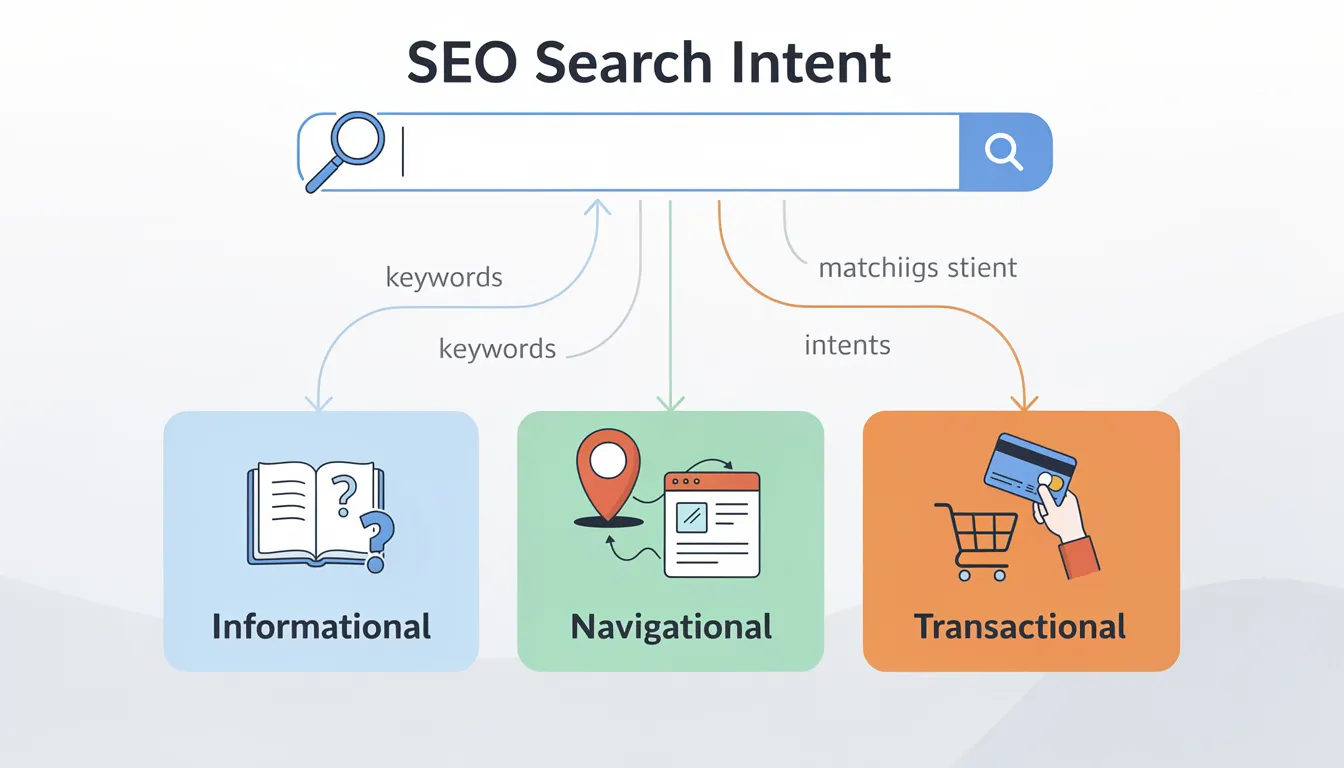
Search intent refers to the reason behind a user’s search query, which can be informational, navigational, or transactional. Understanding search intent is crucial for creating relevant and effective content that aligns with what users are looking for. Target keywords should match the search intent to increase the chances of ranking high in search engine results.
Search results are influenced by various factors, including keyword usage, content quality, and user experience. Intent mapping aligns content with specific stages of the buyer journey, such as informational, commercial, or transactional, helping you create content that resonates with your target audience.
By understanding search intent, you can create content that meets user needs and sets the stage for effective on-page optimization.
On-Page SEO Techniques
On-Page SEO focuses on optimizing individual web pages and includes elements like keyword use and title tags. On-page SEO involves optimizing individual web pages to improve search engine rankings and user experience.
Optimizing Titles and Meta Descriptions
Key techniques include optimizing the page title (front-loading your main keyword in the title tag), meta description, and header tags. Writing unique titles and descriptions for each page avoids duplicate content issues and enhances click-through rates.
Internal Linking Best Practices
Internal links are a critical component of on-page SEO and overall site architecture. These are links from any page on your website to another page within the same site. Internal linking helps users navigate your website more easily and allows search engines to crawl and index your pages effectively.
By using keyword-rich anchor text in internal links, you provide search engines with clear context about the content of the linked pages. This not only distributes page authority across your site but also helps boost the SEO rankings of linked pages, especially those that may have lower authority. Strategically placing internal links improves user engagement by guiding visitors to related or important content, increasing time spent on your site and reducing bounce rates.
Image Optimization
Optimizing images is an essential part of on-page SEO. This involves using descriptive file names and image alt text, which are brief descriptions of the images. Using alt tags allows search engines to locate and understand your images, which is crucial for SEO as it improves image search rankings and overall page relevance. Alt text also enhances accessibility for users relying on screen readers, ensuring a better user experience for all visitors. Additionally, compressing images to reduce file size without sacrificing quality helps improve page speed, a vital ranking factor.
Web pages with optimized images load faster, improving user experience and search engine rankings. Page speed is a critical ranking factor, directly impacting SEO performance.
With your on-page elements optimized, the next step is to ensure your images are fully supporting your SEO efforts.
Optimizing Images
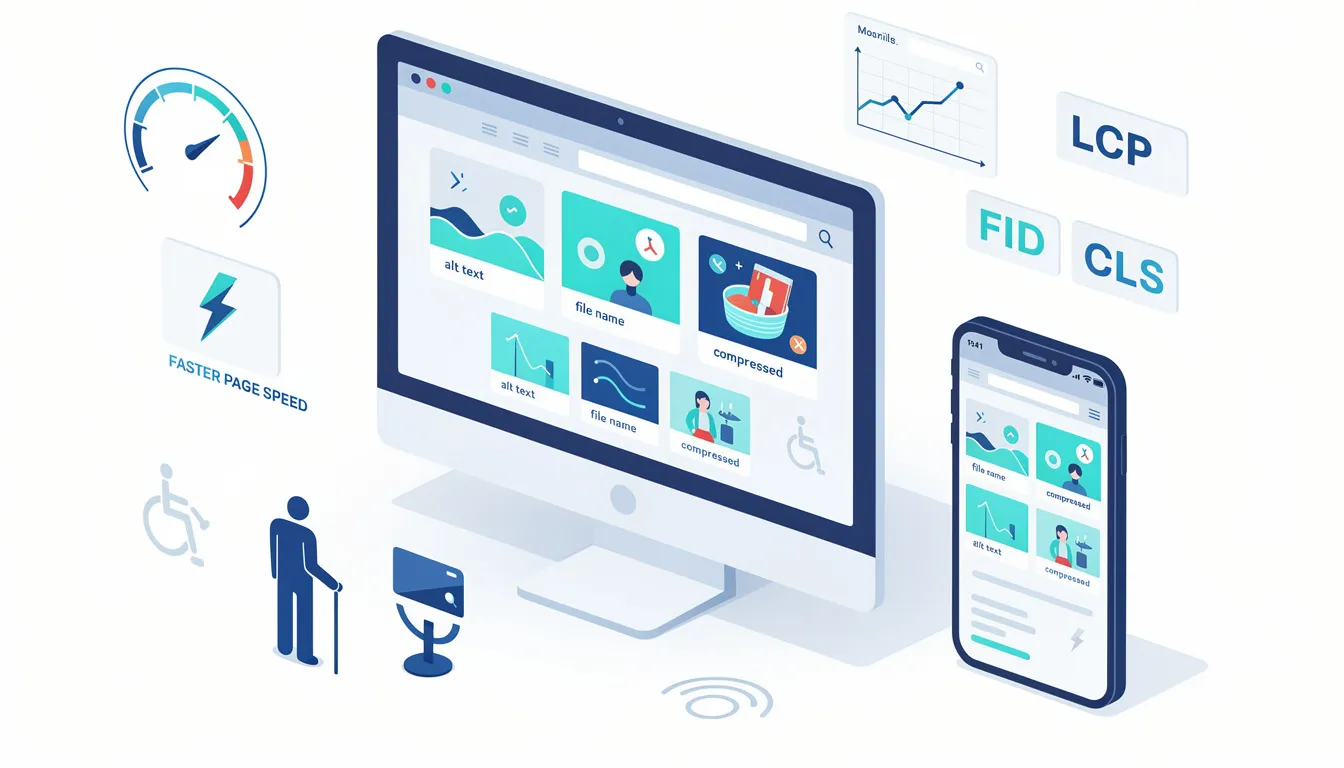
Image SEO goes beyond just file names and alt text. Properly optimized images contribute to faster page speed, better mobile usability, and enhanced overall user experience. Using alt text not only helps visually impaired users but also allows search engines to better understand your content. Compressing images reduces file size without sacrificing quality, which improves load times and core web vitals—metrics Google uses to assess page experience.
Including optimized images with descriptive thumbnails and transcripts for video content can attract additional traffic from visual searches and improve rankings.
Once your images are optimized, it's time to focus on building a strong backlink profile to further boost your site's authority.
Building Relevant Links
Link building remains a cornerstone of SEO, involving acquiring high-quality backlinks from reputable and relevant websites.
Digital PR for Link Building
Quality backlinks improve domain authority and search engine rankings more than sheer quantity. Digital PR is an effective strategy for earning authoritative backlinks by promoting valuable content to other sites and media outlets.
Broken Link Building
Broken link building is another valuable tactic that involves finding broken links on other websites and suggesting your content as a replacement. This approach helps build links and strengthens your backlink profile.
Backlink Profile Management
SEO tools like Google Analytics and Google Search Console help track link building efforts and measure their effectiveness. Managing your backlink profile ensures harmful or toxic links do not negatively impact your rankings.
By building relevant links, you strengthen your site's authority, paving the way for your content to perform even better in search results.
Creating High-Quality Content
Creating quality, authoritative, and authentic content is the number one driver of search engine rankings.
Keyword Research and Optimization
Content creation should involve thorough keyword research and optimization, ensuring the use of a variety of keywords that fit naturally within the text. High-quality content provides real value to users and demonstrates expertise, authoritativeness, and trustworthiness (E-E-A-T), which search engines prioritize.
Blog Posts and Content Updates
Blog posts and articles optimized for specific keywords increase the chances of ranking high in search engine results. Regular updates of old content and creation of new content demonstrate website activity and relevancy, which search engines reward.
On-Page Content Optimization
On-page SEO involves optimizing the content and meta tags to improve search engine ranking and drive organic traffic. Creating content that stands out requires a significant investment of time, money, and effort but yields long-term SEO success. Using SEO tips throughout your content creation process can enhance your results.
With high-quality content in place, you can now target special SERP features like featured snippets and knowledge panels.
Featured Snippets and Knowledge Panels
Featured snippets and knowledge panels are prominent features in SERPs that provide users with quick, concise answers. Optimizing for featured snippets involves crafting high-quality, succinct content that directly answers common user questions.
Technical SEO plays a role here by optimizing website structure and markup, such as using schema.org markup, to help search engines understand and display your content effectively in these rich results.
After optimizing for SERP features, it's important to ensure your website's technical foundation is solid.
Technical SEO
Technical SEO ensures that search engines can crawl and index a site efficiently.

Technical SEO focuses on optimizing the website’s backend to improve crawling, indexing, and user experience. Key aspects include improving page speed, ensuring mobile responsiveness, implementing SSL encryption for security, and maintaining a clean and organized URL structure.
Mobile optimization is essential, as over 50% of all online traffic comes from mobile devices. Google now emphasizes mobile usability as a ranking factor, making it critical to deliver a seamless experience on smartphones and tablets.
Google Search Console and other SEO tools help identify technical issues and provide recommendations for improvement. Core web vitals, which measure loading performance, interactivity, and visual stability, are now important ranking factors.
Organic search traffic is a critical component of a website’s traffic, and technical SEO plays a crucial role in driving this traffic by enhancing site performance and user experience.
With your technical foundation in place, it's time to measure the effectiveness of your SEO efforts.
Measuring SEO Success
Measuring SEO success involves tracking key performance indicators (KPIs) such as:
-
Organic traffic
-
Keyword rankings
-
Conversion rates
-
Domain authority
SEO metrics provide insights into the effectiveness of your efforts and help identify areas for improvement.
Tools for measuring SEO success include:
-
Google Keyword Planner (for identifying competitive keywords)
-
Google Analytics (for tracking user behavior and conversions)
-
Google Search Console (for monitoring site performance and indexing)
Measuring the return on investment (ROI) of SEO efforts can be challenging but is necessary for justifying marketing budgets and refining strategies. Aligning KPIs with overall business objectives ensures your SEO efforts contribute to broader goals.
Once you know how to measure success, it's important to avoid common pitfalls that can undermine your SEO progress.
Avoiding Common SEO Mistakes
Common SEO mistakes can harm search engine rankings and deter organic traffic. These include:
-
Keyword stuffing
-
Duplicate content
-
Broken links
-
Poor mobile responsiveness
Best Practices to Avoid SEO Mistakes:
-
Write naturally and use keywords strategically.
-
Regularly audit your site to fix broken links.
-
Ensure mobile usability.
-
Focus on producing high-quality content and acquiring quality links.
Understanding that search engines work by crawling, indexing, and ranking web pages helps website owners focus on best practices.
After avoiding common mistakes, you can further enhance your visibility with local SEO strategies.
Local Search and SEO
Local SEO involves optimizing your website to rank well for local search queries, which is vital for businesses with physical locations. This includes managing local listings, optimizing for “near me” searches, and ensuring consistent name, address, and phone number (NAP) information.
Google Search Console and other SEO tools can help optimize your website for local search. Online visibility is critical for local businesses, with SEO playing a key role in driving local traffic and increasing foot traffic to physical stores.
SEO executives and professionals can assist in developing and implementing marketing strategy, Meta ads, effective local SEO strategies and Google Search Marketing tailored to specific markets.
With local SEO in place, it's essential to ensure your site is optimized for mobile users.
SEO for Mobile Devices
With mobile devices accounting for a significant portion of online traffic, mobile optimization is crucial for SEO success. Page speed and mobile responsiveness are critical ranking factors; slow or unresponsive pages harm search engine rankings and user experience.
SEO tools such as Google Analytics help track mobile traffic and measure the effectiveness of mobile optimization efforts. Content creation should prioritize concise, easily readable content optimized for mobile devices to enhance user engagement.
After optimizing for mobile, you can amplify your results by integrating content marketing with your SEO efforts.
Content Marketing and SEO
Content marketing and SEO go hand in hand, involving the creation and promotion of high-quality content to attract and engage users.
Key components of content marketing and SEO:
-
Link building and outreach to acquire high-quality links from other websites
-
Using Google Search Console to track link building efforts and measure their impact
-
Focusing on quality content and links to improve search engine rankings and drive organic traffic
With a strong content marketing approach, you can leverage a variety of SEO tools and resources to further enhance your strategy.
SEO Tools and Resources
A variety of SEO tools and resources are available to help website owners develop and implement effective SEO strategies.
Popular SEO tools include:
-
Google Search Console
-
Google Analytics
-
Google Keyword Planner (free tool for identifying competitive keywords)
Digital marketing and SEO involve continuous learning and adaptation, with other websites and online resources offering valuable insights into best practices and emerging trends.
Armed with the right tools, you can stay ahead of SEO trends and maintain your competitive edge.
Conclusion
Search engine optimization is a critical component of online marketing, encompassing various techniques and strategies to improve search engine ranking and drive organic traffic. SEO experts and professionals play a vital role in helping website owners develop and implement effective search engine optimization strategies.
Achieving and maintaining high rankings requires ongoing effort, adjustment, and monitoring using SEO metrics and analytics. By following SEO best practices and staying up-to-date with the latest trends and developments, website owners can enhance their search engine rankings and attract more organic traffic.
Looking ahead, a fast, secure, and accessible site will be a prerequisite for ranking in 2026. The evolution of SEO into Influence Optimization balances technical excellence with human-centered content, while Generative Engine Optimization (GEO) focuses on optimizing content for AI summaries and chatbots by offering concise, factual answers. Embracing these future trends will ensure continued SEO success.
Frequently Asked Questions (FAQs) About SEO
Why does SEO feel like a slow burn, and when can I expect results?
SEO often feels like a slow burn because it involves building authority, optimizing content, and improving user experience over time. Unlike paid advertising, where results can be immediate, SEO requires consistent effort and patience. However, this long-term investment can lead to significant increases in overall traffic and higher search engine rankings, making it a highly rewarding strategy for sustainable online growth.
How does user experience (UX) impact SEO rankings?
User experience directly influences search rankings through engagement signals. Search engines monitor how users interact with your site—such as bounce rates, time spent on pages, and navigation ease—to assess the quality of your website. A poor UX can lead to higher bounce rates and lower search visibility, while a seamless, engaging experience helps improve rankings by keeping visitors satisfied and encouraging them to explore more pages.
What kind of content do search engines prioritize?
Search engines prioritize 'people-first' content that demonstrates real-world experience and provides genuine value to users. High-quality content should be useful, in-depth, and engaging, addressing the specific needs and questions of your target audience. Content that reflects Experience, Expertise, Authoritativeness, and Trustworthiness (E-E-A-T) is favored, which can be showcased through detailed author bios and credible citations.
What is E-E-A-T, and why is it important?
E-E-A-T stands for Experience, Expertise, Authoritativeness, and Trustworthiness. It is a framework used by search engines to evaluate the quality and credibility of content. Demonstrating E-E-A-T helps build trust with both users and search engines, improving your chances of ranking higher. Including author biographies and citing reputable sources are effective ways to showcase these qualities.
How do internal links benefit SEO?
Internal links connect one page of your website to another, helping both users and search engines navigate your site more efficiently. They distribute page authority across your website and guide visitors to related content, enhancing user engagement. Internal linking is one of the easiest and most effective SEO best practices to implement, contributing to better site structure and improved search engine rankings.
Can optimizing for rankings also improve click-through rates?
Yes, optimizing for search engine rankings often helps improve click-through rates (CTR) as well. By crafting compelling meta titles and good meta descriptions that accurately describe your content, you attract more clicks from search engine results pages (SERPs). Higher rankings combined with appealing snippets increase the likelihood that users will choose your site over competitors'.
What is keyword gap analysis, and how can it help my SEO?
Keyword gap analysis identifies keywords that your competitors rank for but you do not. This presents valuable opportunities to create content targeting those missing keywords and reel in additional organic traffic. By addressing these gaps, you can expand your keyword strategy and improve your visibility in search results.
Why are alt tags important for SEO?
Alt tags are descriptions added to images that allow search engines to understand the content of your images. They are crucial for SEO because they improve image search rankings and enhance accessibility for users relying on screen readers. Properly optimized alt text contributes to better overall page SEO and user experience.

0 comments