

Introduction to Google Search
Google Search is a powerful and fully automated search engine that uses sophisticated programs called crawlers to constantly explore the web. These crawlers discover and index webpages by following links across the internet, ensuring that the latest and most relevant content is available to users. Understanding how Google search works is crucial for developing effective search engine optimization (SEO) strategies that help your website rank higher in typical Google search results and attract organic traffic.
SEO is the practice of optimizing your website to improve its visibility in Google search engine results pages (SERPs) and other search engines. The ultimate goal of SEO is to provide value to users by helping them find exactly what they're looking for easily and efficiently. SEO is not a one-time task but an ongoing process involving numerous activities, including content marketing, technical optimization, and building links to enhance your site's authority and relevance.
Understanding Google Search Engine Optimization
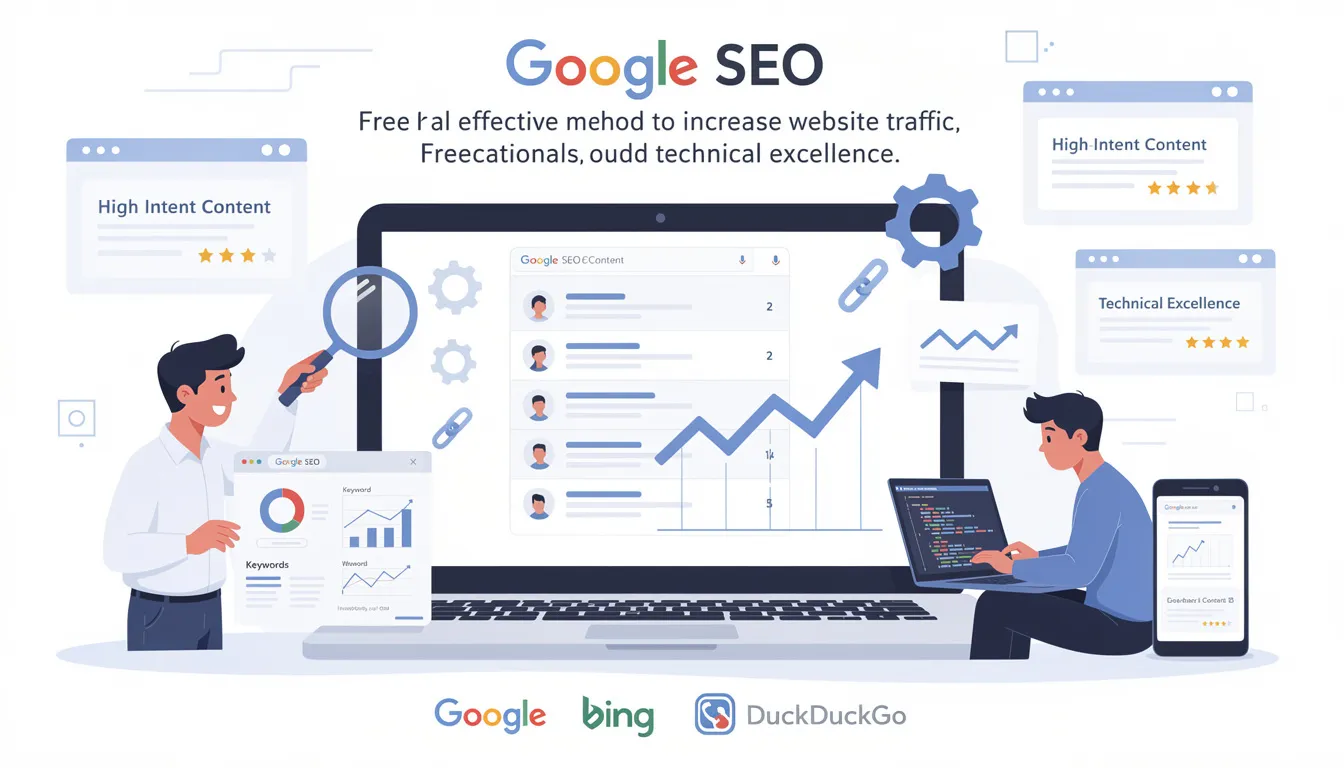
Google SEO is a free and effective method to increase website traffic through better visibility in search results. Search engines like Google, Bing, and DuckDuckGo rank pages, videos, and listings based on their relevance to users’ search intent. Google now prioritizes high-intent content and technical excellence, meaning that websites delivering valuable, well-structured, and user-friendly content tend to rank higher.
Google assesses websites using its Search Experience Score (SES), which measures user satisfaction in finding information. Additionally, Google evaluates content quality through the E-E-A-T framework—Experience, Expertise, Authoritativeness, and Trustworthiness. Websites that demonstrate these qualities, especially through original insights and personal narratives, are rewarded with better rankings. This approach helps combat low-quality submissions and ensures users receive trustworthy information.
Keyword Research and Planning

Keyword research is the foundational step in any effective SEO strategy. It involves identifying the exact search terms or search queries your target audience uses on Google and other search engines. Using keyword research tools, you can find relevant keywords that align with your audience's search intent. Developing a keyword strategy allows you to optimize your website’s content on a given page to improve keyword rankings and attract organic growth.
Because SEO is an ongoing process, keyword research requires continuous monitoring and adjustment to stay aligned with changing search behaviors and trends. Targeting the right keywords for each specific page ensures your content is relevant, discoverable, and matches the search intent behind users’ queries.
On-Page Optimization Techniques
On-page SEO helps search engines understand your website by optimizing individual pages and their content. Key techniques include:
-
Using the meta title (title tag) to include your main keyword and accurately describe the page content, which influences how your page appears in typical Google search results.
-
Writing a good meta description that encourages users to click through from the organic search results by providing a concise and compelling summary of the page.
-
Optimizing images by using keyword-rich filenames and descriptive alt attributes, which help search engines and screen readers understand what your images are about and improve accessibility.
-
Maintaining a clean and organized URL structure that is easy for both users and search engines to navigate, helping Google find your content efficiently.
-
Incorporating topic clusters by linking a comprehensive pillar page to related subtopic articles or blog posts, enhancing your site’s topical authority and improving crawlability.
Creating Authoritative Content
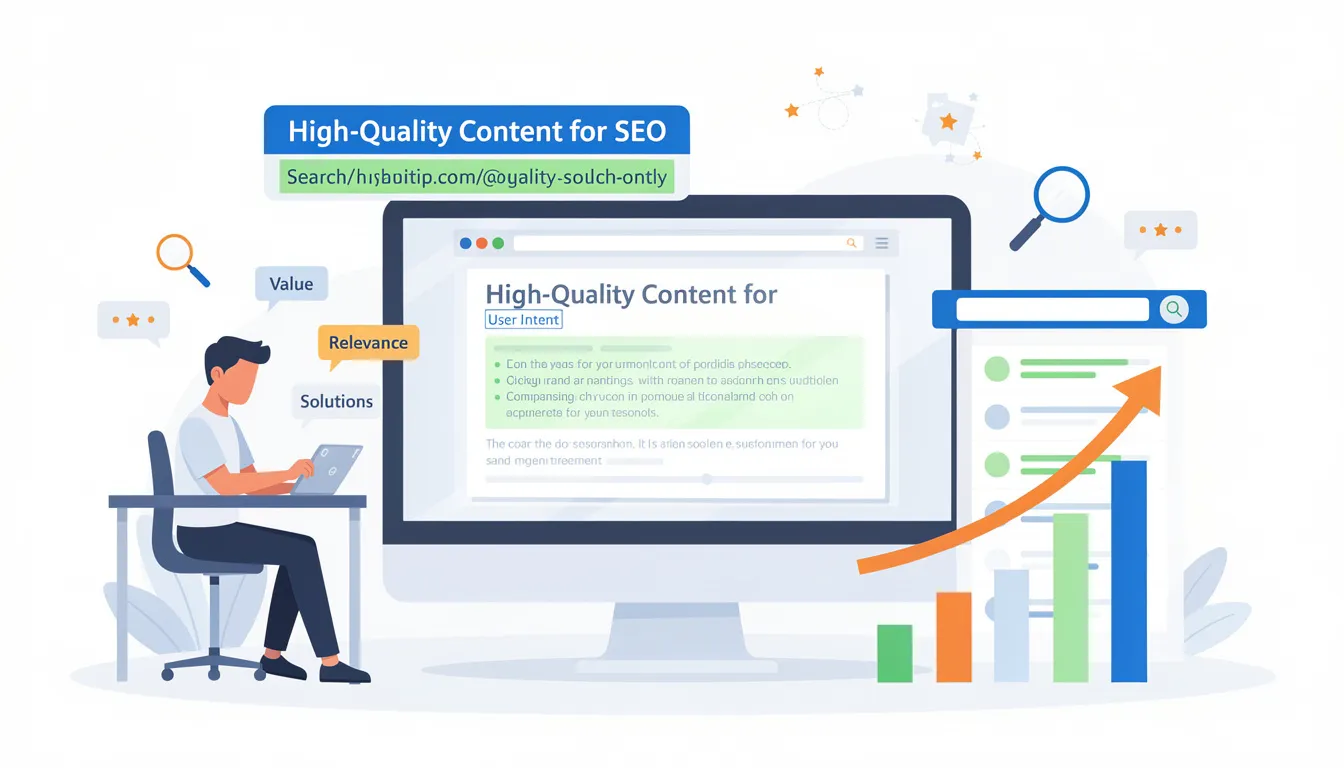
Quality content is essential for ranking well in Google SEO and other search engines. Focus on creating valuable, relevant content that directly solves user problems and satisfies their search intent. Content that is compelling and useful influences your website’s presence in search results more than any other factor.
Original insights, personal narratives, and authoritative perspectives add unique value to your content, helping it stand out and avoid penalties associated with low-quality or duplicated content. Regularly updating your content is also vital, as fresh content signals relevancy to search engines and keeps your audience engaged.
Technical Optimization
Technical SEO ensures your website and server are optimized to help search engines crawl and index your site effectively. Important aspects include:
-
Ensuring your site is fully responsive and fast on mobile devices, as mobile-friendliness is a confirmed Google ranking factor and critical for user experience.
-
Optimizing page speed to improve user experience, focusing on Core Web Vitals metrics such as maintaining Largest Contentful Paint (LCP) under 2.5 seconds, First Input Delay (FID) under 100 milliseconds, and Cumulative Layout Shift (CLS) under 0.1.
-
Using structured data (Schema markup) to enhance AI systems' ability to interpret your content contextually, enabling rich snippets in search results and helping your site stand out.
-
Conducting regular SEO audits to maintain website performance, identify broken links, crawl errors, and other issues that could affect your rankings.
-
Submitting sitemaps and using Google Search Console to monitor crawl errors, indexing status, and overall site health, allowing you to dig deeper into technical issues and fix them promptly.
Off-Page SEO Strategies
Off-page SEO focuses on building your website’s authority through backlinks from external, reputable websites. The more backlinks your site has, the more authority it gains in the eyes of search engines like Google, which can significantly boost your search engine rankings.
Effective strategies include outreach, guest posting, and promoting your content on social media and relevant online communities. Using descriptive anchor text for links adds further context and value for both users and search engines, helping your pages be discovered and ranked higher.
Link Building and Outreach
Link building is one of the most challenging yet crucial parts of any SEO strategy. Building relationships with other websites, bloggers, and influencers in your niche can help you earn quality backlinks that improve your site’s authority and ranking.
Consistent outreach and content promotion are key to acquiring links naturally. Remember to focus on relevance and trustworthiness when pursuing backlinks to maintain your site’s credibility. Avoid broken links and monitor your link profile regularly to ensure ongoing SEO success.
Local SEO and Google Business Profile
Local SEO helps businesses rank higher in Google’s search results for their specific geographic area. Optimizing your Google Business Profile (GBP) is essential to increase your chances of appearing in Google’s local pack search results.
Use relevant categories in your GBP to help Google better understand your business. Regularly update your profile with new content, photos, and positive customer reviews to attract more customers and improve local search rankings. Accurate and consistent local business information across multiple pages and other sites also strengthens your local SEO performance.
SEO Tools and Resources
Google provides extensive resources such as the Google SEO starter guide and Google Search Console to help website owners monitor and improve their SEO efforts. Using Google Search Console is crucial for monitoring crawl errors, indexing, keyword rankings, and overall site health. Staying up-to-date with the latest Google algorithm updates and best practices ensures your SEO strategy remains effective and competitive.
Various SEO tools also assist with keyword research, content marketing, link building, and technical SEO audits, enabling you to optimize your website comprehensively.
SEO vs. PPC: Understanding the Difference
While SEO focuses on earning search engine visibility by improving your website’s quality and relevance, PPC (Pay-Per-Click) is a paid advertising model where advertisers pay each time a user clicks on their ads. PPC can generate instant traffic but requires a budget, whereas SEO requires time and resources to build sustainable, continuous organic traffic without ongoing costs.
Once you rank for your target keywords with SEO, you can generate continuous traffic without paying for it. The main difference between SEO and PPC is that SEO is about earning your search engine visibility by improving your website’s quality and authority, while PPC is about paying for advertising space to get immediate visibility.
Measuring and Tracking Success
Use tools like Google Search Console and Google Analytics to track your website’s search engine rankings, traffic, and engagement metrics. This data helps you measure SEO success and informs necessary adjustments to your strategy. Monitoring multiple pages' performance allows you to optimize your entire site effectively.
Avoiding Common Mistakes
Avoid common SEO pitfalls such as keyword stuffing, duplicate content, and over-optimization, which can lead to penalties. Use high-quality, relevant images with proper alt attributes and focus on creating a user-friendly website that prioritizes the user experience. Ensure your content is accessible to all users, including those using screen readers.
Looking Ahead: Google SEO in 2026 and Beyond
Google's SEO in 2026 emphasizes a user-centric and AI-aware strategy. Websites that prioritize user experience, produce high-quality content, and leverage AI-friendly technical optimizations will be best positioned to succeed in the future search landscape. Staying informed and adapting your SEO strategy to emerging trends will ensure long-term success.
Conclusion
Search engine optimization with Google is a multifaceted and ongoing process that requires attention to content quality, technical excellence, user experience, and authoritative link building. By understanding how Google works and implementing these best practices, beginners can build an effective SEO strategy that drives organic traffic, improves search engine rankings, and supports long-term digital marketing success.
If you're ready to elevate your online presence and harness the full power of search engine optimization with Google, Sterling Media & Communications is here to help. Visit smcww.co.uk to discover tailored SEO solutions designed to boost your website’s visibility, attract your target audience, and grow your business. Partner with experts who understand the nuances of SEO and digital marketing to achieve measurable results.
Frequently Asked Questions (FAQs)
What is search engine optimization with Google?
Search engine optimization with Google refers to the practice of optimizing your website and content to improve its visibility and ranking in Google’s search engine results pages (SERPs). This involves strategies such as keyword research, on-page optimization, technical SEO, content creation, and link building to help Google find and rank your pages higher.
How long does it take to see results from SEO?
SEO is a long-term strategy, and results typically take several weeks to months to become noticeable. Factors influencing this timeline include the competitiveness of your industry, the current state of your website, and the consistency of your SEO efforts. Patience and ongoing optimization are key to sustained success.
What is the difference between SEO and PPC?
SEO is an organic strategy focused on improving your website’s ranking through quality content and optimization, while PPC (Pay-Per-Click) is a paid advertising method where you pay for each click on your ads. SEO builds lasting visibility without ongoing costs per click, whereas PPC can generate immediate traffic but requires a budget.
How important is content quality for SEO?
Content quality is one of the most critical ranking factors. Google prioritizes helpful, relevant, and authoritative content that meets the user’s search intent. High-quality content attracts backlinks, encourages user engagement, and signals to search engines that your site is trustworthy and valuable.
What role does technical SEO play in Google rankings?
Technical SEO ensures that your website is accessible, fast, and easy for Google to crawl and index. This includes optimizing site speed, mobile responsiveness, structured data, and fixing crawl errors. Without solid technical SEO, your content may not be properly discovered or ranked by Google.
Can local businesses benefit from SEO?
Absolutely. Local SEO helps businesses appear in search results for location-specific queries. Optimizing your Google Business Profile, encouraging positive reviews, and using relevant local keywords can significantly improve your visibility to nearby customers.
How can I monitor my SEO progress?
Tools like Google Search Console and Google Analytics provide valuable insights into your website’s search performance, including keyword rankings, traffic sources, and user behavior. Regularly reviewing this data helps you make informed decisions and adjust your SEO strategy as needed.
For personalized assistance and a comprehensive SEO strategy tailored to your business needs, don’t hesitate to reach out to Sterling Media & Communications at smcww.co.uk. Let us help you navigate the complexities of SEO and achieve lasting online growth.

0 comments