

Introduction to SEO Marketing for Jewellery in 2026
SEO marketing for handmade jewellery brands is essential in 2026. SEO stands for Search Engine Optimization, which is the process of getting traffic from free, organic, editorial, or natural search results in search engines. SEO marketing is the process of optimizing your website and its content for visibility. This guide is for handmade jewellery brands and small business owners looking to grow their online presence through SEO marketing. SEO marketing is crucial for jewellery brands to compete online and attract customers without relying solely on paid advertising.
In 2026, the way customers discover jewellery has fundamentally shifted. Whether someone is searching for “handmade beaded bracelets UK” or “sterling silver Evil Eye necklace,” their journey almost always begins with a search bar. For handmade jewellery brands competing against larger retailers, understanding how search engines connect these searchers with your pieces is no longer optional—it’s essential for survival and growth.
Search engine optimization has become the backbone of how ecommerce jewellery brands attract customers without paying for every single click. When a woman in London types “hypoallergenic gold plated earrings” into Google, the brands that appear on page one capture the lion’s share of attention and sales. For artisan jewellers, this represents an enormous opportunity to compete with established names by focusing on niche terms that match exactly what you create.
Saras Beads & Jewellery, a Harrow-based handmade jewellery brand founded in 2021 by Sarah Sabraoui, exemplifies how smaller brands can leverage SEO to reach shoppers both online and through their physical store. With collections spanning sterling silver, 18K gold plated pieces, birthstone jewellery, and Mediterranean-inspired Evil Eye designs, the brand uses organic search to connect with customers actively looking for meaningful, ethically-sourced accessories.
Why does this matter for jewellery ecommerce specifically?
-
Approximately 39-40% of all online shopping traffic originates from search engines
-
Over 63% of web sessions touch Google at some point in the customer journey
-
Organic search drives 53% of all website traffic across industries, outpacing paid advertising and social media combined
-
The top three positions on search results capture over 54% of all clicks
-
For jewellery searches with buying intent, appearing on page one can mean the difference between a sale and obscurity
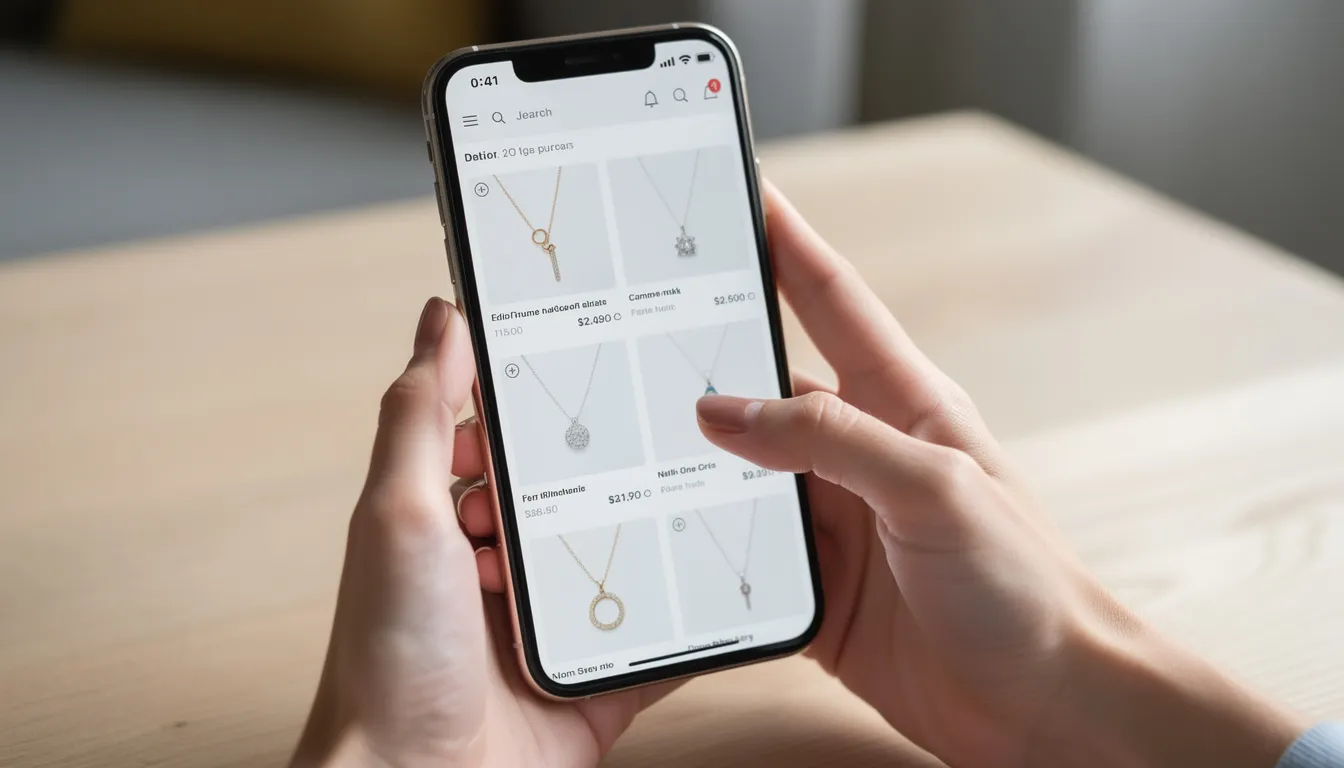
What Is SEO Marketing? (In Plain English for Jewellery Stores)
SEO stands for Search Engine Optimization, which is the process of getting traffic from free, organic, editorial, or natural search results in search engines. SEO marketing is the process of optimizing your website and its content for visibility.
SEO stands for Search Engine Optimization—the practice of improving your jewellery website so it appears higher in organic (unpaid) search results. This applies not just to Google, which remains the dominant search engine, but also to Bing, YouTube, Pinterest, and increasingly TikTok search where visual discovery is growing rapidly.
Search engine optimization SEO is fundamentally about understanding how search engines work and aligning your website to meet their criteria for relevance and quality. For example, businesses like Saras Beads & Jewellery, known for their handmade sterling silver and gold plated designs, benefit from ensuring their website conveys relevance and quality during search engines' crawling and indexing processes. When search engines operate through their crawling and indexing processes, they evaluate hundreds of factors to determine which web pages deserve to rank higher for any given search query.
SEO marketing takes these optimizations and deploys them deliberately as a core marketing channel. Rather than viewing SEO as a technical checkbox, jewellery brands use it strategically to sell more pieces—whether that’s sterling silver hoops, birthstone necklaces, or bespoke Evil Eye bracelets.
Here are concrete keyword examples relevant to a handmade jewellery brand:
-
“Handmade beaded bracelets UK”
-
“Hypoallergenic gold plated earrings London”
-
“Copper turquoise ring UK”
-
“Evil Eye necklace sterling silver”
-
“August birthstone peridot pendant”
Unlike search engine marketing (SEM), which encompasses paid search results and paid ads that charge you per click, SEO marketing focuses on earning visibility through quality content, authoritative backlinks, and technical performance. The distinction matters significantly for small businesses:
|
SEO Marketing |
SEM (Search Engine Marketing) |
|---|---|
|
Focuses on earning visibility through organic (unpaid) search results |
Focuses on paid search results and ads (pay-per-click) |
|
Requires upfront investment in time, generates compounding returns |
Delivers immediate visibility, stops when budget runs out |
|
Builds trust with users as results are not marked as ads |
Paid results appear above organic listings but carry a cost for every visitor |
The main goal of SEO marketing is simple: be discovered by the right customer at the exact moment she searches for jewellery you sell. When someone types “August peridot birthstone necklace gift UK” into Google, your product page should appear—not through payment, but because search engines recognize your page as the most relevant and helpful answer to that user’s search query.
Why SEO Marketing Matters for Handmade Jewellery Brands
The modern jewellery shopping journey begins with search more often than any other channel. Understanding why SEO marketing important is crucial for brands looking to grow sustainably.
Visibility at the Moment of Intent
Consider the data: over 40% of shoppers begin product research on a search engine, and the vast majority of UK online sessions involve Google at some point. For a Harrow-based brand like Saras Beads & Jewellery, ranking for terms such as “handmade jewellery London,” “Evil Eye pendant UK,” or “nickel free earrings UK” can drive both online orders and physical store visits.
-
When users search for “sterling silver birthstone necklace,” they’re actively looking to buy. Appearing in these organic search results puts your jewellery in front of motivated customers.
Cost-Effectiveness
-
Unlike constantly paying for social media advertising or Google Ads, organic traffic compounds. Once you rank well for target terms, you receive visitors without ongoing per-click costs—49% of marketers cite SEO as delivering the highest ROI among digital channels.
Trust and Brand Authority
-
Users tend to trust brands they repeatedly see ranking high in search results. Appearing consistently for “18K gold plated necklace UK” or “ethical gemstone jewellery” builds credibility that advertising cannot replicate.
Customer Insight Through Data
-
Tools like Google Search Console and Google Analytics reveal exactly what customers search before purchasing. You might discover that “meaning of Evil Eye bracelet” drives significant traffic, or that “is gold plated hypoallergenic” represents a common concern worth addressing on your product pages.
Local Traffic for Physical Stores
-
For jewellery shops with a retail presence, local SEO drives foot traffic. Ranking for “jewellery shop Harrow” or “handmade jewellery near me” connects online discovery with in-store purchases.
Seasonal Opportunity Capture
-
Gift-giving occasions drive jewellery sales. Ranking for “Mother’s Day jewellery gift UK 2026” or “Valentine’s Day sterling silver bracelet” captures seasonal demand that repeats annually.
Reduced Customer Acquisition Costs
-
As organic search traffic grows, your reliance on paid channels decreases, improving overall marketing efficiency and profitability.
An SEO-Friendly Jewellery Site = Better Customer Experience
User experience and SEO now overlap significantly. Google rewards sites that are easy to use on mobile, load quickly, and present information in a clearly structured format. This alignment means that investing in SEO simultaneously improves the shopping experience for your customers.
Practical UX elements that also benefit SEO include:
-
Clear filter options allowing customers to sort by metal type, stone, price range, or occasion
-
High-quality product photography that loads quickly on mobile devices
-
Detailed product descriptions including hypoallergenic properties, material composition, and ethical sourcing details
-
Intuitive navigation that requires minimal clicks to reach any product
-
Mobile-responsive design that adapts seamlessly to smartphone screens
Core Web Vitals—Google’s metrics for measuring page experience—directly impact rankings. In simple terms, this means:
|
Core Web Vital |
|
|---|---|
|
Largest Contentful Paint (LCP) |
Under 2.5 seconds |
|
Cumulative Layout Shift (CLS) |
Under 0.1 |
|
Interaction to Next Paint (INP) |
Under 200 milliseconds |
For image-heavy jewellery sites, meeting these benchmarks requires careful attention to image compression, lazy loading, and efficient hosting.
Ranking Well = More Free Traffic and Jewellery Sales
The relationship between search rankings and traffic is dramatic. If Saras Beads & Jewellery reaches the top 3 positions for “handmade jewellery UK” or “Evil Eye necklace UK,” that could translate to hundreds of additional targeted visitors monthly—all without advertising spend.
Click-through rates vary dramatically by position:
-
Position 1 captures approximately 27-30% of clicks
-
Position 2 receives around 15-17%
-
Position 3 gets roughly 10-12%
-
Positions 4-10 share the remaining 15-20% of page one clicks
-
Page 2 and beyond receive minimal traffic—often less than 1% of searchers venture there
This distribution explains why moving from position 8 to position 3 can triple your traffic for that keyword, while moving from position 11 to position 10 (crossing onto page one) can increase traffic tenfold.
Seasonal SEO opportunities are particularly valuable for jewellery, and performance media campaigns on Google and Meta can further drive targeted leads and sales during peak periods:
-
Ranking for “Mother’s Day jewellery gift UK 2026” captures spring gift-giving traffic
-
“Christmas birthstone gifts UK” drives Q4 sales
-
“Valentine’s Day sterling silver bracelet” targets February shoppers
-
“Wedding guest jewellery UK” peaks during summer wedding season
These seasonal terms require preparation months in advance, as search engine rankings take time to develop.
SEO Insights Reveal What Your Jewellery Customers Want
Beyond driving traffic, SEO data provides invaluable market intelligence. Keyword research tools and search console data reveal whether your target audience cares more about “hypoallergenic earrings,” “Mediterranean jewellery,” or “silver evil eye bracelet” in any given month.
This insight can inform business decisions:
-
Collection planning: If “copper turquoise ring meaning” shows rising search volume, consider expanding that collection and creating content explaining the symbolism
-
Content creation: A spike in “how to choose hypoallergenic earrings” searches suggests a guide addressing sensitive ears would attract potential customers
-
Product descriptions: Understanding that “nickel free” is a common modifier tells you to emphasise this property prominently
-
Seasonal inventory: Search trends can predict demand shifts before they appear in sales data
-
Competitive gaps: Spotting rising terms like “Mediterranean inspired jewellery UK” where larger competitors haven’t established dominance creates opportunity
Smaller brands like Saras Beads & Jewellery can often spot and respond to trends faster than major retailers, whose content processes move more slowly. This agility becomes a genuine competitive advantage when paired with close reading of search data.
The Three Pillars of SEO Marketing (On-Page, Off-Page, Technical)
SEO consists of three core components: on-page SEO, off-page SEO, and technical SEO.
-
On-page SEO involves optimizing the content and structure of a webpage to improve its relevance and user experience.
-
Off-page SEO refers to actions taken outside of your own website to impact your rankings within search engine results pages.
-
Technical SEO involves optimizing the backend structure of a website to improve its performance and ensure search engines can crawl and index it effectively.
Search engine optimization seo strategies divide into three interconnected pillars, each addressing distinct aspects of how search engines evaluate and rank web pages:
-
On-page SEO: Everything directly on your website that you control—product descriptions, collection pages, blog content, images, metadata, and internal linking structure
-
Off-page SEO: External signals indicating your brand’s authority and reputation—backlinks from other websites, brand mentions, reviews, and social presence
-
Technical SEO: The behind-the-scenes infrastructure ensuring search engines can efficiently crawl, index, and understand your site—page speed, mobile usability, security, and site architecture
Success for a handmade jewellery brand depends on balancing all three pillars. Strong product pages about your jewellery won’t perform if technical issues prevent search engine crawlers from accessing them. Similarly, excellent technical foundations won’t generate rankings without quality content that matches what users search for.
The following sections explore each pillar with jewellery-specific examples and practical actions you can implement for your own shop.
On-Page SEO for Jewellery: Optimising What’s On Your Website
Content Optimisation for Jewellery Collections and Product Pages
On-page SEO encompasses everything you control directly on your site: product pages, collection pages, blog posts, images, internal links, and metadata. The goal is helping search engines understand that your jewellery brand is relevant for terms your customers use.
For a brand like Saras Beads & Jewellery, on-page optimization means ensuring Google recognizes the site as authoritative for searches like “18K gold plated jewellery UK” and “handmade beaded bracelets London.”
High quality content distinguishes successful jewellery sites from generic catalogues. Every product deserves a unique, detailed description that helps both customers and search engines understand what makes it special.
Effective product descriptions include:
-
Materials specified precisely (925 sterling silver, 18K gold plated, copper turquoise, semi-precious gemstones)
-
Hypoallergenic properties and nickel-free confirmation for sensitive wearers
-
Cultural symbolism and meaning (Evil Eye protection, birthstone significance, Mediterranean heritage)
-
Styling suggestions showing how to wear pieces
-
Sizing information and care instructions
-
The story behind the design, particularly relevant for handmade pieces with artisanal heritage
Optimised headings make a significant difference. Compare:
-
Generic: “Necklace 01”
-
Optimised: “Sterling Silver Evil Eye Necklace – Handmade in Harrow, UK”
Category pages also benefit from introductory content. Rather than launching directly into product grids, add a short paragraph at the top of the “Birthstone Jewellery” collection explaining each month’s gemstone, its traditional meaning, and date ranges.
Evergreen content pieces worth creating include: August birthstone guides,
-
“Complete Guide to Birthstone Jewellery (2026 Edition)” covering all twelve months
-
“How to Care for 18K Gold Plated Jewellery” addressing common maintenance questions
-
“What Does the Evil Eye Symbol Mean in Mediterranean Culture?” providing cultural context
-
“Choosing Hypoallergenic Jewellery for Sensitive Skin: A UK Buyer’s Guide”
-
“The Story Behind Mediterranean-Inspired Jewellery Design”
This content marketing approach builds topical authority while targeting relevant keywords that bring qualified visitors.
Keyword Research & Targeting for Jewellery SEO
Conducting keyword research effectively requires understanding what your potential customers actually type into search engines. Tools like Google Keyword Planner, Ubersuggest, and Ahrefs help identify terms with meaningful monthly search volume and achievable competition levels.
Start with seed keywords based on your products:
-
Handmade jewellery
-
Sterling silver necklace
-
Evil Eye bracelet
-
Birthstone pendant
-
Hypoallergenic earrings
-
Beaded bracelets
Expand these using tool suggestions and Google’s own autocomplete to find long-tail variations:
-
“Handmade evil eye bracelet London”
-
“August peridot birthstone necklace UK”
-
“Nickel free everyday hoops UK”
-
“Copper turquoise ring meaning”
-
“Bespoke jewellery Harrow”
-
“Mediterranean inspired silver jewellery”
Keyword mapping assigns primary terms to main pages and supporting keywords to blog posts or specific products. For example:
The “Handmade Beaded Jewellery” collection page targets “handmade beaded bracelets UK” as its primary keyword. A blog post titled “How to Style Beaded Bracelets for Everyday Wear” targets the long-tail phrase “blue beaded bracelet for everyday wear” while linking back to the collection.
Understanding search intent matters enormously:
-
Informational intent: “What is hypoallergenic jewellery” – user wants education, not a product page
-
Commercial intent: “Best handmade jewellery brands UK” – user is comparing options
-
Transactional intent: “Buy evil eye necklace UK” – user is ready to purchase
Matching page type to intent improves both rankings and conversion rates.
HTML & Metadata Optimisation (Titles, Meta Descriptions, Headings)
Title tags appear in browser tabs and search results. Crafting effective titles requires including your target keyword, brand name, and staying within approximately 50-60 characters:
-
“Handmade Jewellery UK | Saras Beads & Jewellery”
-
“Sterling Silver Evil Eye Necklace | Handcrafted in Harrow”
-
“Birthstone Jewellery Collection | Free UK Delivery Over £35”
Meta descriptions don’t directly influence rankings but significantly impact click-through rates. Include product type, key material, and unique selling propositions in up to 160 characters:
-
“Shop handmade sterling silver & 18K gold plated jewellery. Hypoallergenic, ethically sourced. Free UK delivery over £35. Visit our Harrow store.”
-
“Discover our Evil Eye collection – handcrafted Mediterranean-inspired protection jewellery in sterling silver. Made with love in London.”
Heading structure organises content for both users and search engines:
-
H1: One per page, containing the primary keyword (e.g., “Sterling Silver Jewellery Collection”)
-
H2: Major sections within the page (e.g., “Necklaces,” “Bracelets,” “Earrings”)
-
H3: Subsections under each H2 as needed
Image alt text describes visual content for accessibility and SEO. Keep descriptions under 125 characters and include relevant details:
-
“Woman wearing sterling silver evil eye necklace against cream blouse”
-
“Close-up of handmade copper turquoise ring showing stone detail”
-
“Birthstone jewellery display featuring all twelve monthly gemstones”
Website Architecture and Internal Linking for Jewellery Stores
Clean site structure helps both customers and search engines navigate your catalogue efficiently. A logical hierarchy for a jewellery store might follow:
Home → Collections → Product Pages
With collections organised as:
-
Sterling Silver
-
18K Gold Plated
-
Handmade Beaded
-
Birthstones
-
Evil Eye
-
Copper Turquoise
-
Bespoke
URL structures should reflect this hierarchy and include relevant keywords:
-
/collections/birthstone-jewellery
-
/collections/sterling-silver
-
/products/sterling-silver-evil-eye-necklace
-
/pages/jewellery-care-guide
Internal linking passes authority between pages and helps search engine crawlers discover content:
-
Link from blog posts (e.g., “Meaning of the Evil Eye”) to relevant product and collection pages
-
Add “You might also like” sections on product pages linking to related pieces
-
Include category links in blog post bodies where contextually appropriate
-
Create a “Jewellery Guides” hub page linking to all educational content
This internal linking structure strengthens topical authority and ensures search engines discover all important pages.
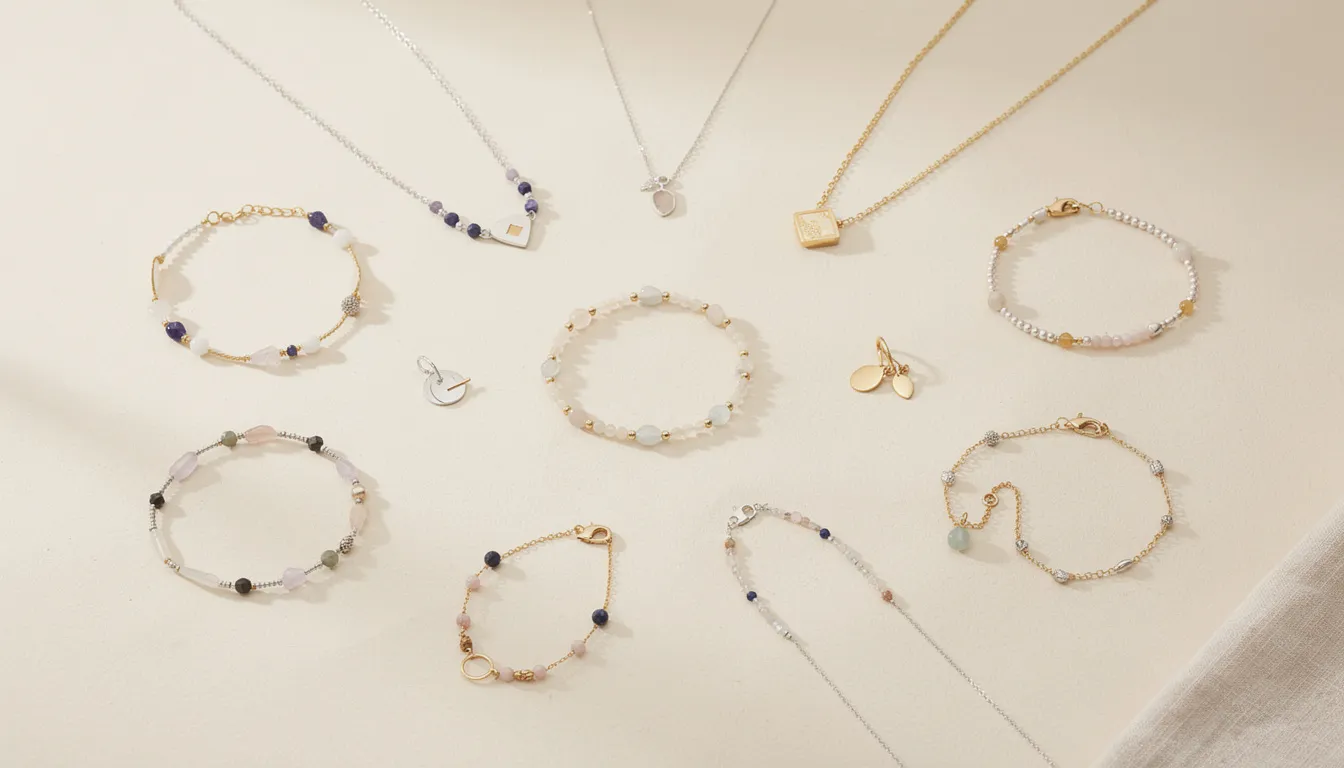
Off-Page SEO: Building Authority for Your Jewellery Brand
Backlink Strategy & Digital PR for Jewellery
Off-page SEO refers to actions taken outside of your own website to impact your rankings within search engine results pages. Off page SEO encompasses every external signal that tells search engines your jewellery brand is reputable and trustworthy. While you don’t control these factors directly, you can influence them through deliberate outreach and brand building.
For a handmade jewellery brand, off page optimization includes:
-
Backlinks from fashion blogs, local London lifestyle publications, and jewellery directories
-
Brand mentions in press coverage and influencer content
-
Customer reviews on Google and relevant platforms
-
Social presence on Instagram, Pinterest, and TikTok
Strong off-page signals can help smaller brands outrank larger competitors for niche terms. A brand with genuine expertise in Mediterranean-inspired jewellery or ethical gemstone sourcing can build authority that generalist retailers struggle to match.
Backlinks—links from other relevant websites pointing to yours—remain among the most powerful ranking factors. Quality matters far more than quantity; a single link from a respected UK fashion publication outweighs dozens from irrelevant directories.
Effective link-building tactics for jewellery brands include:
-
Influencer gifting: Send pieces to micro-influencers who genuinely align with your aesthetic, focusing on those who link to brands they feature rather than only posting on social media
-
Guest contributions: Pitch styling articles to UK fashion blogs (e.g., “How to Choose Hypoallergenic Jewellery for Sensitive Skin”)
-
Expert commentary: Offer quotes about gemstone meanings, jewellery trends, or Evil Eye symbolism for journalists working on relevant articles
-
Founder features: Pitch Sarah’s story—Lebanese heritage, Mediterranean inspiration, hobby-turned-business—to entrepreneur and small business publications
-
Local press: Approach Harrow and Greater London lifestyle sites about the physical store
Target publications should be relevant to your audience:
-
UK fashion magazines and their online counterparts
-
Ethical fashion and sustainable lifestyle blogs
-
Wedding blogs for bridal jewellery features
-
Gift guide roundups on lifestyle sites
-
Local Harrow business directories and community publications
Avoid spammy link tactics at all costs. Purchasing links, participating in link exchanges, or contributing to low-quality directories can result in penalties that devastate rankings. Focus on earning links through genuinely valuable content and relationships.
Domain Authority, Trust, and Social Signals
Domain authority represents how trustworthy and influential your website appears based on your backlink profile and overall web presence. While not a direct Google ranking factor, it correlates strongly with ability to rank for competitive terms.
Building trust involves multiple elements:
-
Reviews collection: Actively encourage satisfied customers to leave Google reviews mentioning specific products (“loved my sterling silver hoop earrings,” “the turquoise evil eye bracelet is beautiful”)
-
On-site testimonials: Display customer feedback prominently, especially reviews that mention quality, service, and specific pieces
-
Social proof: Showcase any press mentions, awards, or notable collaborations
Social media engagement doesn’t directly boost rankings but supports SEO indirectly:
-
Active Instagram, Pinterest, and TikTok presence drives branded searches like “Saras Beads & Jewellery evil eye necklace”
-
Social sharing of blog content can lead to natural backlinks when journalists or bloggers discover your pieces
-
Pinterest pins with proper descriptions appear in visual search results
Monitor brand mentions using tools like Google Alerts. When publications mention your brand without linking, reach out politely to request a link—most will accommodate since they’ve already featured you.
Local SEO & Citations for a Harrow Jewellery Shop
With a physical store in Harrow (open Monday–Saturday 9:00–18:00, Sunday 11:00–17:00), local SEO becomes critical for driving foot traffic alongside online sales.
Google Business Profile optimization is foundational:
-
Claim and verify your listing
-
Select accurate categories (“Jewellery shop,” “Handmade jewellery designer”)
-
Ensure address, phone number, and hours are correct and consistently formatted
-
Add high-quality photos of the store interior, exterior, and products
-
Respond to all reviews promptly and professionally
-
Post regular updates about new collections or events
NAP consistency (Name, Address, Phone) across the web strengthens local rankings:
-
List the business on Yell, Yelp, Bing Places, and local Harrow directories
-
Ensure the business name, address, and phone number match exactly across all platforms
-
Update any outdated listings promptly
Encourage customers to leave Google reviews mentioning specific products and their Harrow shopping experience. Reviews containing keywords like “birthstone necklace” or “Evil Eye bracelet” alongside “Harrow” help relevancy for local searches.
Target local search terms:
-
“Jewellery shop Harrow”
-
“Handmade jewellery near me” (when searched in the area)
-
“Bespoke jewellery Harrow”
-
“Sterling silver jewellery London”
Technical SEO: Getting the Foundations Right for Your Jewellery Store
Technical SEO involves optimizing the backend structure of a website to improve its performance and ensure search engines can crawl and index it effectively. Technical SEO ensures search engine crawlers can access, understand, and index all your jewellery pages efficiently. Without solid technical foundations, even excellent content and strong backlinks won’t generate the rankings you deserve.
Fixing Broken Links and Technical Errors
Regular technical audits identify issues before they damage rankings. Google Search Console surfaces many problems automatically, while tools like Screaming Frog provide comprehensive crawl analysis.
Common issues to monitor and fix:
-
404 errors: Pages that return “not found” frustrate users and waste crawl budget
-
Broken internal links: Links pointing to deleted or moved pages within your site
-
Redirect chains: Multiple redirects in sequence (A → B → C) slow crawling
-
Orphan pages: Content with no internal links pointing to it, making discovery difficult
When products are discontinued or renamed, implement proper redirects:
-
Good: A limited-edition beaded bracelet sells out; redirect its URL to the Handmade Beaded collection
-
Bad: Leave the old URL returning a 404 error, losing any links or bookmarks pointing to it
Example redirect logic:
-
/products/summer-2024-turquoise-bracelet → 301 redirect → /collections/copper-turquoise
-
/products/discontinued-evil-eye-ring → 301 redirect → /collections/evil-eye
Maintain clean navigation so search engine crawling reaches all collections and key content pages like “Jewellery Care” and “About Our Ethical Gemstones.”
Website Speed & Core Web Vitals for Image-Heavy Jewellery Stores
Jewellery photography is essential for selling online, but large image files can devastate page speed. Balancing visual quality with performance requires deliberate optimization. For businesses looking to drive more in-person sales alongside their online presence, targeted local marketing solutions such as geo-fenced ads can help increase store visits and better measure marketing ROAS.
Image-specific speed tactics:
-
Compress images using modern formats like WebP, which maintains quality at smaller file sizes
-
Resize images to the maximum dimensions they’ll display at—don’t upload 4000px images for 800px display spaces
-
Implement lazy loading so images below the visible area load only as users scroll
-
Use a content delivery network (CDN) to serve images from servers geographically close to visitors
|
Core Web Vital |
Target |
|---|---|
|
Largest Contentful Paint (LCP) |
Under 2.5 seconds on mobile 4G connections |
|
Interaction to Next Paint (INP) |
Under 200 milliseconds response to user input |
|
Cumulative Layout Shift (CLS) |
Under 0.1—layouts shouldn’t jump as images load |
Test performance using Google’s PageSpeed Insights and Lighthouse. Focus on product pages and collection pages since these receive the most organic traffic and directly drive sales.
Mobile Optimisation for Jewellery Shoppers
The majority of jewellery shoppers browse on smartphones, especially when arriving from Instagram or TikTok links. Google’s mobile-first indexing means the mobile version of your site determines rankings, even for desktop searches.
Mobile optimization essentials:
-
Responsive design that adapts seamlessly to any screen size
-
Tap targets (buttons, links) large enough to press accurately on touchscreens
-
Font sizes readable without pinching to zoom
-
Filter and navigation menus that work intuitively on mobile
-
Product descriptions formatted for mobile reading (short paragraphs, clear headings)
An ideal mobile product page for a necklace includes:
-
Hero image that fills the screen with a tap to view gallery
-
Product name and price immediately visible without scrolling
-
“Add to Cart” button accessible without excessive scrolling
-
Collapsible sections for materials, sizing, care, and shipping information
-
Recently viewed or related pieces at the bottom
Crawling, Indexing & Sitemaps for an Ecommerce Catalogue
Understanding how search engines discover and index pages helps ensure your entire catalogue is accessible. Search engine crawlers follow links and sitemaps to find content, then decide which pages deserve indexing based on quality and relevance.
XML sitemap best practices:
-
Generate a comprehensive sitemap including all collections, products, and blog posts
-
Submit the sitemap through Google Search Console
-
Update the sitemap automatically when new products are added
-
Include only canonical (preferred) versions of pages
Protect crawl budget by preventing indexation of low-value pages:
-
Use robots.txt to block internal search results pages from crawling
-
Add noindex meta tags to filter combination pages that create near-duplicate content
-
Avoid letting paginated archive pages compete with main collection pages
Basic indexation hygiene routine:
-
Check Google Search Console weekly for indexing issues
-
Monitor the “Pages” report for increases in “Not indexed” counts
-
Investigate any sudden drops in indexed page counts
-
Ensure new products appear in search results within reasonable timeframes
Security (HTTPS & SSL) for Trust and Rankings
All jewellery ecommerce sites must operate over HTTPS to protect customer data during checkout. Beyond security, HTTPS is a confirmed ranking factor that Google has emphasized since 2014, and it's a key part of a strong digital foundation for SEO and website growth.
HTTPS implementation checklist:
-
Obtain and install a valid SSL certificate (most hosting providers include this)
-
Redirect all HTTP URLs to HTTPS equivalents using 301 redirects
-
Update internal links to use HTTPS versions
-
Check for mixed content issues where images or scripts still load over HTTP
-
Verify the padlock icon appears correctly across all pages
Mixed content problems are common on older sites. An image uploaded years ago might still reference an HTTP URL, triggering browser warnings even though the page itself loads over HTTPS. Audit all media URLs and update any that haven’t migrated.
For jewellery sites selling higher-value pieces like sterling silver collections or custom gemstone work, security directly impacts customer confidence when entering payment details.
How to Build an SEO Marketing Strategy for a Jewellery Brand
An SEO marketing strategy connects optimisation activities to business objectives over a defined timeline. Rather than pursuing rankings for their own sake, tie every SEO action to tangible outcomes: more online sales of Evil Eye pieces, increased bespoke commission enquiries, or higher average order values.
Strategic SEO planning involves:
-
Auditing current performance to understand your baseline
-
Researching relevant keywords to identify opportunities
-
Planning content that serves both search engines and customers
-
Fixing technical issues that limit visibility
-
Building authority through links and brand presence
-
Measuring results and refining the approach
This structured approach ensures SEO marketing efforts compound over time rather than remaining scattered and inconsistent.
Setting SEO Objectives for Saras Beads & Jewellery
Effective goals follow the SMART framework: Specific, Measurable, Achievable, Relevant, and Time-bound. Vague aspirations like “rank higher” don’t provide clear direction or allow progress measurement.
Example SEO objectives for a handmade jewellery brand in 2026:
-
“Rank in the top 3 on Google.co.uk for ‘evil eye bracelet UK’ and ‘evil eye necklace UK’ within 9 months”
-
“Increase organic revenue from sterling silver jewellery by 30% by Q4 2026”
-
“Achieve 500 monthly organic sessions to the Birthstone Jewellery collection by October 2026”
-
“Appear in the local pack for ‘jewellery shop Harrow’ within 6 months”
Align SEO goals with seasonal calendars to maximise impact:
-
Valentine’s Day (February): Target romantic gift terms by November
-
Mother’s Day (March): Build content and rankings through winter
-
Wedding season (May–September): Optimise bridal and occasion pieces in early spring
-
Christmas (December): Begin gift-focused SEO in August to capture early planners
Key SEO Metrics to Track for a Jewellery Store
Measuring the right metrics reveals whether your digital marketing strategy is working and where to focus improvements.
Core KPIs for jewellery SEO:
-
Organic sessions: Total visits from search engines, tracked in Google Analytics 4
-
Organic revenue: Sales directly attributed to organic search traffic
-
Conversion rate from organic: Percentage of organic visitors who purchase
-
Keyword rankings: Positions for target terms like “handmade beaded bracelets UK” tracked over time
-
Click-through rate (CTR): Percentage of search impressions resulting in clicks, visible in Google Search Console
-
Assisted conversions: Organic visits that contribute to later purchases through other channels
Tools for tracking:
-
Google Analytics 4 for traffic and revenue data
-
Google Search Console for keyword performance, indexing status, and technical issues
-
Dedicated rank trackers (Ahrefs, SEMrush, or similar) for monitoring positions
Review metrics monthly, looking for patterns:
-
Which collections receive the most organic traffic?
-
Are birthstone pieces performing better in certain months?
-
Is the Evil Eye collection gaining visibility?
-
Are local searches translating to store visits?
Practical SEO Marketing Tactics for Jewellery in 2026
This section serves as a tactical playbook—specific actions to implement rather than concepts to understand. Each tactic builds on the strategy and foundations established earlier.
The workflow progresses logically:
-
Research keywords and competitors
-
Optimise on-page elements
-
Create valuable content
-
Build authority through links and partnerships
-
Optimise images for search and performance
Keyword Research for Jewellery & Fashion Accessories
To conduct keyword research effectively, start with seed keywords reflecting your products, then expand using tools and search engine suggestions.
Step-by-step process:
-
Brainstorm seed terms: handmade jewellery, evil eye bracelet, sterling silver necklace, hypoallergenic earrings, birthstone pendant
-
Enter seeds into keyword tools to find related terms with search volume data
-
Check Google’s autocomplete suggestions by typing partial phrases
-
Review “People also ask” boxes for question-based content ideas
-
Analyse search results to understand what type of content ranks currently
Example keyword discoveries for a UK jewellery brand:
-
“Handmade evil eye bracelet London” – local modifier with buying intent
-
“August peridot birthstone necklace UK” – specific product plus location
-
“Nickel free everyday hoops UK” – feature-focused with purchase intent
-
“Copper turquoise meaning” – informational query suggesting blog content opportunity
-
“Mediterranean jewellery UK” – niche term with less competition
-
“Hypoallergenic gold plated earrings” – feature search from sensitive-eared shoppers
-
“Bespoke jewellery Harrow” – local search with high conversion potential
-
“What birthstone is August” – informational query to capture via blog content
Prioritise terms balancing:
-
Monthly search volume (enough searches to matter)
-
Competition (achievable rankings for a smaller brand)
-
Intent alignment (matches what you sell)
-
Niche relevance (plays to your strengths in artisan, Mediterranean, ethical positioning)
Competitor SEO Analysis (Jewellery & Lifestyle Brands)
Understanding competitor strategies reveals both threats and opportunities. Analyse how established brands approach SEO, then identify gaps where your unique positioning creates advantage.
Competitors to examine include established jewellery brands like Missoma, Monica Vinader, Shyla, and AG Silver Jewellery, as well as more directly comparable artisan brands.
Analysis approach:
-
Identify their top-ranking pages using SEO tools
-
Study their category structure and navigation
-
Review blog topics and content themes
-
Note their FAQ content and how they address common questions
-
Examine their link profiles to understand where they earn backlinks
Content gaps often exist where large brands take generic approaches. A brand like Saras Beads & Jewellery can differentiate through:
-
Deeper storytelling about Lebanese and Mediterranean heritage
-
More detailed explanations of Evil Eye symbolism and cultural significance
-
Personal founder perspective on ethical gemstone sourcing
-
Local Harrow community connection that national brands can’t replicate
Target keywords where niche specialisation beats broad authority:
-
“Mediterranean evil eye necklace UK” – cultural depth advantage
-
“Copper turquoise pendant meaning” – gemstone expertise
-
“Handmade birthstone jewellery London” – artisan positioning
-
“Hypoallergenic jewellery sensitive skin” – genuine focus on materials
Use tools like Ahrefs, SEMrush, or Similarweb for competitive analysis, but remember that insights matter more than data volume.
Creating SEO-Friendly Content for Jewellery Shoppers
Content creation for jewellery combines product-focused pages with educational and inspirational content that attracts potential customers at different stages of their journey.
Content types to create:
-
Product pages: Detailed descriptions with materials, symbolism, care, and styling
-
Collection introductions: Context and story for each jewellery category
-
Buying guides: Help customers choose (“How to Pick Birthstone Jewellery for Every Month”)
-
Styling tips: Show pieces in context (“5 Ways to Layer Necklaces This Summer”)
-
Cultural storytelling: Share the heritage behind designs (“Evil Eye Jewellery: Protection Symbols from the Mediterranean”)
-
Care guides: Practical maintenance advice (“How to Care for 18K Gold Plated Jewellery”)
Example article titles with clear SEO focus:
-
“How to Choose Hypoallergenic Jewellery if You Have Sensitive Skin (UK Guide 2026)”
-
“Evil Eye Jewellery Meaning: Protection Symbols from the Mediterranean”
-
“Complete Birthstone Guide 2026: Gemstones for Every Month”
-
“Sterling Silver vs. Silver Plated: What’s the Difference?”
-
“Copper Turquoise Jewellery: Meaning, Care & Styling Ideas”
Formatting for readability and SEO:
-
Use headings (H2, H3) to structure content logically
-
Include bullet lists for scannable information
-
Keep paragraphs short (3-4 sentences maximum)
-
Add FAQ sections addressing common questions
-
Include internal links to relevant products and collections
-
Close with clear calls to action
Every content piece should target a specific keyword and match its search intent.

Link Building & Partnerships for Jewellery Brands
Link building for jewellery brands focuses on earning mentions from relevant publications and partners rather than pursuing generic links.
Partnership and outreach ideas:
-
Wedding planners: Collaborate on bridal jewellery features for their blogs
-
Ethical fashion bloggers: Pitch your ethical gemstone sourcing story
-
Gifting publications: Offer pieces for “birthday birthstone gifts” roundups
-
Local Harrow websites: Contribute to community business features
-
Lifestyle magazines: Propose styling articles with your pieces as visual examples
-
Jewellery education sites: Guest post about gemstone meanings or care techniques
Event-based opportunities:
-
Sponsor local markets or craft fairs, requesting a link from organiser websites
-
Participate in Harrow community events and seek coverage in local press
-
Collaborate with complementary local businesses (bridal shops, gift stores) for cross-promotion
Create link-worthy assets people naturally want to reference:
-
“2026 Birthstone Calendar” – a visual resource bloggers can embed
-
“Mediterranean Jewellery Lookbook” – aspirational imagery lifestyle sites might feature
-
“Complete Guide to Hypoallergenic Metals” – educational resource other sites link to
Image Optimisation for Jewellery SEO
For jewellery, imagery sells. Optimising these images for search and performance requires balancing aesthetics with technical efficiency.
Image SEO fundamentals:
-
File naming: Use descriptive names like “sterling-silver-evil-eye-necklace-saras-beads.jpg” rather than “IMG_4521.jpg”
-
Alt text: Describe the piece, metal, and context: “Handmade sterling silver evil eye necklace with blue glass detail”
-
Compression: Reduce file size without visible quality loss using tools like TinyPNG or Squoosh
-
Format selection: Use WebP for best quality-to-size ratio, with JPG fallback for older browsers
-
Consistent styling: Light backgrounds, close-up detail shots, and model shots showing pieces worn
Beyond traditional search, images appear in:
-
Google Images search results
-
Pinterest searches (especially strong for jewellery discovery)
-
Visual search via Google Lens
Properly tagged images attract visitors from these channels who might never find you through text searches. A customer might photograph a necklace they like and search for similar pieces—properly described images increase chances of appearing in those results.
Advanced & Emerging SEO Trends for Jewellery in 2025–2026
AI, Human Expertise and E‑E‑A‑T for Jewellery Content
Google’s E-E-A-T guidelines (Experience, Expertise, Authoritativeness, Trust) reward content demonstrating genuine, firsthand knowledge. This represents a significant advantage for artisan makers who can share authentic experience that AI-generated content cannot replicate.
For a brand like Saras Beads & Jewellery, E-E-A-T strengths include:
-
Real design experience from founder Sarah Sabraoui
-
Genuine Lebanese and Mediterranean cultural heritage informing designs
-
Firsthand knowledge of materials, sourcing, and crafting techniques
-
Physical store presence demonstrating established business legitimacy
Practical E-E-A-T implementation:
-
Include author bios on blog content identifying who wrote it and their credentials
-
Add “About Sarah” and founder story content showcasing genuine expertise
-
Feature behind-the-scenes workshop photos and design process documentation
-
Share real anecdotes about creating specific pieces or selecting gemstones
-
Reference personal experience with materials and techniques in product descriptions
AI tools can assist with outlines or draft ideas, but final content should be written or heavily edited by humans with genuine jewellery expertise. Generic AI content cannot compete with authentic stories about Mediterranean heritage, Evil Eye symbolism learned from Lebanese tradition, or the specific properties of ethically sourced copper turquoise.
Visual & Video Search: Optimising Jewellery for Camera-First Discovery
Visual search is growing rapidly through platforms like Google Lens and Pinterest. Customers increasingly photograph jewellery they see and search for similar pieces—or search using descriptive images rather than text.
Preparing for visual discovery of gold plating types for jewellery:
-
Maintain consistent, high-quality product photography
-
Include multiple angles showing pieces clearly
-
Use clean backgrounds that let the jewellery stand out
-
Add detailed alt text helping search engines understand what’s pictured
-
Implement structured data markup identifying product type, material, and attributes
Short-form video is equally important:
-
TikTok and Instagram Reels drive discovery for fashion accessories
-
YouTube Shorts appear in Google search results
-
Video content showing pieces worn adds context images alone cannot
Video content ideas:
-
“How to Style Evil Eye Bracelets for Everyday Wear” – styling demonstration
-
“Behind the Scenes: Creating a Handmade Beaded Necklace” – process showcase
-
“Birthstone Jewellery Unboxing” – customer experience preview
-
“3 Ways to Layer Sterling Silver Necklaces” – practical styling tips
Include target keywords in video titles, descriptions, and spoken content (which platforms increasingly transcribe and index).
Zero-Click Searches & Featured Snippets for Jewellery Questions
Zero-click searches occur when Google displays answers directly in search results, satisfying queries without requiring a click. For questions like “what does the evil eye mean?” or “which month is turquoise birthstone?”, Google often shows immediate answers.
While this can reduce traffic for some queries, appearing in featured snippets builds brand visibility and captures clicks from users wanting deeper information.
Optimising for featured snippets:
-
Structure content with clear questions as headings
-
Provide concise answers (40-60 words) immediately following the question
-
Use lists and tables where format suits the content
-
Include FAQ sections on relevant pages
Example FAQ entries for jewellery:
Q: What does the Evil Eye symbol mean?
A: The Evil Eye is an ancient Mediterranean symbol believed to protect the wearer from negative energy and ill wishes. Dating back thousands of years, it appears in Lebanese, Greek, Turkish, and broader Mediterranean cultures as a protective talisman often featuring blue glass.
Q: What is the birthstone for August?
A: Peridot is the primary birthstone for August. This vibrant green gemstone symbolises strength and is believed to bring good fortune. Spinel serves as an alternative August birthstone for those preferring different colours.
Q: Is gold plated jewellery hypoallergenic?
A: High-quality 18K gold plated jewellery over a nickel-free base metal is typically hypoallergenic. However, lower-quality gold plating may expose nickel over time, causing reactions in sensitive wearers. Look for explicitly nickel-free pieces.
Add these FAQ sections to category pages for Birthstones, Evil Eye, and Hypoallergenic collections.
Bringing It All Together: An SEO Roadmap for Saras Beads & Jewellery
On-page, off-page, and technical SEO work together to build sustainable organic visibility for handmade jewellery brands. None operates in isolation—strong product pages require technical foundations for accessibility, and content authority grows through external recognition and links.
A practical 6-12 month roadmap:
Months 1-2: Foundation
-
Complete technical audit using Google Search Console and crawl tools
-
Fix critical issues: broken links, mobile usability problems, missing HTTPS
-
Conduct comprehensive keyword research mapping terms to pages
-
Optimise Google Business Profile for Harrow local presence
Months 3-4: Core Optimisation
-
Rewrite product and collection page content with target keywords
-
Optimise title tags and meta descriptions across priority pages
-
Improve site architecture and internal linking
-
Begin creating first cornerstone content pieces (birthstone guide, Evil Eye meaning)
Months 5-8: Content & Authority Building
-
Publish 2-3 blog posts monthly targeting informational and commercial keywords
-
Begin outreach to relevant publications and bloggers
-
Develop link-worthy assets (birthstone calendar, style guides)
-
Encourage customer reviews mentioning specific products
-
Monitor rankings and adjust strategy based on data
Months 9-12: Refinement & Scaling
-
Double down on content and tactics showing results
-
Expand to additional keyword opportunities identified through search data
-
Prepare seasonal content 3-4 months ahead of key dates
-
Scale link building through proven partnership approaches
-
Set objectives for the following year based on learnings
Priority focuses for Saras Beads & Jewellery specifically:
-
Sterling silver and 18K gold-plated collections as core product strengths
-
Evil Eye and birthstone ranges for distinctive positioning
-
Hypoallergenic messaging differentiating from mass-market alternatives
-
Harrow local visibility connecting online presence with physical store
The journey to organic visibility starts with action. Begin by auditing your most important collection pages—examine their titles, descriptions, and images against the principles in this guide. Measure their current organic performance using Google Search Console. Then optimise, publish, and measure again.
SEO rewards consistent effort over time. Every optimised product description, every piece of valuable content, and every earned backlink compounds to build authority that paid advertising cannot replicate.
Start with one collection. Optimise it thoroughly. Measure the impact over 90 days. Then expand what works across your entire catalogue.
The customers searching for “handmade jewellery UK” or “Evil Eye bracelet London” are already looking for what you create. SEO marketing ensures they find you.
Frequently Asked Questions (FAQs) About SEO Marketing
What is SEO marketing and why is it important?
SEO marketing is the process of optimizing your website and its content to rank higher in organic search engine results, thereby attracting more qualified visitors without paying for ads. It is important because search engines are the starting point for most online experiences, offering businesses a powerful opportunity to connect with potential customers actively searching for products or services they provide.
How do search engines decide which pages rank highest?
Search engines use complex algorithms that evaluate over 200 ranking signals to determine which pages appear at the top of search results. These signals include factors like user intent, website authority, mobile experience, page speed, and security. By prioritizing these elements, search engines aim to deliver the most relevant and trustworthy results to users.
What makes SEO marketing more effective than traditional advertising?
SEO marketing strategies tend to have a much higher conversion rate than traditional marketing or advertising endeavors. This is because SEO targets users with clear intent who are actively searching for specific products or information, leading to more qualified traffic and better engagement.
Why is mobile optimization critical for SEO?
Google prioritizes mobile-optimized websites because the majority of users search on mobile devices. A mobile-friendly site ensures a smooth user experience, faster loading times, and easier navigation, all of which contribute to higher search rankings, improved customer satisfaction, and can be further enhanced by leveraging local marketing strategies.
How does website security impact SEO?
Search engines avoid ranking unsecured websites because they pose risks to users. Implementing HTTPS and ensuring your site is secure not only protects visitors but also serves as a positive ranking factor, enhancing your site's credibility and trustworthiness.
What is Answer-First Formatting and how does it help SEO?
Answer-First Formatting involves leading your content with clear, direct definitions or answers within the first 100 words. This technique aligns with search engines’ preference for delivering quick, relevant answers to user queries, increasing the likelihood of appearing in featured snippets and improving user engagement.
How have effective SEO strategies evolved recently?
Effective SEO strategies have shifted toward Generative Engine Optimization (GEO) and building Topical Authority. Instead of focusing solely on isolated keywords, modern SEO emphasizes comprehensive coverage of subjects, demonstrating expertise and relevance across various content platforms.
How often should website content be updated for SEO?
Regular content refreshes should occur at least quarterly to maintain relevancy signals. Keeping content up-to-date ensures that search engines recognize your site as a current and authoritative source, which helps sustain and improve rankings over time.
What are the core actions for successful SEO?
Core SEO actions include conducting thorough keyword research for long-tail phrases and creating high-quality, relevant content that satisfies user intent. Understanding your audience’s needs and aligning your website’s content accordingly is as vital as the technical configuration of your site.
How is SEO marketing changing as a business strategy?
SEO has evolved into a comprehensive business-wide strategy focused on demonstrating authority, trust, and relevance across various platforms. In 2026, metrics like engagement and conversion rates are more critical than raw traffic numbers, reflecting a shift toward quality interactions and meaningful results.
Why is covering a subject comprehensively more effective than targeting isolated keywords?
In 2026, it is more effective to cover a subject comprehensively than targeting isolated keywords because search engines reward content that provides in-depth, authoritative information. This approach builds topical authority, improves user satisfaction, and enhances your site's overall search visibility.

0 comments