

Introduction to AI SEO
This guide is for digital marketers, SEO professionals, and business owners looking to leverage AI for SEO success. We cover the best AI SEO tools, strategies, and practical tips for implementation. Artificial intelligence search engine optimization (AI SEO) refers to the use of machine learning and natural language processing to improve search engine optimization strategies. This guide explores artificial intelligence search engine optimization (AI SEO) and the best tools to implement it.
Artificial Intelligence (AI) is transforming the field of Search Engine Optimization (SEO) with AI powered SEO tools. SEO has evolved from simple keyword matching and link building to sophisticated AI-driven strategies that leverage advanced machine learning algorithms. These AI-driven strategies now dominate the SEO industry, revolutionizing how businesses approach keyword research, content creation, and technical SEO. This transformation is also reshaping digital marketing strategies, as AI-driven SEO becomes a core component of broader digital marketing efforts to improve online presence and reach target audiences. By 2026, AI is a fundamental requirement for maintaining digital visibility in SEO strategies.
How AI is Transforming SEO
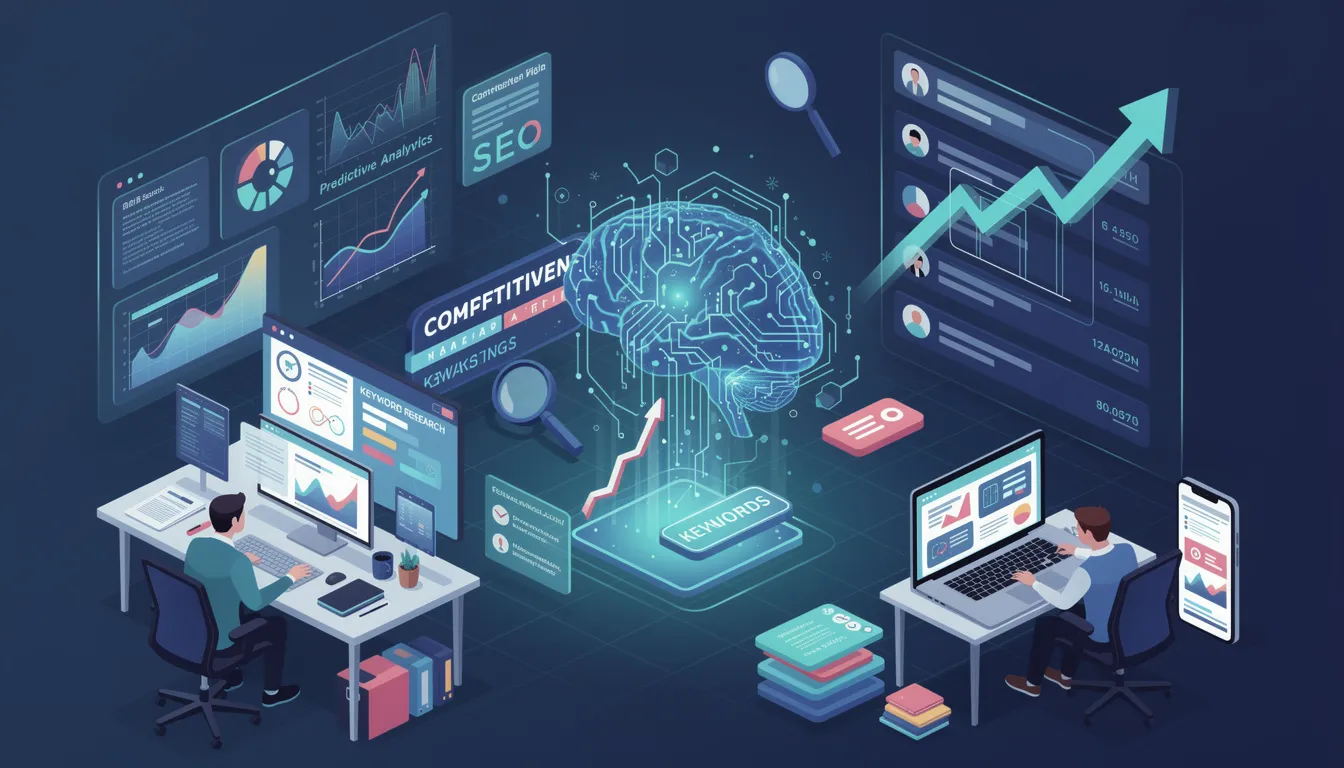
AI is transforming SEO by enabling businesses to optimize content, predict search trends, and personalize user experiences. AI-driven innovations are transforming how businesses approach their online presence, enhancing keyword research and content creation. With these advancements, businesses can stay ahead of the competition and adapt to the ever-changing digital landscape.
AI tools are being used to improve search engine rankings, enhance user experience, and increase conversion rates. They analyze large datasets to uncover hidden opportunities, predict future search trends, and identify emerging topics and content gaps. The essence of SEO will persist but will continuously evolve to stay relevant alongside technological advancements. Businesses that incorporate AI into their SEO practices can make real-time adjustments to their strategies based on data analysis, ensuring their content remains relevant and competitive. Optimizing a website's visibility on search engine results pages (SERPs) is a key goal of AI-powered SEO, as it is crucial for attracting organic traffic and maintaining online relevance.
AI Powered SEO Tools
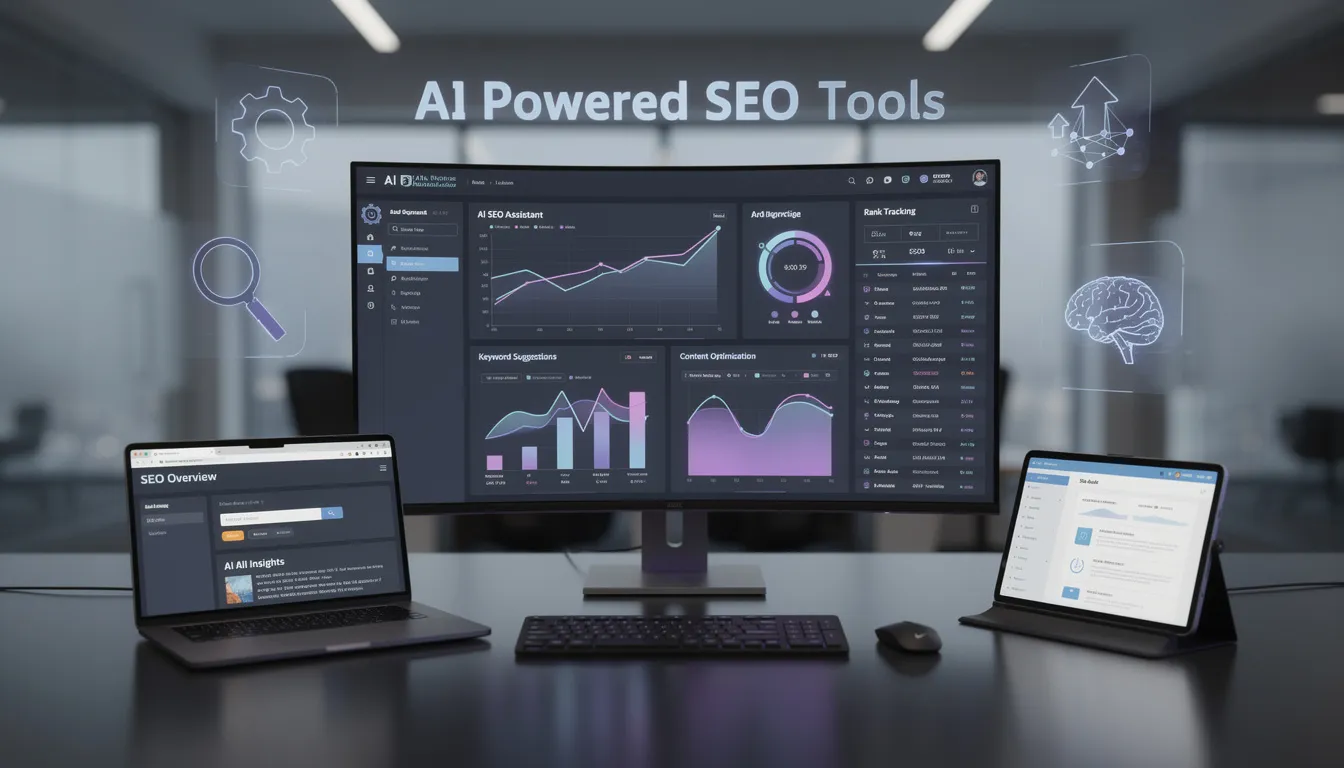
There is a wide range of AI powered SEO tools available, each designed to address specific aspects of the SEO workflow.
Comprehensive Toolkits
Leading tools that integrate seamlessly into existing workflows and help speed up repetitive tasks include:
-
Surfer SEO
-
SEMrush
-
Ahrefs
-
Writesonic
-
AirOps
-
SE Ranking
-
Clearscope
-
Whatagraph
These tools assist with keyword research, content optimization, site audits, and backlink analysis.
Specialized Tools
Other specialized AI SEO tools include:
-
DataForSEO: Provides real-time access to raw SEO data for building custom dashboards and workflows.
-
Pitchbox: Automates the outreach process for link building and integrates with top SEO tools.
-
Ranking Raccoon: Connects users directly with verified website owners for backlink exchanges without the need for cold emails.
-
Indexly: Automates the indexing process to ensure web pages are discovered by search engines faster, including other search engines beyond Google.
Choosing the Right Tool
Not every AI SEO tool is worth the investment, as some are merely content spinners or lack data quality. The best AI SEO tools provide agency-friendly pricing, making them accessible for agencies onboarding new clients. For example, Writesonic is known for its speed in content creation and SEO research by utilizing real-time data from various SEO tools, while AirOps automates SEO operations and content production from a single platform.
SE Ranking offers a comprehensive AI-powered SEO toolkit for keyword tracking, site audits, and competitive research. Clearscope excels at optimizing human-written content for SEO by providing data-backed suggestions as part of a robust SEO toolkit. Ahrefs’ AI Content Helper helps users optimize content around real search intent without over-optimizing, ensuring quality SEO content. Whatagraph simplifies reporting by integrating data from multiple SEO platforms into one cohesive report, saving SEO teams valuable time.
Surfer SEO provides real-time advice for content optimization based on SERP analysis, while Frase helps businesses generate content briefs and optimize existing content by analyzing top-ranking pages. MarketMuse focuses on building topical authority by assessing content ecosystems and recommending improvements to fill content gaps.
With a variety of tools available, understanding how AI enhances specific SEO tasks is essential.
Keyword Research with AI Tools

Keyword research remains a cornerstone of SEO, and AI tools have revolutionized this process by making it more efficient and accurate. Traditional keyword research involved manual efforts to identify relevant keywords and analyze search volume. Today, AI-powered keyword research tools like SEMrush and Ahrefs analyze vast datasets to uncover high-value keywords, long-tail keyword clusters, and emerging search trends.
AI tools can quickly identify the best-performing keywords and predict future trends, allowing businesses to create more targeted and effective content marketing strategies. Understanding the target audience is crucial in this process, as tailoring keyword research to their specific needs, search behaviors, and pain points ensures content resonates and drives engagement. These tools also help SEO professionals understand user intent more deeply, enabling content to be optimized for voice search and natural language queries—a critical factor as over half of all searches are expected to be voice-based by 2026.
Beyond keyword research, AI also streamlines content creation for SEO.
Content Creation with AI Writer
AI Writing Assistants
Content creation is often the most time-consuming part of SEO. AI writer tools like Jasper, Frase, and Writesonic use natural language processing (NLP) to generate high-quality, engaging content efficiently. Jasper, as an AI writing assistant, is designed to help generate content quickly and effectively, especially for marketing purposes, focusing on tone, style, and speed.
Enhancing Content Quality
The AI content writer is a tool within a broader set of AI-powered SEO tools, playing a key role in brainstorming, drafting, and enhancing content quality for SEO. These AI-powered content creation tools assist in writing blog posts, meta descriptions, product descriptions, and other types of content.
However, it is essential to review and edit AI-generated content to ensure it meets quality SEO content standards and aligns with the brand’s voice. AI tools can assist in optimizing content structure, keyword usage, and internal linking suggestions, but human oversight remains vital to maintain authenticity and avoid over-optimization.
As content creation becomes more efficient, the next step is optimizing for AI-driven search engines.
AI Search and SEO
Search engines like Google have become increasingly sophisticated by integrating AI algorithms such as RankBrain, which analyze user intent to connect ambiguous queries to established concepts. AI-powered “answer engines” synthesize information from multiple sources, often leading to zero-click searches where users find answers directly on the search results page.
AI SEO tools help businesses optimize their content for these AI search engines by analyzing search intent, identifying relevant keywords, and optimizing for voice and natural language queries. An ai seo agent, as a multi-functional tool integrated into all-in-one content creation platforms, can analyze, optimize, and generate SEO-optimized content by leveraging real-time data and multiple language models. By leveraging AI SEO optimization, businesses can improve their search engine rankings and increase their online visibility in an evolving digital landscape.
Optimizing for AI search engines sets the stage for improving search results and overall visibility.
AI SEO Tools for Search Results
AI SEO tools are invaluable for improving search engine rankings and increasing online visibility.
-
SEMrush and Ahrefs: Offer AI-powered SEO audits, technical SEO tools, backlink analysis, and content optimization capabilities.
These tools help identify content gaps, optimize existing content, and improve internal linking—a crucial aspect of on-page optimization. Optimizing internal links can improve site structure, enhance user experience, and boost search engine rankings.
By using AI SEO tools, businesses can create more effective SEO strategies that adapt to changing search engine algorithms and user behaviors. This adaptability is essential as AI continues to reshape search engine results pages (SERPs) and the overall SEO landscape.
With search results optimized, local SEO becomes the next area of focus for businesses targeting specific regions.
Local SEO with AI Powered SEO
Local SEO is critical for businesses operating in specific geographic areas. AI powered SEO tools assist in optimizing content for local search by managing local listings, tracking search engine rankings, and analyzing local search intent.
-
Google My Business
-
Google Search Console
These tools provide essential data for local SEO management.
By leveraging AI-powered local SEO tools, businesses can improve their local online visibility, attract more customers, and compete effectively in their markets.
After establishing a strong local presence, technical optimization ensures your website remains discoverable and competitive.
Technical Optimization with AI Tool
Technical optimization is the backbone of effective search engine optimization, ensuring that your website is easily discoverable and indexable by search engines. With the rise of artificial intelligence, AI powered SEO tools have become indispensable for streamlining and enhancing technical SEO tasks. These advanced ai tools automate complex processes, allowing SEO professionals to focus on strategy while ensuring that every technical detail is addressed for optimal search engine results.
Automated Audits
AI powered SEO tools excel at technical SEO audits, quickly scanning websites for issues such as:
-
Broken links
-
Crawl errors
-
Duplicate content
-
Slow page speeds
By leveraging machine learning algorithms, these tools can prioritize fixes based on their impact on search engine rankings, helping teams address the most critical issues first. This proactive approach ensures that your website remains compliant with the latest search engine algorithms and maintains a strong presence on search engine results pages.
Keyword Research
Keyword research, a foundational element of SEO, is also enhanced by AI tools. These platforms analyze vast amounts of data to identify high-value keywords and search trends, ensuring your content targets the right audience.
On-Page Optimization
AI-driven on page optimization tools provide actionable recommendations for improving:
-
Meta tags
-
Structured data
-
Internal linking
All of these contribute to better search engine visibility.
Link Building Automation
Link building, another essential aspect of technical SEO, is made more efficient with AI powered solutions that:
-
Identify authoritative backlink opportunities
-
Automate outreach processes
This not only saves time but also increases the likelihood of acquiring high-quality links that boost your website’s authority in search engine results.
Content creation is seamlessly integrated into technical optimization with AI tools that generate SEO-friendly content, suggest relevant keywords, and ensure proper formatting for search engine crawlers. By automating these seo tasks, businesses can maintain a consistent flow of optimized content that supports their overall search engine optimisation strategy.
In summary, AI powered SEO tools are transforming technical SEO by automating audits, enhancing keyword research, streamlining on page optimization, and improving link building efforts. By embracing artificial intelligence in your technical SEO workflow, you can ensure your website remains competitive, visible, and aligned with the ever-evolving demands of search engine algorithms.
With technical optimization in place, user experience becomes the next critical factor for SEO success.
User Experience and AI Search Results
User experience (UX) is a vital factor in SEO rankings. AI-powered tools such as Hotjar and Crazy Egg analyze user behavior, track engagement, and identify areas for website improvement. These insights help businesses optimize content for user intent, improve site speed, and enhance mobile-friendliness.
Improving UX through AI tools not only boosts search engine rankings but also increases conversions and customer satisfaction.
A seamless user experience paves the way for higher conversion rates, which can be further enhanced with AI-powered CRO tools.
Conversion Rate Optimization with Artificial Intelligence
Conversion rate optimization (CRO) focuses on turning website visitors into customers. AI-powered CRO tools analyze user behavior to identify bottlenecks and test different content variations.
-
Unbounce
-
Instapage
These platforms assist in creating optimized landing pages and running A/B tests.
By incorporating AI-powered CRO tools, businesses can increase conversion rates, drive more sales, and maximize the ROI of their SEO efforts.
A strong conversion strategy also supports brand reputation, which is essential for long-term SEO success.
Brand Reputation and AI SEO
Brand reputation management is essential for establishing trust and credibility. AI SEO tools monitor brand mentions, track online reviews, and analyze social media presence.
-
Brand24
-
Hootsuite
These tools enable businesses to respond promptly to customer feedback and manage their online image.
A strong brand reputation, supported by AI SEO monitoring, enhances online visibility and drives higher engagement and sales.
With all these elements in place, businesses are well-positioned to succeed in the evolving landscape of AI-driven SEO.
Conclusion
AI powered SEO tools are transforming search engine optimization by enabling businesses to improve search engine rankings, enhance user experience, and increase conversion rates. The integration of AI into SEO practices is no longer optional but a fundamental requirement for maintaining digital visibility by 2026.
By adopting AI SEO tools, businesses can optimize content for AI search engines, identify content gaps, improve technical SEO, and stay ahead of evolving search engine algorithms. However, it is crucial to select quality AI tools that integrate smoothly into workflows and to combine AI capabilities with traditional SEO best practices for the best results.
Ready to elevate your SEO strategy with cutting-edge AI tools and expert guidance? Contact Sterling Media & Communications today at smcww.co.uk to learn how our SEO professionals can help you harness the power of artificial intelligence search engine optimization, including data-driven articles, to boost your online visibility and drive business growth. We also offer performance media services to drive leads and sales with expertly managed Google and Meta ad campaigns. Let us partner with you on your journey to SEO success in the AI era!
FAQs on Artificial Intelligence Search Engine Optimization
What is artificial intelligence search engine optimization (AI SEO)?
Artificial intelligence search engine optimization refers to the use of AI-powered tools and technologies to enhance traditional SEO practices. It involves leveraging machine learning algorithms, natural language processing, and data analysis to improve keyword research, content creation, on-page optimization, and technical SEO audits. AI SEO helps businesses optimize their websites for better search rankings and increased visibility across search engines.
How do AI SEO tools improve search rankings?
AI SEO tools analyze vast amounts of SEO data, including keyword data, search intent, competitor performance, and user behavior. They provide valuable insights and recommendations for optimizing content, improving internal linking, and addressing technical SEO issues. By automating repetitive SEO tasks and delivering data-backed optimization strategies, these tools help improve a website’s visibility in search engine results pages (SERPs).
Can AI replace human SEO professionals?
While AI-powered SEO tools significantly enhance efficiency and accuracy, human expertise remains essential. AI tools assist with data analysis, content creation processes, and technical audits, but human oversight ensures content aligns with brand voice, user intent, and SEO best practices. Successful SEO strategies combine AI capabilities with the creativity and strategic thinking of SEO professionals.
Are AI-generated contents effective for SEO?
AI-generated content can be effective when used thoughtfully. AI content writers and AI writing assistants can produce high-quality, relevant content quickly, helping to scale content creation. However, it is important to review and edit AI-generated content to maintain authenticity, avoid over-optimization, and ensure alignment with the target audience’s needs and search algorithms.
How do AI SEO tools help with keyword research?
AI SEO tools streamline keyword research by analyzing large datasets to identify high-performing target keywords, long-tail keyword clusters, and emerging search trends. They provide actionable keyword data that helps SEO teams create content optimized for user intent and voice search, improving the website’s relevance and ranking potential.
What role does AI play in technical SEO audits?
AI-powered SEO tools can automate technical SEO audits by scanning websites for issues such as broken links, crawl errors, slow page speed, and structured data problems. These tools generate detailed reports and prioritize fixes, enabling SEO teams to maintain a technically sound website that meets search engine algorithms’ requirements.
How do AI SEO tools integrate with existing SEO workflows?
Most AI SEO tools are designed to integrate seamlessly with popular platforms like Google Search Console, Google Docs, and other SEO toolkits. They can automate SEO tasks such as content optimization, backlink analysis, and rank tracking, allowing SEO teams to focus on strategy while AI handles data processing and routine tasks efficiently.
Can AI SEO tools optimize content for AI search engines?
Yes, AI SEO tools help optimize content for AI search engines by analyzing AI overviews, AI-generated answers, and user search behavior. They ensure content is structured with relevant keywords, metadata, and structured data to improve visibility in AI-powered search results from platforms like Google’s Search Generative Experience (SGE) and other AI tools.
Are AI SEO tools useful for local SEO?
Absolutely. AI-powered local SEO tools manage local listings, monitor search engine rankings in specific geographic areas, and analyze local search intent. These tools help businesses improve their website’s visibility in local search results, attract nearby customers, and compete effectively within their markets.
What are the limitations of AI SEO tools?
While AI SEO tools provide valuable insights and automation, they are not foolproof. They may generate generic content if not properly guided, and some tools lack deep understanding of brand voice or nuanced user intent. Human review and strategic input are essential to ensure content quality, relevance, and compliance with SEO best practices.
How can I get started with AI SEO?
Start by identifying your SEO goals and selecting AI-powered SEO tools that fit your needs and budget. Begin integrating these tools into your keyword research, content creation process, and technical SEO audits. Combine AI insights with human expertise to develop a comprehensive SEO strategy that adapts to evolving search engine algorithms and user behaviors.
Will AI SEO replace traditional SEO in the future?
AI SEO is transforming traditional SEO but not replacing it. The future of SEO involves a blend of AI-driven automation and human creativity. AI enhances efficiency and precision, while SEO professionals provide strategic direction, creativity, and quality control. Together, they ensure sustainable search engine optimization success in a rapidly evolving digital landscape.

0 comments