

Introduction to Local Search
Local search engine marketing is crucial for businesses aiming to appear in local search results and attract nearby customers. Unlike traditional advertising, which often reaches a broad and passive audience, local SEO ensures small businesses can compete with larger players by meeting customers at the exact moment they need services. This targeted approach makes local SEO an essential strategy for local business owners with physical locations or those serving specific geographic areas.
Local SEO is important because it increases a business's visibility in local search results, helping attract nearby customers and boosting sales.
Statistics show the effectiveness of local SEO: 76% of people who conduct a local search visit a business within 24 hours, and 28% of those searches result in a purchase. These numbers highlight why optimizing for local search is vital for driving immediate customer engagement and sales.
Understanding local search behavior and the underlying algorithms is essential for crafting effective local search engine optimization strategies. As search engines evolve, local search continues to grow in importance, especially with the rise of mobile and voice searches. In fact, over 60% of searches in 2026 are voice-based, and 87% of smartphone users perform local searches daily, emphasizing the need for businesses to optimize for these emerging trends.
Understanding Local SEO
Local SEO is the process of optimizing a business's visibility in unpaid, location-based search results on Google Search, Google Maps, and other search engines.
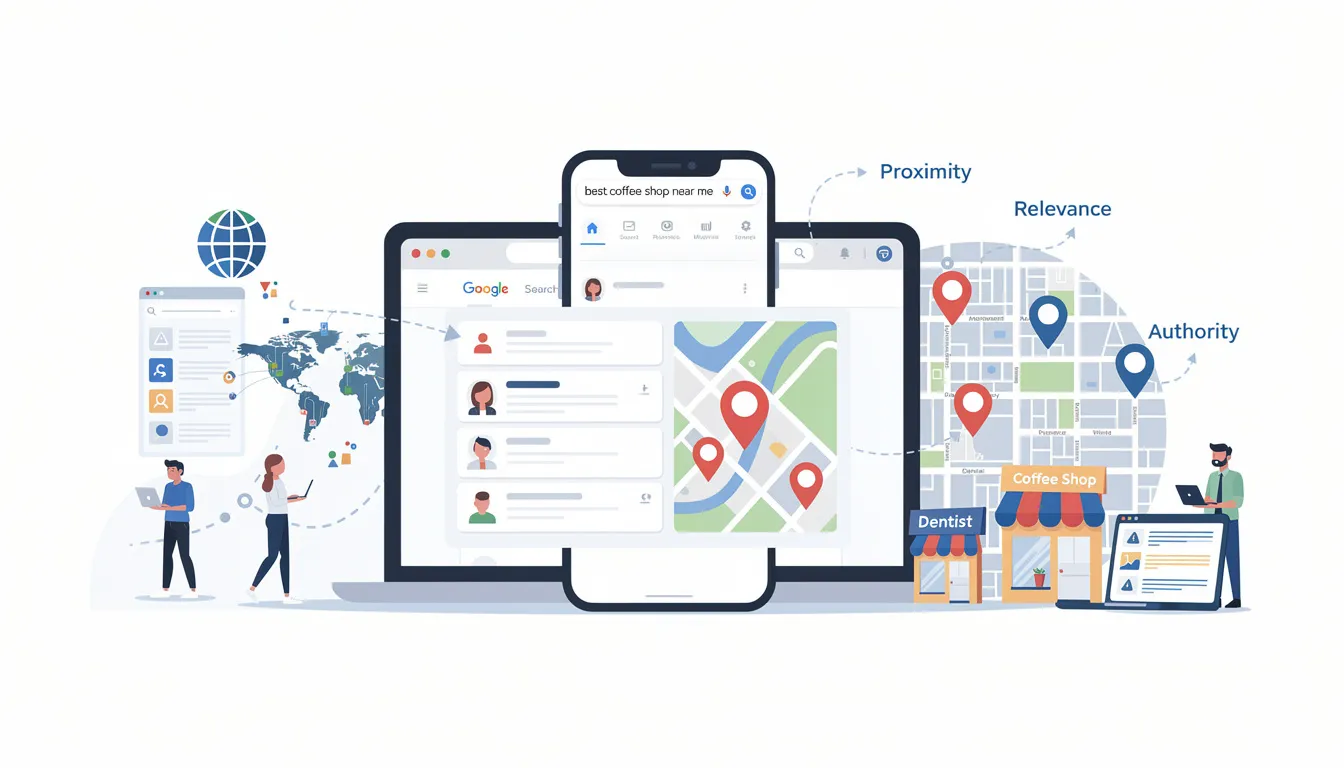
Local SEO is a specialized type of search engine optimisation that targets location-based search results, helping businesses appear prominently in the local pack — the top three local results shown alongside Google Maps. This is distinct from traditional SEO, which targets a broader audience regardless of location. Local SEO focuses on proximity, relevance, and authority to connect businesses with potential customers in their local area.
Google's local search algorithm weighs multiple factors to ensure that the most useful, trustworthy, and relevant results rise to the top, not just those closest in distance. Factors such as business reviews, local citations, and the completeness of a business's online presence influence rankings.
Businesses with strong local SEO tend to rank highest for local keywords, making users more likely to discover and engage with them. The top three results shown alongside Google Maps in local searches, known as the "3-Pack," receive up to three times more clicks than those listed below, making this placement highly valuable for local businesses.
Approximately 46% of all Google searches in 2026 have local intent, underscoring the critical role of local search engine marketing for small and service-based businesses and the advantages of Meta ads for SMEs.
Key Components of Local SEO
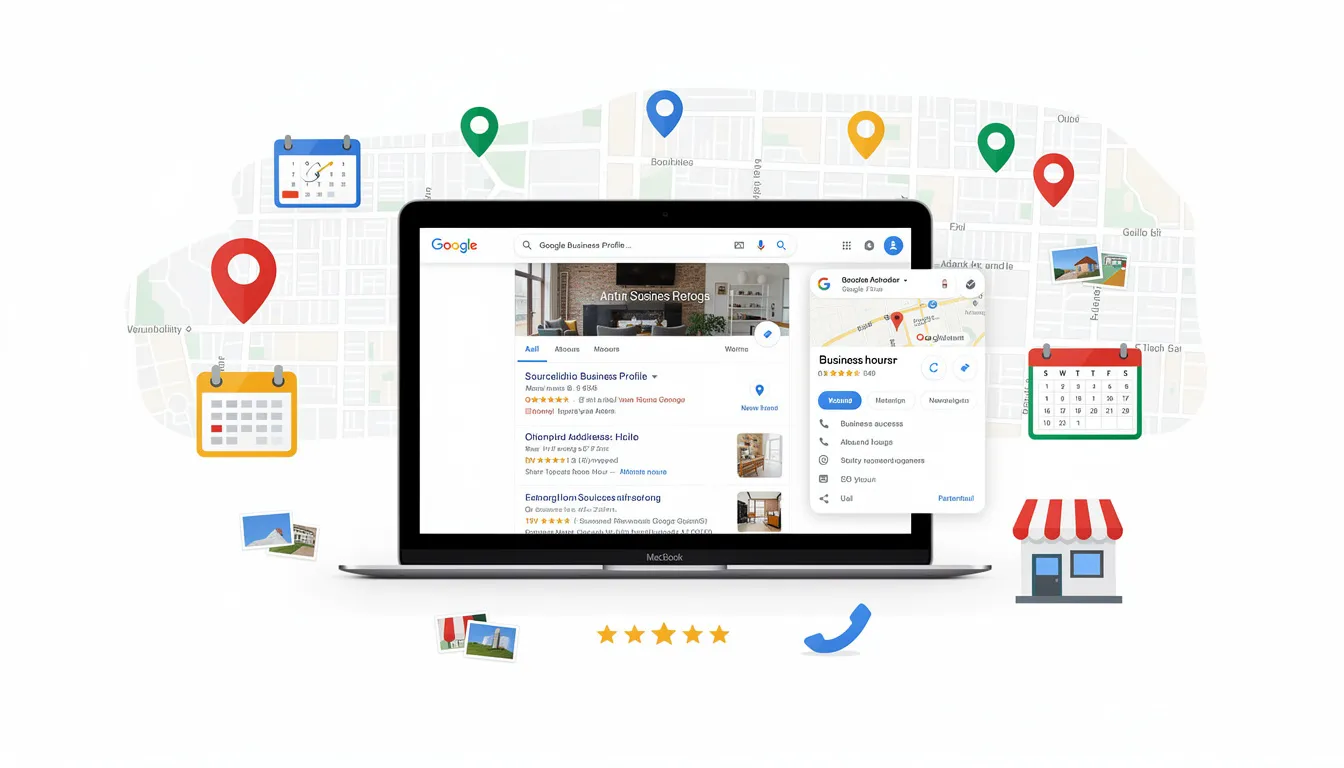
A complete and optimized Google Business Profile (GBP) is essential for local SEO success. Your GBP is a free listing that appears when people search for your business or related services on Google and Google Maps. It provides the structured data search engines need to display your business accurately and prominently.
Google Business Profile optimization is especially important as it provides the structured data needed for businesses to appear in "zero-click" or voice search results expected to dominate in 2026. Businesses with complete Google Business Profiles are 70% more likely to attract in-person visits.
Your profile should include accurate opening hours, current photos, regular posts, and up-to-date business information to maximize visibility. Keeping your business details updated in your Google Business Profile is one of the best ways to stay active and ensure users have accurate information. Regular audits of your GBP help catch inconsistencies before they become problems, ensuring your business information remains reliable and consistent.
Inconsistent NAP (Name, Address, Phone Number) details can confuse search engines and customers alike, reducing your credibility and harming your local SEO rankings. Therefore, maintaining consistent contact details across all platforms, including business directories and local listings, is critical.
If your business operates from more than one physical location, creating a Google Business Profile for each location is essential. This helps each business location appear in relevant local search results, increasing overall local visibility.
Encouraging customers to leave reviews is an important part of maintaining an active Google Business Profile. Reviews are a critical factor in local SEO, with 91% of consumers in 2026 trusting online reviews as much as personal recommendations. Responding to all reviews, whether positive or negative, shows engagement with your audience, demonstrates that you value customer feedback, and provides opportunities to address concerns, further building trust and engagement.
On-Page SEO for Local Search Engine

On-page SEO for local search involves optimizing website elements such as title tags, meta descriptions, and header tags with relevant local keywords. Creating location-specific web pages for each business location with unique, valuable content helps address what local customers actually need and signals relevance to search algorithms.
Local search terms often differ from national ones, so understanding your specific market through keyword research tools is important to create content that matches local intent. Embedding Google Maps on your website improves user experience and provides additional local SEO signals.
Since most local searches happen on smartphones, often when people need immediate solutions, optimizing website content for mobile search and user experience is crucial.
Local Pack and Search Results
The local pack is a prominent feature in Google search results, displaying the top three local businesses for a given search query. These "3-Pack" results receive up to three times more clicks than those listed below them, making it a prime spot for local businesses to capture attention.
Local SEO strategies should focus on improving local search rankings to increase the chances of appearing in the local pack. Appearing in both the local pack and organic search results maximizes a business's online visibility and potential customer reach.
Google search results also display local business listings and reviews, making it essential to maintain a strong online presence across multiple platforms.
Effective Local SEO Strategy
An effective local SEO strategy combines on-page optimization, local citation building, and active review management. High-quality, relevant content attracts local backlinks from other local sites, which improves local search rankings and authority.
Getting listed on high-authority local directories is valuable for building local authority. Consistent name, address, and phone number (NAP) data across all online listings is critical for local SEO success, as search engines use this information to verify business legitimacy.
Encouraging and responding to online reviews provides social proof, validates your expertise, and instills confidence in potential buyers. Active review management is especially important for 2026 rankings, with businesses encouraged to respond to every review within 24–48 hours.
Many local SEO tools now incorporate AI features that streamline citation management and content optimization, helping businesses maintain consistency and improve local search visibility efficiently.
Regular audits of your business's online presence help catch inconsistencies in citations and business information across platforms before they become problems. Tracking results through local analytics tools is essential for monitoring local SEO performance over time and adjusting strategies accordingly.
Local Search Engine and Embed Google Maps
Embedding Google Maps on your website provides additional local SEO signals and enhances user experience by making it easier for customers to find your business location. Local search engines like Google use location-based signals to determine relevant local results and rankings.
Using location-based keywords and phrases in website content and meta tags further improves local search rankings. Businesses should also aim to appear in local search results on other search engines such as Bing and Yahoo to maximize reach.
Local SEO focuses on making your business easy to find and even easier to choose when customers are ready to act. By optimizing your Google Business Profile, website content, citations, and reviews, you can build a strong local presence that drives growth and attracts more nearby customers.
Frequently Asked Questions (FAQs) About Local Search Engine Marketing
What is local search engine marketing?
Local search engine marketing (local SEO) is the process of optimizing your business’s online presence to appear prominently in location-based search results on platforms like Google Search and Google Maps. It helps connect your business with potential customers searching for local services or products nearby.
Why is local SEO important for my business?
Local SEO is important because it increases your visibility to nearby customers who are ready to buy or engage your services. Studies show that 76% of people who perform a local search visit a business within 24 hours, and nearly 28% of those searches lead to a purchase. This makes local SEO a powerful tool for driving immediate foot traffic and sales.
How do I optimize my Google Business Profile?
To optimize your Google Business Profile, ensure all business details are accurate and complete, including your business name, address, phone number, opening hours, and category. Add current photos, regularly post updates, and encourage customers to leave reviews. Keeping your business details updated and performing regular audits is key to maintaining an active and accurate profile. Responding to reviews also shows engagement and builds trust.
What are local citations, and why do they matter?
Local citations are online mentions of your business’s Name, Address, and Phone Number (NAP) on directories, business listings, and other websites. Consistent and accurate citations help search engines verify your business’s legitimacy and improve your local search rankings.
How can I improve my local search rankings?
Improving local search rankings involves a combination of strategies: optimizing your website with location-specific content and keywords, maintaining a complete Google Business Profile, building consistent local citations, acquiring positive customer reviews, and earning local links from reputable local sites.
What role do reviews play in local SEO?
Reviews are a critical factor in local SEO. Positive reviews improve your business’s reputation, increase trust among potential customers, and influence Google’s local search algorithm. Encouraging customers to leave reviews and responding promptly to feedback can boost your local rankings.
Should I create location pages on my website?
Yes, if your business has multiple locations or serves different areas, creating unique location pages helps target specific local keywords and provides relevant pages with information to customers. Location pages improve your relevance in local searches and enhance user experience.
How often should I update my local SEO efforts?
Local SEO is an ongoing process. Regularly audit your Google Business Profile, update business details, monitor reviews, and refresh website content to stay relevant. Consistent efforts ensure your business remains visible and competitive in local search results.
Can local SEO help my business appear in voice and AI searches?
Absolutely. Optimizing your Google Business Profile and website with structured data, local keywords, local business schema, and clear business details increases the chances of your business being featured in voice search results and AI-powered recommendations.
What tools can help manage my local SEO?
There are many local SEO tools available that help track your rankings, manage citations, monitor reviews, and analyze your online presence. Tools like Google Business Profile Manager, BrightLocal, Moz Local, and Semrush simplify local SEO management and provide valuable insights.
If you have more questions or need help with your local SEO strategy, feel free to reach out or explore our detailed guides for actionable local SEO tips and best practices.

0 comments