

Technical SEO and tech SEO are critical components of modern website optimization. Technical SEO is the process of optimizing a website to enable search engine robots to crawl and index the site more effectively. In today’s digital landscape, mastering tech SEO is crucial for any website aiming to rank higher in search engine results pages (SERPs) and deliver an outstanding user experience.
This guide is for website owners, digital marketers, and SEO professionals looking to master technical SEO. Mastering tech SEO is essential for ensuring your website is discoverable, user-friendly, and ranks highly in search engines.
This comprehensive guide covers everything you need to know about technical SEO, from understanding search engines to optimizing your site’s core web vitals, and how partnering with experts like Sterling Media & Communications can elevate your website’s performance.
Introduction to Search Engines

How Search Engines Work
Search engines like Google use complex algorithms to rank web pages in SERPs. These algorithms evaluate numerous factors, including the technical health of your website.
Technical SEO is about improving your website's infrastructure so search engines can crawl, render, index, and serve your content correctly and efficiently. Technical SEO ensures search engines can properly crawl, render, and index your website's content.
What is Technical SEO?
Technical SEO is the process of optimizing your website’s technical elements to improve its visibility and ranking on search engines. This makes technical SEO important for ensuring your site is properly crawled, indexed, and ultimately visible in search results.
Crawling and Indexing
A key part of this process is understanding how search engines crawl and index web pages.
-
Crawlability determines whether search engines can find your pages, making it essential for visibility.
-
Indexability refers to whether a page is stored in a search engine's index, which is crucial for appearing in search results.
Crawling refers to search engines discovering your pages by following links, while indexing is the storing and organizing of these pages so they can appear in search results. Technical SEO practices, such as optimizing site structure, XML sitemaps, and robots.txt files, help ensure your pages are effectively crawled and indexed. After crawling and analysis, search engines index your web pages, making them eligible to appear in search results.
Technical SEO Tools
Tools such as Google Search Console are invaluable for monitoring and maintaining your site’s presence in Google search results. They provide insights into crawl errors, indexing status, and other technical SEO issues that might affect your site’s performance.
Technical SEO is often treated like an afterthought, but it is essential for ensuring that search engines can find, understand, and access your content.
Understanding Technical SEO Issues

Common Technical SEO Problems
Technical SEO issues can prevent search engines from effectively crawling and indexing your website, resulting in lower rankings and reduced organic traffic. Common problems include:
-
Duplicate content, which dilutes ranking signals across multiple URLs, confusing search engines about which page to prioritize.
-
Broken links and crawl errors, which hinder search engines’ ability to access important pages.
-
When pages load slowly, it negatively impacts user experience and search engine rankings, often leading to higher bounce rates and lower visibility in search results.
A comprehensive technical SEO audit includes analyzing site structure, architecture, and coding to identify crawl errors and broken links.
Technical SEO audits should include checking for crawl errors to ensure search engines can access all important pages. Site speed is a confirmed ranking factor, with studies showing that 53% of users abandon slow sites, highlighting the importance of improving page speed. Improving page speed is often a focus during technical SEO audits as it is a critical factor for user experience and search rankings.
Why Fixing Technical SEO Issues Matters
Identifying and fixing these technical SEO issues is crucial for improving your website’s overall technical health and how your pages rank in search engine results.
Off-Page SEO Strategies
While technical SEO focuses on optimizing your website’s backend, off-page SEO strategies such as building high-quality backlinks from other reputable sites help improve your site’s authority and ranking in search engines. As part of a comprehensive technical SEO audit, it's also important to analyze and review other sites by checking for crawl errors, broken links, and duplicate content across different domains.
A technical SEO agency can assist in implementing effective off-page SEO strategies, ensuring that your website not only performs well technically but also gains the trust and authority needed to rank higher.
Optimizing Core Web Vitals
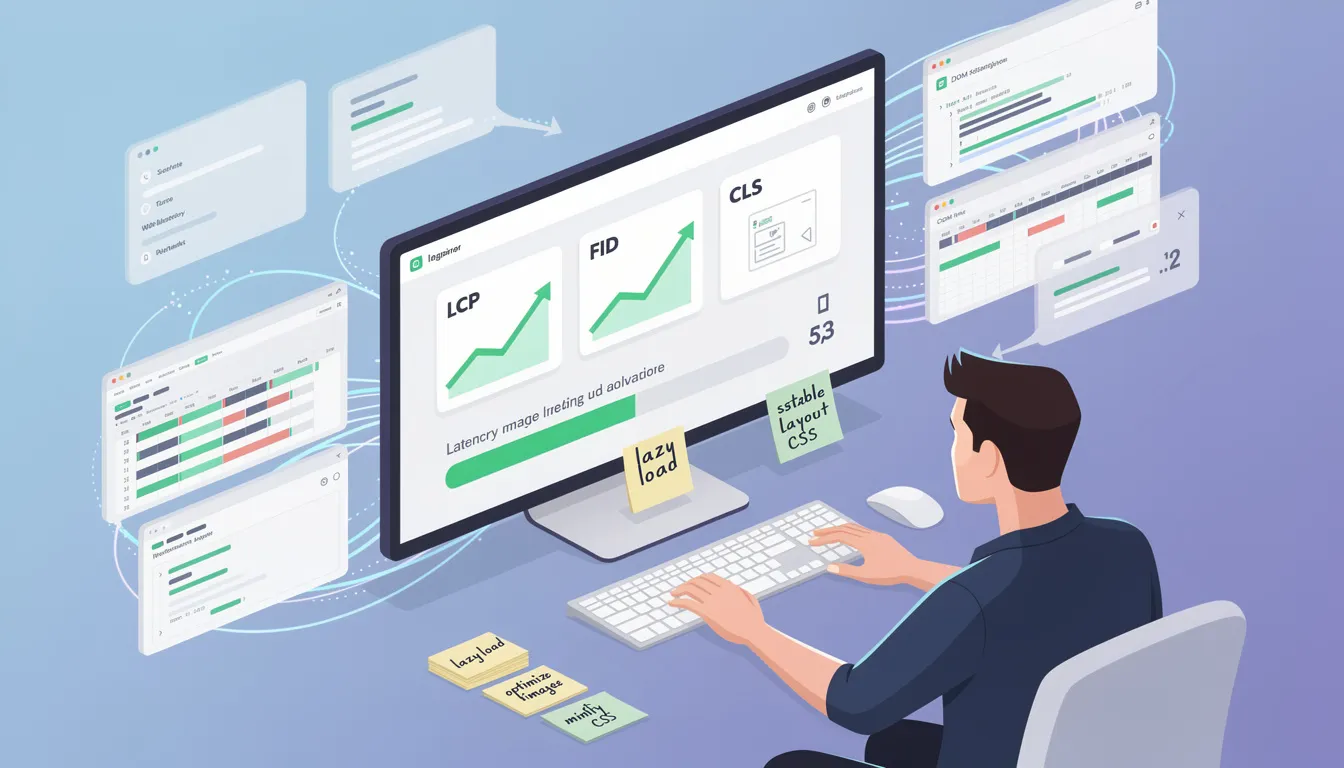
Core Web Vitals (CWV) are a set of metrics used by Google to measure real-world user experience on your website. These include:
-
Largest Contentful Paint (LCP): Measures loading performance; should be under 2.5 seconds.
-
Interaction to Next Paint (INP): Measures responsiveness; should be under 200 milliseconds.
-
Cumulative Layout Shift (CLS): Measures visual stability; should be under 0.1 to prevent unexpected layout shifts.
Optimizing these metrics improves page speed and user experience, which are critical ranking factors. Ensuring your important pages meet Core Web Vitals thresholds can significantly enhance your search engine visibility.
Understanding Google Crawls
Google crawls web pages to discover and index content. Effective technical SEO implementation ensures that Google can crawl and index your entire site efficiently. This includes maintaining a flat site hierarchy where pages are reachable within three clicks from the homepage, which helps search engines find your content quickly.
Since July 2024, Google exclusively uses mobile crawlers for indexing, making mobile-friendliness and content parity essential. Content parity requires the mobile version of your site to contain the same core text, images, and structured data as the desktop version.
Site Architecture Best Practices
A well-structured website structure and site architecture improves both user experience and search engine rankings. Internal links pointing to important pages help distribute link equity and improve crawlability. When managing multiple pages, techniques such as canonical tags, breadcrumb navigation, and pagination are essential to guide search engines and prevent duplicate content issues.
Creating and submitting an XML sitemap is a vital part of site architecture. An XML sitemap acts as a roadmap for search engines, helping them find and index your content more efficiently. Alongside this, optimizing your website's technical elements—such as backend structure and coding—is crucial for improving search engine visibility and user experience. Using meta tags appropriately also enhances search engine visibility.
Crawling and Indexing Process
The crawling and indexing process is fundamental for your pages to appear in search results. Technical SEO audits can help identify issues such as crawl errors or blocked pages that prevent search engines from accessing your site.
Using a robots.txt file, which is a txt file located at the root of your website, you can instruct search engines on which pages to crawl or ignore. Optimizing and managing your robots.txt file is crucial for improving SEO performance and crawl efficiency, ensuring that only important pages are crawled and indexed. Additionally, canonical tags help prevent duplicate content issues by indicating the preferred version of a page to search engines.
Using Schema Markup
Implementing structured data or schema markup helps search engines better understand your website’s content. This can lead to rich snippets in search results, improving click-through rates.
Using JSON-LD format for defining pricing, reviews, and product specifications not only enhances AI readiness but also supports more sophisticated search features.
Ensuring Site Security
Site security is a critical ranking factor. Using HTTPS protects sensitive user information and builds trust with both users and search engines. Ensuring your entire site uses HTTPS is essential for technical SEO.
Understanding the Noindex Tag
The noindex tag prevents search engines from indexing specific pages. Proper use of this tag can help avoid indexing low-value or duplicate content, preserving your site’s SEO strength.
Maintaining Technical Health
Regular technical SEO audits are essential to maintain your website’s health. These audits analyze site structure, architecture, and coding to identify crawl errors, broken links, and other technical issues.
Tools like Google Search Console help monitor your site’s technical SEO health over time, allowing you to address new issues as your website grows in complexity.
Managing Redirect Chains
Redirect chains—multiple redirects leading from one URL to another—can slow down your site and waste crawl budget. Collapsing multiple redirects into a single hop reduces latency and improves both user experience and search engine crawling efficiency.
Technical SEO Tools and Resources
Leveraging technical SEO tools and resources is key to identifying issues and implementing fixes. Tools such as Google Search Console, URL inspection tools, and site audit software provide actionable insights to improve your site’s technical elements.
Checklist of Technical SEO Best Practices
-
Prioritize SEO fundamentals such as proper site indexing, clear URL structure, and regularly updated XML sitemaps to build a strong technical SEO foundation.
-
Ensure your website is mobile-friendly with content parity between desktop and mobile versions.
-
Maintain a flat site hierarchy with pages accessible within three clicks from the homepage.
-
Optimize site speed to meet Core Web Vitals thresholds.
-
Submit and regularly update your XML sitemap.
-
Use HTTPS across your entire site.
-
Implement structured data using JSON-LD.
-
Optimize URLs to clearly reflect search intent, ensuring the structure aligns with what users are looking for.
-
Monitor and fix duplicate content using canonical tags.
-
Regularly audit your site to identify and resolve technical SEO issues.
Measuring Technical SEO Success
-
Track improvements in crawlability, indexing, page speed, and user experience metrics.
-
Monitor organic traffic growth and search engine rankings.
-
Use tools like Google Search Console to measure crawl errors, indexing status, and Core Web Vitals performance.
Advanced Technical SEO Techniques
Optimizing Website Structure and Architecture
Taking your website’s search engine optimization to the next level requires implementing advanced technical SEO techniques that go beyond the basics. These strategies are designed to help your web pages stand out in search engine results pages and ensure that search engines can easily crawl, understand, and rank your content.
One powerful technique is optimizing your website’s structure and architecture. A well-organized site makes it easier for search engines to navigate and index your content, while also improving user experience. Technical SEO services can help you refine your site’s internal linking, eliminate unnecessary redirect chains, and ensure that important pages are prioritized for crawling and indexing.
Improving Page Speed
Improving page speed is another advanced area of focus. Fast-loading web pages not only enhance user experience but are also favored by search engine algorithms. Techniques such as image optimization, code minification, and leveraging browser caching can significantly boost your site’s performance.
Leveraging Structured Data
Leveraging structured data through schema markup is essential for modern technical SEO. By adding structured data to your web pages, you help search engines better interpret your content, which can lead to enhanced search results like rich snippets. This not only increases your visibility in search engine results pages but can also improve click-through rates.
Addressing Complex Technical SEO Issues
Addressing complex technical SEO issues—such as crawl errors, duplicate content, and problems with structured data—often requires the expertise of technical SEO consultants. These professionals use advanced SEO tools to conduct in-depth technical SEO audits, identify hidden issues, and implement solutions that keep your website in top technical health.
By embracing these advanced technical SEO techniques, you can ensure your website remains competitive, visible, and optimized for both users and search engines.
Technical SEO and Content Marketing
Technical SEO provides the foundation on which content marketing thrives. Having a dedicated blog page is important for effective crawling and indexing, and should be part of a broader technical SEO strategy to improve content management and visibility. Without a technically sound website, even the best content may remain undiscovered. Combining technical SEO with high-quality content and off-page strategies maximizes your website’s potential to rank higher and attract targeted traffic.
Hiring a Technical SEO Consultant
If your team lacks technical SEO expertise, hiring a technical SEO consultant or partnering with a technical SEO agency can provide the guidance and implementation support needed to optimize your website’s technical health.
Staying Up-to-Date with Technical SEO
Technical SEO is an ever-evolving field. Staying current with search engine algorithms, best practices, and emerging technologies is essential to maintain and improve your website’s performance.
Partner with Sterling Media & Communications for Expert Technical SEO Services
Optimizing your website’s technical SEO is a complex but essential task that can significantly boost your search engine rankings, user experience, and ultimately your sales. Sterling Media & Communications (smcww.co.uk) offers expert technical SEO services tailored to your business needs. Their team of specialists conducts comprehensive technical SEO audits, fixes technical issues, improves site architecture, and ensures your website meets all modern SEO standards.
Don’t let technical SEO challenges hold your website back. Contact Sterling Media & Communications today to elevate your website’s performance and achieve lasting search engine success, or discover top digital marketing agencies in Brighton to further boost your online presence.
Visit smcww.co.uk to learn more, boost your business with Google Search Marketing for SMEs, and get started on your journey to mastering tech SEO, grow your SME with Meta ads, or discover how to drive leads and sales with performance media on Google and Meta. Explore local marketing and footfall solutions for your business.
Frequently Asked Questions (FAQs) About Technical SEO
What is technical SEO and why is it important?
Technical SEO refers to optimizing the technical aspects of your website to help search engines crawl, index, and rank your pages more effectively. It is important because even the best content will not perform well if search engines cannot access or understand your website properly. Good technical SEO ensures your site ranks higher in search engine results pages (SERPs), improves user experience, and increases organic traffic.
How does technical SEO differ from on-page and off-page SEO?
Technical SEO focuses on the backend elements of your website, such as site architecture, crawlability, indexing, page speed, and site security. On-page SEO involves optimizing the content and meta tags on individual pages, while off-page SEO deals with external factors like backlinks and social signals. All three work together to improve your website’s search visibility, but technical SEO lays the foundation for the others.
What are common technical SEO issues that can affect my website?
Common issues include duplicate content, broken links, crawl errors, slow page load times, improper use of canonical tags, missing or misconfigured XML sitemaps, and lack of mobile-friendliness. These problems can prevent search engines from crawling and indexing your site effectively, leading to lower rankings and reduced organic traffic.
How can I check if my website has technical SEO problems?
You can perform a technical SEO audit using tools like Google Search Console, site audit software, URL inspection tools, and crawl analyzers. These tools identify crawl errors, broken links, indexing issues, duplicate content, and other technical problems that may affect your site’s performance in search results.
What is an XML sitemap and why is it important?
An XML sitemap is a file that lists all important pages on your website, helping search engines find and crawl your content more efficiently. Submitting an updated XML sitemap to Google Search Console improves the likelihood of your pages being indexed and ranked faster.
Why is mobile-friendliness critical for technical SEO?
Since Google uses mobile-first indexing, it primarily evaluates the mobile version of your site for ranking and indexing. Ensuring your site is mobile-friendly with content parity between desktop and mobile versions is essential to maintain search visibility and provide a positive user experience on mobile devices.
How do Core Web Vitals impact my website’s SEO?
Core Web Vitals are user experience metrics—Largest Contentful Paint (LCP), Interaction to Next Paint (INP), and Cumulative Layout Shift (CLS)—that measure loading performance, responsiveness, and visual stability. Optimizing these metrics improves page speed and user experience, which are confirmed ranking factors in Google’s algorithm.
What is crawl budget and how can I optimize it?
Crawl budget refers to the number of pages a search engine bot crawls on your site within a given time. Optimizing crawl budget involves ensuring important pages are easily accessible through your internal linking structure, blocking low-value or duplicate pages via robots.txt or noindex tags, and fixing broken links or redirect chains that waste crawl resources.
How does structured data help my website’s SEO?
Adding structured data (schema markup) helps search engines better understand your page content by providing context in a standardized format. This can enhance your listings with rich snippets in search results, improving click-through rates and search visibility.
When should I use the noindex tag?
Use the noindex tag on pages that offer little value for search rankings, such as duplicate pages, thin content pages, or staging and test pages. This prevents search engines from indexing these pages and diluting your site’s SEO strength.
What role does HTTPS play in technical SEO?
HTTPS secures data transmission between your website and users, building trust and protecting sensitive information. It is also a confirmed ranking factor in Google’s algorithm, so ensuring your entire site uses HTTPS is essential for both security and SEO.
How often should I perform technical SEO audits?
Regular audits—at least quarterly—are recommended to identify and fix new technical SEO issues as your website grows and changes. Ongoing monitoring with tools like Google Search Console helps maintain your technical SEO health and ensures your site remains optimized for search engines.
Can technical SEO improve my website’s user experience?
Yes. Many technical SEO best practices, such as improving site speed, mobile responsiveness, and site architecture, directly enhance user experience. A better user experience can reduce bounce rates, increase time on site, and positively influence search rankings.
Do I need a technical SEO consultant or agency?
If your team lacks the expertise or resources to manage technical SEO effectively, hiring a consultant or agency can provide valuable guidance and implementation support. They can conduct comprehensive audits, fix technical issues, and help develop long-term strategies to improve your site’s search visibility and performance.
How does technical SEO affect content marketing?
Technical SEO provides the foundation that allows your content to be discovered and ranked by search engines. Without a technically sound website, even high-quality content may remain invisible. Combining technical SEO with strong content marketing maximizes your website’s potential to attract targeted organic traffic.
What is the impact of redirect chains on SEO?
Redirect chains occur when a URL redirects to another URL, which then redirects again, causing multiple hops. These slow down page loading, waste crawl budget, and dilute link equity. Collapsing redirect chains into a single redirect improves site speed and crawl efficiency, benefiting SEO.
How do I handle duplicate content issues?
Duplicate content can confuse search engines and dilute ranking signals. Use canonical tags to indicate the preferred version of a page, implement 301 redirects for duplicate pages, and use noindex tags where appropriate. Maintaining a clean internal linking structure also helps prevent duplicate content problems.
What is content parity and why is it important?
Content parity means that the mobile version of your website contains the same core text, images, and structured data as the desktop version. It is important because Google uses mobile-first indexing, and discrepancies can lead to indexing issues or lower rankings. For those looking to ensure consistent marketing success across platforms, working with the best agency for Facebook Ads can help maximize your advertising impact and avoid costly oversights.
How can I improve my site’s internal linking strategy?
A strong internal linking strategy ensures that important pages are easily reachable within a few clicks from the homepage, distributes link equity effectively, and helps search engines crawl your site efficiently. Regularly audit your internal links to fix broken links and add links to orphan pages. For businesses focused on driving local foot traffic, local marketing solutions like geo-fenced ads can complement strong SEO by turning digital impressions into in-store visits.
What are the best practices for optimizing site architecture?
Maintain a flat site hierarchy where pages are accessible within three clicks from the homepage, group related content logically, use descriptive URLs, and implement breadcrumb navigation. This helps both users and search engines navigate your website, improving crawlability and user experience.
How does technical SEO support multiple languages and regions?
Technical SEO for multiple languages involves managing multiple versions of a website, such as different language or regional variations. This includes using hreflang tags to indicate language and regional targeting, implementing structured data to help search engines serve the correct version to each user, avoiding duplicate content across versions, and ensuring each version is crawlable and indexable. This improves search visibility for users in different languages and locations.
Can technical SEO help my site rank higher on other search engines besides Google?
Yes. While Google is the dominant search engine, technical SEO best practices also improve your site’s crawlability, indexing, and user experience on other search engines like Bing, Yahoo, and DuckDuckGo, enhancing your overall search visibility.
What role does keyword research play in technical SEO?
Although keyword research is primarily part of content and on-page SEO, technical SEO supports keyword targeting by ensuring that pages optimized for specific keywords are properly crawled, indexed, and ranked. A well-structured website helps search engines associate keywords with the correct pages.
How do I know if my pages are properly indexed by search engines?
Use tools like Google Search Console’s URL inspection tool to check if specific pages are indexed. You can also perform a site:yourdomain.com search in Google to see which pages are indexed. Pages that are not indexed won’t appear in search results, so ensuring proper indexing is critical.
What is a robots.txt file and how does it affect technical SEO?
A robots.txt file instructs search engines on which pages or sections of your website to crawl or avoid. Properly configuring your robots.txt file helps optimize crawl budget by preventing search engines from wasting resources on low-value or duplicate pages.
How can I ensure my pages load quickly?
Optimize images, leverage browser caching, minimize JavaScript and CSS files, use content delivery networks (CDNs), and choose reliable hosting. Fast-loading pages improve user experience, reduce bounce rates, and positively impact your search rankings.
What are redirect chains and why should I avoid them?
Redirect chains happen when a URL redirects to another URL, which then redirects again, creating multiple hops before reaching the final destination. These chains slow down page load times, waste crawl budget, and dilute link equity. Avoiding them by consolidating redirects improves SEO and user experience.
How can I add structured data to my website?
You can add structured data using JSON-LD format embedded in your page’s HTML. Many SEO tools and plugins, such as Yoast SEO or AIOSEO, simplify this process by generating schema markup automatically based on your content type.
How do I maintain my website’s technical SEO health over time?
Regularly perform technical SEO audits, monitor Google Search Console for crawl errors and indexing issues, update your XML sitemap, fix broken links, and stay informed about evolving SEO best practices and search engine algorithm updates.
What is the role of the noindex tag in managing duplicate pages?
The noindex tag tells search engines not to index a specific page, which is useful for managing duplicate pages or low-value content that could harm your site’s SEO. Proper use of noindex helps consolidate ranking signals and maintain a clean index.
How does technical SEO work with JavaScript-heavy websites?
JavaScript can create challenges for search engines in crawling and rendering content. Technical SEO for JavaScript-heavy sites involves server-side rendering, dynamic rendering, or using frameworks that support SEO-friendly rendering to ensure search engines can access and index your content effectively.
Can technical SEO improve my website’s conversion rates?
Yes. By optimizing site speed, mobile usability, and user experience, technical SEO reduces friction for visitors, leading to longer site visits and higher conversion rates. A technically sound website creates a seamless experience that encourages users to take desired actions.
How do I get started with technical SEO?
-
Conduct a comprehensive technical SEO audit to identify issues.
-
Prioritize fixes based on impact and effort.
-
Use SEO tools to monitor your site’s health.
-
Implement best practices for site architecture, speed, mobile-friendliness, and structured data.
-
Consider partnering with technical SEO consultants if needed.
Frequently Asked Questions (FAQs) About Technical SEO
What is technical SEO and why is it important?
Technical SEO refers to optimizing the technical aspects of your website to help search engines crawl, index, and rank your pages more effectively. It is important because even the best content will not perform well if search engines cannot access or understand your website properly. Good technical SEO ensures your site ranks higher in search engine results pages (SERPs), improves user experience, and increases organic traffic.
How does technical SEO differ from on-page and off-page SEO?
Technical SEO focuses on the backend elements of your website, such as site architecture, crawlability, indexing, page speed, and site security. On-page SEO involves optimizing the content and meta tags on individual pages, while off-page SEO deals with external factors like backlinks and social signals. All three work together to improve your website’s search visibility, but technical SEO lays the foundation for the others.
What are common technical SEO issues that can affect my website?
Common issues include duplicate content, broken links, crawl errors, slow page load times, improper use of canonical tags, missing or misconfigured XML sitemaps, and lack of mobile-friendliness. These problems can prevent search engines from crawling and indexing your site effectively, leading to lower rankings and reduced organic traffic.
How can I check if my website has technical SEO problems?
You can perform a technical SEO audit using tools like Google Search Console, site audit software, URL inspection tools, and crawl analyzers. These tools identify crawl errors, broken links, indexing issues, duplicate content, and other technical problems that may affect your site’s performance in search results.
What is an XML sitemap and why is it important?
An XML sitemap is a file that lists all important pages on your website, helping search engines find and crawl your content more efficiently. Submitting an updated XML sitemap to Google Search Console improves the likelihood of your pages being indexed and ranked faster.
Why is mobile-friendliness critical for technical SEO?
Since Google uses mobile-first indexing, it primarily evaluates the mobile version of your site for ranking and indexing. Ensuring your site is mobile-friendly with content parity between desktop and mobile versions is essential to maintain search visibility and provide a positive user experience on mobile devices.
How do Core Web Vitals impact my website’s SEO?
Core Web Vitals are user experience metrics—Largest Contentful Paint (LCP), Interaction to Next Paint (INP), and Cumulative Layout Shift (CLS)—that measure loading performance, responsiveness, and visual stability. Optimizing these metrics improves page speed and user experience, which are confirmed ranking factors in Google’s algorithm.
What is crawl budget and how can I optimize it?
Crawl budget refers to the number of pages a search engine bot crawls on your site within a given time. Optimizing crawl budget involves ensuring important pages are easily accessible through your internal linking structure, blocking low-value or duplicate pages via robots.txt or noindex tags, and fixing broken links or redirect chains that waste crawl resources.
How does structured data help my website’s SEO?
Adding structured data (schema markup) helps search engines better understand your page content by providing context in a standardized format. This can enhance your listings with rich snippets in search results, improving click-through rates and search visibility.
When should I use the noindex tag?
Use the noindex tag on pages that offer little value for search rankings, such as duplicate pages, thin content pages, or staging and test pages. This prevents search engines from indexing these pages and diluting your site’s SEO strength.
What role does HTTPS play in technical SEO?
HTTPS secures data transmission between your website and users, building trust and protecting sensitive information. It is also a confirmed ranking factor in Google’s algorithm, so ensuring your entire site uses HTTPS is essential for both security and SEO.
How often should I perform technical SEO audits?
Regular audits—at least quarterly—are recommended to identify and fix new technical SEO issues as your website grows and changes. Ongoing monitoring with tools like Google Search Console helps maintain your technical SEO health and ensures your site remains optimized for search engines.
Can technical SEO improve my website’s user experience?
Yes. Many technical SEO best practices, such as improving site speed, mobile responsiveness, and site architecture, directly enhance user experience. A better user experience can reduce bounce rates, increase time on site, and positively influence search rankings.
Do I need a technical SEO consultant or agency?
If your team lacks the expertise or resources to manage technical SEO effectively, hiring a consultant or agency can provide valuable guidance and implementation support. They can conduct comprehensive audits, fix technical issues, and help develop long-term strategies to improve your site’s search visibility and performance.
How does technical SEO affect content marketing?
Technical SEO provides the foundation that allows your content to be discovered and ranked by search engines. Without a technically sound website, even high-quality content may remain invisible. Combining technical SEO with strong content marketing maximizes your website’s potential to attract targeted organic traffic.
What is the impact of redirect chains on SEO?
Redirect chains occur when a URL redirects to another URL, which then redirects again, causing multiple hops. These slow down page loading, waste crawl budget, and dilute link equity. Collapsing redirect chains into a single redirect improves site speed and crawl efficiency, benefiting SEO.
How do I handle duplicate content issues?
Duplicate content can confuse search engines and dilute ranking signals. Use canonical tags to indicate the preferred version of a page, implement 301 redirects for duplicate pages, and use noindex tags where appropriate. Maintaining a clean internal linking structure also helps prevent duplicate content problems.
What is content parity and why is it important?
Content parity means that the mobile version of your website contains the same core text, images, and structured data as the desktop version. It is important because Google uses mobile-first indexing, and discrepancies can lead to indexing issues or lower rankings.
How can I improve my site’s internal linking strategy?
A strong internal linking strategy ensures that important pages are easily reachable within a few clicks from the homepage, distributes link equity effectively, and helps search engines crawl your site efficiently. Regularly audit your internal links to fix broken links and add links to orphan pages.
What are the best practices for optimizing site architecture?
Maintain a flat site hierarchy where pages are accessible within three clicks from the homepage, group related content logically, use descriptive URLs, and implement breadcrumb navigation. This helps both users and search engines navigate your website, improving crawlability and user experience.
How does technical SEO support multiple languages and regions?
Technical SEO for multiple languages involves managing multiple versions of a website, such as different language or regional variations. This includes using hreflang tags to indicate language and regional targeting, implementing structured data to help search engines serve the correct version to each user, avoiding duplicate content across versions, and ensuring each version is crawlable and indexable. This improves search visibility for users in different languages and locations.
Can technical SEO help my site rank higher on other search engines besides Google?
Yes. While Google is the dominant search engine, technical SEO best practices also improve your site’s crawlability, indexing, and user experience on other search engines like Bing, Yahoo, and DuckDuckGo, enhancing your overall search visibility.
What role does keyword research play in technical SEO?
Although keyword research is primarily part of content and on-page SEO, technical SEO supports keyword targeting by ensuring that pages optimized for specific keywords are properly crawled, indexed, and ranked. A well-structured website helps search engines associate keywords with the correct pages.
How do I know if my pages are properly indexed by search engines?
Use tools like Google Search Console’s URL inspection tool to check if specific pages are indexed. You can also perform a site:yourdomain.com search in Google to see which pages are indexed. Pages that are not indexed won’t appear in search results, so ensuring proper indexing is critical.
What is a robots.txt file and how does it affect technical SEO?
A robots.txt file instructs search engines on which pages or sections of your website to crawl or avoid. Properly configuring your robots.txt file helps optimize crawl budget by preventing search engines from wasting resources on low-value or duplicate pages.
How can I ensure my pages load quickly?
Optimize images, leverage browser caching, minimize JavaScript and CSS files, use content delivery networks (CDNs), and choose reliable hosting. Fast-loading pages improve user experience, reduce bounce rates, and positively impact your search rankings.
What are redirect chains and why should I avoid them?
Redirect chains happen when a URL redirects to another URL, which then redirects again, creating multiple hops before reaching the final destination. These chains slow down page load times, waste crawl budget, and dilute link equity. Avoiding them by consolidating redirects improves SEO and user experience.
How can I add structured data to my website?
You can add structured data using JSON-LD format embedded in your page’s HTML. Many SEO tools and plugins, such as Yoast SEO or AIOSEO, simplify this process by generating schema markup automatically based on your content type.
How do I maintain my website’s technical SEO health over time?
Regularly perform technical SEO audits, monitor Google Search Console for crawl errors and indexing issues, update your XML sitemap, fix broken links, and stay informed about evolving SEO best practices and search engine algorithm updates.
What is the role of the noindex tag in managing duplicate pages?
The noindex tag tells search engines not to index a specific page, which is useful for managing duplicate pages or low-value content that could harm your site’s SEO. Proper use of noindex helps consolidate ranking signals and maintain a clean index.
How does technical SEO work with JavaScript-heavy websites?
JavaScript can create challenges for search engines in crawling and rendering content. Technical SEO for JavaScript-heavy sites involves server-side rendering, dynamic rendering, or using frameworks that support SEO-friendly rendering to ensure search engines can access and index your content effectively.
Can technical SEO improve my website’s conversion rates?
Yes. By optimizing site speed, mobile usability, and user experience, technical SEO reduces friction for visitors, leading to longer site visits and higher conversion rates. A technically sound website creates a seamless experience that encourages users to take desired actions.
How do I get started with technical SEO?
-
Conduct a comprehensive technical SEO audit to identify issues.
-
Prioritize fixes based on impact and effort.
-
Use SEO tools to monitor your site’s health.
-
Implement best practices for site architecture, speed, mobile-friendliness, and structured data.
-
Consider partnering with technical SEO consultants if needed.
Conclusion
Technical SEO is a foundational element of search engine optimization that directly impacts your website’s visibility and ranking in search engine results pages. By focusing on optimizing your site speed, refining your site structure, and leveraging structured data, you address the technical elements that search engines rely on to crawl, index, and rank your content effectively.
Investing in technical SEO services and working with experienced technical SEO consultants can help you identify and resolve technical SEO issues before they impact your search performance. Regularly monitoring your website’s technical SEO health with reliable SEO tools ensures that your site remains optimized as search engine algorithms and best practices evolve.
Whether you’re managing a small business website or a large ecommerce platform, prioritizing technical SEO is essential for long-term online success. By implementing advanced techniques, staying proactive about technical issues, and continually refining your technical elements, you can drive more organic traffic, improve user experience, and achieve your search engine optimization goals.
Remember, technical SEO is not a one-time task but an ongoing process. Keep your website’s technical health in check, adapt to changes in search engines, and leverage the expertise of technical SEO professionals to ensure your site consistently ranks high and delivers results.

0 comments