

This guide is designed for website owners, digital marketers, and business professionals who want to improve their site's visibility and attract more organic traffic. Mastering these SEO tips is essential for staying competitive in today's digital landscape. Whether you manage a small business website, oversee a large e-commerce platform, or are responsible for your company's digital marketing, understanding and implementing effective SEO strategies can make a significant difference in your online success.
Understanding Search Engines: The Foundation of SEO
Search engines play a crucial role in determining the visibility and traffic of a website, making search engine optimisation (SEO) essential for online success. Understanding how search engines navigate and rank websites is vital for developing an effective SEO strategy. Search engine rankings can be improved by using the right keywords, creating valuable content, and optimizing website structure. Optimizing your site stand—such as incorporating relevant keywords in URLs, header tags, and meta descriptions—can significantly improve your website's visibility in search results. Organizing your content so that each key topic is covered on one page helps both users and search engines by improving crawlability and topic relevance. These practices are fundamental for improving your site's ranking.
Google Search Console is a free tool that helps website owners monitor and improve their site’s presence in search engine results. Additionally, implementing schema markup can enhance rich snippets and improve the visibility of your content in search results, making it easier for people search to find your website among many others.
Keyword Research: Finding Relevant Keywords and Search Terms
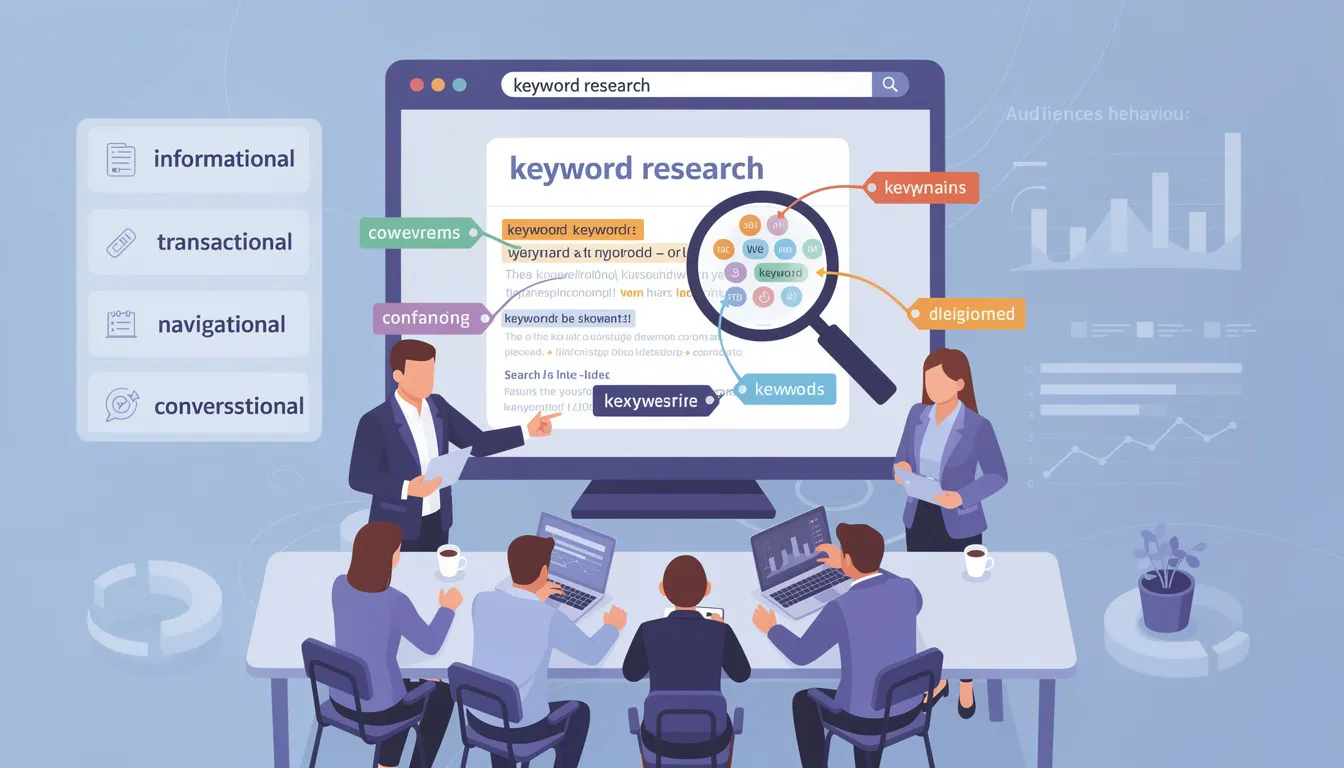
Keyword research is the backbone of any successful SEO strategy. Developing a comprehensive keyword strategy is essential to ensure your content aligns with your target audience's needs and search behaviors. It involves identifying relevant keywords and search terms that target audiences use in search engines. Effective keyword research should target the why behind the search intent, focusing on informational, transactional, navigational, or conversational queries. Understanding search intent ensures that your content matches and answers user queries effectively.
Tools like Google Keyword Planner and keyword research tools such as Semrush’s Keyword Magic Tool and Semrush’s Keyword Strategy Builder can help plan, filter, and find suitable keyword ideas as part of your overall keyword strategy. Long-tail keywords typically have low competition keywords but higher conversion potential, making them valuable targets. Targeting long-tail keywords allows you to capture highly motivated, lower-competition traffic by focusing on longer, more specific phrases. Keyword research has evolved beyond simple volume metrics to include user intent, helping you create content that thoroughly addresses specific needs and positions your business as the authoritative solution. Regularly revisiting your keyword list allows you to adapt to changing trends and user behaviors, ensuring your SEO strategy remains effective.
Creating content that thoroughly addresses specific needs positions your business as the authoritative solution, building trust and driving qualified traffic to your site.
Understanding Search Intent: Aligning Content with User Needs
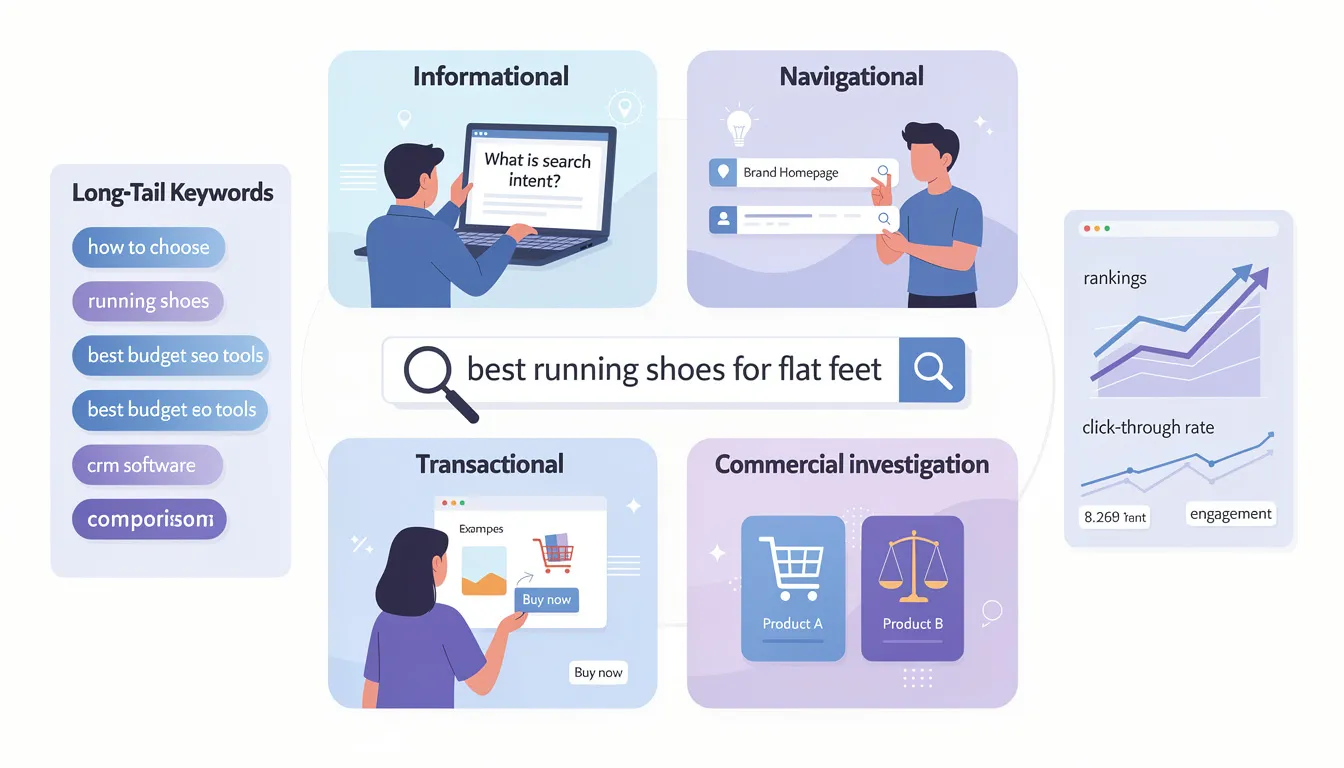
Search intent is the underlying reason behind a user’s query and plays a critical role in SEO success. Optimizing your content with keywords that closely match the user's query, especially long-tail keywords, helps improve search visibility and attracts a more targeted audience. It can be categorized into informational (seeking knowledge), transactional (ready to purchase), navigational (looking for a specific site), or commercial investigation (researching products or services). Aligning your content with the correct search intent ensures that your relevant pages satisfy what users are truly looking for, improving rankings and user engagement.
To optimize for search intent, analyze the top-ranking pages for your target keywords to understand what type of content Google favors. For example, if users are searching for “best running shoes,” they expect comparison guides or reviews rather than product pages. Tailoring your content to meet these expectations increases the likelihood of ranking higher and attracting qualified visitors.
Google Analytics: Tracking and Improving SEO Performance
Google Analytics is an essential tool for monitoring website traffic, user behavior, and conversion metrics. Integrating Google Analytics with your SEO strategy provides valuable insights into how visitors find and interact with your site, which pages perform best, and where improvements are needed.
By analyzing data such as organic traffic sources, bounce rates, and user flow, website owners can make data-driven decisions to refine their SEO efforts. For example, identifying pages with high exit rates may indicate content that needs enhancement or better calls to action. Google Analytics also helps measure the effectiveness of keyword targeting and content updates over time, ensuring your SEO strategy delivers measurable results.
On-Page SEO Tips: Optimizing Page Titles and Meta Descriptions
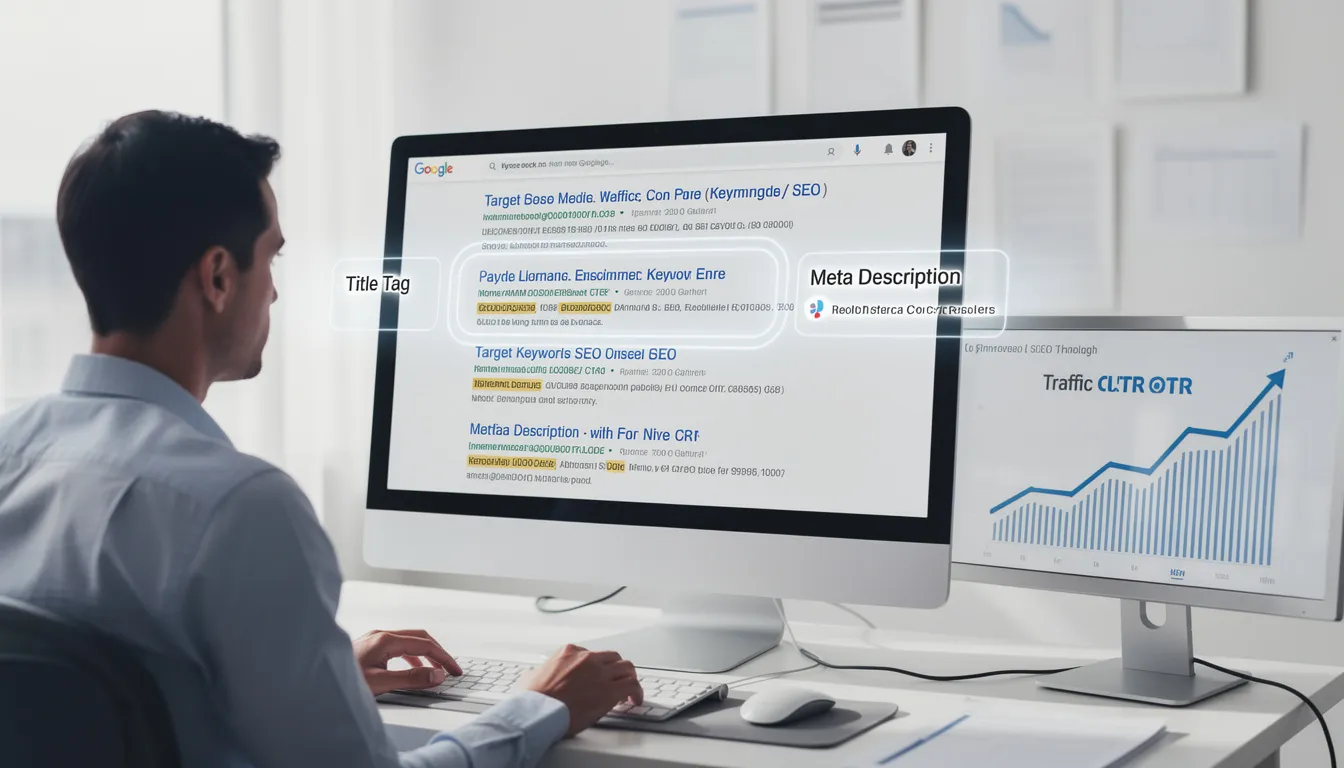
Page titles and meta descriptions are essential elements of on-page SEO, helping search engines understand the content and purpose of each webpage. Title tags and a good meta description should be descriptive, informative, and include target keywords to improve search engine rankings. Optimizing these elements can boost click-through rates and drive more traffic.
Descriptive, static URLs are also important for SEO. For example, a blog post about "10 Tips of SEO" should have a URL like www.example.com/blog/10-tips-of-seo, which includes relevant keywords and clearly indicates the content of the blog post. This helps both users and search engines understand what the page is about.
Using header tags (H1, H2, H3, etc.) structures your content to improve readability and navigation. Incorporating synonyms and related terms through Semantic SEO provides comprehensive answers to topics, avoiding repetitive keyword use.
Creating High-Quality Content with High Quality Images
Creating high-quality, engaging, and informative content is critical for on-page SEO. Content should be structured with clear headings, lists, and bullet points to improve scannability and user engagement. Using lists and bullet points provides quick takeaways and helps readers grasp key information efficiently. Visuals such as high quality images and videos help clarify complex information and keep readers interested. High-quality, authoritative content is the number one driver of search engine rankings.
Incorporating personal experiences and expertise enhances content credibility and aligns with Google’s E-E-A-T (Experience, Expertise, Authoritativeness, Trustworthiness) guidelines, which are crucial for improving search rankings. For example, a recipe blog can showcase expertise by sharing unique cooking tips, detailed instructions, and original recipes, helping to establish authority in the culinary niche through high-quality content.
Using alt tags for images helps search engines understand your content and improves accessibility for users.
Leveraging Visual Content: Infographics, Videos, and Visual Storytelling
Visual content is a powerful tool in search engine optimization, helping your website stand out in search engine rankings and capture your audience’s attention. Infographics, videos, and visual storytelling transform complex data into easily digestible formats, making your content more engaging and memorable. These visual assets not only enhance user experience but also encourage visitors to spend more time on your site—a key ranking factor for search engines.
Infographics are highly shareable and often cited by other websites, which can lead to valuable backlinks that boost your site’s authority and improve your search engine rankings. Videos, whether embedded tutorials, product demonstrations, or explainer clips, increase engagement and can drive additional traffic from platforms like YouTube and other search engines. Visual storytelling, through compelling images and graphics, helps convey your brand message and keeps users invested in your content.
To maximize the SEO benefits of visual content, ensure each asset is optimized with descriptive file names, relevant keywords, and structured data where appropriate. Embedding videos with transcripts and providing context for infographics can further enhance accessibility and search visibility. By integrating high-quality visual content into your SEO strategy, you not only improve user satisfaction but also increase the likelihood of attracting links from other websites, strengthening your site’s presence and authority in search engine results.
Technical SEO Tips: Enhancing Website Speed and Core Web Vitals
Website speed and performance are critical ranking factors, directly impacting user experience and search engine rankings. Google now heavily weighs site performance through Core Web Vitals metrics, which focus on loading speed, interactivity, and visual stability. These metrics include:
-
Largest Contentful Paint (LCP): Measures loading speed; aim for under 2.5 seconds.
-
First Input Delay (FID): Measures interactivity.
-
Cumulative Layout Shift (CLS): Measures visual stability.
-
Interaction to Next Paint (INP): Aim for under 200ms for improved interactivity.
Faster sites usually lead to a better user experience, which Google values highly.
Common issues that slow down websites include unoptimized images, excessive JavaScript, poor mobile responsiveness, and unnecessary third-party scripts. Optimizing images, minifying code, leveraging browser caching, and using web hosting services with a content delivery network (CDN) to deliver content from the closest server can significantly reduce load times and improve performance.
Technical optimization ensures your website performs well behind the scenes, creating a better user experience and improving search engine rankings. Regularly auditing your site with tools like Google Search Console or Ahrefs' Site Audit helps identify and fix broken links, crawl errors, and other technical issues to keep your website error-free and user-friendly.
Mobile Optimization and User Experience: Adapting to Search Engines' Expectations
With most web traffic coming from mobile devices, ensuring your website is mobile-friendly is essential. Responsive design adapts your site to different screen sizes, providing a seamless user experience. Fast-loading, mobile-optimized sites not only satisfy users but also rank better in search engine results. Optimizing your website for mobile devices is crucial as Google prioritizes mobile-friendly designs in its search rankings.
Sitemap and URL Structure: Improving Search Results Visibility
Creating a sitemap helps search engines crawl and index your site more effectively, improving visibility in search results. Using descriptive, concise URLs helps users understand your content at a glance and increases trustworthiness. Avoid dynamic or overly complex URLs and use hyphens to separate words for better readability.
Developing an Effective SEO Strategy for Long-Term Success
An effective SEO strategy involves setting clear goals, identifying target audiences, and creating a roadmap for improvement. Using Google Analytics allows you to track traffic, engagement, and conversion rates, enabling data-driven decisions.
A content calendar can help you consistently publish fresh content, keeping your audience engaged and signaling to search engines that your site is active. Building a well-structured internal linking strategy is crucial—internal links improve site navigation, enhance user experience, and help search engines index your pages more effectively. Best practices include linking related content with relevant anchor text, avoiding broken links, and ensuring there are no orphan pages, which strengthens your internal link structure and overall site authority.
Perform quarterly audits to review top-performing pages, update statistics, and refresh examples, ensuring your content remains relevant and authoritative.
Building topical authority involves creating content hubs with pillar pages and related subtopic articles to signal authority on a subject. Publishing authoritative content and earning backlinks are essential for boosting your site's authority and improving search engine rankings. Creating original research or publishing proprietary data increases the probability of being cited by over 40%, further establishing your site’s authority. Engaging with the SEO community to share valuable resources, collaborate, and gain backlinks can also help amplify your reach and influence.
Off Page SEO: Building High Quality Backlinks and Authority
Backlinks from other websites are crucial for off page SEO, improving search engine rankings and driving referral traffic. Earning high-quality backlinks from other sites is essential for establishing authority and directly impacts your site's ranking in search results. Backlinks boost your domain’s authority and trust signals, which are essential for building credibility and improving rankings. High-quality backlinks from relevant websites carry significantly more weight than multiple links from unrelated sources.
Effective Link Building Methods
Effective methods include guest blogging, broken link building, and contributing to resource pages. Attracting links naturally is achieved by offering valuable resources that others want to share, such as infographics, studies, or comprehensive guides. Creating shareable, valuable resources—like tools, reports, or infographics—can help attract links from other websites, boosting your site's authority and search rankings. Building topical authority through strategic partnerships with related businesses or industry influencers can also help acquire relevant backlinks and exchange links.
Local SEO Optimization: Enhancing Your Business's Location Presence
Optimizing your Google Business Profile is critical for local search visibility. Ensure your profile is complete with accurate contact details, business hours, and high-quality images. Encourage, monitor, and respond to local reviews from satisfied customers to build trust and improve your ranking in local search results.
Maintaining NAP (Name, Address, Phone) consistency across all online directories is essential to avoid confusing search engines and to strengthen local SEO.
Creating location-specific content on your website further enhances local search relevance and attracts nearby customers.
Content Marketing and Promotion: Consistency is Key for SEO Tips
Consistently creating high-quality, relevant, and valuable content is the cornerstone of SEO success. Use a content calendar to plan and publish fresh blog posts, service pages, and articles targeting competitive keywords. Structured content optimized for Answer Engine Optimization (AEO) should include clear, concise answers to questions, lists, and tables to meet user needs effectively.
Leverage modern SEO tools and plugins offered by many website builders and content management systems to streamline optimization efforts.
Conclusion: Implementing Top Tips of SEO for Lasting Results
Key Takeaways
SEO is a critical component of online marketing. By following these top tips of SEO, website owners can improve their website’s visibility and traffic. Stay up-to-date with the latest SEO best practices and algorithm updates to ensure long-term success.
Creating high-quality, relevant, and valuable content, building high quality backlinks, optimizing website structure and technical performance, and maintaining a strong local SEO presence are essential for SEO success.
Using SEO tools and tracking key metrics like Google Analytics helps website owners measure and improve their SEO performance.
Next Steps for SEO Success
By developing a comprehensive SEO strategy and staying committed to best practices, website owners can drive more traffic, increase conversions, and achieve lasting online success.
Modern SEO is platform-agnostic, with search activity expanding across platforms like Reddit, YouTube, and TikTok. Adapting your SEO strategy to these evolving channels can further enhance your site's reach and authority.
Frequently Asked Questions (FAQs) About SEO
-
What is SEO and why is it important?
SEO, or Search Engine Optimization, is the process of optimizing your website to improve its visibility and ranking on search engine results pages. It is important because higher rankings lead to increased organic traffic, better brand awareness, and more potential customers. -
How long does it take to see results from SEO?
SEO is a long-term strategy. Typically, it can take 3 to 6 months to begin seeing noticeable improvements in search rankings and traffic, depending on competition and the effectiveness of your SEO efforts. -
What are the key components of an effective SEO strategy?
An effective SEO strategy includes thorough keyword research, high-quality content creation, on-page optimization (such as meta tags and header structure), technical SEO (like site speed and mobile optimization), backlink building, and regular performance tracking. -
How often should I update my website content?
Regular updates are essential. Aim to review and refresh your website content quarterly to keep it relevant, accurate, and engaging for both users and search engines. -
Can I do SEO myself, or should I hire experts?
While basic SEO can be managed independently, hiring SEO experts can provide specialized knowledge, save time, and deliver more effective results, especially for competitive industries. -
What role do backlinks play in SEO?
Backlinks from reputable and relevant websites boost your site's authority and trustworthiness, which are important ranking factors for search engines. -
Is mobile optimization really necessary?
Yes, with the majority of web traffic coming from mobile devices, search engines prioritize mobile-friendly websites in their rankings. -
What tools can help with SEO?
Popular SEO tools include Google Search Console, Google Analytics, Semrush's Keyword Magic Tool, Ahrefs, and Moz. These tools assist with keyword research, site audits, backlink analysis, and performance tracking.
Ready to Boost Your Website’s SEO Performance?
At Sterling Media & Communications, we specialize in delivering tailored SEO strategies that drive real results. Whether you're looking to improve your site’s ranking, attract more qualified traffic, or build your online authority, our expert team is here to help.
Visit us at smcww.co.uk to learn more about our comprehensive SEO services and how we can partner with you to elevate your digital presence. Discover our Google Search Marketing for SMEs services to drive leads and sales. Let Sterling Media & Communications be your trusted guide to SEO success!

0 comments